Reed Van Dyk’s debut feature, Atonement, emerges as a profound and vital cinematic exploration of the human cost of the Iraq War, distinguishing itself from a pervasive trend in American filmmaking that often sidelines the experiences of those on the receiving end of conflict. Unlike numerous predecessors, such as last year’s strikingly immersive Warfare, which typically confine their narratives to the perspective of U.S. soldiers – from the visceral horrors of active combat to the protracted psychological fallout of PTSD – Atonement consciously broadens its lens. It endeavors to humanize the "enemy," transforming what are frequently depicted as faceless "others" into individuals with names, stories, and profound humanity, irrevocably shaped by the very conflict that often reduces them to mere background elements.
Challenging the Conventional Narrative of War Cinema
The conventional portrayal of Middle Eastern conflicts in American cinema has frequently adhered to a narrow, soldier-centric viewpoint. This narrative structure, while offering intimate glimpses into the lives and traumas of service members, has often inadvertently, or even explicitly, reduced the civilian populations of the affected regions to an undifferentiated mass, devoid of individual agency or suffering. The enemy is frequently an anonymous threat, a tactical problem, rather than a complex human being with a family, a home, and a life disrupted by war. Atonement embarks on a deliberate mission to subvert this paradigm, opening its narrative not with an American patrol or a strategic briefing, but with an intimate portrayal of the Khachaturians, a close-knit Iraqi family spanning three generations, navigating the initial chaos of the Iraq War in what they hoped was a temporary haven outside Baghdad’s immediate conflict zone.
This foundational choice immediately signals the film’s intent to offer a balanced, empathetic, and ultimately more complete understanding of the war’s impact. It positions the Iraqi family not as a backdrop for American heroism or suffering, but as central figures whose lives are shattered by the geopolitical forces at play. This approach marks a significant departure, inviting audiences to confront the often-unseen consequences of military intervention and challenging them to reconsider preconceived notions about conflict narratives.
The Iraqi Experience: A Family’s Ordeal in 2003 Baghdad
The film meticulously transports viewers to 2003, amidst the nascent stages of the Iraq War. As television screens broadcast news of airstrikes on Baghdad, proclaiming "The great invader has arrived," the Khachaturian family attempts to maintain a semblance of normalcy. A young mother instinctively warns her children against engaging with American soldiers, a subtle yet potent indicator of the underlying tension and fear permeating daily life. Despite this palpable anxiety, children play on the streets, and the large family unit functions with a familiar dynamism – marked by boisterous squabbles, shared laughter, and the steady, grounding presence of the matriarchal grandmother, Mariam (portrayed with unparalleled grace by Hiam Abbass), who endeavors to prepare meals in a kitchen plagued by intermittent utility outages.
This opening sequence is crucial, establishing the Khachaturians as a relatable, universal family unit before the impending tragedy. It underscores the profound incongruity between the mundane rhythms of life and the terrifying backdrop of war. A pointed observation within the film, where a character notes Washington’s prolonged rhetoric about Weapons of Mass Destruction – "They bomb the whole world so they can feel safe" – serves as a direct, albeit inferred, jab at the official justifications for the American intervention. This line, regrettably timely given ongoing global geopolitical tensions, is not presented as a direct accusation of blame but rather as a stark reflection of the weary civilian perspective, a sentiment widely held by those living under the shadow of conflict. It articulates the deep-seated skepticism and fatalism that often characterizes populations subjected to foreign military action, providing crucial background context to the broader event of the Iraq War.
The 2003 invasion, dubbed "Operation Iraqi Freedom," was launched on the premise of disarming Iraq of WMDs and severing alleged ties to terrorist organizations. However, the subsequent years revealed the absence of WMDs and the complexities of Iraq’s geopolitical landscape, leading to a protracted insurgency and a profound humanitarian crisis. Estimates from organizations like Iraq Body Count suggest civilian deaths in the hundreds of thousands, underscoring the immense human toll beyond military casualties. This historical context amplifies the film’s portrayal of civilian life, rooting the Khachaturians’ experience in a documented, tragic reality.
Mariam, despite her initially sparse dialogue, quickly emerges as the drama’s moral compass. Her natural gravitas and quiet intelligence, embodied by Abbass, signal a character of immense strength and resilience. Hiam Abbass, a Palestinian actress lauded for decades of exceptional work – notably as Logan Roy’s third wife Marcia in Succession – delivers a mesmerizing performance that ranks among her career’s finest. Her portrayal captures a woman profoundly hollowed but never broken by the events that unfold, her eyes revealing a devastating blend of kindness and enduring pain that lingers long after the initial trauma.
The family’s fragile normalcy is abruptly shattered by a sudden explosion that tears through their house. Miraculously unharmed, Mariam acts with decisive speed, marshaling her family into cars and directing them towards her home across town, away from the immediate blast zone. This moment of frantic escape sets the stage for the pivotal, tragic encounter.
The Nerve-Rattling Encounter: A Collision of Worlds
The journey across town is handled with gritty assurance by Van Dyk and cinematographer Jon Peter, conveying the panic and confusion of a civilian population caught in a war zone. Simultaneously, a U.S. Marine squad, led by Second Lieutenant Lou D’Alessandro (Boyd Holbrook), has taken up position at an intersection, engaged in a "show of force." Lou is ordered to deploy a group of soldiers to a rooftop to engage hostile Iraqis. As the Khachaturians’ vehicles approach, the sounds of gunfire and rocket blasts intensify, but the source remains unidentified until they are suddenly engulfed in the thick of it.
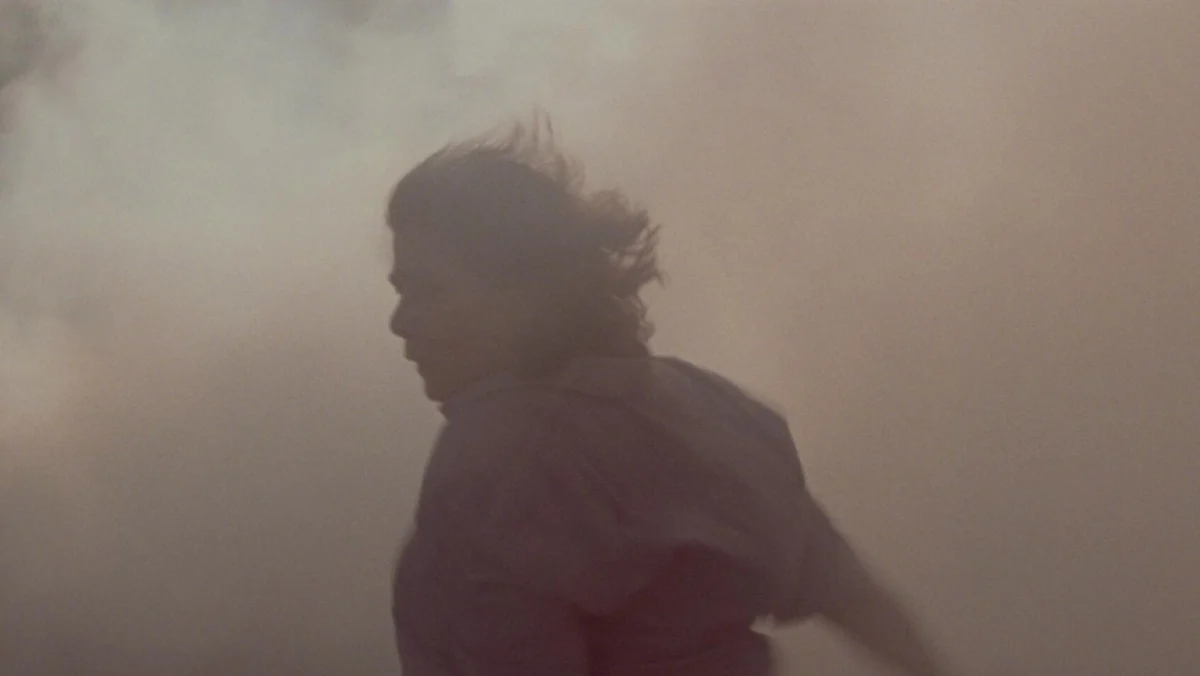
Bullets shatter car windscreens, and soldiers yell commands into the swirling dust and debris churned up by explosions. In the rapid-fire chaos, the Marines are unable to differentiate the family’s vehicles from potential combatants. Mariam desperately waves her grandchild’s white onesie from the window, a universal signal of peaceful intent. Yet, before she can prevent it, her husband and two adult sons step out of the vehicles with their arms raised, shouting "Don’t shoot." This harrowing sequence culminates in a wrenching depiction of innocent casualties, the direct result of split-second combat decisions and the inherent fog of war. Three Khachaturian men are killed.
The immediate aftermath is equally potent. When Lou’s squad members witness Mariam’s wounded daughter Nora (Gheed) among the surviving passengers, cradling an infant spattered with blood, the horrific reality of their mistake dawns upon them. The shock and disbelief etched onto their faces, in one case escalating into delirious anguish, convey the profound moral injury inflicted not only on the victims but also on the perpetrators. They quickly move the surviving family members to safety, but the hospital scene that follows, depicting the raw agony and confusion, is acutely distressing.
The Catalyst for Connection: Journalism and the Search for Truth
It is at this critical juncture that Michael Reid (Kenneth Branagh), a New York Times reporter, enters the narrative. Reid, a character inspired by the acclaimed combat journalist Dexter Filkins whose 2012 New Yorker article of the same name served as the film’s inspiration, listens sympathetically to the Khachaturians’ harrowing account, particularly Mariam’s, a former schoolteacher. Reid’s presence underscores the vital role of investigative journalism in bearing witness to the human cost of conflict and giving voice to the voiceless.
Michael then attempts to speak with the soldiers involved. Before the squad lieutenant (Kris Davis) can dismiss him as unauthorized, he manages to elicit a few words from Lou, who appears surly and unremorseful. Lou’s initial reaction, questioning why civilians would drive through a combat zone – "Did they have a death wish?" – reveals a nascent attempt to deflect blame, a common psychological defense mechanism in situations of extreme trauma and guilt. This moment sets the stage for his decade-long struggle with the moral burden of his actions.
A Decade of Trauma: The Soldier’s Enduring Burden
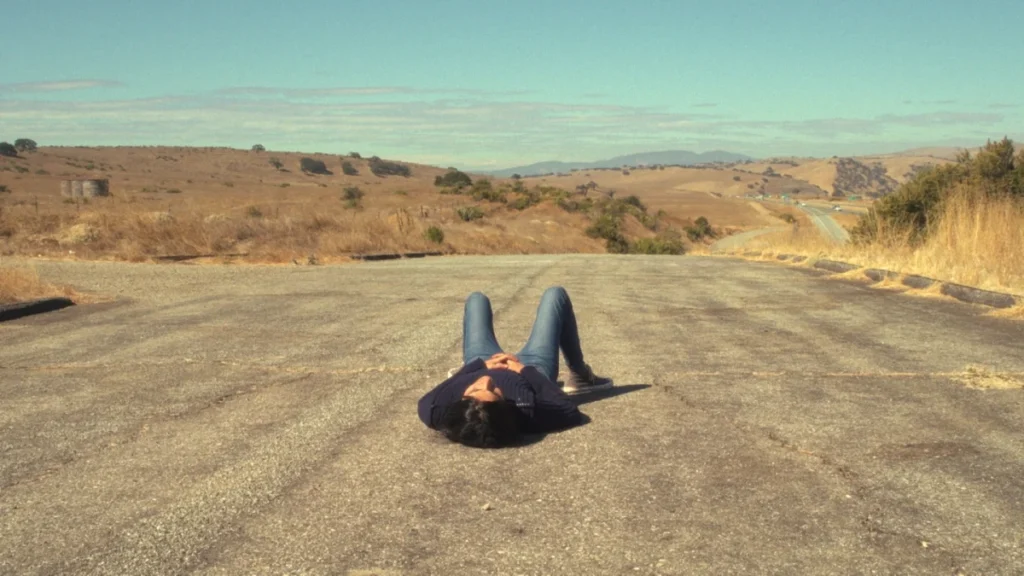
The narrative then leaps forward ten years, illustrating the enduring and insidious effects of war. Lou D’Alessandro, now a veteran, is back in the U.S., living in San Diego. His life is a stark portrait of post-service struggle: working multiple precarious jobs as a nightclub bouncer, event security, and construction worker, all while battling bureaucratic hurdles to enroll in law school. His on-off girlfriend, Anna (Yara Bakri), understands enough to maintain a careful distance during his volatile panic attacks. The breakdowns and suicides of his fellow squad members, communicating through desperate phone calls ("We killed those people," sobs one Marine), further erode his stability, compounding his own profound trauma.
This portrayal of Lou’s post-war life is deeply resonant with the documented struggles of veterans from the Iraq and Afghanistan wars. According to the U.S. Department of Veterans Affairs, an estimated 11-20% of veterans who served in Operations Iraqi Freedom (OIF) and Enduring Freedom (OEF) experience PTSD in a given year. Beyond PTSD, many also grapple with "moral injury," a concept describing the psychological distress resulting from actions, or lack of them, that violate one’s own moral beliefs. Lou’s dishonorable discharge and his multi-faceted employment reflect the often-difficult transition to civilian life for many veterans, highlighting the systemic challenges and personal battles faced long after active combat ceases.
Eighteen months after the ten-year jump, Michael Reid, now a staff writer for The New Yorker, publishes an article detailing the surviving Khachaturian family’s story, who have since relocated to Glendale, California. This article becomes the unexpected catalyst for Lou. Having only considered the family’s perspective after his discharge and years of internal torment, Lou becomes convinced that a direct encounter with them will be instrumental in his own healing process. He also, perhaps naively, believes it might offer them some form of closure. He contacts Michael to mediate a meeting, a request his partner Olivia (Amanda Warren) deems selfish, expressing skepticism about his true motivations for seeking forgiveness or reconciliation.
The Confrontation: Atonement’s Emotional Core
While the Iraq scenes, expertly shot in Jordan, are viscerally gripping, it is in the emotional final stretch, centered on this proposed meeting, that Van Dyk’s script truly deepens its psychological layers. Michael approaches the Khachaturians with exemplary tact and sensitivity, an honorable journalist dedicated to truth and empathy. Kenneth Branagh’s portrayal of Reid, a man of integrity, provides a much-needed positive representation of the Fourth Estate in an era often marked by skepticism towards media.
The Khachaturian family’s reactions to the prospect of meeting Lou are complex and varied. Nora’s husband, Asaad (Majd Eid), whom she met in the Baghdad hospital, expresses raw, unadulterated rage, snarling, "I’d rather kill him than let him into my house." Mariam, however, despite her profound suffering, finds herself conflicted. After much internal struggle, she decides they should grant Lou what he needs to move forward, a testament to her profound capacity for compassion, even in the face of unimaginable loss.
Yet, on the morning of Lou’s visit, Mariam’s resolve wavers. The weight of her grief and the enormity of the requested gesture threaten to overwhelm her. But when Lou is finally seated before her, a bundle of exposed nerves, stuttering, weeping, and trembling as he attempts to articulate his plea, Mariam fixes him with a cold, emotionless gaze. Her words, delivered with a chilling restraint, cut through the air: "We forgive you, that’s what you need from us, right?" This devastating line implies that the family, having endured such immeasurable suffering, has nothing left to give him; their well of tears has run dry. It is a moment of profound emotional truth, revealing the chasm between the perpetrator’s need for absolution and the victim’s quiet, enduring pain.
Abbass delivers a master class in less-is-more restraint in these scenes, her character’s fortitude severely challenged but ultimately unbroken by years of suffering. This is acting of the highest caliber, conveying volumes through subtle glances and controlled expressions. Holbrook, too, is affecting, his character a raw nerve, grappling with the crushing weight of his own guilt and the immense grief and anger emanating from the Iraqi family.
Broader Implications and Cinematic Impact
While Atonement occasionally reveals directorial heavy-handedness – such as Mariam observing that Lou reminds her of one of her dead sons, or Anna’s pronouncement in a veterans’ support group that "when you pick up a gun and shoot, the bullet moves both ways" – these minor flaws do not diminish its overall power. Van Dyk demonstrates more measured skill in his effective use of Zak Engel’s melancholic score, which subtly underscores the film’s emotional landscape.
Regardless of these occasional missteps, Atonement stands as an admirable and courageous work of cinema. It bravely humanizes those on the opposite side of a conflict, treating their crippling losses not as abstract statistics but as a source of collective, agonizing pain. Simultaneously, it meticulously observes a U.S. Marine – trained to "point and shoot with no consequences" – as he embarks on a difficult, decade-long journey to reflect on and ultimately take responsibility for his actions.
The film’s title, while perhaps sharing a name with a well-known romantic drama, is profoundly apt for its subject matter. It speaks not only to Lou’s personal quest for redemption but also to the broader concept of national reckoning and the arduous path towards understanding and reconciliation in the aftermath of military intervention. Atonement serves as a powerful counter-narrative to films that glorify war or simplify its complexities. It is a cinematic experience designed to provoke thought, challenge assumptions, and foster empathy. By presenting a balanced, albeit painful, perspective from both sides of the conflict, the film significantly enriches the discourse surrounding the Iraq War, offering a much-needed examination of its enduring human legacy and the universal search for healing amidst its profound scars. It is a film that dares to make its audience uncomfortable, and in doing so, pushes them toward a deeper, more nuanced understanding of conflict’s true cost.