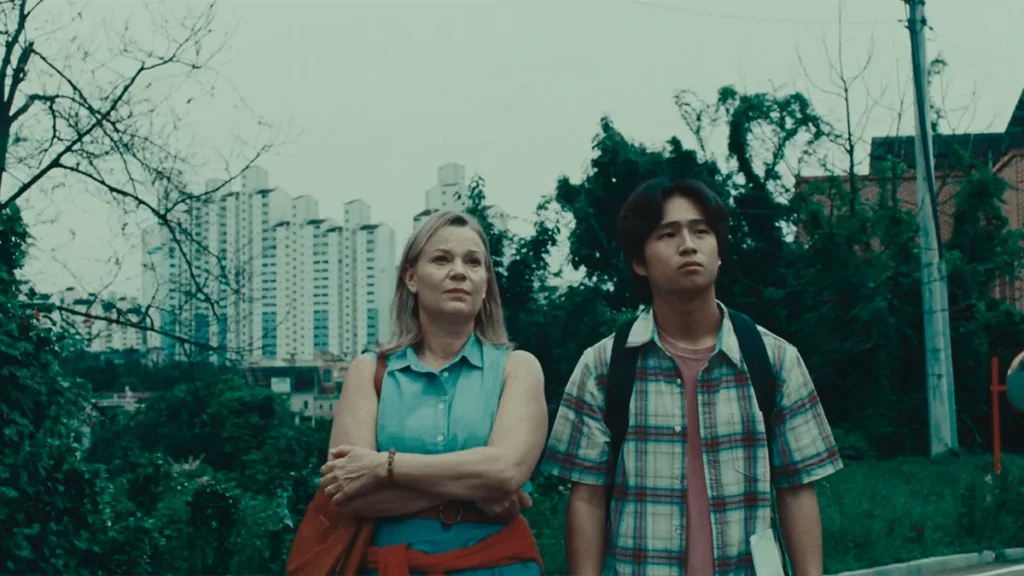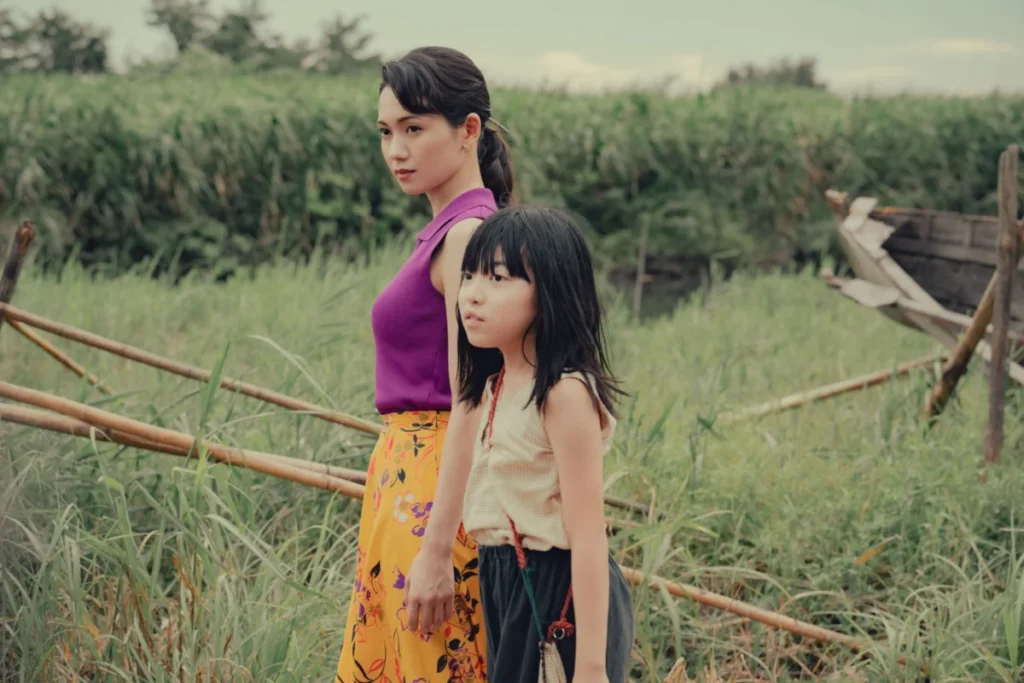
Benjamin Nicolas’s latest documentary, "A Quiet Storm," produced by Skeptic Films and Twin Brains Films and distributed by Eroin Films, offers a profoundly intimate and stylistically innovative exploration of family dynamics, artistic expression, and resilience in contemporary Japan. The film marks Nicolas’s significant return to documentary filmmaking, following a diverse career spanning photography, advertising, production, and narrative fiction, a background that distinctly informs its unique audiovisual approach. His previous notable works, including "Long Live Little Brats," "Wanda," and "BEAST," have showcased a versatile directorial hand, but "A Quiet Storm" ventures into a hybrid cinematic territory that blurs the lines between observational documentary and artful narrative.
Benjamin Nicolas: A Director’s Hybrid Vision
Benjamin Nicolas’s journey back to the documentary format is particularly noteworthy. His extensive experience across various visual mediums—from the precision and aesthetic sensibility required in photography and advertising to the storytelling demands of narrative fiction and production—has cultivated a distinctive directorial style. This multifaceted background is evident in "A Quiet Storm," where he masterfully employs cinematic techniques often reserved for fiction to elevate the authenticity and emotional depth of his documentary subjects. Rather than adhering strictly to traditional documentary conventions, Nicolas crafts a visual and narrative tapestry that is both deeply personal and universally resonant. This hybrid approach allows the film to transcend simple reportage, inviting viewers into the inner lives of its subjects with an artistic flair that enhances their reality. The director’s previous films have often explored themes of identity and societal pressures, and "A Quiet Storm" continues this thread, but with a renewed focus on the quiet struggles and profound connections within a single family unit.
The Unfolding Narrative: Maïto’s Silent Expression
The film opens with an immediate immersion into a vibrant subculture: a Krump audition held in a Tokyo gym. Krump, a highly energetic and expressive street dance style, originated in the early 2000s in the impoverished communities of Los Angeles, emerging as a powerful, non-violent outlet for anger, frustration, and pain. It rapidly gained global traction, finding a significant following among youth in urban centers worldwide, including Japan. In Tokyo, Krump offers an alternative form of expression, a physical language for emotions that might otherwise remain suppressed in a society that often values conformity.
Here, viewers are introduced to Maïto, a 14-year-old boy from the sprawling suburbs of Tokyo, diligently warming up, absorbing advice from his coach. The scene pulsates with raw energy and aspiration, setting the stage for the intense night performance. The venue, packed predominantly with young people, underscores the burgeoning popularity and community aspect of Krump. Maïto’s performance that evening, a powerful display of controlled aggression and fluid movement, immediately distinguishes him, hinting at a depth of emotion seeking release.
Itsuka’s World: A Mother’s Unspoken Burden and Open Heart
The narrative then shifts dramatically to Maïto’s home, offering a glimpse into his personal life, where he resides with his mother, Itsuka, and his elder sister, Ayumu. Ayumu, who is six years Maïto’s senior, lives with a disability, a condition that necessitates a significant portion of Itsuka’s time and attention. Itsuka’s voice, which becomes the emotional anchor of the documentary, begins to narrate the profound difficulties she navigates daily. Her candid reflections reveal the intricate challenges of raising two children with vastly different needs. The demanding care required by Ayumu inevitably impacts Maïto, fostering a sense of frustration and a yearning for his mother’s undivided attention during his formative years. Itsuka poignantly suggests that Maïto’s fervent dedication to dance may stem from this deep-seated desire for recognition and a unique space of his own. This revelation establishes the core thematic tension of the film: the silent struggles of a teenager finding his voice through movement, juxtaposed with his mother’s articulate and often painful reflections on their shared reality. As the film progresses, the alternating perspectives between Maïto’s physical expression and Itsuka’s verbal narration create a compelling dual portrait.
The challenges faced by Itsuka resonate deeply within the broader context of societal support systems for families with disabled members in Japan. While Japan has made strides in disability rights and inclusion, families, particularly single-parent households, often face significant financial strain, social stigma, and the emotional burden of navigating complex care requirements. Resources, while improving, can still be fragmented, and the cultural emphasis on self-reliance can sometimes lead to families shouldering immense responsibilities with limited external support. Itsuka’s dedication to Ayumu, while admirable, highlights the immense personal sacrifice involved, inadvertently creating an emotional vacuum that Maïto attempts to fill through the intensity of Krump.
Cinematic Craftsmanship: Bridging Realism and Aesthetics
Benjamin Nicolas’s directorial approach is characterized by a deliberate choice to let Maïto’s persona manifest primarily through his dancing, with his spoken words being notably scarce. This artistic decision amplifies the expressive power of Krump, allowing Maïto’s movements to convey the complex tapestry of his inner world—his frustrations, aspirations, and unspoken yearnings. In stark contrast, Itsuka’s narration serves as the essential textual and emotional backbone of the documentary, articulating the underlying themes and providing critical insights into the family’s situation. Her remarkable clarity and openness regarding the intricacies of her life with her two children emerge as one of the most compelling and authentic aspects of the film, firmly anchoring its emotional core.
The documentary carefully navigates the inherent pathos of the family’s difficult circumstances, ensuring that the narrative never devolves into excessive sentimentality. This balance is skillfully achieved through the strategic inclusion of scenes depicting the family’s shared moments of joy and the sheer dynamism of Maïto’s dancing. These instances ground the film in a profound sense of realism and resilience, illustrating that despite adversity, moments of connection and happiness persist. Furthermore, Itsuka’s poignant revelation of her dreams for her children introduces a tender and universally appealing element, encapsulating the film’s overarching message of hope and enduring love.
The visual artistry of "A Quiet Storm" is a significant contributor to its impact. Director of Photography Alexandre Nour’s capture of Maïto’s dancing is nothing short of impressive, transforming raw movement into compelling visual poetry. Several sequences stand out for their exceptional quality and symbolic resonance:
- The slow-motion sequence in the rain: This scene elevates Maïto’s dance to an almost ethereal plane, visually externalizing his inner turmoil and the cathartic release found in movement, while the rain itself could symbolize cleansing or the weight of his emotions.
- The silent interaction with his sister in the gym: This moment offers a rare glimpse into the unique bond between Maïto and Ayumu, communicating a depth of understanding and affection that transcends words. It underscores the unspoken connection that often exists between siblings, particularly when one has a disability, where empathy and presence speak volumes.
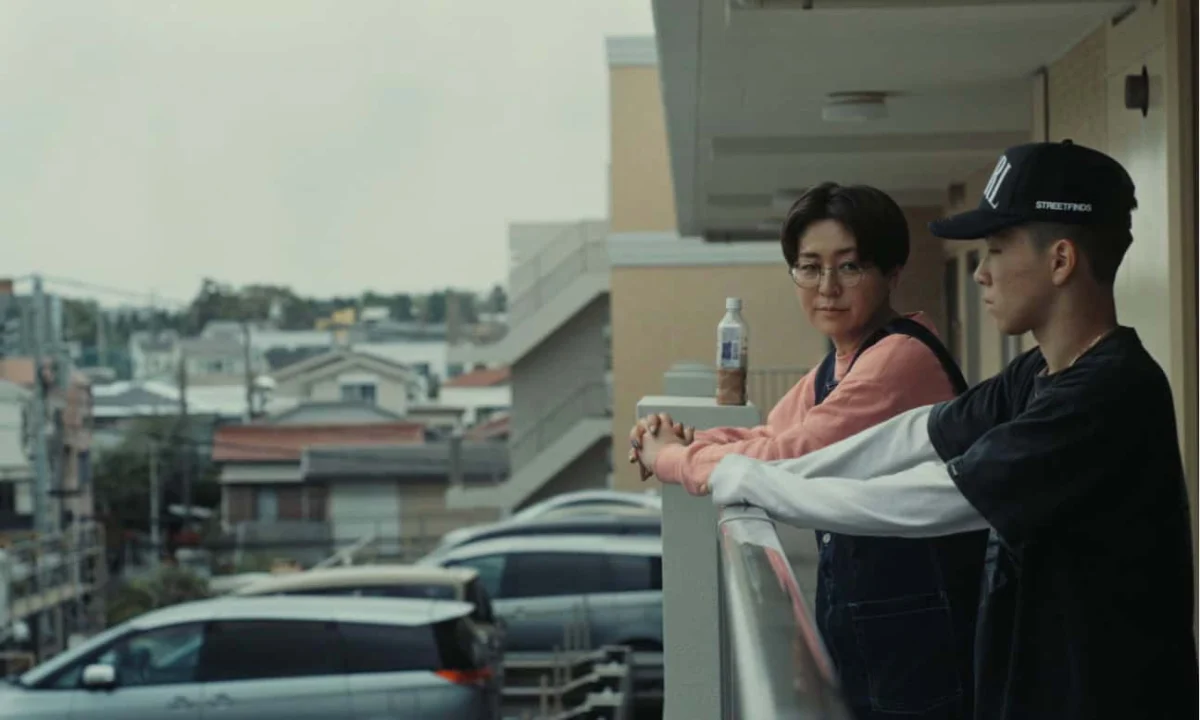
- A long shot of Maïto and his mother on the terrace of their block of flats: This meticulously framed shot not only showcases the high quality of the cinematography but also subtly conveys the urban landscape that defines their existence. It can evoke feelings of shared solitude, the weight of their world, and the quiet strength of their connection against the backdrop of an indifferent city.
Marie-Pier Grignon’s editing further enhances the film’s unique aesthetic, seamlessly interweaving disparate elements into a cohesive and engaging whole. The fluid succession between moments of stark realist drama and vibrant music video aesthetics is a masterful stroke, allowing the documentary to remain both deeply informative and consistently entertaining. This stylistic fusion prevents the film from becoming emotionally overwhelming, instead offering viewers varied entry points into the family’s narrative.
Broader Implications: A Quiet Storm’s Resonance
"A Quiet Storm" is more than just a personal family story; it offers incisive commentary on several broader societal issues. It illuminates the often-overlooked struggles of families caring for individuals with disabilities, particularly in a society like Japan where support structures, while present, can still leave significant gaps. Itsuka’s narrative provides a crucial voice for caregivers, highlighting their resilience, sacrifices, and enduring hopes.
The film also serves as a powerful testament to the transformative power of art and self-expression for youth. Maïto’s embrace of Krump exemplifies how marginalized or frustrated individuals can find identity, community, and a vital outlet for emotional release through creative endeavors. In a global landscape where youth mental health is a growing concern, the film underscores the importance of accessible and supportive artistic avenues.
Moreover, Benjamin Nicolas’s innovative blend of documentary and fiction challenges conventional genre boundaries, pushing the envelope of cinematic storytelling. This hybrid approach allows for a deeper emotional engagement, inviting viewers to connect with the subjects on a more visceral level than traditional observational documentaries might permit. The film’s critical reception has largely lauded this bold stylistic choice, recognizing its ability to enhance both the factual and emotional truths presented. Film critics have noted its compelling narrative structure and its sensitive handling of complex themes, praising Nicolas for creating a work that is both aesthetically pleasing and profoundly moving.
A Powerful Conclusion and Lasting Impact
The documentary culminates in a final performance that brings the narrative to a powerful and fitting close. The depiction of Itsuka’s reactions—a complex tapestry of pride, anxiety, and hope—the outcome of the dance battle, and Maïto’s subsequent response collectively deliver an emotionally charged resolution. These moments underscore the mother’s deep investment in her son’s journey and the profound significance of his artistic pursuits. The credit scenes further enrich the documentary, adding an additional layer of reflection and concluding the work with an equally poignant and thoughtful resonance.
In its entirety, Benjamin Nicolas’s direction and distinctive audiovisual style in "A Quiet Storm" allow the film to seamlessly traverse the delicate divide between fiction and documentary. It effectively highlights its central themes of family, sacrifice, and the search for identity and expression, all while offering abundant entertainment. This is a remarkably competent and artistically adventurous effort, presenting a cinematic style and narrative depth that are not frequently encountered in contemporary filmmaking. "A Quiet Storm" stands as a testament to the quiet strength of the human spirit and the profound impact of artistic expression in navigating life’s most challenging storms.