The recent anti-war demonstration organized by the "otaku" community in Japan has ignited a public discourse, drawing particular attention following comments made by prominent singer-songwriter Masayoshi Oishi. Hiroyuki Takahashi, a former educator and key organizer of the March 28th protest, publicly responded on Friday to Oishi’s remarks, highlighting a perceived misunderstanding of the movement’s motivations and the broader otaku identity.
Takahashi expressed that Oishi’s observation—that "most otaku probably don’t participate in such events, so as to not cause trouble for their oshi [loosely translated, their idols, favorite characters, or objects of their fandom]"—was a point of significant interest. This sentiment, articulated by Oishi on his radio program, has prompted Takahashi to elaborate on the underlying principles of the #OtakuNiYoruHansenDemo (#Anti-WarProtestByOtaku) and to challenge the assumptions about otaku engagement in socio-political activism.
Background of the Otaku Anti-War Protest
The #OtakuNiYoruHansenDemo, held on March 28th in front of the National Diet Building, Japan’s legislative seat, was conceived with a powerful and evocative theme: "Don’t turn a world in which our oshi exist into a battlefield." This slogan underscores the core motivation of the protest, framing it as an effort to protect the spaces and cultural ecosystems that nurture otaku interests from the devastating consequences of armed conflict. Organizers reported an attendance of approximately 3,800 individuals, a significant turnout that included notable figures from the manga and anime industries. Among them were manga creator Kentaro Takekuma, known for works like "Super Mario Adventures," and acclaimed voice actor Maya Okamoto.
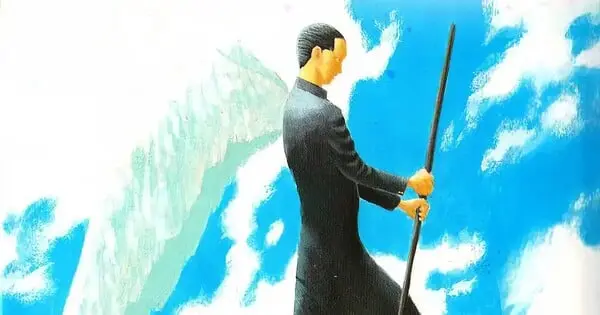
The protest was further amplified by the artistic contributions of prominent figures within the otaku sphere. Illustrator Katsuya Terada, celebrated for his work on "Blood: The Last Vampire," "The Monkey King," and "Zeiram," alongside manga creator Nozomu Tamaki, creator of "Dance in the Vampire Bund," lent their visual talents to support the movement. These illustrations, shared on social media platforms, visually represented the protest’s message, emphasizing the desire to safeguard the vibrant world of otaku culture from the existential threat of war.
Masayoshi Oishi’s Perspective
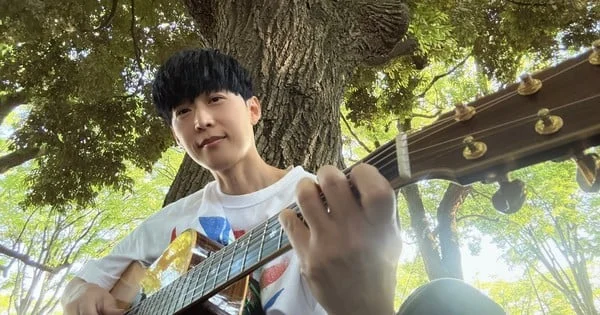
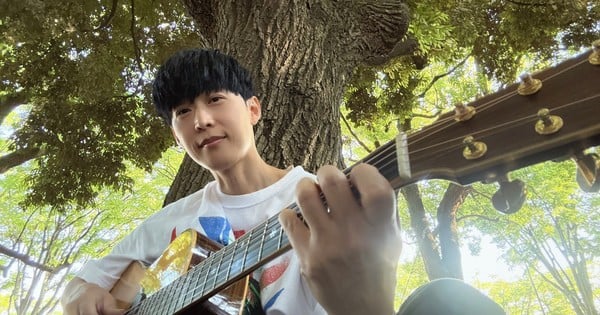
Masayoshi Oishi, a musician widely recognized for his contributions to anime theme songs and his role in the J-pop scene, shared his thoughts on the otaku anti-war protest during the second segment of his radio program, "Young Town Kayōbi" (Young Town Tuesday), on March 31st. Oishi acknowledged that he was not inherently criticizing the protest or the identity of being an otaku. However, he articulated a sense of complexity that arises when these two elements are combined.
"I’m not saying the anti-war protest is wrong, or being an otaku is wrong, but when you combine the two, I feel like it becomes complex," Oishi stated. His primary concern seemed to stem from the potential perception and implications of the "otaku" label being broadly applied to a political demonstration.
Oishi elaborated on his observation regarding otaku behavior, particularly those he interacts with regularly. He suggested that many otaku, especially those immersed in the current Reiwa era (which began in 2019), might adopt a cautious approach to public activism. "Probably have the mindset they shouldn’t participate in protests like this because it might cause trouble for their oshi," he posited. This perspective implies a fear of association, where public displays of political dissent by fans could potentially lead to negative repercussions or backlash against the idols, characters, or creative works they cherish.
The singer further noted that fans who refrain from participating in anti-war protests are not necessarily in the wrong. Instead, their non-participation might be viewed as a strategic decision to avoid any perceived conflict or negative association with their oshi activities. Oishi also conceded that some individuals who identify as otaku might indeed participate in such protests without outwardly adopting the "otaku" label for the demonstration itself, adding another layer of nuance to the discussion.
"What I found tricky is [otaku] casts a wide net," Oishi commented, referencing the diverse subcultures that fall under the otaku umbrella, including train enthusiasts, idol fans, military aficionados, and anime devotees. This broad categorization, he implied, could lead to misinterpretations about the collective stance of all individuals within these groups.
Oishi’s primary apprehension revolved around the perception of non-otaku individuals encountering news of the protest. "I worried if non-otaku saw this news and think, ‘Oh, so all the otaku gathered for an anti-war protest,’ that would be problematic," he confessed. Such a generalization, he feared, could lead to inaccurate stereotypes and potentially foster a divide within the otaku community itself, creating a rift between those who actively engage in protests and those who choose not to.
Organizer’s Rebuttal and Clarification
Hiroyuki Takahashi, in his response, directly addressed Oishi’s points, seeking to clarify the organizers’ intent and the broader meaning of the protest. Takahashi questioned the validity of Oishi’s concern about the "wide net" cast by the term "otaku." He posed rhetorical questions to highlight what he perceived as an illogical framing of the issue: "But what’s the problem with people thinking otaku are anti-war? Do otaku support war? And does calling yourself an ‘otaku’ automatically mean you speak for all otaku? It raises a lot of questions."
Takahashi’s statements suggest that the organizers embraced the "otaku" identity as a means to unite a diverse group of individuals who share common cultural touchstones and a desire to protect their passions. The implication is that the protest was not an attempt to speak for every single otaku, but rather to express a collective sentiment from a significant segment of the community that felt compelled to act against the specter of war.
He further elaborated on his response in a follow-up post, emphasizing that the protest aimed to leverage the unique cultural framework of otaku fandom to articulate a peace-oriented message. The idea that otaku might refrain from protesting to protect their oshi was, to Takahashi, a narrow interpretation of fan engagement. He seemed to suggest that protecting the world where one’s oshi exists is, in itself, a form of support for that oshi.
Broader Implications and Analysis
The exchange between Masayoshi Oishi and Hiroyuki Takahashi highlights a broader societal discussion about the role of subcultures and fandom in political discourse. The "otaku anti-war protest" represents a novel approach to activism, utilizing the shared identity and cultural language of a specific community to address universal concerns like peace.
- Data on Otaku Demographics and Engagement: While precise data on otaku political engagement is scarce, the growth of the anime and manga industries, with global revenues reaching billions of dollars annually, indicates a substantial and increasingly influential demographic. The sheer scale of the March 28th protest, with thousands in attendance, suggests a significant segment of this community is willing to engage in public advocacy when motivated by core values.
- The "Oshi" Culture: The concept of oshi is central to modern Japanese fandom, representing a deep emotional investment in idols, characters, or creative works. This devotion often translates into active support, whether through purchasing merchandise, attending events, or engaging in online communities. Oishi’s observation reflects a perceived tension between this intense personal fandom and broader public activism, where the risk of controversy could potentially tarnish the object of affection.
- Perception vs. Reality: A key element of Oishi’s concern is the potential for misperception by those outside the otaku community. The fear that "all otaku" are united in a political stance can lead to stereotyping and a misunderstanding of the diverse motivations and opinions within the community. Takahashi’s response counters this by suggesting that embracing the "otaku" label for the protest is a strategic choice to mobilize a specific group, not a claim of universal representation.
- Art as a Form of Activism: Both Oishi and Takahashi implicitly acknowledge the power of creative expression in conveying messages. Oishi himself points to his creation of anime songs as his personal contribution to pro-peace activities. This resonates with the illustrations provided by Terada and Tamaki, which served as visual manifestos for the protest. This highlights a trend where individuals and communities find unique avenues for activism that align with their passions and skill sets.
Pathways to Peace: Oishi’s Proposition
Despite his concerns about the specific framing of the otaku protest, Masayoshi Oishi concluded his segment by offering alternative perspectives on how individuals can contribute to peace efforts. He cautioned against a sense of helplessness, stating, "It’s not right to just think, ‘Well, then I can’t do anything.’"
Oishi then shared his personal philosophy on contributing to a more peaceful world. He believes that earnestly contributing to the anime industry through his creative works is a significant way for him to participate in pro-peace activities. "I’ve come to think earnestly contributing to the anime industry, even just a little, through my own creative works might be the best pro-peace activities I can do," he articulated.
For those outside the creative industries, Oishi offered a simple yet profound piece of advice: "I think the best thing you can do is just keep supporting your oshi." This suggestion reframes the act of fandom itself as a positive contribution, implying that by fostering and celebrating the art, stories, and characters that bring joy and meaning to people’s lives, individuals are indirectly contributing to a world that is worth preserving and cherishing.
Broader Context: Other Voices on Peace
The discussion surrounding the otaku anti-war protest is part of a larger conversation about peace and societal engagement in Japan. In a separate development, Yoshiyuki Tomino, the visionary creator of the iconic "Gundam" franchise, shared his perspectives on ongoing wars and the potential for authoritarianism in Japan. His thoughts were published in Tokuma Shoten’s "Animage" magazine on April 10th. While the specifics of Tomino’s statements are not detailed here, his engagement in such discussions underscores a growing sentiment among cultural figures to address pressing global and national issues.
The discourse initiated by Masayoshi Oishi’s comments and Hiroyuki Takahashi’s response underscores the evolving landscape of activism and the ways in which diverse communities, including the otaku, are finding their voices and engaging with critical societal issues. The debate highlights the complexities of identity, representation, and the myriad ways individuals can contribute to a more peaceful world, whether through direct protest or through the dedicated cultivation of their passions.