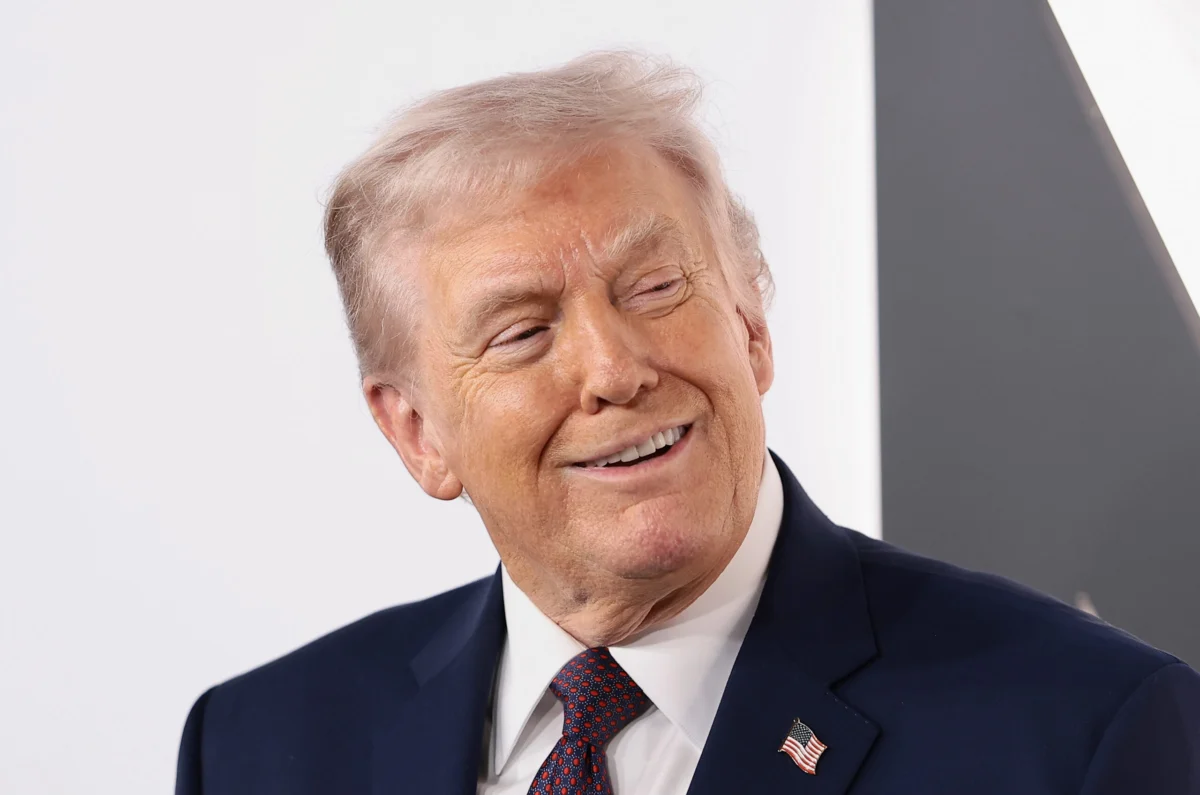
In an unprecedented escalation of tensions between the White House and the Holy See, President Donald J. Trump has launched a multifaceted verbal offensive against Pope Leo XIV. The confrontation, which played out across social media and in impromptu press briefings over the weekend of April 12, 2026, marks a historic low in diplomatic relations between the United States and the Vatican. The dispute centers on the Pope’s vocal opposition to the ongoing military conflict in Iran and the President’s use of stylized war footage for political messaging.
The conflict reached a boiling point following a high-profile segment on CBS’s 60 Minutes, during which three prominent Catholic cardinals criticized the administration’s conduct. The President’s response, characterized by a series of lengthy Truth Social posts and the sharing of controversial AI-generated imagery, has sparked a national debate regarding the intersection of religious authority, military ethics, and executive power.
The Catalyst: 60 Minutes and the Cardinals’ Critique
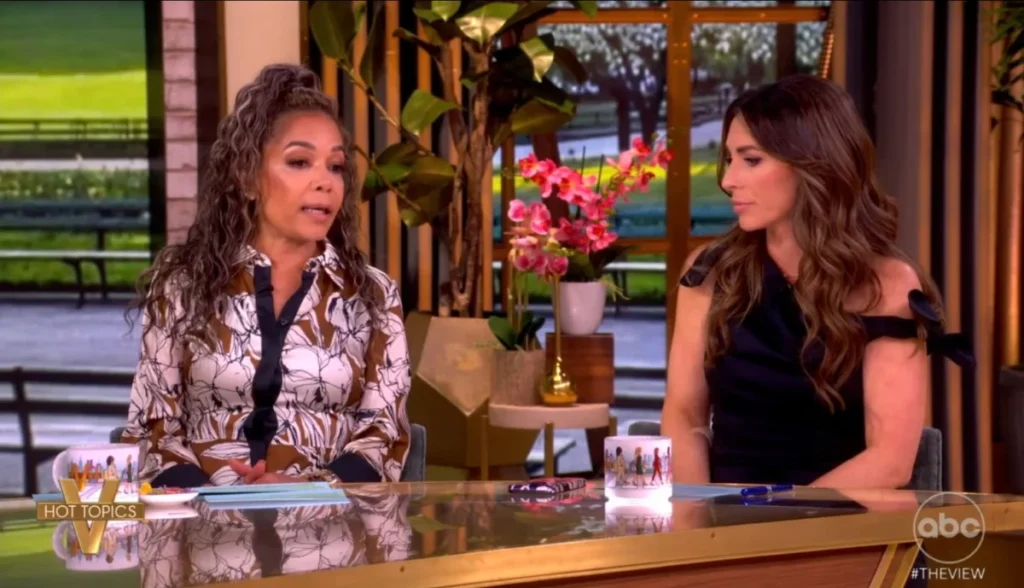
The immediate spark for the President’s ire was a Sunday evening broadcast of 60 Minutes. The segment featured Cardinal Blase Cupich of Chicago, alongside two other senior members of the American Catholic clergy, who voiced their profound "moral distress" over the administration’s handling of the Iranian theater. Cardinal Cupich specifically targeted the President’s social media strategy, which has frequently involved the dissemination of high-production-value videos depicting military strikes.
"We are dehumanizing the victims of war by turning the suffering of people and the killing of children and our own soldiers into entertainment," Cardinal Cupich stated during the interview. He described the President’s practice of splicing cinematic movie clips with actual combat footage of bombings as "sickening." The Cardinal added, "This is not who we are. We’re better than this. To target people for the purposes of entertainment is a violation of the basic dignity of the human person."
The Cardinals’ appearance followed a formal denunciation of the war by Pope Leo XIV, who was elected to the papacy in a surprise conclave that saw an American elevated to the Chair of Saint Peter for the first time in history. Pope Leo’s recent encyclical on modern warfare had already created friction with the White House, but his specific condemnation of the Iranian campaign—which the administration has framed as a necessary preventative measure against nuclear proliferation—proved to be the breaking point.
The President’s Rebuttal: Truth Social and "Weakness"
President Trump responded to the 60 Minutes segment with a series of posts on Truth Social, directly attacking the Pope’s character and policy positions. In a lengthy statement, the President labeled Pope Leo XIV as "WEAK on Crime" and "terrible for Foreign Policy."
The President sought to contrast the Pope’s current concerns about the administration with the Catholic Church’s experience during the COVID-19 pandemic. "He talks about ‘fear’ of the Trump Administration, but doesn’t mention the FEAR that the Catholic Church, and all other Christian Organizations, had during COVID when they were arresting priests, ministers, and everybody else, for holding Church Services," the President wrote. He claimed that religious leaders were targeted even when observing social distancing protocols, a grievance he has frequently revisited to shore up support among his religious base.
In a move that surprised many Vatican observers, the President also introduced a personal, familial dynamic to the feud. He referenced the Pope’s brother, Louis, whom he described as "all MAGA." Trump wrote, "I like his brother Louis much better than I like him, because Louis gets it, and Leo doesn’t!" This public attempt to drive a wedge between the Pontiff and his family is viewed by diplomats as a significant departure from traditional international protocol.
Geopolitical Disputes: Iran, Venezuela, and Nuclear Weapons
Beyond the personal attacks, the President’s rhetoric highlighted deep-seated policy disagreements between the U.S. and the Vatican. Trump specifically cited the Pope’s stance on Iran and the administration’s recent military actions in South America.
"I don’t want a Pope who thinks it’s OK for Iran to have a Nuclear Weapon," the President asserted. This statement appears to be a response to the Pope’s call for a return to multilateral diplomacy and a ceasefire agreement, which the administration has characterized as a form of appeasement. The President further defended his administration’s military intervention in Venezuela, a move the Vatican has criticized on humanitarian grounds.
According to the President, the Venezuelan operation was a necessary response to a country that was "sending massive amounts of Drugs into the United States and, even worse, emptying their prisons, including murderers, drug dealers, and killers, into our Country." Trump argued that his actions were a fulfillment of his electoral mandate, claiming he was elected "IN A LANDSLIDE" to address these specific security concerns.
Chronology of the Escalation
To understand the current state of animosity, a timeline of the events leading up to this weekend is essential:
- January 29, 2026: President Trump attends the world premiere of the documentary Melania at the Trump Kennedy Center. At this stage, relations with the Vatican are strained but professional.
- March 2026: The U.S. intensifies its air campaign in Iran. Pope Leo XIV issues a statement calling for an immediate cessation of hostilities, citing the "unbearable toll on civilian populations."
- April 10, 2026: Media figures, including Bill Maher, begin publicly slamming the President over the Iran ceasefire agreement (or lack thereof), highlighting the growing domestic and international pressure.
- April 12, 2026 (Evening): 60 Minutes airs the interview with Cardinal Cupich and other cardinals.
- April 12, 2026 (Late Night): President Trump begins his "Truth Social" tirade against Pope Leo XIV.
- April 13, 2026 (Morning): The President posts an AI-generated image depicting himself as a Christ-like figure performing a miracle.
- April 13, 2026 (Evening): Speaking to reporters outside Air Force One, the President reiterates his stance, calling the Pope "a very liberal person" who "doesn’t believe in stopping crime."
Analysis of the AI Imagery and Religious Symbolism
One of the more controversial aspects of the President’s weekend communications was the sharing of an AI-generated photograph. The image portrays President Trump as Jesus Christ, seemingly performing a miracle on a sick man. This visual metaphor has been interpreted by critics as sacrilegious, while some of his most ardent supporters see it as a symbolic representation of his role as a "savior" of the American people.
The use of such imagery, combined with the attack on the Pope, suggests a strategy of bypassing traditional religious hierarchies to appeal directly to the "faith-based" populist movement. By positioning himself as more aligned with "common sense" and "MAGA" values than the Pope himself, Trump is attempting to redefine the moral authority of the American presidency in relation to the global church.
Official Responses and Broader Implications
The Vatican has not yet issued a formal response to the President’s latest comments, though sources close to the Holy See suggest that a "diplomatic note of concern" is being prepared. David Axelrod, whom the President labeled a "LOSER from the Left" for his alleged influence on the Pope, dismissed the attacks as "distractions from a failing foreign policy."
The implications of this rift are significant. The United States has a Catholic population of approximately 70 million, and the President’s direct assault on the Pope could potentially alienate a key demographic ahead of the mid-term elections. However, polling data suggests that the American Catholic vote remains deeply divided along ideological lines, with many traditionalist Catholics expressing their own frustrations with Pope Leo XIV’s more progressive stances on social and environmental issues.
Furthermore, the President’s claim that Pope Leo was only elected because he was an American intended to "deal with" the Trump administration has raised eyebrows in theological circles. "The suggestion that the Holy Spirit’s guidance in a Conclave was merely a political maneuver to counter a specific U.S. President is a claim that will likely resonate poorly with the global Catholic community," said Dr. Elena Rossi, a professor of Vatican Studies.
Conclusion: A Precarious Diplomatic Future
As the war in Iran continues and the administration maintains its aggressive posture toward Venezuela, the moral and ethical critiques from the Vatican are unlikely to cease. President Trump’s decision to engage in a public "meltdown"—as described by some political analysts—signals a new era of "confrontational diplomacy" where even the most sacred of international institutions are not immune to the President’s social media broadsides.
The coming weeks will determine whether this is a temporary flare-up or the beginning of a permanent schism between the White House and the Vatican. For now, the President remains steadfast in his rhetoric, insisting that the Pope "should get his act together… and focus on being a Great Pope, not a Politician." Whether the Pope will respond with silence or a renewed call for peace remains the central question on the world stage.