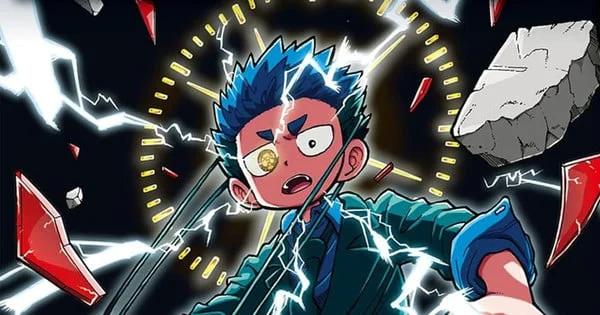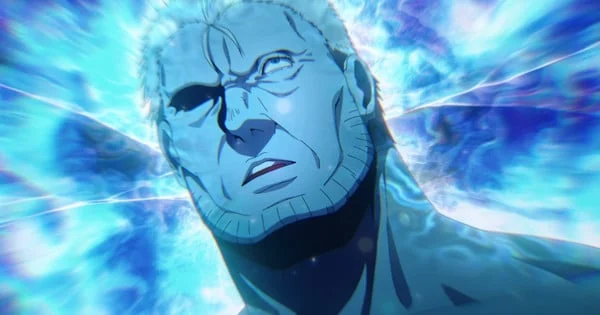
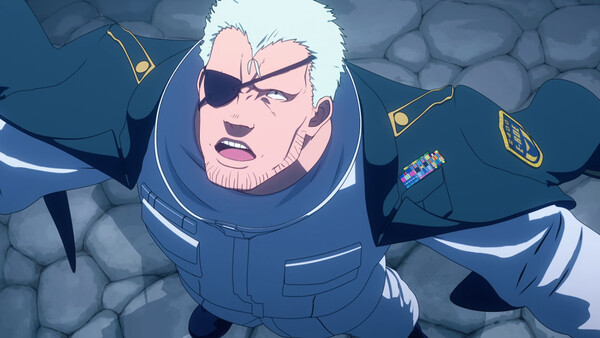
The latest installment of the anime series Snowball Earth, episode six, plunges viewers into a narrative that, while attempting to advance the central conflict, is largely overshadowed by the bewildering motivations and questionable execution of its primary antagonist, Sagami. The episode’s plot hinges on Sagami, a seemingly formidable figure who commands an organization dedicated to taming and deploying monstrous creatures known as kaiju, revealing a backstory that is as perplexing as it is underwhelming. The core of his villainy, as presented, stems from a profound jealousy directed at a child, a plot point that strains credulity and undermines the gravity of the unfolding post-apocalyptic scenario.
The Genesis of a Childish Grudge
Sagami, a character initially positioned as a significant threat, is revealed to have amassed followers and orchestrated a complex network of operations primarily due to an adult man’s envy of a young individual. This revelation challenges the established narrative of a world grappling with the aftermath of kaiju attacks, where survival and rebuilding should be paramount. The episode posits that Sagami, despite his past accolades as a "war hero" for his contributions in fending off kaiju prior to the widespread devastation, finds his status and perceived heroism diminished by the emergence of a younger, more prominent savior figure. This perceived slight becomes the catalyst for his elaborate scheme, a motive that many viewers and critics have found to be remarkably infantile and disproportionate to the destructive path he has embarked upon.
The narrative’s attempt to justify Sagami’s actions by framing them as a twisted form of mentorship is particularly jarring. Instead of accepting his diminished role, Sagami establishes an organization with the explicit purpose of training other children to become saviors, a paradoxical endeavor that seems designed to spite the original child savior. This "If I can’t be the savior, then no one will be" mentality, amplified by a declaration of revenge against those who overshadow him, contributes to the episode’s overall tone of absurdity. The visual representation of Sagami’s organization, which includes a "goofy mascot-looking character," further exacerbates this feeling, drawing comparisons to a comedic troupe rather than a serious threat, thus reducing the perceived stakes of the conflict.
A Tactical Retreat and Strategic Blunders
The episode culminates in a confrontation where Sagami, leading his kaiju-taming syndicate, corners the protagonists: Tetsuo, Yukio, and Hagane. Their objective is clear: to eliminate Tetsuo and initiate a full-scale assault on the surviving population centers, specifically targeting "survivors’ malls." However, in a plot turn that has been widely criticized for its narrative contrivance, Sagami’s own squad members inexplicably decide to withdraw, allowing Tetsuo and his companions to escape. This decision, made with only six episodes remaining in the series, appears to be a manufactured plot device to prolong the conflict and maintain the status quo, rather than a logical consequence of the unfolding events.
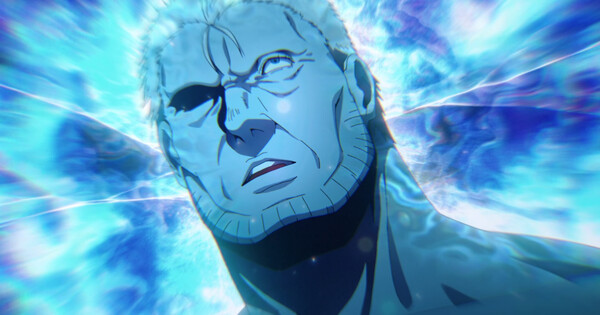
Sagami’s declaration of infallibility, "I never make mistakes," immediately following this significant tactical failure, serves as a prime example of the character’s hubris and the narrative’s reliance on irony. This statement, juxtaposed with his evident miscalculation, suggests a future replete with further blunders, underscoring the flawed nature of his leadership and strategic acumen. The implausibility of his actions and pronouncements has led to a widespread perception that Sagami’s character, despite his destructive capabilities, operates on a level of immaturity that makes him a farcical antagonist, even within the often outlandish conventions of anime storytelling.
Visual Metaphors and Questionable Aesthetics
The visual presentation of Sagami’s character and his abilities further contributes to the episode’s surreal and often comical nature. His character design includes peculiar poses, one of which is described as resembling a "braying donkey," a visual choice that detracts from any intended gravitas. This aesthetic decision has been met with bewilderment, prompting comparisons to Federico Fellini’s allegorical film Au hasard Balthazar, a testament to the bizarre and unexpected artistic directions taken within Snowball Earth.
A particularly striking visual element involves Sagami’s hair transforming into a kaiju. This is presented as a metaphorical representation of his connection to and mastery over the kaiju he tames, suggesting a symbiotic relationship that enhances his power. However, the execution of this visual, particularly with the addition of "googly eyes" to the kaiju imagery, undermines its intended symbolic weight. The juxtaposition of a supposed symbol of immense power with a juvenile, cartoonish detail renders the moment absurd, making it difficult for audiences to engage with the scene on a serious level.
The episode also features notable issues with its computer-generated imagery (CG), a common point of contention in modern animation. While the CG elements are described as "bad," a positive note is struck regarding the animation of Sagami’s backstory, which was rendered in traditional 2D animation. This stylistic choice appears to have been more effective in conveying the character’s history and emotional context, suggesting that the reliance on CG for certain sequences may have been a detriment to the overall visual quality and narrative immersion.
Supporting Data and Broader Context
The narrative of Snowball Earth unfolds in a world ravaged by the emergence of colossal creatures, a scenario that mirrors broader anxieties surrounding global threats and existential crises. The post-apocalyptic setting, characterized by "survivors’ malls" and a fragmented society, reflects common tropes in science fiction that explore humanity’s resilience and capacity for both destruction and reconstruction in the face of overwhelming adversity. The introduction of kaiju taming as a central element adds a unique layer to this genre, shifting the focus from simple survival to the complex ethical and practical implications of controlling and weaponizing such entities.
The established lore of Snowball Earth suggests a global catastrophe where nations and their military forces were overwhelmed by the initial kaiju incursions. Sagami’s past as a "war hero" implies he was part of the organized resistance that fought these creatures. The emergence of a new generation of heroes, such as Tetsuo, signifies a shift in the power dynamics and the ongoing struggle for control. The series thus explores themes of legacy, the cyclical nature of conflict, and the unexpected emergence of heroism from different strata of society.
The economic and social implications of a world populated by kaiju are vast. The concept of "survivors’ malls" suggests a desperate attempt to maintain some semblance of normalcy and commerce within fortified enclaves, highlighting the scarcity of resources and the pervasive threat of external dangers. The effectiveness of Sagami’s organization in "taming" kaiju, if successful, would represent a significant shift in the balance of power, potentially offering a means of defense or even offense for the surviving human population. However, Sagami’s personal vendetta and his organization’s seemingly frivolous aesthetics cast a shadow over any potential benefits, suggesting that power, even when harnessed, can be corrupted by petty motives.
Official Responses and Fan Reactions
While no direct official statements from the production studio or distributors regarding the narrative choices in episode six have been widely publicized, the prevailing sentiment among viewers and critics online has been one of confusion and disappointment regarding Sagami’s character motivations. Fan forums and social media discussions frequently highlight the perceived disconnect between Sagami’s actions and his stated reasons, with many expressing a desire for more compelling and logical villainous intent. The humor derived from the absurdity of the situation, while potentially intentional to some degree, appears to be eclipsing the intended dramatic tension.
The streaming availability of Snowball Earth on platforms like Crunchyroll allows for widespread access and engagement, fostering a global community of viewers who can share their interpretations and critiques. The consistent presence of discussions surrounding Sagami’s character arc indicates that his development, or lack thereof, is a significant talking point within the series’ fandom. The visual elements, such as the "donkey-face" and "kaiju-hair" imagery, have also become subjects of meme culture and fan art, further amplifying their impact on the audience’s perception of the show’s tone and artistic direction.
Broader Impact and Future Implications
The narrative trajectory of Snowball Earth, as evidenced by episode six, faces a critical juncture. The reliance on Sagami’s childish motivations and the contrived plot device of his subordinates’ retreat present a significant challenge to maintaining viewer investment. For the series to regain its footing and deliver a satisfying conclusion, it must either provide a more profound and convincing explanation for Sagami’s actions or pivot towards developing more compelling threats. The lingering question is whether the show can elevate its antagonist beyond a caricature and imbue the ongoing conflict with the weight and consequence befitting a post-apocalyptic narrative.
The artistic and thematic choices made in Snowball Earth, particularly in episode six, invite introspection on the nature of villainy in contemporary media. The blurring lines between serious threat and farcical antagonist, while potentially a deliberate stylistic choice, risks alienating audiences who seek narrative depth and logical consistency. The effectiveness of the series moving forward will likely depend on its ability to reconcile its ambitious premise with the execution of its character arcs and plot developments, ensuring that the grander themes of survival and heroism are not overshadowed by the peculiar whims of its central figures.
The current rating for Snowball Earth episode six, indicated by a series of empty stars, suggests a critical assessment that falls short of widespread acclaim. This ambiguity in rating could reflect a divided audience or a critical evaluation that acknowledges both strengths and weaknesses. As the series progresses through its remaining episodes, the success of Snowball Earth will hinge on its capacity to address these narrative shortcomings and deliver a conclusion that resonates with the promise of its initial premise.
Snowball Earth is currently streaming on Crunchyroll.