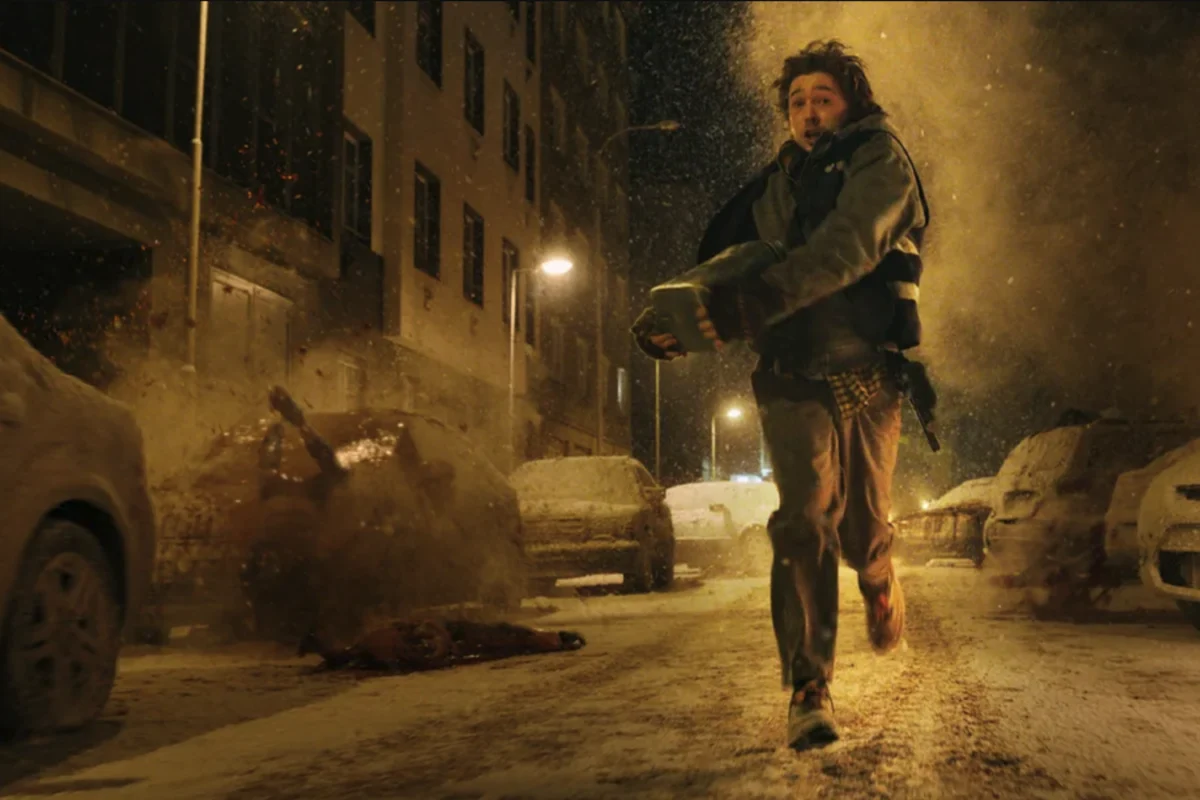
The highly anticipated reboot of the Resident Evil film franchise has offered its first glimpse with a new teaser trailer, hinting at a return to the series’ survival horror roots. Directed by Zach Cregger, known for his work on Weapons, the short clip introduces Bryan, a young man played by Austin Abrams, who finds himself in a dire situation. Breaking into an abandoned house seeking aid, Bryan’s plight is quickly overshadowed by the emergence of terrifying adversaries, seemingly a manifestation of the iconic zombies that have defined the Resident Evil universe. The teaser, while brief, effectively establishes a tone of dread and desperation, emphasizing the perilous circumstances faced by its protagonist.
Cregger, in a recent discussion with the PlayStation Blog, expressed his deep admiration for the Resident Evil video game series, particularly highlighting its foundational mechanics of resource management and survival. "What I loved about the games is this new mechanic of resource conservation," Cregger stated. "You had to be completely aware of how many bullets you had, and how many healing items you had. You’d make these tough decisions about – what am I going to carry with me? What am I going to leave behind? It was such a unique mechanic." This philosophy directly informs the cinematic approach for the new film, aiming to translate the tense, strategic gameplay into a compelling visual narrative. Cregger further elaborated on his desire to capture the essence of survival horror, noting, "And it felt for me, with all the Resident Evil games, or with most of them, some of them get a little too arcade-y for my taste, but I really like the survival horror mechanics of moving slow and with deliberation. That was something that was really important to me to bring into the movie."
The teaser trailer visually underscores this commitment to survival mechanics, depicting Bryan rummaging through the desolate house in search of any useful items. The opportune discovery of a shotgun, likely with limited ammunition, serves as a stark reminder of the scarcity of resources that players have come to expect from the Resident Evil experience. This focus on limited supplies and strategic decision-making is a cornerstone of the franchise’s enduring appeal, differentiating it from more action-oriented horror titles.
Setting the Stage: A Familiar Yet Fresh Landscape
Cregger revealed that the film is "kind of" set within the universe of Resident Evil 2, a pivotal installment in the game series known for its outbreak in Raccoon City. However, he also acknowledged making "a couple of little shifts for dramatic license," suggesting a narrative that complements rather than directly retells the game’s established plot. This approach aims to offer a fresh perspective for both long-time fans and newcomers to the Resident Evil lore.
The character of Bryan, the sole human visible in the teaser, is described by Cregger as "just a good-natured, hapless dude who gets sucked into a nightmare." This portrayal contrasts sharply with the more seasoned and capable protagonists often featured in the games, such as Leon S. Kennedy, the highly trained character from Resident Evil 2. By centering the story on an ordinary individual thrust into extraordinary circumstances, Cregger intends to amplify the sense of vulnerability and the high stakes of survival.
The director’s decision not to adapt a specific game’s storyline directly stems from a desire to avoid redundancy and potential disappointment. "To me, I would feel like there’s kind of no winning there if I were to tell Leon’s story, because the games do such a great job. It would just be kind of redundant, and ultimately, I think, disappointing," Cregger explained. Instead, the film aims to "celebrate everything I love about the games by telling the story that could exist on the sidelines of one of the games." This narrative strategy allows for creative freedom while still honoring the core elements that have made the Resident Evil franchise a global phenomenon.
A Legacy of Survival Horror: Contextualizing the Reboot
The Resident Evil franchise, first launched by Capcom in 1996, revolutionized the survival horror genre with its blend of atmospheric tension, puzzle-solving, and terrifying enemy encounters. The original PlayStation title established a template that was iterated upon and expanded in subsequent games, each building upon the lore of bio-organic weapons, corporate conspiracies, and the relentless threat of viral outbreaks. The films, beginning with Paul W.S. Anderson’s 2002 adaptation, have enjoyed commercial success but have often diverged from the games’ core survival horror tenets, leaning more towards action-packed spectacles. This new reboot, under Cregger’s direction, signals a conscious effort to reconnect with the franchise’s origins and appeal to fans who yearn for a more authentic survival horror experience.
The Resident Evil 2 game, released in 1998, is particularly lauded for its narrative depth, memorable characters, and innovative gameplay mechanics for its time, including the introduction of the "over-the-shoulder" camera perspective that would become a staple of the genre. Its setting in Raccoon City during a catastrophic zombie outbreak provided a rich backdrop for stories of survival against overwhelming odds. By drawing inspiration from this specific game, Cregger’s film is poised to tap into a wellspring of beloved lore and aesthetics.
Production and Release Timeline
The Resident Evil film, co-written by Zach Cregger and Shay Hatten, is scheduled to premiere in theaters on September 18th. The production is being managed by a team aiming to deliver a high-quality cinematic experience that respects the source material while forging its own path. Further details regarding the film’s cast and specific plot points are expected to be revealed as the release date approaches. The teaser trailer’s release marks the initial phase of a comprehensive marketing campaign designed to build anticipation and engagement among the franchise’s dedicated fanbase.
Industry Reception and Fan Anticipation
The initial reaction to the teaser trailer has been largely positive, with many fans expressing excitement about the prospect of a more faithful adaptation of the Resident Evil survival horror experience. Social media platforms have been abuzz with discussions about the trailer’s atmosphere, Cregger’s stated intentions, and the potential for a new era of Resident Evil cinema. The emphasis on resource management and deliberate pacing, as highlighted by Cregger, has resonated with long-time fans who have often felt that previous film adaptations prioritized action over the core survival horror elements that defined the games.
The Resident Evil franchise has a substantial global fanbase, with the video games alone having sold over 130 million units worldwide since their inception. This established audience, coupled with the enduring popularity of the zombie apocalypse subgenre, suggests a strong commercial potential for the new film. The success of recent reboots and adaptations of classic video game properties, such as The Last of Us on HBO, further indicates a growing appetite for high-quality, narrative-driven adaptations that respect their source material.
Analytical Implications: A Strategic Shift in Franchise Adaptation
Cregger’s strategic decision to tell a story "on the sidelines" of a known game narrative, rather than attempting a direct retelling, represents a nuanced approach to franchise adaptation. This method allows for the exploration of new character perspectives and narrative arcs without the burden of faithfully replicating established plot points that fans already know intimately. By focusing on the "survival horror mechanics" and the "tough decisions" players face, the film is positioning itself to satisfy a segment of the audience that has expressed a desire for a more grounded and tense Resident Evil cinematic experience.
The inclusion of Bryan as a "hapless dude" rather than a pre-trained survivor like Leon S. Kennedy is a deliberate choice that aims to heighten the sense of vulnerability and immediate danger. This approach can foster greater empathy from the audience, as they witness an ordinary person grappling with extraordinary and terrifying circumstances. The emphasis on resource conservation, a hallmark of the early Resident Evil games, suggests a return to the genre’s roots, where every bullet and every healing item is precious, and strategic thinking is paramount to survival. This focus could attract viewers seeking a more cerebral and suspenseful horror experience, moving away from the more action-heavy spectacles that characterized some previous Resident Evil film installments. The success of this approach could influence future adaptations of other game franchises, encouraging creators to explore innovative narrative and thematic avenues that honor the essence of the source material.
The release date of September 18th places the film in a competitive late-summer/early-fall release window. Its success will hinge on its ability to deliver on the promise of a return to survival horror, resonate with both existing fans and new audiences, and distinguish itself within the crowded horror genre. The coming months will likely see the release of further promotional materials, offering more insight into the film’s narrative and visual style, and further fueling anticipation for this significant reboot of a beloved franchise.