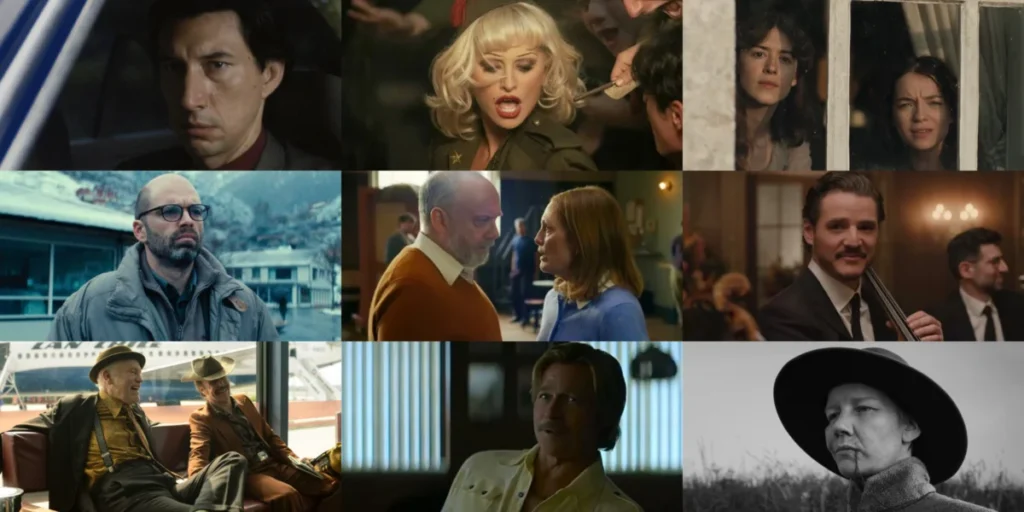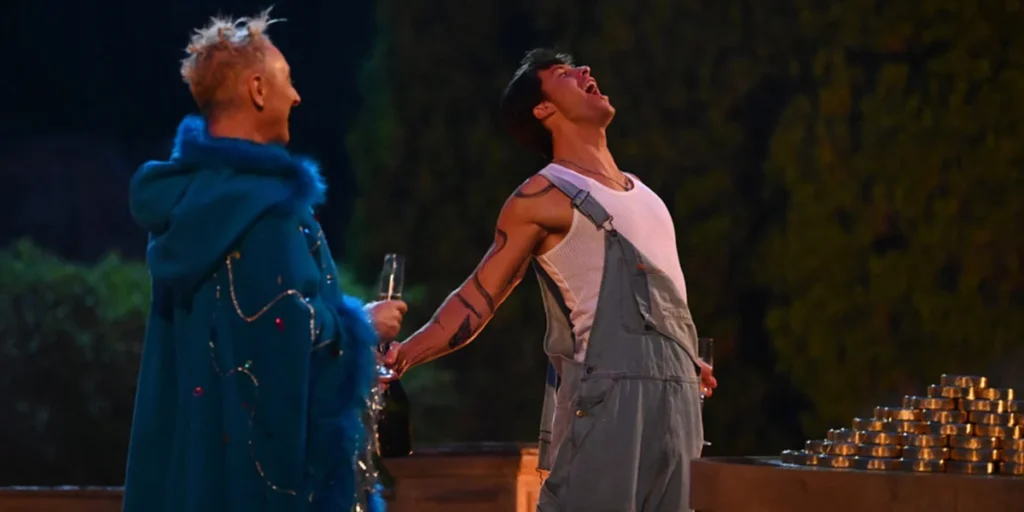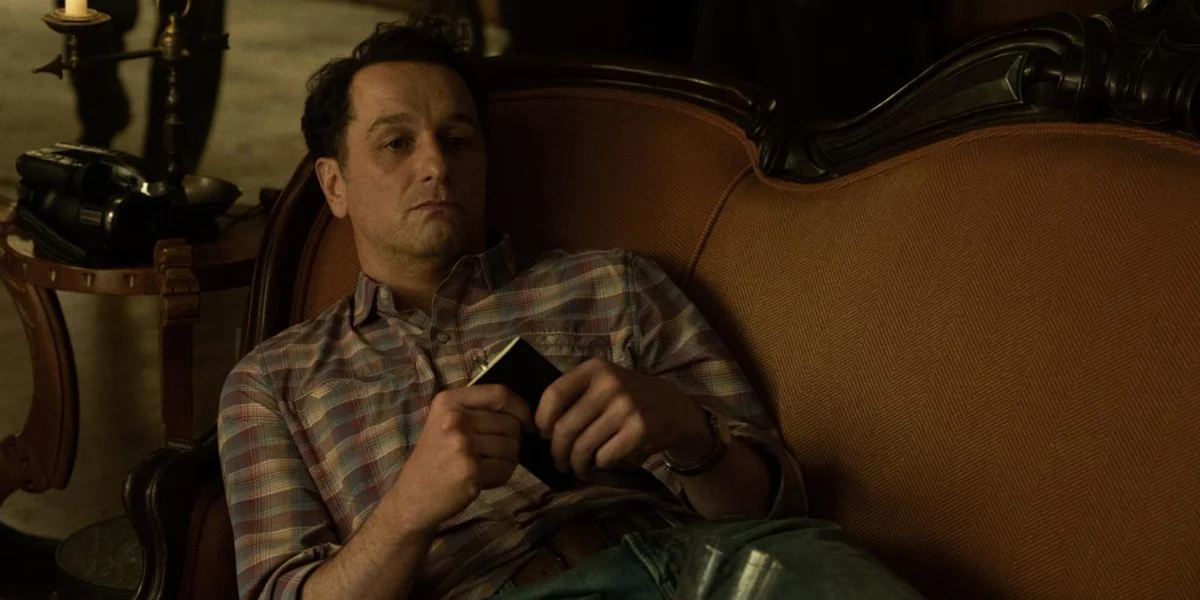
The latest installment of The Next Best Series Podcast has convened a panel of industry analysts to dissect the rapidly shifting landscape of the 2026 television awards season, focusing specifically on the recently announced Gotham TV Award nominations and their historical correlation with the Primetime Emmy Awards. Hosted by Matt Neglia, the episode features contributors Alyssa Christian, Daniel Howat, and Megan Lachinski, who provide a comprehensive breakdown of the critical reception and awards viability of several high-profile series currently populating the streaming and broadcast schedules. As the television industry moves further into the 2020s, the emergence of the Gotham TV Awards as a distinct entity from its film-focused origins has created a new, early-season benchmark for prestige programming, offering a first glimpse into which narratives are resonating with critics and peer groups.
The discussion centers on the 2026 Gotham TV Award nominations, which serve as a primary precursor for the industry’s most coveted honors. The panel explores the strategic importance of these nominations, noting that while the Gotham Awards represent a smaller, more critic-centric voting body, their selections often provide the necessary momentum for smaller, independent-style productions to gain visibility among the broader Television Academy membership. This year’s nominations have highlighted a diverse array of programming, ranging from sophomore efforts of established hits to experimental new limited series that challenge traditional episodic structures.
The Evolution of the Gotham TV Awards and Precursor Significance
The Gotham Awards, presented by the Gotham Film & Media Institute, have long been recognized as a harbinger for the Academy Awards in the film sector. However, the decision to bifurcate the television honors into a standalone ceremony reflects the increasing density and complexity of the television market. In 2026, the nominations have taken on added weight as the industry grapples with a post-strike production surge, resulting in a crowded field where critical consensus is more valuable than ever. The panel notes that for a series to succeed at the Emmys, it must first navigate the "precursor gauntlet," which includes the Gothams, the Critics Choice Real TV Awards, and various guild nominations.
Historically, the Gothams have favored "auteur-driven" television—shows that bear the distinct creative stamp of a single creator or director. This year is no exception, with the nominations leaning heavily toward psychological dramas and sociopolitical satires. The podcast participants analyze how these early nods can validate a network’s marketing spend, particularly for streaming services like Netflix, Apple TV+, and HBO/Max, which utilize these nominations to anchor their "For Your Consideration" (FYC) campaigns during the summer months.
Critical Analysis of Contending Series: Beef, Half Man, and Bait
A significant portion of the episode is dedicated to the critical evaluation of specific series that have dominated the 2026 conversation. One of the most discussed titles is the second season of "Beef." Following the massive critical and commercial success of its debut season, which swept multiple categories at previous awards ceremonies, the second iteration faces the "sophomore slump" narrative. The panel examines whether the anthology format—introducing a new cast and conflict—successfully captures the visceral energy of the original or if it struggles to step out of the shadow of its predecessor. Data regarding viewership retention and critical aggregate scores are weighed against the show’s actual awards prospects.
Another focal point is Richard Gadd’s "Half Man." Following the cultural phenomenon of "Baby Reindeer," Gadd’s latest project is described as a ferocious dissection of familial and brotherly trauma. The analysts discuss Gadd’s ability to translate deeply personal, often uncomfortable subject matter into compelling prestige television. The consensus suggests that "Half Man" is positioned as a frontrunner in the Limited Series categories, benefiting from Gadd’s established reputation for narrative bravery and the current industry trend favoring "trauma-informed" storytelling.
The discussion also touches upon "Bait," featuring Riz Ahmed. While the panel acknowledges that the series "hooks" the viewer early on, they provide a nuanced critique of its narrative longevity. Despite a strong performance from Ahmed, which is expected to garner an individual acting nomination, the analysts debate whether the series as a whole possesses the structural integrity required to sustain interest throughout the long Emmy voting window. This type of performance-versus-production analysis is central to understanding how "split tickets" occur during the awards season, where an actor may win despite their show losing in the best series category.
Mid-Season Entrants and the Return of the Medical Drama
The 2026 season has also seen a resurgence of traditional genre formats infused with modern prestige sensibilities. "The Pitt," a medical drama starring Noah Wyle, is identified as a significant contender. The panel discusses the show’s balance of high-stakes pressure and compassion, noting that it fills a vacuum left by the conclusion of long-running procedural hits. By leaning into the "Prestige Procedural" model, "The Pitt" appeals to both older Academy members who value traditional storytelling and younger critics who appreciate its contemporary social commentary.

Similarly, "Your Friends and Neighbors," starring Jon Hamm, is highlighted for its commanding lead performance. The analysts note that Hamm’s charisma remains a potent force in the industry, and the series’ improvement in its second season suggests a trajectory similar to shows that "find their footing" and eventually dominate the awards circuit. The discussion provides a timeline of Hamm’s career post-"Mad Men," illustrating how his strategic choices in television have maintained his status as an "Emmy darling."
Technical and Atmospheric Storytelling: Widow’s Bay and DTF St. Louis
Moving beyond character-driven drama, the podcast addresses the technical achievements of "Widow’s Bay" and the experimental nature of "DTF St. Louis." "Widow’s Bay" is praised for its atmospheric world-building, with the panel noting that its "worth a sip" quality stems from a unique blend of coastal noir and supernatural undertones. Such genre-bending shows often face an uphill battle with traditional awards bodies, but strong Gotham nominations can signal to Emmy voters that the craft—cinematography, sound design, and art direction—is of a high enough caliber to warrant serious consideration.
"DTF St. Louis" represents the more avant-garde side of the 2026 television slate. The panel discusses how regional storytelling is becoming a more prominent trend, with creators moving away from the coastal hubs of New York and Los Angeles to explore the idiosyncrasies of the American Midwest. This shift in setting provides a fresh aesthetic that often captures the attention of critics looking for "the next big thing" in a sea of homogenous content.
The Emmy Prediction Methodology and Industry Implications
The core of the episode revolves around the current Emmy predictions as of mid-2026. The Next Best Series team utilizes a methodology that combines historical data, industry buzz, and narrative momentum. They explain that Emmy voting is often as much about "the narrative of the win" as it is about the quality of the work. For instance, a veteran actor who has been overlooked for years may have a stronger "narrative" than a newcomer in a technically superior show.
The panel notes several key factors influencing this year’s predictions:
- The Streaming Saturation Point: With an overwhelming number of platforms, the "discovery" phase of a show is crucial. Shows that fail to generate social media conversation or critical "think pieces" early in their run often struggle to regain ground during the voting period.
- The "Prestige" Fatigue: There is a noted trend toward shows that offer emotional catharsis or intellectual stimulation over pure spectacle. This favors dramas like "Half Man" and "The Pitt."
- Institutional Loyalty: The Television Academy often rewards consistency. Networks like HBO and FX continue to benefit from their reputation for quality, often securing nominations for shows that might be overlooked if they were on lesser-known platforms.
Broader Impact on the Television Landscape
The analysis provided by the podcast highlights a broader shift in the television industry. The 2026 season is characterized by a "return to form" for many networks after the disruptions of previous years. The focus on the Gotham TV Awards as a precursor highlights the growing influence of independent and international co-productions in the American awards ecosystem.
Furthermore, the discussion regarding the full version of the podcast being available on Patreon reflects the changing economics of media criticism. As traditional outlets scale back their long-form arts coverage, independent platforms like Next Best Picture and the Evergreen Podcasts Network have become essential hubs for deep-dive analysis. This democratization of criticism allows for a more granular look at the industry, moving beyond simple reviews to provide listeners with an understanding of the mechanical and political underpinnings of Hollywood’s awards seasons.
As the 2026 Emmy race continues to evolve, the insights provided by Matt Neglia and his team serve as a roadmap for both industry insiders and casual viewers. The transition from the Gotham nominations to the Emmy shortlists will be a period of intense campaigning and shifting critical tides. The Next Best Series Podcast remains a primary source for tracking these movements, offering a factual and detailed look at the shows that define the current era of television excellence. By synthesizing critical reception, industry trends, and historical data, the panel provides a comprehensive overview of a medium that remains the primary vehicle for contemporary cultural storytelling.