The latest installments of the anime series MAO have ignited considerable discussion among fans and critics alike, with recent episodes garnering strong community reception and demonstrating a significant acceleration in narrative momentum. Episode 5, while noted for its unique comedic elements and protagonist Nanoka’s diligent research into the historical period, was largely perceived as a prelude to the dramatic developments that unfolded in episode 6. The latter episode, in particular, has been lauded for its surprising narrative pacing and the introduction of pivotal characters and plot revelations, drawing comparisons to the established storytelling prowess of creator Rumiko Takahashi.
Episode 5: A Foundation of Humor and Historical Inquiry
Episode 5 of MAO presented viewers with a distinct blend of the bizarre and the studious. The introduction of "flea nun monsters" offered a moment of distinct, albeit dark, humor, showcasing the series’ capacity for creative monster design. Simultaneously, protagonist Nanoka’s proactive engagement with historical research was highlighted, demonstrating her commitment to understanding the temporal complexities she faces. This aspect of the episode suggests a more character-driven approach to the time-travel elements, moving beyond mere plot devices to integrate Nanoka’s intellectual curiosity into the unfolding narrative. While the episode received a respectable community score of 4.1 out of 5, its impact was undeniably tempered by the subsequent episode’s more substantial revelations.
Episode 6: A Narrative U-Turn and the Unveiling of Byoki
Episode 6, in stark contrast to its predecessor, delivered a surge of narrative intensity, earning a community score of 4.3 out of 5. This episode marked the long-awaited introduction of the Byoki, a powerful entity with deep ties to the series’ central mystery, and began to unravel the truth behind the traumatic events that led to Nanoka losing her parents. The pacing of episode 6 has been a significant talking point, with many observers noting how rapidly the series is progressing through key plot points, a departure from the more deliberate pacing often seen in Rumiko Takahashi’s earlier works.
Rumiko Takahashi, renowned for her extensive manga catalog including the globally acclaimed Ranma ½, is known for her strategic use of fast-paced openings to capture audience attention. However, her narratives often allow for a more leisurely exploration of character and plot once the initial hook has been established. The accelerated development in MAO‘s sixth episode stands out as a deliberate stylistic choice, one that has caught many viewers by surprise and generated considerable excitement. This rapid progression suggests a narrative designed for immediate impact and sustained engagement, a departure that has been met with overwhelmingly positive reactions.
Character Introductions and Voice Acting Acclaim
The introduction of the Byoki was further enhanced by the casting of Takashi Matsuyama in the role. Matsuyama’s deep, gravelly voice was immediately embraced by the audience, with many expressing their satisfaction with his performance. The character’s presence, coupled with the narrative’s swift movement, contributes to a sense of urgency and escalating stakes within the series.
The temporal mechanics of MAO were also explored more deeply in episode 6. The inconsistent and seemingly inconvenient passage of time between different "worlds" was highlighted. This element serves not only to propel the narrative forward at a brisker pace but also imbues the time travel aspect with a sense of genuine depth and mystery, hinting at future complexities to be uncovered.
The Byoki Confrontation and Echoes of Legacy
A significant portion of episode 6 was dedicated to an intense confrontation involving Byoki, Nanoka, and the titular character, MAO. The visual design of the Byoki in its full demonic form has drawn frequent comparisons to the iconic "full demon mode" of Inuyasha, another of Takahashi’s celebrated creations. This visual parallel, while a testament to Takahashi’s consistent aesthetic, also underscores the thematic explorations of power and lineage that run through her work.
The fight sequence was characterized by Takahashi’s signature flair for dramatic tension. The revelation that present-day Nanoka could also serve as a vessel for the Byoki introduces a profound personal stake in the conflict. Furthermore, the Byoki’s assertion that there is more to his history with MAO than even MAO himself comprehends adds a significant layer of intrigue. The Byoki’s millennium-long brooding and obsession over past events suggest a narrative arc of immense historical weight, with the potential for further revelations about the foundations of their conflict.
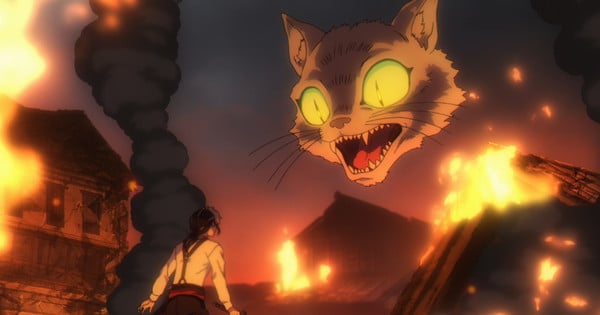
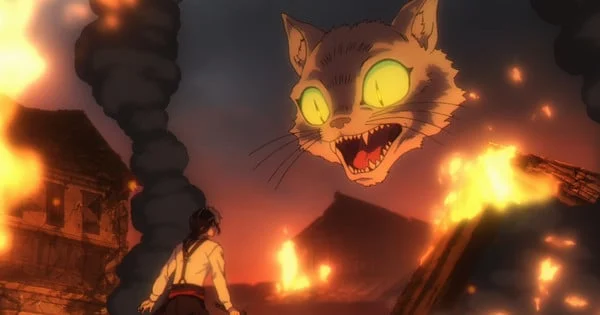
The dramatic escalation of the episode was further amplified by the inclusion of the Great Kanto Earthquake as a backdrop, creating a chaotic and perilous environment. The presence of a younger Nanoka during this catastrophic event significantly raises the emotional stakes, placing the protagonist in an unimaginably dire situation. This confluence of personal trauma, supernatural conflict, and historical disaster has left viewers on the edge of their seats, eagerly anticipating the series’ next developments.
Community Reception and Series Trajectory
The community scores for episodes 5 (4.1) and 6 (4.3) reflect a positive reception, with a notable increase in engagement and satisfaction for the latter. This upward trend suggests that MAO is successfully building upon its foundational elements and delivering on the promise of its premise. The series is increasingly being recognized for its ability to balance engaging character development with high-stakes plot progression.
The rapid unfolding of the central mystery, combined with the kinetic energy of the recent episodes, has positioned MAO as a standout contender within the current anime season. Despite competing with a high caliber of other series, MAO has managed to carve out a significant niche, captivating its audience and building considerable anticipation for future installments. The series’ ability to consistently deliver compelling narrative beats and introduce complex characters indicates a strong trajectory towards a potentially defining conclusion.
Thematic Resonance and Creator’s Influence
The narrative choices in MAO, particularly the accelerated pacing of episode 6, invite a deeper analysis of Rumiko Takahashi’s evolving storytelling techniques. While her earlier works often explored long-form character arcs and comedic detours, the contemporary approach in MAO suggests a deliberate focus on maintaining a relentless narrative drive. This shift may be indicative of a desire to cater to modern audience expectations for immediate gratification and continuous plot advancement.
The thematic exploration of inherited trauma, cyclical conflict, and the blurred lines between good and evil are hallmarks of Takahashi’s oeuvre. In MAO, these themes are being presented with a newfound urgency. The Byoki’s ancient grievances and Nanoka’s potential role as a conduit for these forces create a compelling dynamic that is both deeply personal and cosmically significant. The series’ success in weaving these complex elements into a coherent and engaging narrative is a testament to Takahashi’s enduring skill as a storyteller.
Future Outlook and Audience Engagement
The current momentum of MAO suggests a promising future for the series. The established mystery surrounding Nanoka’s past and the burgeoning conflict with the Byoki provide ample material for continued narrative exploration. The series’ ability to generate strong community scores and generate widespread discussion indicates a dedicated and invested fanbase.
The streaming availability of MAO on Hulu ensures accessibility for a broad audience, further contributing to its growing popularity. As the series progresses, viewers are likely to remain engaged by the consistent delivery of action, emotional depth, and the ongoing unraveling of its central enigmas. The combination of a compelling plot, well-developed characters, and the directorial vision of a seasoned creator positions MAO as a series to watch in the evolving landscape of anime.
MAO is currently streaming on Hulu.