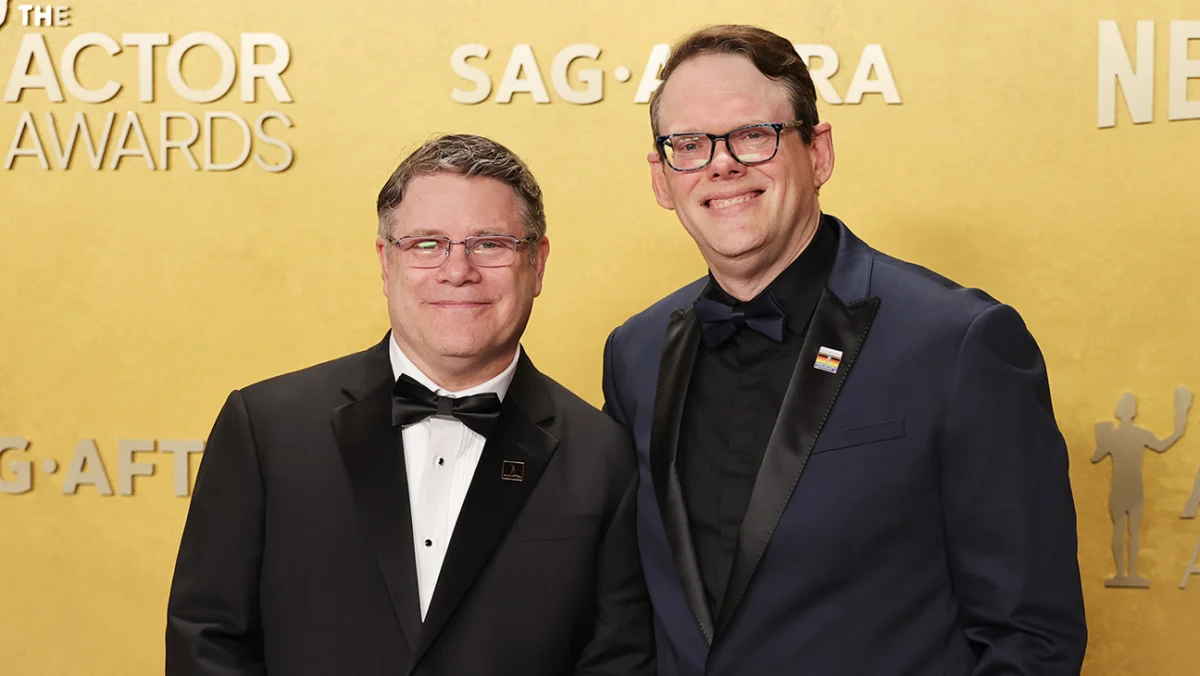
In a significant departure from the contentious atmosphere that defined the 2023 entertainment industry strikes, SAG-AFTRA leadership has finalized a transformative four-year contract with the Alliance of Motion Picture and Television Producers (AMPTP). Speaking from a vantage point in 2026, SAG-AFTRA National Executive Director and Chief Negotiator Duncan Crabtree-Ireland and President Sean Astin have detailed an agreement that prioritizes long-term structural stability over the short-term brinksmanship of previous cycles. The deal is characterized by two primary pillars: the long-awaited merger of the SAG and AFTRA pension and retirement plans and a robust, evolving framework for protections against artificial intelligence. By leveraging the studios’ desire for a longer contract term, the union has secured concessions that were previously considered unreachable, signaling a profound shift in how labor and management interact in the streaming era.
The Strategic Pivot to a Four-Year Contract Term
For decades, the standard duration for Hollywood labor contracts has been three years. However, the 2026 negotiations saw SAG-AFTRA agree to a four-year term, a move that followed a similar precedent set by the Writers Guild of America (WGA). While critics initially questioned whether a longer term would leave actors vulnerable to the rapid pace of technological change, Crabtree-Ireland asserts that the extension was a calculated trade-off. The studios, represented by the AMPTP, were eager for a period of uninterrupted production to stabilize their balance sheets following the volatility of the mid-2020s.
According to the union’s leadership, the four-year term was not a concession but a bargaining chip. By entertaining the companies’ need for stability, the negotiating committee was able to extract significant financial commitments to the pension funds and more sophisticated AI safeguards. Sean Astin, who succeeded Fran Drescher as president, emphasized that this move does not establish a permanent "pattern" for the future but was a specific response to the current economic landscape. The union’s decision to go first in the 2026 bargaining cycle allowed it to set the tone for the industry, moving away from the "crisis-to-crisis" model of labor relations.
Landmark Protections Against Synthetic Performances
Artificial Intelligence remains the most existential threat to the acting profession, and the 2026 contract builds substantially upon the foundations laid during the 118-day strike of 2023. The new agreement introduces a specific "statement of principles" that officially embraces human performance as the primary driver of the industry.
The centerpiece of these protections is the "Significant Additional Value" clause. Under the new terms, major studios and streamers are prohibited from using synthetic technology unless they can demonstrate that the use of a synthetic performer provides value that cannot be achieved through a human actor or even a digital replica of a human actor. This creates a high evidentiary bar for productions, effectively limiting the use of generative AI to highly specialized or experimental circumstances rather than as a cost-cutting replacement for background actors or voice-over talent.
Crabtree-Ireland noted that while "digital replication"—the use of an actor’s likeness—is already strictly regulated, the new language regarding "synthetics" (entirely AI-generated characters) is unprecedented. The contract ensures that as AI technology evolves over the next four years, the union maintains a contractual foothold to challenge deployments that threaten the livelihood of its members.
Resolving a Fourteen-Year Disconnect: The Pension Merger
Perhaps the most significant internal victory for SAG-AFTRA is the agreement to merge the SAG Pension Plan and the AFTRA Retirement Fund. Although the two unions merged into a single entity in 2012, their benefit plans remained separate for over a decade, creating a "split earnings" problem that penalized members who worked across both jurisdictions.
Union data revealed that in the year preceding the 2026 negotiations alone, nearly 1,000 members failed to qualify for a pension credit because their annual earnings were divided between the two plans. By consolidating these into a single retirement program, the union has ensured that all earnings under SAG-AFTRA contracts count toward a single vesting goal.
The merger process, described by Astin as the "fulfillment of a long-term promise," involves substantial additional contributions from the studios to ensure the financial solvency of the unified plan. While the merger of these funds has historically been a point of contention and legal complexity, the 2026 deal provides a clear, contractually mandated pathway and an effective date for the transition. This move is expected to improve administrative efficiency and provide greater long-term security for the union’s 160,000 members.
The Chronology of Hollywood Labor: 2023–2026
To understand the weight of the 2026 agreement, one must look at the timeline of events that reshaped the industry:
- July–November 2023: SAG-AFTRA engages in a historic 118-day strike. The primary issues are streaming residuals and the first-ever regulations on AI.
- 2024–2025: The industry undergoes a "correction." Production volume slows as streamers focus on profitability over subscriber growth. The "Hessinger Era" begins at the AMPTP as Greg Hessinger takes over leadership, bringing a more collaborative tone to the table.
- Early 2026: SAG-AFTRA enters negotiations months ahead of the contract expiration. Leadership decides to prioritize a "grown-up" approach to bargaining, focusing on long-term structural gains rather than public theater.
- Spring 2026: The announcement of the four-year deal. The contract includes 56 major areas of improvement, ranging from residuals to safety protocols and the pension merger.
Leadership Dynamics and the "Hessinger Effect"
A pivotal factor in the success of the 2026 talks was the relationship between union leadership and AMPTP President Greg Hessinger. Having previously served in leadership roles within both SAG and AFTRA, Hessinger brought a unique perspective to the opposing side of the table. Duncan Crabtree-Ireland, who worked with Hessinger during his union years, noted that while Hessinger remained a "tough negotiator," his deep understanding of member concerns helped reset a relationship that had become toxic during the 2023 cycle.
Sean Astin reinforced this sentiment, stating that Hessinger helped remove the "upset" associated with the bargaining process. This shift allowed the parties to focus on "building a long-term relationship and finding ways to meet each other’s needs without harming our own constituencies." This new atmosphere of mutual respect is seen by industry analysts as a stabilizing force for a Hollywood that is still navigating the transition from traditional cable to a fragmented streaming and AI-driven future.
Residuals and Remaining Challenges
Despite the successes of the 2026 deal, union leadership remains candid about the work that lies ahead. Residuals, particularly in the realm of global streaming, continue to be a complex issue. While the new contract includes what Astin calls an "important leap forward" in how actors share in the financial life of their work, the union has not yet achieved a total overhaul of the streaming residual model to match the transparency and payout levels of the old broadcast era.
Astin acknowledged that he maintains a "laundry list of a thousand things" for future negotiations. The union’s "Wages and Working Conditions" (W&W) process will continue to monitor how the streaming market evolves under this four-year term. Furthermore, as AI capabilities are expected to double or triple in complexity by 2030, the union will likely need to revisit the "Significant Additional Value" definitions in the next cycle.
Broader Implications for the Entertainment Industry
The 2026 SAG-AFTRA agreement is more than just a labor contract; it is a blueprint for the "New Hollywood." By securing a four-year window of peace, the industry has sent a signal to Wall Street and global investors that the era of labor-induced production shutdowns may be over for the foreseeable future.
For the members of SAG-AFTRA, the deal represents a shift from defense to offense. The 2023 strike was about survival; the 2026 contract is about sustainability. The merger of the pension plans provides a safety net that reflects the reality of the modern performer’s career, while the AI protections ensure that technology serves as a tool for creators rather than a replacement for them.
As the industry moves forward, the success of this agreement will be measured by its implementation. The "grown-up" way of bargaining advocated by Astin and Crabtree-Ireland suggests that Hollywood has finally learned that stability and fairness are not mutually exclusive. With a unified pension fund and a firm stance on human performance, SAG-AFTRA has positioned its members to navigate the technological and economic shifts of the late 2020s with a level of security that seemed impossible only three years ago.