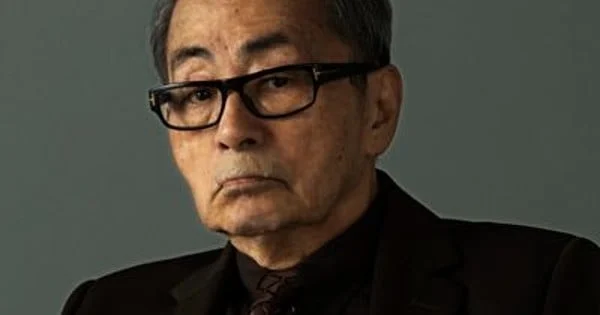
Renowned Japanese musician and composer Yuji Ohno, celebrated globally for crafting the unforgettable jazz-infused soundtrack to the beloved Lupin III anime franchise, passed away peacefully on May 4th, 2026. He was 84. His official website, in an announcement made on Wednesday, May 13th, confirmed the news, stating that Ohno succumbed to natural causes after retiring for the night, with no prior indication of declining health. His production company, Office Augusta, corroborated the statement, emphasizing the serene nature of his departure.
Ohno’s musical legacy is inextricably linked to the adventures of Arsène Lupin III, the charismatic gentleman thief. His iconic opening theme for the Lupin III anime, a vibrant and sophisticated jazz composition, has become synonymous with the series, undergoing numerous arrangements by Ohno himself across its extensive run of television series, films, and specials. His pioneering work on the franchise began in 1977 with Lupin III: Part II, the second television anime adaptation, immediately establishing a distinctive musical identity that has endured for nearly five decades. Beyond the studio, Ohno frequently brought the magic of the Lupin III universe to life through live performances, leading his jazz ensemble, Yuji Ohno & Lupintic Five, later known as Yuji Ohno & Lupintic Six, in concerts that captivated audiences worldwide.
A Life Dedicated to Jazz and Musical Innovation
Yuji Ohno’s journey into the world of music began in his early childhood, a path that would ultimately lead him to become a titan of instrumental jazz and anime scoring. He first took to the piano at a young age, displaying an innate talent that would blossom throughout his formative years. His passion for jazz ignited during his high school education, where he began to teach himself the intricacies of the genre. This self-driven exploration laid the foundation for his future success.
During his university years at Keio University, Ohno became an active participant in the institution’s Light Music Society band. His musical prowess was further honed as he collaborated with clarinetist Kōji Fujika, performing as part of Fujika’s jazz quintet. This period marked a crucial stage in his development as a jazz musician, exposing him to diverse musical collaborations and solidifying his commitment to the art form.
Following his university tenure, Ohno’s career trajectory took a significant turn as he formed a notable jazz trio with the accomplished drummer Hideo Shiraki and the charismatic singer Yōzō Kayama. This collaboration, though eventually dissolving, contributed to his growing reputation within the Japanese jazz scene. Upon the trio’s disbandment, Ohno pivoted his focus towards composition, a decision that would prove to be profoundly impactful for the broader entertainment landscape.
Beyond Lupin III: A Diverse and Enduring Discography
While the Lupin III franchise stands as his most recognized achievement, Yuji Ohno’s compositional talents extended far beyond this singular work. His early foray into film scoring in 1977 saw him contribute to two critically acclaimed Japanese films: Kon Ichikawa’s enigmatic mystery The Inugami Family and Junya Satō’s dramatic Proof of the Man. These projects showcased his versatility and ability to evoke distinct moods and atmospheres through his music.
In 1978, Ohno composed the score for the film Yasei no Shōmei. The film’s theme song, "Senshi no Kyōsoku," later achieved an unexpected afterlife when it was covered by the esteemed voice actor Sōichirō Hoshi, serving as one of the poignant ending themes for the anime series Heaven’s Lost Property. This instance highlights the interconnectedness of various creative realms and the enduring impact of Ohno’s compositions.
Ohno’s contributions to anime music are extensive and varied, demonstrating a remarkable ability to adapt his jazz sensibilities to different genres and narratives. His score for the science fiction series Captain Future included the memorable insert song "Oira wa Sabishii Spaceman." This track, known for its whimsical charm, would later be revisited and covered by singer Minori Chihara for the anime Cat Planet Cuties, underscoring the timeless appeal of Ohno’s melodies.

His prolific output also encompasses the soundtracks for:
- Andromeda Stories (1987): A science fiction anime film that likely benefited from Ohno’s ability to craft expansive and adventurous soundscapes.
- Undersea Super Train: Marine Express (1979): A science fiction anime film, suggesting a foray into more fantastical and suspenseful musical territories.
- A Time Slip of 10000 Years: Prime Rose (1980): Another anime film, indicating a continued presence in the animated feature film landscape.
- Daicon films (1981-1983): Ohno contributed music to the iconic Daicon films, early works by the team that would eventually form the groundbreaking studio Gainax. These films, known for their experimental and avant-garde nature, likely provided a unique canvas for Ohno’s creative expression.
- Space Adventure Cobra (1982): The theme music for this popular anime series further cemented Ohno’s reputation as a master of creating energetic and captivating opening themes.
A Timeline of Musical Milestones
Yuji Ohno’s illustrious career can be traced through a series of significant milestones:
- Early Childhood: Begins piano practice, laying the foundation for his musical journey.
- High School: Develops a passion for jazz and begins self-teaching the genre.
- University Years (Keio University): Joins the Light Music Society and performs with Kōji Fujika’s jazz quintet.
- Formation of Jazz Trio: Collaborates with Hideo Shiraki and Yōzō Kayama, gaining recognition in the jazz scene.
- 1977: Scores Kon Ichikawa’s The Inugami Family and Junya Satō’s Proof of the Man.
- 1977: Begins his seminal work on the Lupin III franchise with Lupin III: Part II.
- 1978: Composes the score for the film Yasei no Shōmei, featuring the song "Senshi no Kyōsoku."
- 1979: Contributes to the soundtrack of Undersea Super Train: Marine Express.
- 1980: Scores the anime film A Time Slip of 10000 Years: Prime Rose.
- 1981-1983: Composes music for the Daicon films, early works by future Gainax founders.
- 1982: Creates the iconic theme music for the Space Adventure Cobra anime series.
- 1987: Composes the soundtrack for the anime film Andromeda Stories.
- Throughout the Decades: Continues to compose and arrange music for various Lupin III productions, including television series, specials, and films, often performing with his jazz ensembles.
- May 4, 2026: Passes away at the age of 84 from natural causes.
- May 13, 2026: Official announcement of his passing is made.
Reactions and Tributes: A Legacy Remembered
While specific public statements from all associated parties have not yet been released, the news of Yuji Ohno’s passing has undoubtedly sent ripples of sorrow through the anime and jazz communities. Colleagues, collaborators, and fans are expected to offer heartfelt tributes to a musician whose work has brought immeasurable joy and excitement to millions.
The enduring popularity of the Lupin III theme, a testament to Ohno’s genius, is a constant reminder of his impact. It is highly probable that many within the anime industry, including directors, producers, and fellow composers, will express their gratitude for his groundbreaking contributions. Voice actors who brought characters to life against the backdrop of his music are also likely to share their memories and appreciation.
The jazz world, too, will mourn the loss of a distinguished pianist and composer who championed the genre with passion and innovation. His performances with Yuji Ohno & Lupintic Five/Six were legendary, showcasing his exceptional improvisational skills and his ability to blend traditional jazz with contemporary sensibilities.
Broader Impact and Enduring Influence
Yuji Ohno’s passing marks the end of an era for Japanese music and animation. His distinctive musical style, characterized by its sophisticated jazz harmonies, infectious melodies, and dynamic arrangements, has left an indelible mark on the soundscape of anime. The Lupin III theme, in particular, is more than just a piece of music; it is a cultural touchstone, instantly recognizable and deeply cherished by generations of fans.
His influence can be seen not only in the continued use and adaptation of his Lupin III scores but also in the work of contemporary composers who have been inspired by his approach to scoring for animation. Ohno demonstrated that jazz, often perceived as a niche genre, could resonate powerfully with a broad audience when integrated thoughtfully into visual storytelling.
The legacy of Yuji Ohno is one of musical excellence, creative innovation, and a profound ability to connect with audiences through the universal language of music. His compositions will continue to be celebrated, performed, and enjoyed, ensuring that his spirit and artistry live on for many years to come. The world of entertainment has lost a true maestro, but his melodies will forever echo in the annals of music history.