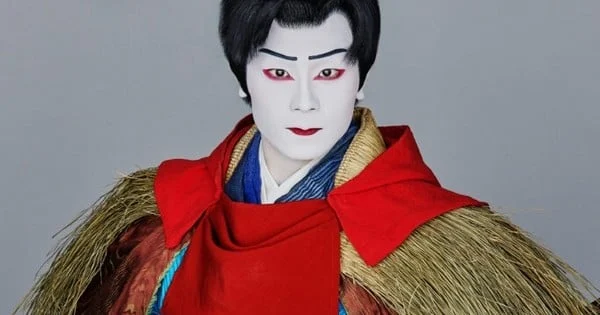
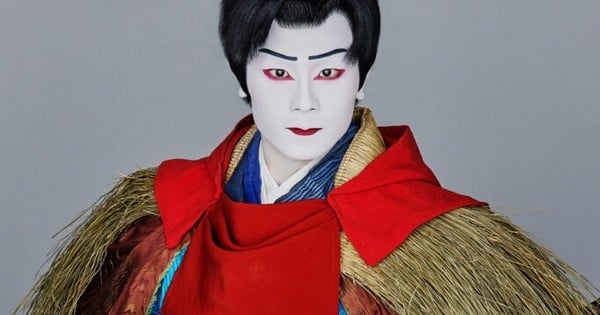
The highly anticipated Super Kabuki stage adaptation of Hayao Miyazaki and Studio Ghibli’s beloved animated masterpiece, Princess Mononoke, has officially revealed its main cast in full costume through a captivating short advertisement released on Wednesday. The production, set to enchant audiences in Tokyo from July 3 to August 23, marks a significant milestone in the legacy of Super Kabuki, celebrating its 40th anniversary with this ambitious reimagining. This fusion of traditional Japanese theatrical art with a globally recognized cinematic icon promises to be a landmark event in the performing arts landscape.
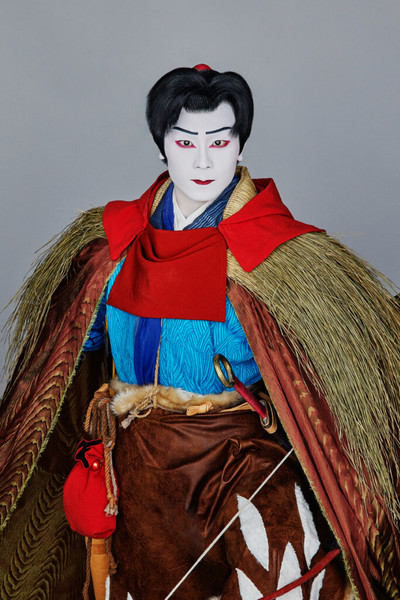
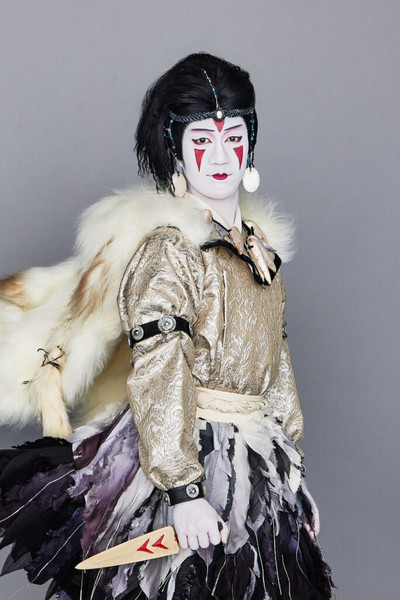
The newly released visuals showcase the actors embodying the iconic characters, bringing the epic struggle between humanity and nature to life on stage. Danko Ichikawa V will take on the pivotal role of Ashitaka, the young warrior burdened by a curse and on a quest for a cure. His portrayal is expected to capture the prince’s internal conflict and his eventual entanglement in the larger ecological war. Alongside him, Kazutarō Nakamura will step into the fierce and untamed persona of San, the wild child raised by wolves, a protector of the forest and its spirits. The formidable Lady Eboshi Gozen, the pragmatic leader of Iron Town, will be brought to life by Tokizō Nakamura VI, whose performance will undoubtedly convey the character’s complex motivations and her role in the industrial expansion that threatens the natural world.
This production is not merely a theatrical rendition but a carefully crafted artistic endeavor, drawing upon the rich history of Kabuki while embracing contemporary stagecraft. The Super Kabuki format, established in 1986, is renowned for its innovative approach, seamlessly blending traditional Kabuki techniques with modern theatrical concepts, including elaborate stage machinery, contemporary music, and impactful visual effects. The choice to adapt Princess Mononoke, a film celebrated for its profound environmental themes and compelling narrative, into this dynamic theatrical form suggests a powerful synergy between the story’s inherent drama and Kabuki’s capacity for grand spectacle and emotional depth.
A Collaborative Vision: Directorial and Scripting Expertise
The direction of this ambitious production falls to Kensuke Yokouchi, a seasoned professional whose vision will guide the intricate choreography, dramatic pacing, and overall aesthetic of the play. Complementing his direction is a robust creative team for the script. Keiko Niwa, a screenwriter with a distinguished background in crafting narratives for acclaimed Studio Ghibli films such as The Wind Rises, Arrietty, and When Marnie Was There, is co-writing the script. Her experience with Miyazaki’s storytelling sensibilities is invaluable in translating the film’s nuanced characters and thematic complexity to the stage.
Niwa is joined by Kazuhisa Tobe, a playwright and director with a notable track record in the realm of anime-inspired stage adaptations. Tobe’s previous work on the Evangelion kabuki project, where he both directed and wrote the script, highlights his expertise in adapting popular franchises into the unique format of Kabuki. This dual involvement of writers familiar with both Ghibli’s storytelling and the demands of Kabuki ensures a script that is both faithful to the source material and theatrically compelling. The production will further be enhanced by the inclusion of music by Joe Hisaishi, the legendary composer whose iconic scores have defined many of Studio Ghibli’s most celebrated films, including Princess Mononoke. Hisaishi’s music, when integrated into a live theatrical performance, is expected to evoke the same emotional resonance and epic scope that audiences have come to associate with the film.
A Legacy of Innovation: The Super Kabuki Tradition
The Super Kabuki genre itself has a rich history of pushing artistic boundaries. Since its inception, it has aimed to make traditional Kabuki more accessible and engaging for contemporary audiences by incorporating elements that resonate with modern sensibilities. This has often involved collaborations with popular entertainment franchises, leading to productions that draw in new demographics while respecting the centuries-old theatrical traditions. The Princess Mononoke adaptation is a prime example of this ongoing evolution, demonstrating Kabuki’s capacity to engage with contemporary cultural touchstones and explore relevant societal themes through its unique artistic language. The 40th anniversary of Super Kabuki provides a fitting occasion to showcase this dynamic and enduring art form.
Thematic Resonance and Cinematic Roots
Princess Mononoke, released in 1997, remains one of Studio Ghibli’s most critically acclaimed and enduring films. Its narrative explores the destructive consequences of industrialization on the natural world, a theme that continues to hold profound relevance. The story follows Ashitaka, a prince of the Emishi people, who is cursed by a boar god enraged by a demon that has corrupted it. His journey leads him to the forests of the west, where he becomes embroiled in a fierce conflict between the inhabitants of Iron Town, led by the formidable Lady Eboshi, and the gods and spirits of the forest, fiercely defended by San. The film is lauded for its complex characters, its unflinching portrayal of the environmental crisis, and its exploration of the delicate balance between humanity and nature.
The recent 4K restoration of Princess Mononoke, screened exclusively in IMAX theaters across North America starting March 26, 2025, also served as a significant event, further amplifying the film’s enduring appeal and its relevance in the context of environmental awareness. This theatrical re-release, timed to coincide with Studio Ghibli’s 40th anniversary, underscored the film’s lasting impact on global cinema and its continued ability to resonate with audiences of all ages. The involvement of GKIDS, a distributor known for its commitment to showcasing acclaimed animated films, in this restoration highlights the film’s status as a cultural touchstone. The description of the film’s plot, as provided by GKIDS, perfectly encapsulates the core conflict: "Inflicted with a deadly curse, the young warrior Ashitaka heads west in search of a cure. There, he stumbles into a bitter conflict between Lady Eboshi, the proud people of Iron Town, and the enigmatic Princess Mononoke, a young girl raised by wolves, who will stop at nothing to prevent the humans from destroying her home and the forest spirits and animal gods who live there." The film’s original voice cast, featuring talents like Gillian Anderson, Billy Crudup, Claire Danes, Jada Pinkett Smith, and Billy Bob Thornton in the English dub, further cemented its widespread appeal and critical reception.
Broader Implications and Audience Engagement
The staging of Princess Mononoke as a Super Kabuki production is more than just an artistic endeavor; it represents a cultural bridge, bringing together elements of Japanese traditional theater with a globally recognized animated narrative. This fusion is expected to attract a diverse audience, including long-time fans of Studio Ghibli, aficionados of traditional Kabuki, and theatergoers seeking unique and innovative cultural experiences. The success of such productions often hinges on their ability to capture the essence of the original work while offering a fresh perspective through the medium of stage.
The visual presentation of the cast in costume, disseminated through a short advertisement, serves as a powerful marketing tool, generating anticipation and excitement. The incorporation of Joe Hisaishi’s iconic musical score is also a significant draw, promising an immersive and emotionally resonant theatrical experience. The production’s run at the Shinbashi Enbujō Theatre in Tokyo, a venue steeped in theatrical history, provides an auspicious setting for this significant cultural event. The meticulous attention to detail in costumes, set design, and performance is crucial for translating the fantastical elements of Princess Mononoke into a tangible, live spectacle.
The underlying themes of environmentalism, the clash between progress and tradition, and the search for balance are as relevant today as they were upon the film’s original release. Presenting these themes through the powerful and evocative medium of Kabuki offers a unique opportunity for reflection and dialogue. The theatrical adaptation can potentially imbue these themes with a new layer of emotional depth and dramatic intensity, allowing audiences to engage with them in a profoundly visceral way. As the production’s opening night approaches, the anticipation for this groundbreaking fusion of animation and traditional theater continues to build, promising a memorable and impactful cultural event. The detailed costume reveals are a testament to the production’s commitment to honoring both the visual legacy of Studio Ghibli and the aesthetic traditions of Kabuki.
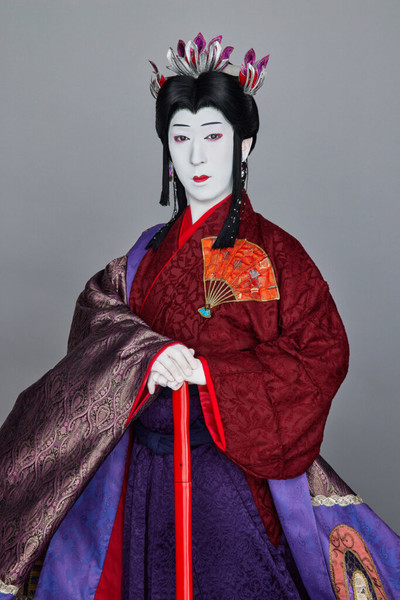
The ongoing engagement with Princess Mononoke through various cultural platforms, from film restorations to theatrical adaptations, underscores its enduring power and its capacity to inspire new artistic interpretations. This Super Kabuki production stands as a testament to the timeless appeal of Miyazaki’s storytelling and the vibrant, evolving nature of Japanese performing arts. The intricate details of the costumes, as showcased in the promotional materials, hint at the visual splendor that audiences can expect. Each element, from the warrior garb of Ashitaka to the wild attire of San and the regal presence of Lady Eboshi, is meticulously crafted to evoke the characters’ spirits and the film’s distinctive aesthetic. This dedication to visual fidelity, combined with the dynamic storytelling capabilities of Kabuki, positions the Princess Mononoke stage play as a must-see event for both animation enthusiasts and lovers of theatrical innovation.