The landscape of unscripted romantic competition has undergone a significant transformation with the conclusion of the third installment of Netflix’s flagship crossover series, Perfect Match. As the streaming giant officially unveils the cast for the upcoming Season 4, industry analysts and viewers alike are turning their attention back to the 22 singles who defined Season 3. This cycle was notable not only for its high-stakes romantic entanglements but also for its strategic expansion beyond the "Netflix-only" talent pool, incorporating figures from rival networks and international franchises. The trajectory of these participants since the cameras stopped rolling provides a compelling look into the longevity of reality television fame and the shifting dynamics of the modern dating show ecosystem.
The Strategic Pivot: Beyond the Netflix Bubble
Season 3 of Perfect Match represented a calculated risk for Netflix’s unscripted division. Previously, the series relied exclusively on participants from the streamer’s internal library, such as Love Is Blind, Too Hot to Handle, and The Circle. However, Season 3 marked the first time the production opened its doors to alumni from legacy broadcast and rival streaming hits. The inclusion of Clayton Echard and Rachel Recchia from ABC’s The Bachelor franchise, alongside Carrington Rodriguez and Scott van-der-Sluis from the Love Island universe, signaled a move toward a more unified "reality multiverse."
This expansion was designed to capture a broader demographic. By integrating stars from traditional linear television, Netflix successfully bridged the gap between different fan bases. Data suggests that crossover casting increases social media engagement by approximately 25% compared to single-franchise reunions, as fans of competing networks migrate to the platform to follow their favorite personalities. This "cross-pollination" of audiences has become a cornerstone of the Perfect Match business model, ensuring that each season feels like a major cultural event rather than just another dating competition.
High-Profile Trajectories: The Love Is Blind Contingent
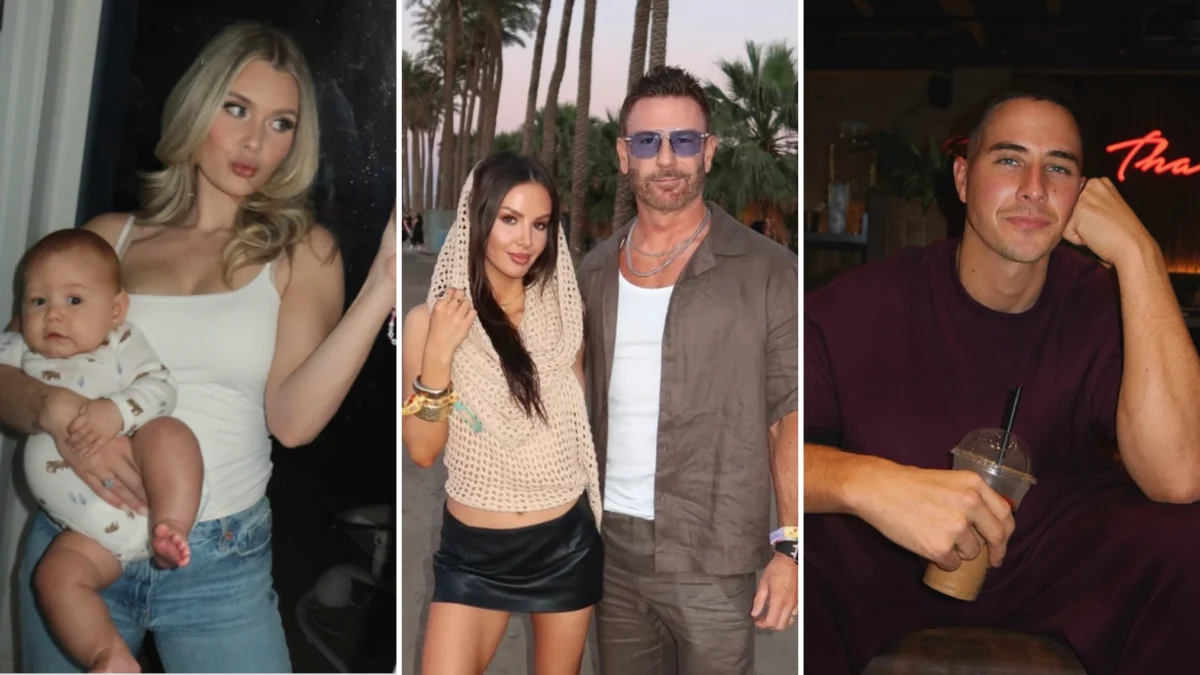
The core of the Season 3 cast remained rooted in the Love Is Blind franchise, which continues to be Netflix’s most consistent producer of viral talent. Among the most discussed participants were Amber "AD" Smith and Madison Errichiello. AD Smith, who rose to prominence in the sixth season of the flagship show, brought a level of emotional maturity and fan loyalty that anchored much of the Season 3 narrative. Since the show aired, Smith has remained a prominent figure in the lifestyle and influencer space, recently making headlines regarding significant personal milestones, including her journey into motherhood, which has been followed closely by her millions of social media followers.
The season also leveraged the growing popularity of international spin-offs, most notably Love Is Blind UK. Stars Ollie Sutherland and Freddie Powell were introduced to a global audience through the Perfect Match format. Their inclusion highlighted Netflix’s desire to localize content while maintaining global appeal. Freddie Powell, in particular, became a breakout star, with his post-show life subject to intense public scrutiny. Rumors regarding his relationship with fellow cast member Lucy Syed fueled months of tabloid speculation, illustrating the "always-on" nature of modern reality fame where the narrative continues long after the season finale.
The Bachelor and Love Island Integration
The integration of Clayton Echard and Rachel Recchia was perhaps the most scrutinized element of Season 3. Both had previously served as leads on their respective ABC shows—Echard as The Bachelor and Recchia as a co-lead on The Bachelorette. Their transition to the more relaxed, often chaotic environment of Perfect Match provided a stark contrast to the structured, formal atmosphere of the Bachelor mansion.
Industry reports indicate that the "Bachelor-to-Netflix pipeline" is a lucrative one. For the participants, it offers a chance to "rebrand" their public image outside of the rigid constraints of broadcast television. For Netflix, it provides a pre-vetted cast with established histories of high-stakes drama. Rachel Recchia’s presence on the show was particularly significant, as it challenged the unspoken boundaries between rival networks. Her interactions with Netflix stalwarts like Louis Russell and Scott van-der-Sluis became some of the most-watched clips of the season, proving that the novelty of seeing stars from different "worlds" interact remains a powerful draw for audiences.
Relationship Status Updates: Successes and Shortfalls
The primary objective of Perfect Match is, ostensibly, to find a long-term partner through a series of compatibility challenges. However, the success rate of these matches often varies. As of the Season 4 announcement, the majority of the Season 3 couples have transitioned back to singlehood or have explored relationships with individuals outside of the show’s immediate circle.
- Ollie Sutherland and AD Smith: While the chemistry between the two was a focal point of the season, post-show updates suggest they have moved in different directions. Sutherland has focused on his professional endeavors in the UK, while Smith has prioritized her family life in the United States.
- Lucy Syed and Freddie Powell: Despite persistent dating rumors and several public appearances together, the pair eventually clarified that they remain close friends rather than a romantic couple.
- Sandy Gallagher: Emerging from The Ultimatum, Gallagher’s journey was defined by a search for stability. Her post-show trajectory has been characterized by a focus on personal branding, with many fans drawing parallels between her and Love Is Blind’s Jessica Vestal due to their similar poise and screen presence.
The lack of long-term romantic success among the Season 3 cast has not deterred the franchise’s popularity. Instead, it has shifted the focus toward the individual growth and entertainment value of the participants. The "failure" of a match is often viewed by fans as a catalyst for future drama, keeping the participants relevant for potential appearances in subsequent seasons or other reality formats.
Production Timeline and Global Reach
The production of Perfect Match Season 3 followed a rigorous schedule designed to maximize the "tropical getaway" aesthetic while maintaining a high volume of content. Filmed in a luxury villa, the production utilized over 50 cameras to capture 24/7 footage of the contestants. The gap between the filming of Season 3 and the reveal of Season 4—nearly a full calendar year—is a standard window for the streaming giant, allowing for post-production polish and strategic marketing campaigns.
From a data perspective, Season 3 performed exceptionally well in the "Top 10" rankings in over 50 countries. The inclusion of stars from the UK, the US, and Australia ensured that the show trended globally. Netflix’s internal metrics suggest that reality dating shows have some of the highest completion rates on the platform, meaning viewers who start the first episode are highly likely to watch the entire season. This reliability makes the franchise a safe investment for the streamer as it looks to offset the higher costs of scripted prestige dramas.
Broader Implications for the Reality Television Industry
The success of Perfect Match Season 3 has broader implications for how reality television is produced and consumed. It has effectively ended the era of "siloed" reality stars. In the current landscape, a participant’s career is no longer tied to a single show. A contestant can begin on a niche dating show, move to a high-profile competition like Perfect Match, and eventually transition into hosting or traditional acting.
Furthermore, the show has forced other networks to reconsider their exclusivity contracts. When Netflix successfully recruits a Bachelor lead, it signals a shift in power. Talent now has more leverage, seeking platforms that offer the widest global reach and the least amount of editorial restriction. This has led to a "bidding war" for reality personalities who have proven they can drive engagement and dominate the social media conversation.
Conclusion: Preparing for Season 4
As the focus shifts to the newly revealed Season 4 cast, the legacy of Season 3 remains a blueprint for the franchise’s future. The blend of high-octane drama, international diversity, and cross-network star power has solidified Perfect Match as the premiere destination for reality television aficionados. The "Where Are They Now" status of the Season 3 alumni serves as a bridge, maintaining audience interest during the off-season and setting the stage for the next group of singles to navigate the complexities of modern love under the neon lights of the Netflix villa.
The evolution of the series reflects a larger trend in media: the commodification of personality and the blurring of lines between different entertainment silos. Whether the Season 4 cast will find "perfect matches" remains to be seen, but if the history of Season 3 is any indication, the journey will be a calculated mix of strategic gameplay, emotional vulnerability, and high-value production designed to keep the global audience perpetually engaged.