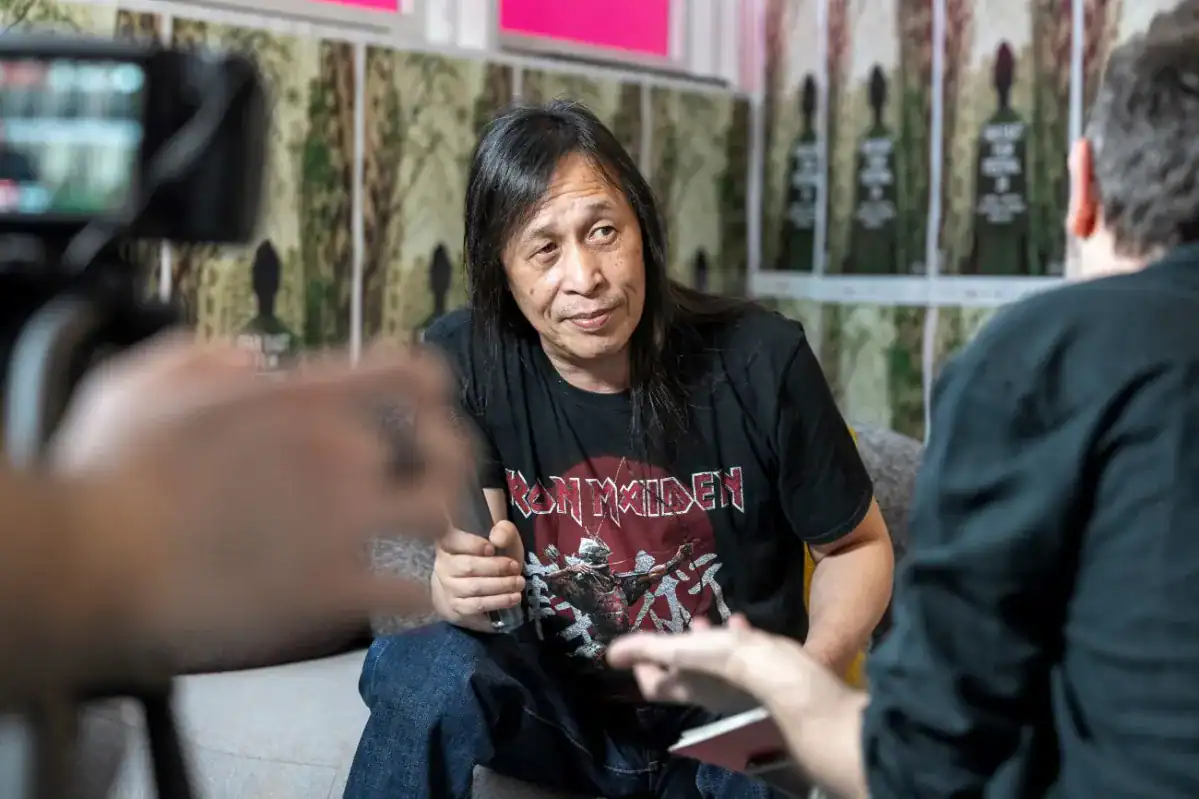
Born in Guangdong province, China, in 1961, Herman Yau has established himself as one of Hong Kong’s most prolific and versatile filmmakers over the past four decades. With an astonishing filmography of no fewer than 86 directorial credits in 39 years, and two more currently in production, Yau’s career is a testament to relentless productivity matched only by his audacious willingness to traverse diverse genres, budgets, tones, and industrial landscapes. From groundbreaking, often controversial, Category III features to sprawling, big-budget action franchises, Yau’s work consistently embodies a profound duality that mirrors the complex identity of Hong Kong cinema itself.
His journey as a filmmaker has seen him orchestrate everything from outrageous, visceral exploitation films to poignant true-crime narratives imbued with unexpected heart. He is equally adept at staging a car pursuing a fighter jet or a submarine hidden within a cargo ship as he is at advocating for the voiceless and forgotten, or critically examining the nuances of Hong Kong’s legal system on the eve of its 1997 handover to China. This unique ability to navigate extremes, both in content and scale, defines his enduring legacy.
The Formative Years: Embracing Category III and the Anthony Wong Collaborations
Yau’s early career is inextricably linked with the audacious and often shocking world of Hong Kong’s Category III cinema, a rating equivalent to America’s NC-17, strictly prohibiting viewers under 18 due to explicit depictions of nudity, sex, or extreme violence. This period saw his notorious collaborations with actor Anthony Wong, a partnership that yielded some of the most infamous and influential genre films of the era.
Their 1993 collaboration, Taxi Hunter, immediately set a tone. Starring Anthony Wong as Kin, an insurance salesman whose life unravels after his pregnant wife is killed by a negligent taxi driver, the film plunges into a dark vigilante narrative reminiscent of 1970s American thrillers like Death Wish and Falling Down. Yau masterfully crafts a revenge thriller that, while delivering on the expected blood and violence for gore enthusiasts, also introduces a moral quandary: by siding with Kin’s descent into vigilantism against avaricious and violent taxi drivers, the audience is forced to confront their own endorsement of his extreme methods. The film’s pacing and character development were praised, showcasing Yau’s ability to construct a compelling narrative even within the confines of a genre often dismissed for its sensationalism.
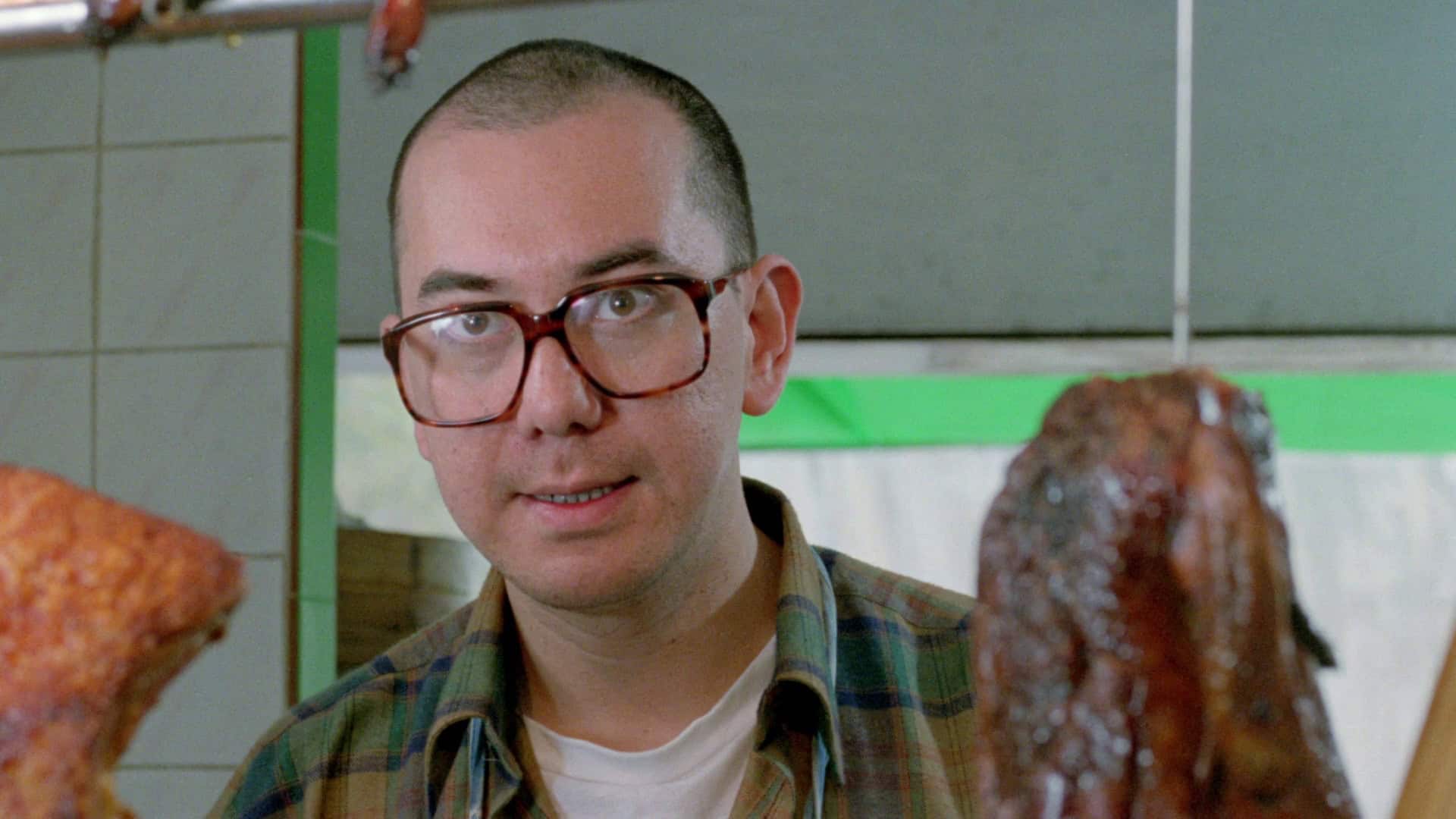
However, it was The Untold Story, released in the same year, that cemented Yau’s cult status and earned Anthony Wong his first Best Actor award at the Hong Kong Film Awards. Based on the chilling true story of Wong Chi-hang, a serial killer who operated an Eight Immortals Restaurant in Macau, the film is a relentless assault on the senses. Yau presents the horrifying real-life events with unflinching brutality, demanding a strong stomach from its viewers and fully earning its Category III classification. While critics debated its perceived sensationalism, the film’s grounding in actual crimes, particularly the gruesome confessions in its climax, elevates it beyond mere exploitation. Yet, Yau’s audacious inclusion of slapstick police procedural elements, intended as satire, created a jarring tonal shift that remains the film’s primary flaw. Despite this, Anthony Wong’s mesmerizing portrayal of the monstrous Wong Chi-hang, a performance of uninhibited depravity, remains a landmark depiction of a serial killer on screen, gathering a strange, unsettling sympathy from the audience.
Three years later, Yau and Wong reunited for Ebola Syndrome (1996), another Category III provocation, this time produced by Wong Jing. Drawing inspiration from the 1995 Ebola outbreak in Zaire, the film follows Kai (Anthony Wong), a depraved individual who flees to Johannesburg after murdering his boss and his wife. There, he contracts the Ebola virus after raping a tribeswoman and then intentionally spreads it upon his return to Hong Kong. Ebola Syndrome pushed the boundaries of acceptable cinema even further than its predecessor, with scenes of graphic violence, rape, and cannibalism earning its restrictive rating within the first ten minutes. The film was a deliberate attempt to recreate the shock value of The Untold Story, yet Yau refined his approach to dark humor, making it more effective than the previous film’s slapstick. Anthony Wong once again delivered a chilling performance, making Kai utterly unlikeable without redemption, a testament to his acting prowess and Yau’s uncompromising direction. These early works established Yau as a director unafraid to confront the darkest aspects of humanity, using the raw canvas of Category III cinema to explore themes of depravity, revenge, and societal decay.
Beyond Excess: Social Commentary and Genre Exploration
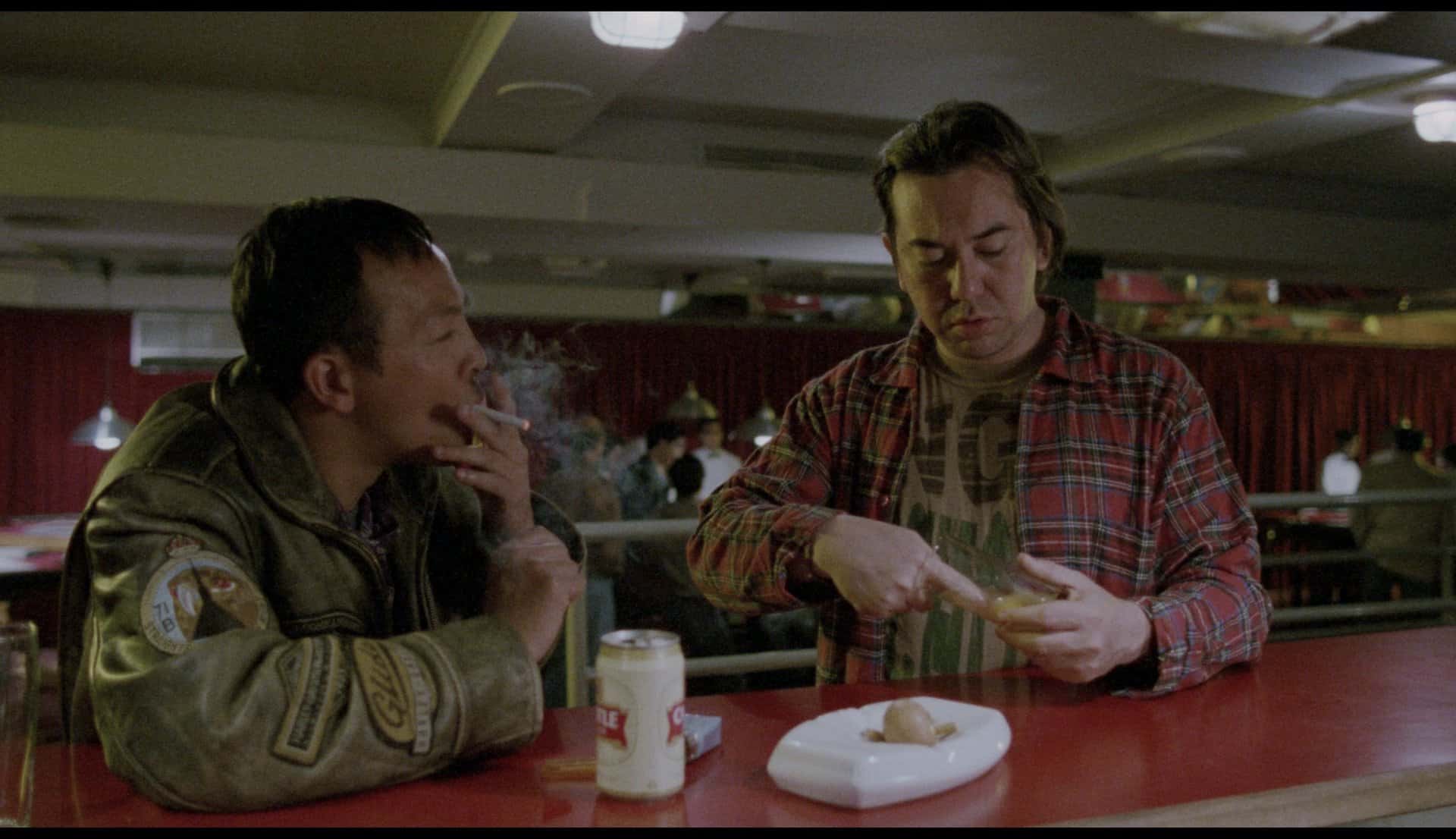
While Yau’s early notoriety stemmed from extreme cinema, his career trajectory quickly revealed a profound commitment to diverse storytelling and social commentary. His cinema cannot be understood solely through the lens of excess; he consistently ventured into genres often overlooked by commercial filmmakers, driven by personal interest rather than box office viability.
From the Queen to the Chief Executive (2001) starkly illustrated this alternative facet of his filmmaking. This powerful drama delves into the true story of 23 juvenile offenders sentenced to be "detained at Her Majesty’s pleasure," a legal loophole that, at the dawn of the Hong Kong handover, left them in a jurisdictional purgatory, facing indefinite detention. Yau’s deep-seated desire to bring justice and visibility to these victims of legal ambiguity is evident throughout the film. By intertwining the narratives of a social worker, a teenager involved in a gruesome crime, and a young woman from a background of abuse, Yau crafts a compelling, almost documentary-like narrative, interspersed with actual footage. While injecting elements of melodrama to enhance its palatability, the film powerfully highlights the despair of those trapped by the system and the societal failures that contribute to juvenile delinquency, echoing the broader implications of Hong Kong’s changing legal landscape.
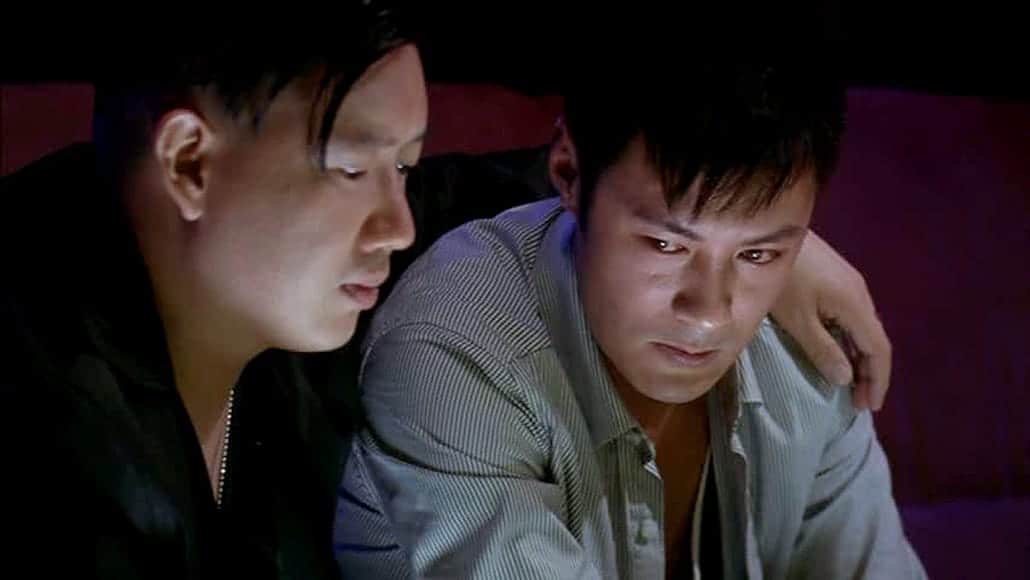
Yau’s versatility continued with films like Rebellion (2009), a fast-paced triad action drama that, while appearing to be a typical gangster movie, evolves into a sophisticated whodunit. Beautifully shot, particularly its neon-drenched nighttime street scenes, the film captures the vibrant yet sinister underbelly of Hong Kong’s nightlife. With its character-driven narrative and swift, machete-wielding street brawls, Rebellion showcased Yau’s ability to craft engaging genre pieces that also offered glimpses into the intricacies of gang dynamics and power struggles.
In 2013, Yau ventured into kung fu melodrama with Ip Man: The Final Fight. Moving beyond the conventional action-heavy Ip Man narratives, Yau focused on the Wing Chun master’s life in 1949 Hong Kong through a series of vignettes. The film skillfully blends martial arts sequences with a strong emphasis on community, solidarity, and the moral compromises inherent in navigating a complex world. Anthony Wong once again delivered a nuanced performance as Ip Man, portraying him as a pragmatic, non-judgmental figure whose quiet dignity belies his martial prowess. Yau’s concise direction, coupled with Joe Chan’s evocative cinematography and exceptional art design, recreated 1950s Hong Kong with a clear nostalgic feel, earning critical acclaim for its balance of action, drama, and historical authenticity.
Navigating the Mainland Market: The Blockbuster Era
The mid-2010s marked a significant shift in Herman Yau’s career, as he increasingly helmed large-scale, often Mainland-financed action spectacles, reflecting the changing dynamics of the Hong Kong film industry. This period saw him take on major franchises, demonstrating his adaptability to producing high-octane blockbusters while still embedding socio-political subtexts.

The Mobfathers (2016) brought Yau back to triad cinema but with a sharper political allegory. Against the backdrop of escalating protests by the Umbrella Movement in 2014 and growing concerns over China’s influence on Hong Kong’s elections, Yau skillfully interwove classic triad themes of power struggle and loyalty with pointed commentary on the region’s political complexities. The film, echoing Johnnie To’s Election series, delivered a gritty, satirical take on the "same old story" of gangland succession, but its saturated photography, stylish brawls, and strongly nihilistic tone gave it a contemporary relevance that resonated deeply with audiences grappling with Hong Kong’s evolving identity.
The same year, Yau attempted to revive the Hong Kong noir genre with Nessun Dorma. While perhaps a more disposable project, it showcased his continuous experimentation. Drawing its title from Puccini’s opera, the film delved into a revenge plot, tactfully handling sensitive themes of kidnapping and rape. Though its script was noted as somewhat defective, it highlighted Yau’s willingness to explore diverse narratives, even amidst more challenging and high-profile productions.
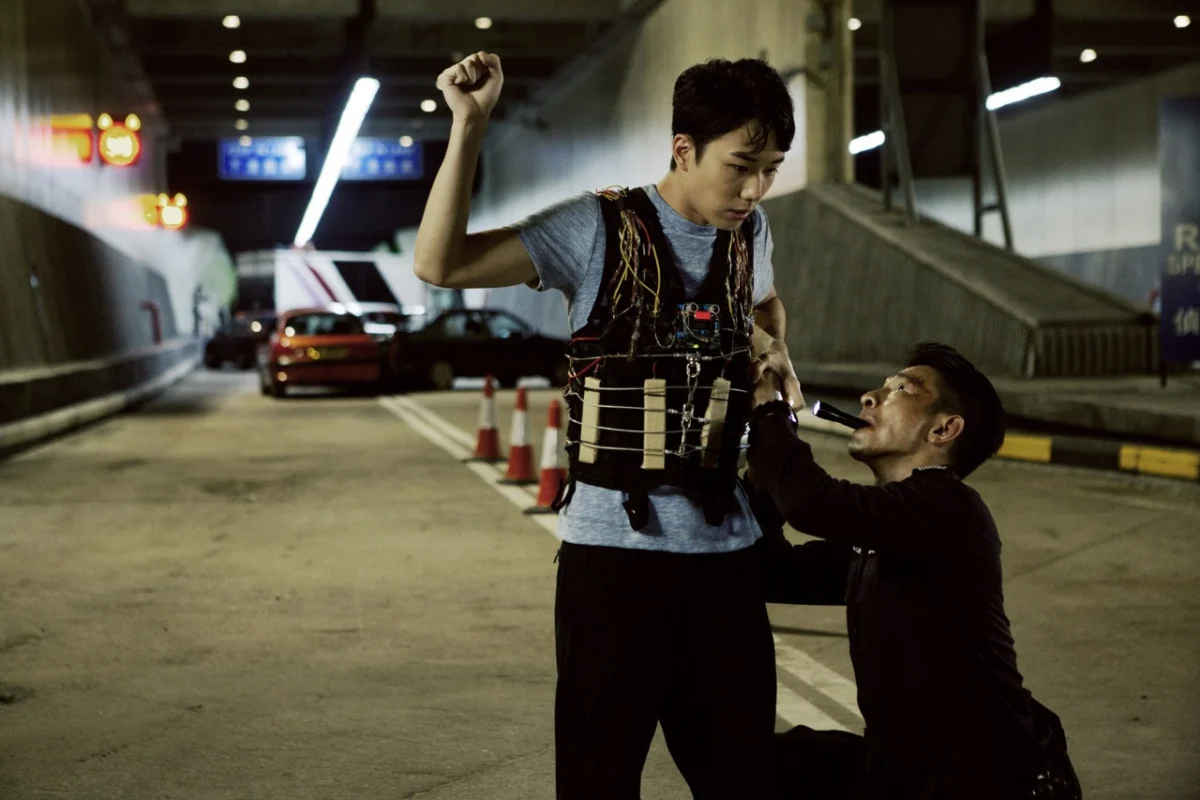
His commercial action cinema reached new heights with Shock Wave (2017), a film that proved Hong Kong filmmakers retained their knack for producing blockbuster action films despite industry downturns. Starring Andy Lau as JS Cheung, a superintendent in the Explosive Ordnance Disposal Bureau, the film pits him against a notorious crime boss seeking revenge. Yau immediately plunges the audience into action, crafting agonizing and visually impressive scenes of bomb disposal and explosions. Joe Chan’s cinematography, FreeD Workshop’s special effects, and Azrael Chung’s editing reached their zenith, particularly in the shocking finale. The film’s intricate web of traps, while at times far-fetched, provided a compelling backdrop for the relentless action, with Andy Lau and Jiang Wu delivering standout performances.
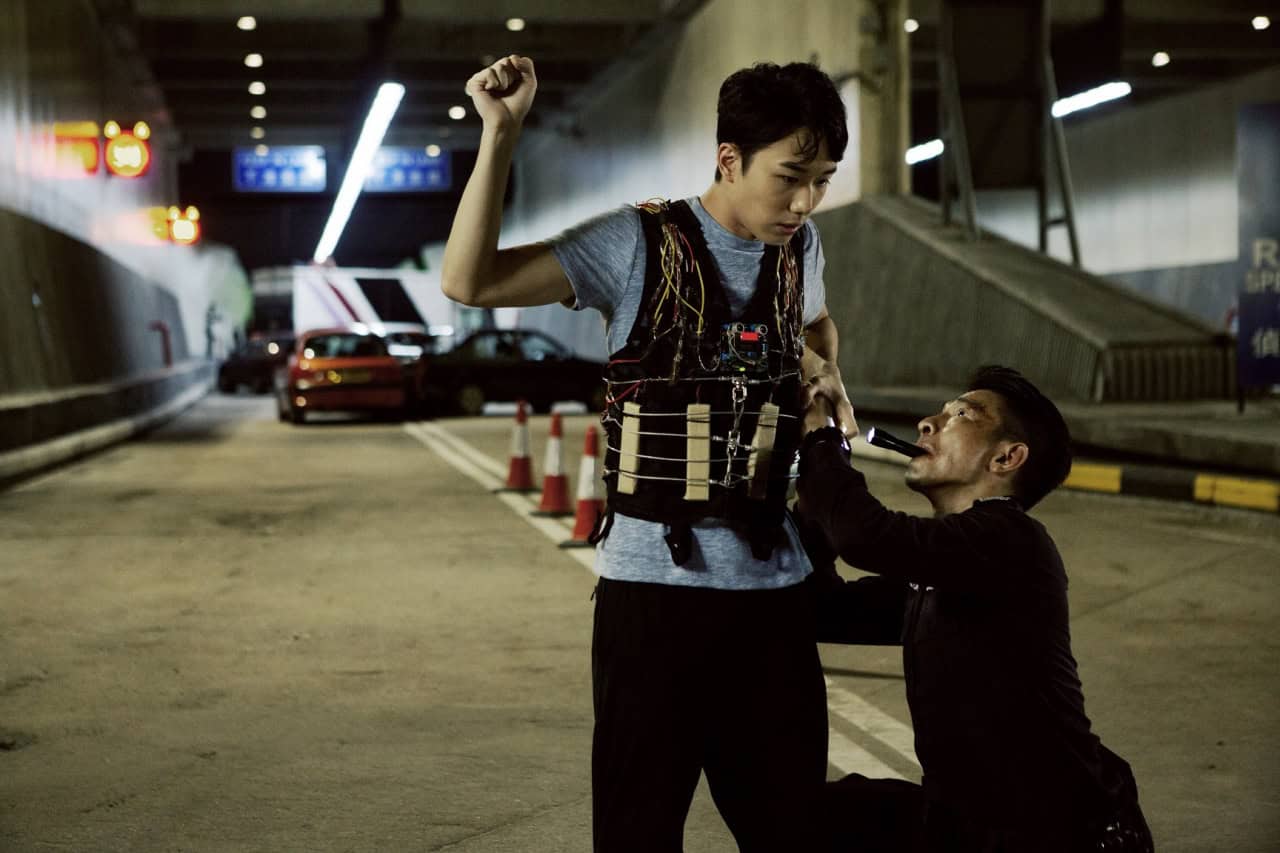
Yau’s continued engagement with large-scale productions was evident with The White Storm 2: Drug Lords (2019), where he took over the successful franchise. While eschewing direct continuity with its predecessor, Yau’s installment delivered an authentic action spectacle, prioritizing character development and drama within its tight runtime. Cinematographer Man-Yin Ngai’s dark, gritty palette created an interesting atmosphere, and the well-choreographed action sequences, particularly a memorable car chase within a subway station, cemented its status as a satisfying summer blockbuster.
Shock Wave 2: Hong Kong Destruction (2020) further intensified Yau’s commercial action cinema. Andy Lau returned as a former good guy seemingly turned bad, navigating a complex narrative of memory loss, terrorist attacks, and moral ambiguity. While the CGI was occasionally unbalanced, the film’s impressive stunts, particularly the chase sequences and the exploding police van, alongside Lau’s commanding performance, made it one of the most exciting action movies of its time. Yau’s domain of entangled stories and adrenaline-pumping thrills was fully realized, showcasing his mastery of large-scale destruction and intricate plotting.
Continued Versatility and Reflective Storytelling in the 2020s
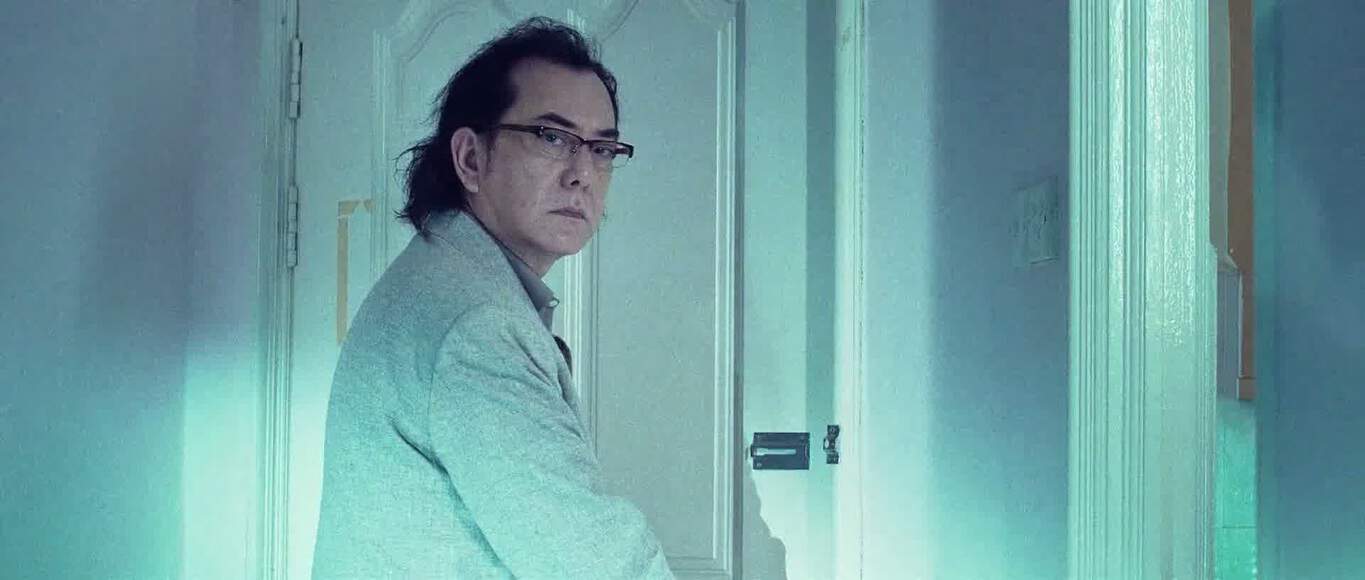
The early 2020s found Herman Yau working at an almost astonishing rhythm, continuing to blend commercial blockbusters with more personal, socially conscious projects. Despite the challenges posed by the COVID-19 pandemic, including production delays and on-set accidents, Yau demonstrated remarkable resilience and creativity.
The White Storm 3: Heaven or Hell (2023), saw him return to the drug-war franchise with a new cast including Louis Koo, Lau Ching Wan, and Aaron Kwok. Despite the "in-title-only" continuity, Yau maintained the themes of loyalty and brotherhood against the backdrop of an intense war on drugs. The film’s climax, featuring an air attack blowing a Thai village to bits with numerous exploding cars, underscored Yau’s ability to maximize a huge budget for spectacular effect. While flashbacks sometimes slowed the narrative, they allowed the main leads ample room to shine amidst the impressively choreographed action.
The same year, Yau released Moscow Mission, his fourth film of 2023, confirming his status as a bona fide master of action. This bombastic, 100% Mainland-financed production tackled the true story of violent robberies on the Beijing-Moscow train in 1993. Leveraging his regular Hong Kong crew, Yau delivered an eye-candy spectacle, with a charming 1993 aesthetic, and memorable action sequences including a car chase in the city, a motorbike pursuit in an underground drainage system, and a car chasing a fighter jet. Despite a confusing and at times one-dimensional script, the film’s stunning locations, from the Soviet-era grandeur to a sewage maze under a casino, and breathtaking action made it an enjoyable thriller.
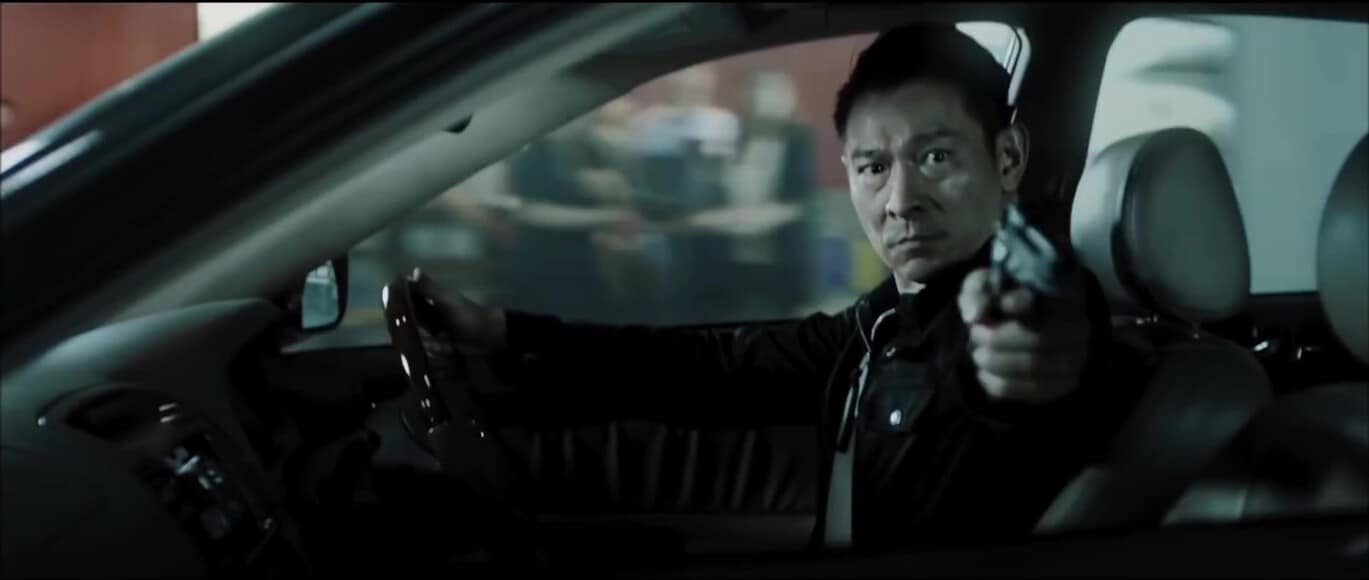
Raid on the Lethal Zone (2023), a smaller-scope Mainland production for streamer iQIYI, further showcased Yau’s ability to craft impressive action. Based on a 1992 crackdown but set in 1998, the film combined natural disasters with a fierce battle against drug traffickers. The impressive CGI of the floods and landslides, coupled with brutal, non-stop action between multiple factions, delivered a genuine action movie experience where protagonists were far from invincible, delighting fans of thunderous, Hong Kong-style action.
Death Notice (2023), completed in 2018 but delayed due to external factors, presented Yau’s return to the dense, morally ambiguous Hong Kong crime thriller. Based on a Mainland novel trilogy, it follows Inspector Lo Fei’s mission to track down "Darker," a serial killer who sends ominous execution notices. This film felt particularly locally grounded, layered with recognizable cityscapes, themes of urban decay, and the moral complexities of law enforcement. Yau built suspense through atmosphere and character tension, offering concise yet impactful action sequences like a rooftop parkour chase and an exploding police van. His deft navigation of censorship boundaries, using the Hong Kong setting to subtly address corruption, showcased a mature command of tone and pacing, making it a compelling, albeit intricate, crime thriller.
Customs Frontline (2024) continued Yau’s big-budget action period, featuring impressively staged set pieces that transformed it into a full-blown war movie. While the plot, heavy on melodrama, sometimes slowed the first half, the action sequences, choreographed by Nicholas Tse, were the true stars. Highlights included a fight on a raft, a tense warehouse shootout, blistering car chases, and an over-the-top finale inside a submarine hidden within a cargo ship wreaking havoc in Victoria Harbor. Despite dramatic shortcomings, Yau’s unparalleled ability to orchestrate massive destruction on screen was undeniable.
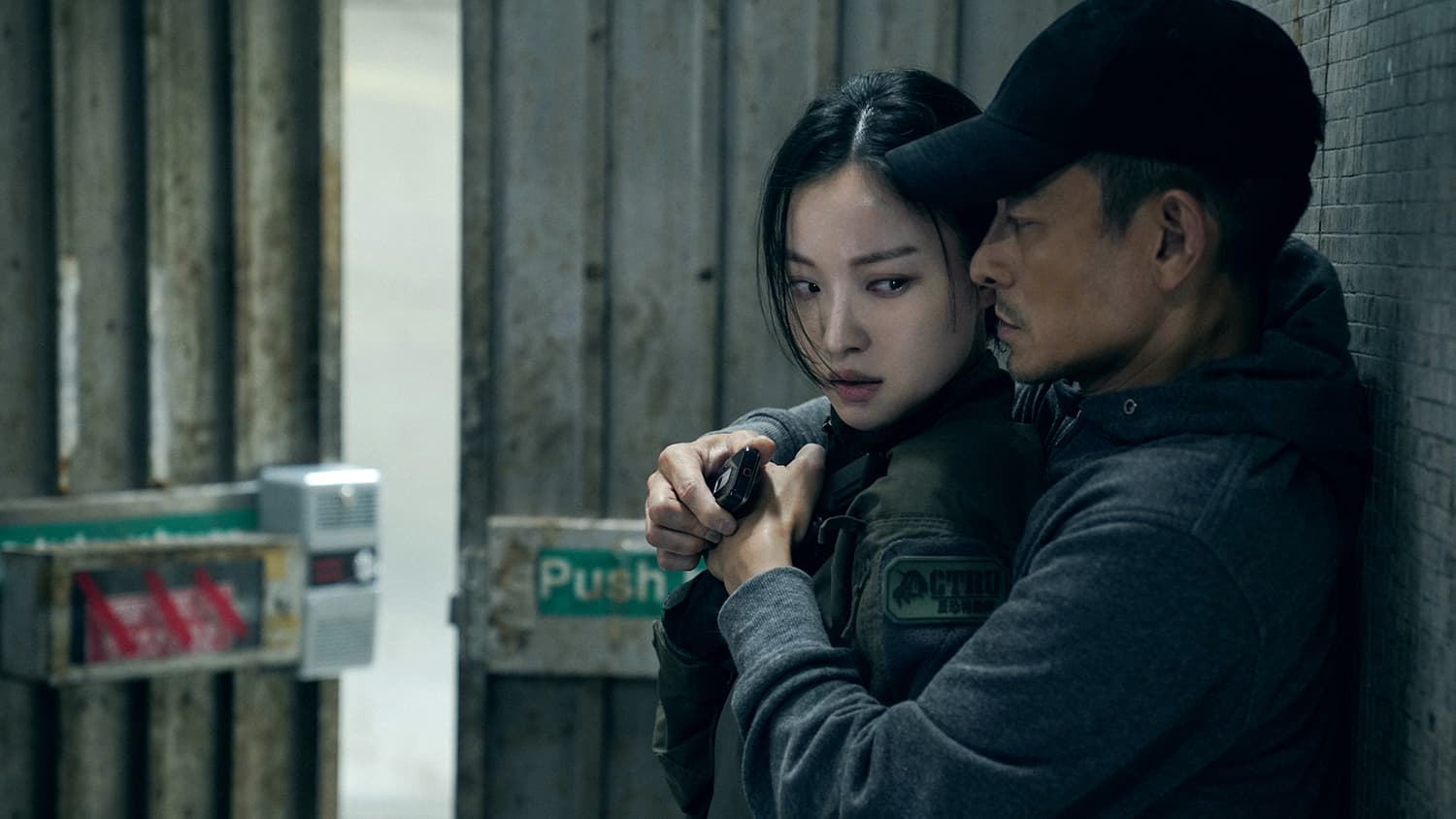
Finally, A Gilded Game (2025) saw Yau venture into the finance industry, a notoriously challenging world to convey cinematically. While only partially successful in making shares and bonds glamorous, the film reasonably explained the crucial nature of IPOs and the immense stakes involved. However, its reliance on technicalities in the third act, culminating in characters screaming financial commands, struggled to engage a mass audience. The film ultimately fell back on a heavy-handed moralistic tone, focusing on individual ethical choices rather than systemic evils, with Andy Lau playing the virtuous character, highlighting the limitations of conveying complex financial themes within a mainstream narrative.
The Craft and Legacy of a Restless Filmmaker
Herman Yau’s nearly 40-year career is not merely a chronicle of prolific output but a testament to a restless artistic spirit. His cinema consistently moves between extremes, from vigilante horror to true crime, Category III extremity to human-rights advocacy, triad allegory to martial arts nostalgia, social comedy to action franchise spectacle, and crime thrillers to social tragedy.
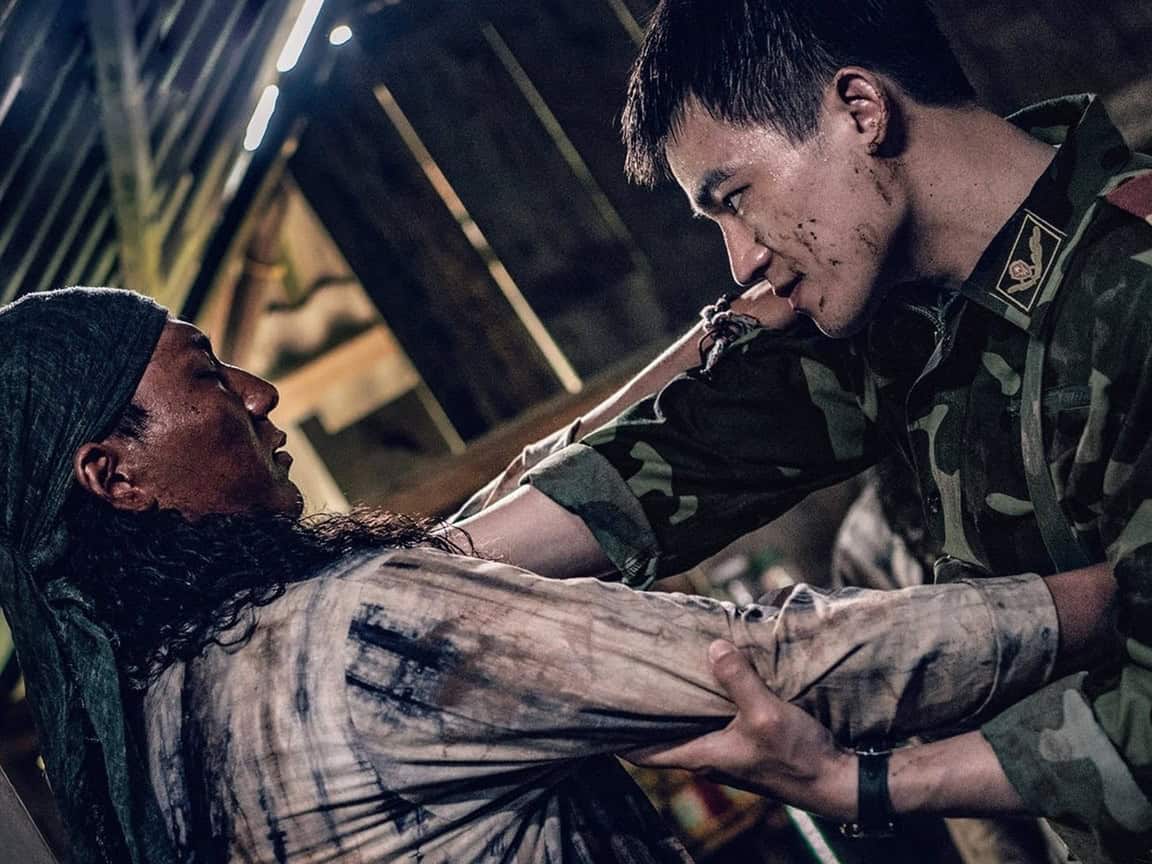
Yau has candidly acknowledged how technology has shaped his craft. In the era of expensive film negatives, discipline was paramount. Digital media, however, allows for greater freedom to capture unexpected footage, especially with skilled cinematographers. Yet, Yau’s cinema, regardless of the medium, remains defined by an instinctive understanding of pace, space, genre, and impact. He emphasizes precision in action filmmaking, stressing the importance of having a clear vision for each shot and its place in the overall edit, to avoid inefficiency and waste. This discipline is evident even in his most chaotic spectacles, where the action, however excessive, usually retains a clear sense of direction.
His long-standing collaboration with editor Azrael Chung, a partnership spanning almost two decades, underscores this commitment to craft. Yau describes editing as a pleasure, a process of giving images a new look and enhancing mood through music. This dedication to construction is visible in the intricate trap structures of Shock Wave, the overlapping flashbacks of Death Notice, and the multi-front action of Raid on the Lethal Zone.
Yau has also been a keen observer of the changing industrial landscape. He notes the past pressure for Hong Kong movies to be around 90 minutes to maximize screenings, contrasting it with the modern demand for longer runtimes in big productions. The Mainland market’s insistence on recognizable stars has also influenced his casting choices, leading to frequent collaborations with industry titans like Louis Koo and Andy Lau. Yet, he remains supportive of younger Hong Kong filmmakers and lower-budget works, recognizing the quality emerging from current productions despite financial constraints.

While not every film in his extensive oeuvre is equally successful—some are average, some flawed, some thrilling, and some profoundly disturbing—the totality of Herman Yau’s career is remarkable. It serves as a vital map of the contradictions inherent in Hong Kong cinema itself: simultaneously commercial and political, local and Mainland-facing, exploitative and compassionate, practical and unruly, genre-driven and socially alert. He has not only built a vast body of work for his characters but, in a broader sense, for the survival and evolution of the industry that nurtured him.
From the shocking realism of The Untold Story and Ebola Syndrome to the explosive grandeur of the Shock Wave and White Storm franchises, the social critique of A Home With a View, the moral complexities of Death Notice, and the poignant social tragedy of We’re Nothing At All, Herman Yau has consistently been a filmmaker of relentless motion, pressure, and profound impact. He can shock, disturb, entertain, preach, satirize, and explode entire cityscapes, often within the same movie. Crucially, he has never ceased to respond to the shifting world around him, embodying the instability and dynamism of his environment. Few Hong Kong directors have mirrored this volatility as fully, and fewer still have channeled it into such a varied, contradictory, and utterly fascinating body of work, making him an enduring and indispensable figure in Asian cinema.