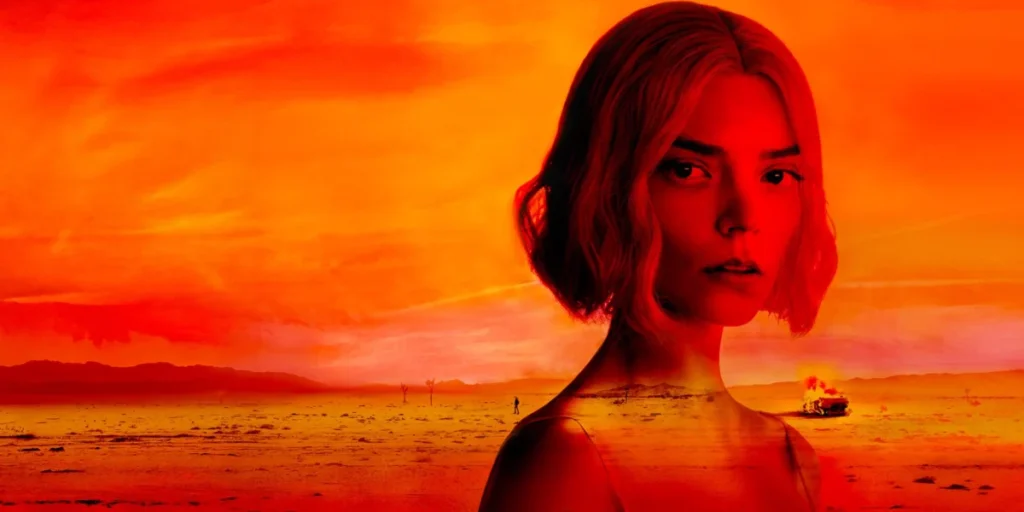
The documentary film Groundswell, directed by the filmmaking duo Josh and Rebecca Harrell Tickell, premiered at the Cannes Film Festival, marking a significant entry into the growing genre of environmental advocacy cinema. Featuring a high-profile cast of narrators and activists including Demi Moore, Woody Harrelson, Jaden Smith, Adrian Grenier, Jason Momoa, and Ian Somerhalder, the production attempts to synthesize three of the most pressing ecological crises facing the 21st century: anthropogenic climate change, the accelerating loss of biodiversity, and the critical depletion of global topsoil. Spanning a 94-minute runtime, the film positions regenerative agriculture not merely as a niche farming technique, but as a holistic solution capable of sequestering atmospheric carbon and restoring balance to the planet’s interconnected ecosystems.
The Framework of Regenerative Agriculture and Soil Sanctity
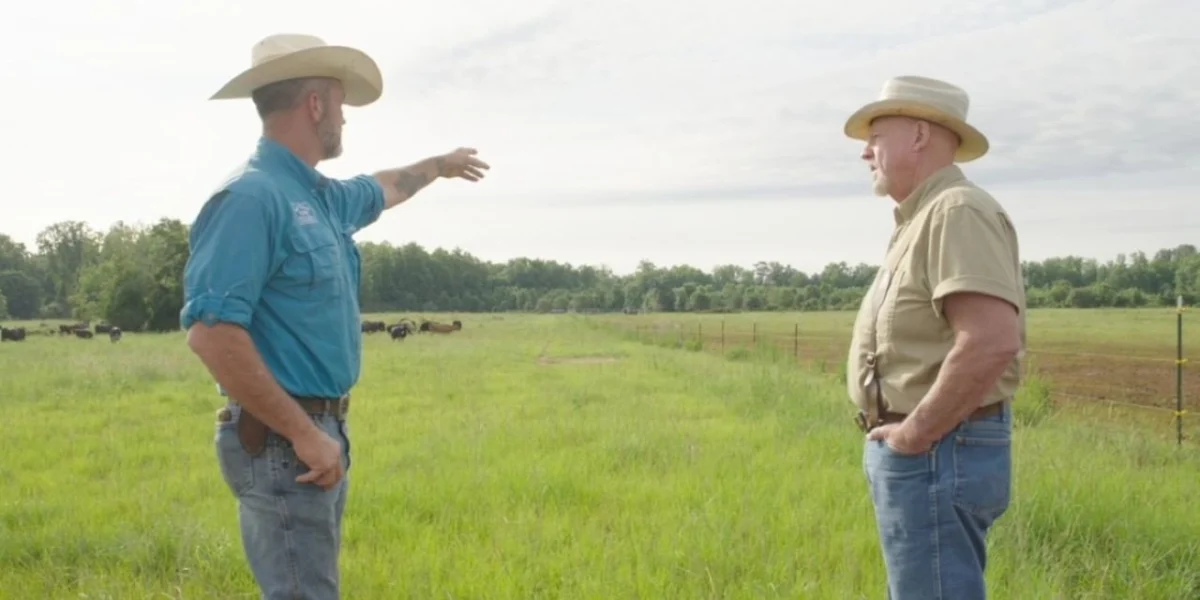
At its core, Groundswell serves as an educational travelogue, guiding viewers through diverse geographical landscapes to witness the implementation of restorative farming practices. The film’s primary thesis revolves around the concept of "soil sanctity," arguing that the health of the earth’s thin layer of topsoil is the linchpin for human survival. By moving away from industrial agricultural norms—characterized by heavy tilling, synthetic chemical fertilizers, and monocultural planting—the film suggests that humanity can reverse the trend of desertification.
The narrative focuses on the science of carbon sequestration, the process by which CO2 is removed from the atmosphere and stored in the soil through plant photosynthesis and microbial activity. When soil is left undisturbed and covered with diverse vegetation, it acts as a massive carbon sink. The Tickells utilize global footage to demonstrate how small-scale changes in land management, such as the use of cover crops and holistic planned grazing, can lead to measurable improvements in water retention and soil fertility.
Chronology and Context: The Evolution of Environmental Filmmaking
The release of Groundswell follows a decade of increasing cinematic attention toward agricultural reform. Directors Josh and Rebecca Harrell Tickell have long been at the forefront of this movement, having previously gained acclaim for their 2020 documentary Kiss the Ground, which covered similar thematic territory. Groundswell functions as a spiritual successor, expanding the scope to a more global perspective and enlisting a broader array of Hollywood influencers to amplify the message.
The timeline of regenerative agriculture itself dates back several decades, gaining significant traction in the 1980s through the work of the Rodale Institute. However, it was not until the mid-2010s that the term began to permeate mainstream discourse, fueled by reports from the United Nations and the Intergovernmental Panel on Climate Change (IPCC) highlighting the vulnerability of the global food system. Groundswell arrives at a moment when the intersection of food security and climate policy has reached a fever pitch in international diplomacy, particularly following the COP26 and COP27 summits where soil health was a recurring topic of debate.
Supporting Data: The Scale of the Crisis
To understand the urgency presented in Groundswell, one must look at the underlying data regarding global land degradation. According to the United Nations Food and Agriculture Organization (FAO), approximately 33% of the world’s soil is already moderately to highly degraded. If current industrial farming practices continue unabated, some experts warn that the world’s topsoil could be effectively depleted within 60 years, potentially leading to a catastrophic collapse in food production.
Furthermore, the relationship between soil and climate is supported by substantial atmospheric data. The soil currently holds about 2,500 gigatons of carbon—three times the amount present in the atmosphere and four times the amount in all living plants and animals. Research suggests that a 0.4% annual increase in the carbon content of the world’s soils could offset a significant portion of annual greenhouse gas emissions. Groundswell utilizes these figures to frame regenerative agriculture as a pragmatic tool for climate mitigation, moving the conversation from abstract emission cuts to tangible land-based solutions.
The Role of Celebrity Advocacy and Media Presentation
The film employs a distinct aesthetic and narrative strategy, utilizing the star power of Demi Moore and Woody Harrelson to anchor the documentary. The two narrators are often shown in the recording studio, a stylistic choice that mirrors the contemporary popularity of podcasts and short-form video content. This "behind-the-scenes" approach is intended to foster a sense of transparency and authenticity, though critics have noted that it occasionally borders on the performative.
The involvement of Jaden Smith, Jason Momoa, and Ian Somerhalder further underscores the film’s attempt to reach a younger, socially conscious demographic. These figures are not merely voices in the film but are portrayed as active participants in the movement, leveraging their massive social media followings to bring visibility to soil health. However, the film’s reliance on "handsome footage" of scenic locales and slow-motion shots of soil cascading through hands has led some observers to characterize it as an "envirodoc" that prioritizes visual appeal over rigorous investigative depth.
Comparative Media: The Digital Shift in Agricultural Discourse
A notable point of contrast raised in discussions surrounding Groundswell is the rise of grassroots agricultural influencers on platforms like TikTok and YouTube. One such figure is Chris Newman, known for his "Farming While Beige" accounts. Newman provides a sardonic and deeply practical counter-narrative to the polished presentation of celebrity-led documentaries. While Groundswell offers a high-level, often idealized view of restoration, creators like Newman delve into the grueling day-to-day realities of restorative farming, addressing the complexities of labor, land access, and the economic pressures of globalization.
Similarly, the success of Amazon’s Clarkson’s Farm, featuring Jeremy Clarkson, has demonstrated a massive public appetite for the "unvarnished" side of agriculture. Where Groundswell leans toward a "smug certitude" regarding the ease of transition to regenerative practices, these alternative media sources highlight the "toil and compromises" that define the industry. This shift suggests that while theatrical documentaries like Groundswell are effective for awareness, the "intellectually nourishing" details of agricultural reform are increasingly being found in more raw, episodic formats.
Analysis of Implications: Scalability and Economic Barriers
Despite the optimistic tone of Groundswell, the film faces criticism for brushing aside the immense challenges of scalability. Transitioning the global agricultural infrastructure—currently optimized for industrial-scale monocultures—to a regenerative model involves significant financial and logistical hurdles.
- Economic Transition Costs: For many farmers, especially those in developing nations or those operating on thin margins in industrialized countries, the initial cost of transitioning away from chemical inputs can be prohibitive.
- Subsidies and Policy: Global agricultural policies are often tied to yield-based subsidies that favor traditional industrial methods. Without a systemic overhaul of government incentives, the "wallet vote" of consumers mentioned in the film may not be enough to effect change at the necessary speed.
- Global Food Demand: With the human population projected to reach nearly 10 billion by 2050, the primary concern remains whether regenerative systems can provide the same caloric density and volume as current industrial methods. Groundswell argues that healthy soil produces more resilient crops, but the question of whether it can sustain a global population of billions remains a point of intense scientific debate.
Official Responses and Industry Reception
While Groundswell has been praised by environmental NGOs for its role in popularizing soil health, response from the industrial agricultural sector has been more guarded. Trade organizations representing fertilizer and pesticide manufacturers often argue that "restorative" terms are poorly defined and that modern technology is essential for food security. Conversely, proponents of the film argue that the "superficiality" of the documentary is a necessary trade-off to ensure the message reaches a non-expert audience.
Filmmakers Josh and Rebecca Harrell Tickell have responded to such critiques by emphasizing that their goal is to spark "fruitful conversations." They contend that by simplifying complex ecological concepts into a 94-minute narrative, they can mobilize public opinion to support the legislative and corporate changes required for a sustainable future.
Conclusion: The Future of Environmental Narrative
Groundswell represents a specific moment in the evolution of climate activism, where the focus has shifted from "what is breaking" to "how to fix it." By highlighting the potential of the earth beneath our feet, the film contributes to a broader movement that seeks to redefine humanity’s relationship with nature from one of extraction to one of stewardship.
However, the film also serves as a reminder of the limitations of the "celebrity-fueled activist" model. As the public becomes more sophisticated in its understanding of environmental issues, there is an increasing demand for media that "gets a little mud under its nails." The future of environmental documentary filmmaking may lie in moving beyond feel-good surveys and instead embracing the dirty, complicated, and often unglamorous work of real-world change. For now, Groundswell stands as a high-production-value entry point for the uninitiated, providing a visually stunning, if somewhat sanitized, look at the potential for a global agricultural revolution.