The quiet charm of rural existence in a fantastical realm takes center stage once again with the highly anticipated second season of Farming Life in Another World. This popular anime, known for its gentle pacing and focus on community building, continues to captivate audiences with its unique blend of slice-of-life storytelling and isekai fantasy. To delve deeper into the production and thematic nuances of this sophomore season, we sat down with Atsushi Abe, the voice actor behind the protagonist Hiraku, and Hiromi Sueta, a key producer involved in bringing this tranquil world to life.
Atsushi Abe, a voice actor widely recognized for his more dramatic roles, particularly his work in A Certain Magical Index, finds himself navigating a decidedly different landscape in Farming Life in Another World 2. This shift to a more relaxed and non-confrontational narrative presented a fresh challenge and opportunity for Abe.
The Allure of a Peaceful Protagonist
When asked about his initial impressions of the role of Hiraku, Abe noted the significant volume of dialogue, which was more extensive than he typically encounters. However, it was Hiraku’s inherent nature that truly drew him in. "My very first impression was that the number of lines that the character [Hiraku] has was a lot more than usual," Abe stated. "Another thing that drew me into the character is that Hiraku really doesn’t try too hard, and he’s always in a very natural state of being. And I thought that was a very interesting part of the character." This emphasis on an unforced, authentic portrayal resonated with Abe, allowing him to connect with Hiraku on a deeper level.
Echoes of Real-World Cultivation
The series’ central theme of farming naturally led to questions about Abe’s personal experiences with agriculture. While his professional career has often involved voicing characters in action-packed scenarios, his personal life has had its own brush with the soil. "My parents actually garden as kind of a side hobby, and they have a little bit of crop land, so I’ve actually dug some potatoes before," Abe shared. "I have a little bit of experience getting down and dirty with the crops and whatnot. Because I have that experience, I do know how difficult it is. From that, when I watched the series, and I saw the all-mighty tool, I was kind of jealous. I wish I had that crop tool!" This relatable sentiment highlights the idealized efficiency presented in the anime, a stark contrast to the labor-intensive reality of actual farming. The fantastical "all-mighty tool" serves as a symbol of the series’ desire to offer a more streamlined and enjoyable approach to rural living.
Continuity and Evolution in Season Two
With the premiere of Farming Life in Another World 2, fans have been eager to understand what lies ahead. Abe emphasized the show’s commitment to maintaining its established atmosphere. "The series, in a good way, hasn’t changed much in terms of atmosphere," he explained. "It’s been two or three years since we last recorded the series, but it’s almost like that time didn’t happen. It’s almost as if this last recording was just very recently, so nothing’s really changed in terms of how we interact with each other." This sense of comfortable familiarity is a hallmark of the series and a significant draw for its dedicated fanbase.
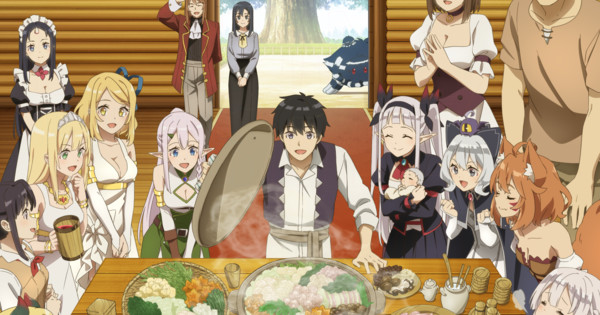
However, the new season also introduces narrative developments that challenge the protagonist. "Within this new series, I feel that Hiraku, the main character, goes through a lot of responsibilities that really test his ability as a village chief, and I feel that that’s a part you should really look into," Abe elaborated. This expansion of Hiraku’s role from simple farmer to a leader responsible for a growing community adds a new layer of depth to his character arc. Furthermore, the expanding cast provides ample opportunities for fresh interactions. "Also, the character roster has drastically increased once again, so that was a nice point to focus on, like the character interactions, and to see new sides of Hiraku, the main character." The introduction of new characters and the deepening relationships with existing ones promise to enrich the narrative tapestry.
The Fatherhood Factor
A significant evolution for Hiraku in the transition from the first season to the second is his newfound role as a father. This personal milestone presented a unique challenge for Abe in his portrayal. "At the very end of the first season, Hiraku has a kid, so he becomes a father," Abe noted. "When I started this role in the second season, I wondered how I could portray Hiraku as more fatherly. Once I actually started recording, it turned out I didn’t have to think too much about that aspect, and I could just act as I usually do." While Abe initially pondered specific nuances for a fatherly demeanor, he found that the character’s inherent kindness and gentle nature naturally translated into his paternal role. The addition of more children to the village further solidifies Hiraku’s position as a nurturing parental figure. "Also, the village gets more kids, so there’s the aspect of looking after them as a parental figure."
The Charm of Demon Spider Plushies and Production Choices
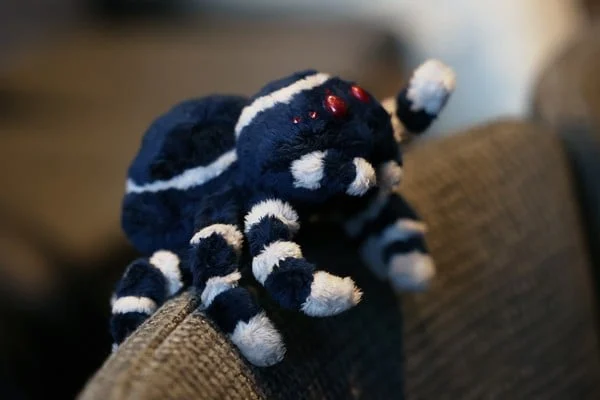
A lighthearted moment during the interview arose from a visual element – a plush toy of the demon spider character. The interviewer expressed delight, and Hiromi Sueta revealed a heartwarming detail about its creation. "This plushie was actually handmade by Riho Sugiyama, the voice actress of Ya, the mountain elf!" Sueta exclaimed. This personal touch from the cast and crew underscores the dedication and passion invested in the project, contributing to the warm and familial atmosphere that permeates the series.
The Genesis of a Mellow Isekai
Producer Hiromi Sueta offered insights into the inception of Farming Life in Another World as an anime adaptation. "Initially, I wasn’t the one who found the series; it was more of an offer brought to us about how there’s a very interesting series, and we definitely want to make it into an anime," Sueta explained. "I’ve looked into isekai series before, and this one had a more mellow feeling to it. I found this very interesting, and I was drawn into this series more so than others." The producer’s attraction to the series stemmed from its departure from the often high-stakes and conflict-driven narratives common in the isekai genre, opting instead for a more serene and introspective tone.
Strategic Direction: Prioritizing Slice-of-Life Over Harem
The production team made deliberate choices to shape the anime’s appeal, particularly in relation to its source material. "When we were deciding on direction with this series with the director, in the original source material, the harem aspect with the girls was strongly pushed in the manga," Sueta revealed. "In the anime, we decided that we should try to pull back from the harem aspect and focus on the slow life aspect of the series so we can make it a more easy-to-watch experience." This strategic decision to emphasize the "slow life" elements over a more prominent harem dynamic has been crucial in defining the anime’s unique identity and its appeal to a broader audience seeking comfort and relaxation in their viewing experience. This focus aligns with a growing trend in anime that caters to viewers looking for escapism and a sense of peace.
The Sonic Landscape: Folk Melodies and Global Influences
The musical score plays a vital role in establishing the serene atmosphere of Farming Life in Another World. Yasuharu Takanashi, a composer renowned for his energetic and dynamic compositions, was tasked with creating the music for this tranquil series. His approach, as relayed by Sueta, aimed for a multifaceted sonic experience. "A standout feature of the soundtrack is the incorporation of simple, folk-inspired elements. The score boasts an impressive musical range, spanning from tranquil melodies that capture the idyllic daily life of the characters to the high-octane, powerful battle themes that are Yasuharu Takanashi’s hallmark. This rich variety in composition is a major highlight of the series." This blend of gentle, everyday melodies with occasional bursts of Takanashi’s signature intensity creates a dynamic listening experience that mirrors the show’s narrative rhythm.
The inclusion of Swedish composer Johannes Nilsson further enriched the soundtrack, bringing an international flair to the production. "A definitive example of Johannes Nilsson’s contribution to the score is the music for the grape-stomping scene," Sueta highlighted. "The track exudes a powerful European folk vibe, serving as a prominent illustration of how the series seamlessly integrates ethnic musical elements." This deliberate incorporation of diverse musical traditions adds a unique depth and authenticity to the anime’s soundscape. Nilsson’s ambition to compose for Japanese animation led him to Team-MAX, where his distinct style was recognized by Takanashi as an ideal fit for Farming Life in Another World. This collaboration exemplifies a creative synergy where Takanashi’s broad artistic vision merged with Nilsson’s specific musical sensibilities.
Memorable Moments in Production
The production of Farming Life in Another World was marked by several unique and memorable aspects. Sueta recalled the unconventional recording process for the grape-stomping theme. "The first part relates to the music part. Especially the grape-stomping song. We actually recorded that song after recording the voices in the same studio. I think that was a very unique thing that not a whole lot of shows do." This integrated approach to music and voice recording likely fostered a more cohesive final product.
Beyond the sound, the animation studio, Zero-G, took extraordinary steps to imbue the series with authenticity. "As for the slice-of-life aspect, the production team over at Zero-G rented a crop field to actually experience farming life and add more realism into the mix," Sueta shared. "I think that aspect is really depicted in the series, and you can really sense the mellow feel of the series. And that’s really unique." This hands-on approach to understanding the subject matter demonstrates a profound commitment to capturing the essence of rural life, contributing to the series’ palpable sense of calm and realism.
The second season of Farming Life in Another World continues to offer viewers a gentle escape, a testament to the thoughtful production choices and the dedicated work of its cast and crew. As Hiraku expands his village and embraces new responsibilities, audiences are invited to share in the simple joys and quiet triumphs of life in another world.
Farming Life is Another World 2 is currently streaming in North America on HIDIVE. More information can be found on the official website.