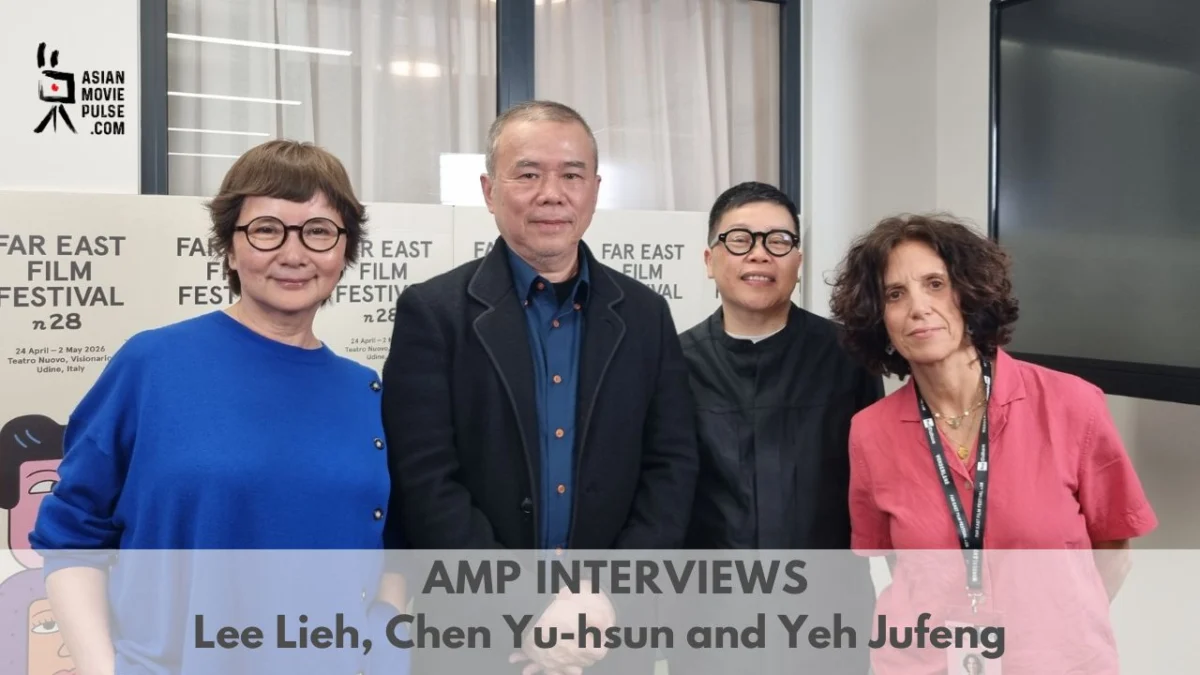
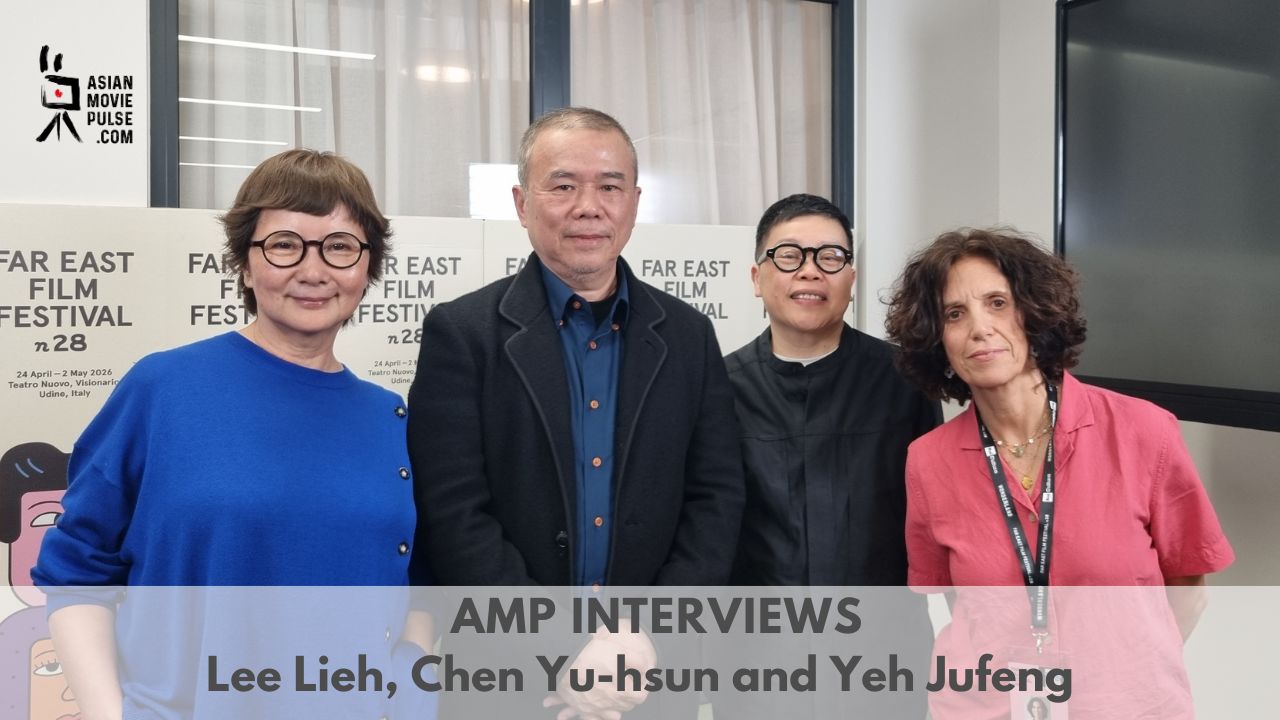
The esteemed Taiwanese director Chen Yu-hsun, accompanied by veteran producers Lee Lieh and Yeh Jufeng, recently engaged in an in-depth discussion about their latest cinematic endeavor, "A Foggy Tale," following its highly anticipated screening at the Udine Far East Film Festival (FEFF). The conversation delved into the profound inspirations that shaped the film’s narrative, the arduous challenges encountered during the production of its most emotionally charged sequences, and the vital societal dialogues the filmmaking trio hopes the feature will ignite among its global audience. This appearance marks a significant moment for Taiwanese cinema on the international stage, highlighting the festival’s enduring commitment to showcasing diverse and impactful Asian storytelling.
The Udine Far East Film Festival: A Gateway for Asian Cinema
The Udine Far East Film Festival, now in its 26th edition, stands as one of Europe’s premier platforms for promoting and celebrating contemporary Asian cinema. Established in 1999, FEFF has consistently championed films from across Asia, including East Asia, Southeast Asia, and South Asia, providing a crucial bridge between Asian filmmakers and European audiences and distributors. Its program typically features a diverse array of genres, from independent dramas and thought-provoking documentaries to mainstream blockbusters and cult classics, fostering cultural exchange and a deeper appreciation for the rich cinematic traditions of the continent. The selection of "A Foggy Tale" for its official program underscores the film’s artistic merit and its potential to resonate with an international viewership, aligning with FEFF’s mission to highlight films that are both culturally specific and universally relevant. The festival’s location in Udine, a picturesque city in northeastern Italy, transforms into a vibrant hub for cinephiles, industry professionals, and critics for over a week, facilitating networking opportunities and critical discourse around the presented works.
‘A Foggy Tale’: Unveiling Its Genesis and Narrative Core
"A Foggy Tale" is described as a poignant drama that explores themes of memory, trauma, and the complex interplay of personal history with collective societal narratives. Director Chen Yu-hsun, known for his ability to blend intricate character studies with compelling storytelling, revealed that the inspiration for "A Foggy Tale" stemmed from a combination of historical anecdotes and contemporary social issues prevalent in Taiwan. "The idea began with a fragmented memory, a whisper of a forgotten incident that lingered in the collective consciousness of a community," Chen explained during the panel. "We wanted to explore how unresolved past events can cast a long shadow over the present, influencing individual lives and familial relationships in unexpected ways."
The film reportedly centers on a protagonist grappling with a mysterious past, gradually uncovering layers of truth that challenge their perception of reality and identity. This narrative structure allows for a deep dive into the psychological impact of secrets and the universal human desire for understanding and reconciliation. Producer Lee Lieh, a titan in Taiwanese independent cinema, whose credits include critically acclaimed films that have garnered international recognition, emphasized the team’s commitment to authentic storytelling. "Our goal was not just to tell a story, but to evoke a sense of empathy and introspection," Lee stated. "Chen Yu-hsun’s vision allowed us to craft a narrative that is both deeply personal and broadly resonant, touching upon themes that transcend geographical boundaries."
The Creative Team Behind the Vision
Chen Yu-hsun has carved a distinctive niche in Taiwanese cinema with his nuanced approach to character development and his visually arresting directorial style. His previous works often explore the intricacies of human emotion against socio-political backdrops, earning him accolades for his ability to provoke thought while entertaining. "A Foggy Tale" is anticipated to further solidify his reputation as a master storyteller capable of tackling sensitive subjects with grace and depth.
Producers Lee Lieh and Yeh Jufeng bring a wealth of experience and an unwavering commitment to independent filmmaking. Lee Lieh, in particular, has been instrumental in nurturing numerous groundbreaking projects that have pushed the boundaries of Taiwanese cinema, providing the logistical and creative support necessary to bring ambitious visions to fruition. Yeh Jufeng, known for her sharp producing acumen and her ability to navigate the complexities of international co-productions and festival circuits, played a critical role in ensuring the film’s smooth production and its successful presentation at Udine. Their collaborative synergy has been a cornerstone of the film’s development, from securing financing to assembling a talented cast and crew. "This film required a delicate balance of artistic ambition and practical execution," Yeh Jufeng remarked. "We believe in giving filmmakers the freedom to explore their vision, while also providing the robust support system needed to realize that vision effectively."
Navigating Production Challenges: The Heart of the Film
One of the central points of discussion at Udine revolved around the challenges faced during the filming of "A Foggy Tale," particularly an emotionally charged scene identified by the filmmakers as pivotal to the narrative. Director Chen Yu-hsun elaborated on the intricacies involved in capturing the raw intensity required for this sequence. "That particular scene was the emotional core of the film," Chen revealed. "It demanded an extreme level of vulnerability from our actors and a precise technical approach to convey the profound psychological weight of the moment. We spent weeks in rehearsals, meticulously blocking movements and exploring emotional nuances, ensuring that every gesture and every line of dialogue contributed to the scene’s devastating impact."
The challenges extended beyond the actors’ performances. The scene reportedly involved complex atmospheric effects and a demanding shooting schedule under difficult conditions, requiring exceptional coordination between the cinematography, art direction, and special effects teams. Producer Lee Lieh added, "Logistically, it was one of the most demanding sequences. We were dealing with unpredictable weather patterns, specific lighting requirements, and the need to maintain a focused, supportive environment for our cast. Our crew’s dedication and resilience were truly remarkable in bringing Chen’s vision for that scene to life." This dedication highlights the meticulous craftsmanship and collaborative spirit that often characterize independent film productions, where passion often compensates for more extensive resources.
Sparking Vital Conversations: The Film’s Intended Impact
Beyond its artistic merit, the filmmakers expressed a profound hope that "A Foggy Tale" would serve as a catalyst for meaningful conversations among its audience. Director Chen Yu-hsun articulated this ambition clearly: "We hope this film prompts viewers to reflect on their own understanding of history, memory, and the unspoken truths within their own families and communities. It’s about confronting the past, not to dwell in sorrow, but to understand how it shapes our present and informs our future."
The film’s exploration of themes like intergenerational trauma, societal amnesia, and the search for identity through historical lens is particularly timely. In an era marked by rapid societal change and a re-examination of historical narratives, "A Foggy Tale" aims to contribute to a broader discourse on reconciliation and healing. Producer Yeh Jufeng emphasized the universality of these themes. "While the story is rooted in a specific Taiwanese context, the emotional journey and the questions it raises are universal," she explained. "We want audiences to leave the cinema not just entertained, but with a renewed sense of curiosity about their own personal and collective histories, and perhaps, a greater willingness to engage in difficult but necessary conversations." This aspiration aligns with the growing global trend of cinema being utilized as a powerful medium for social commentary and intellectual engagement, moving beyond mere entertainment to foster critical thinking and empathy.
The Journey from Concept to Screen: A Chronology
The development of "A Foggy Tale" began approximately five years ago, with Director Chen Yu-hsun dedicating considerable time to research and scriptwriting. The initial phase involved extensive historical research and interviews, grounding the fictional narrative in plausible realities.
- 2019-2020: Script development and initial financing discussions. Producers Lee Lieh and Yeh Jufeng joined the project, leveraging their industry connections to secure seed funding and attract key talent.
- 2021: Pre-production commenced, including casting, location scouting, and detailed production design. A significant portion of the film was planned to be shot in various historical sites across Taiwan, necessitating complex logistical arrangements and permits.
- Late 2021 – Early 2022: Principal photography took place over a period of four months, often under challenging weather conditions and within intricate historical settings. The crew navigated the complexities of shooting intense dramatic scenes, particularly the pivotal emotional sequence discussed at Udine.
- Mid-2022 – Early 2023: Post-production, encompassing editing, sound design, original score composition, and visual effects. This phase was critical in shaping the film’s atmospheric quality and narrative flow.
- Mid-2023: Film completion and submission to major international film festivals. "A Foggy Tale" quickly garnered attention from festival programmers due to its compelling narrative and strong artistic vision.
- April 2024: Official selection and premiere at the Udine Far East Film Festival, leading to the insightful discussion with the director and producers.
This meticulous timeline underscores the dedication and collaborative effort spanning several years, characteristic of ambitious independent film projects.
Broader Impact and Implications
The presence and reception of "A Foggy Tale" at the Udine Far East Film Festival carry significant implications for Taiwanese cinema and the careers of its creators. For Taiwanese cinema, such international exposure is vital for expanding its global footprint, attracting co-production opportunities, and securing distribution deals in diverse markets. Films that succeed on the festival circuit often pave the way for a broader appreciation of the national film industry’s unique voice and storytelling capabilities. The festival’s platform provides an invaluable opportunity for "A Foggy Tale" to be seen by international critics, sales agents, and distributors, potentially leading to wider theatrical releases or streaming acquisitions.
For Director Chen Yu-hsun, the positive reception at Udine solidifies his position as a significant voice in contemporary Asian cinema. It enhances his artistic credibility and opens doors for future projects, both domestically and internationally. Similarly, for producers Lee Lieh and Yeh Jufeng, the film’s success reaffirms their reputation for identifying and nurturing high-quality, impactful cinematic works, further strengthening Taiwan’s independent film ecosystem.
Furthermore, "A Foggy Tale" contributes to the ongoing global discourse on social issues through the lens of art. By exploring universal themes of memory, truth, and reconciliation within a specific cultural context, the film enriches the tapestry of international cinema, offering unique perspectives that can foster cross-cultural understanding and empathy. The discussions it aims to spark extend beyond the immediate viewing experience, encouraging audiences to engage with history, confront uncomfortable truths, and ultimately, seek paths toward healing and understanding. The Udine Far East Film Festival, by championing such profound and thoughtfully crafted films, continues to play an indispensable role in promoting cinema not just as entertainment, but as a powerful medium for cultural dialogue and social introspection.