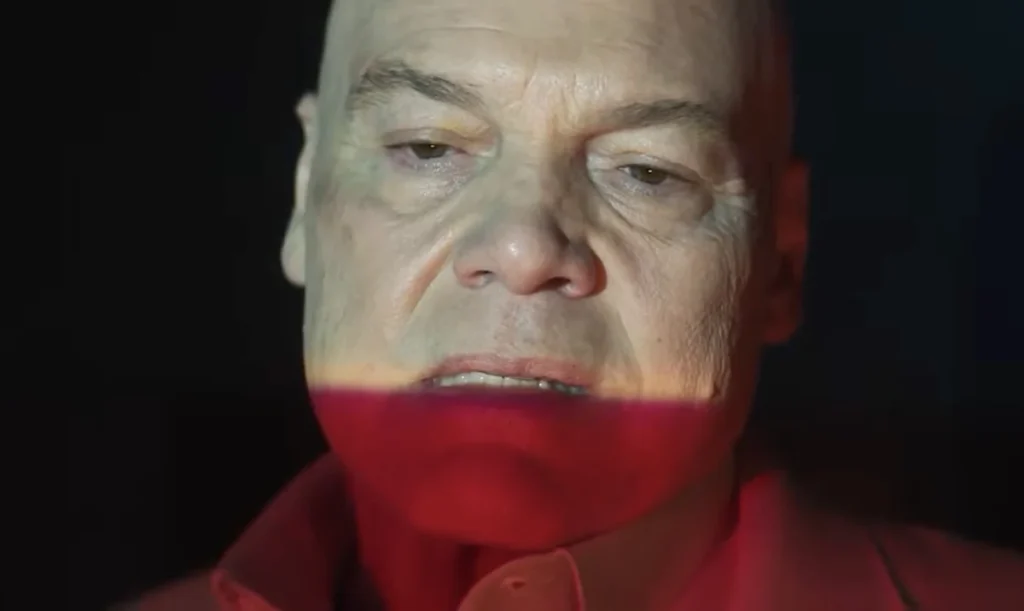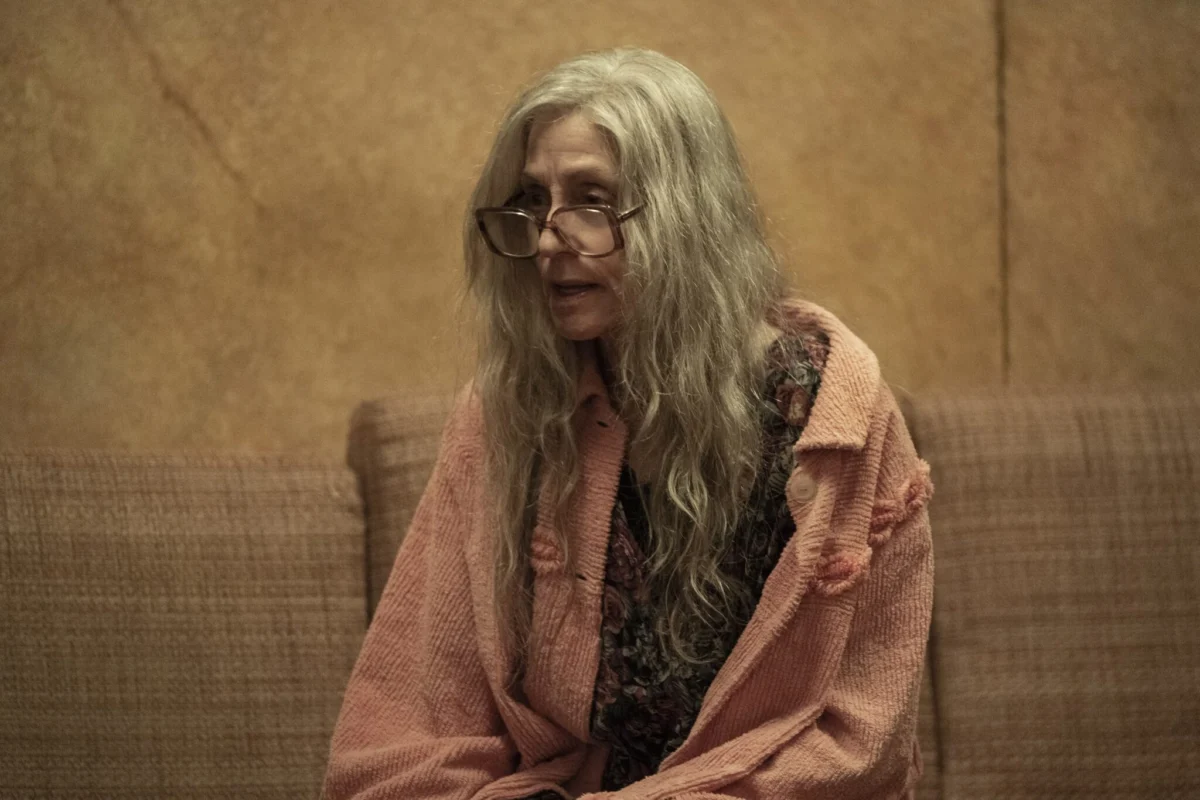
The second episode of AMC’s chilling drama, The Terror: Devil in Silver, plunges viewers deeper into the disquieting reality of New Hyde Hospital, an institution where the line between patient and prisoner blurs, and the monstrous lurks not just in the shadows, but within the very fabric of the system. This installment, titled "Devil in Silver," escalates the psychological torment of its characters, particularly focusing on the escalating plight of newcomer Pepper and the desperate, yet futile, attempts by others to expose the hospital’s grim secrets. The episode deftly weaves together moments of shocking violence, subtle psychological manipulation, and a poignant commentary on the historical and ongoing failures of institutional care for individuals with mental health challenges.
Pepper’s Escalating Ordeal and the System’s Grip
The episode opens with a stark depiction of Pepper’s confinement. His initial 72-hour psychiatric hold has been inexplicably extended to two weeks, a move that fuels his already potent anger and desperation to escape. This arbitrary extension underscores the lack of agency afforded to patients within New Hyde, where their liberties can be curtailed with little recourse. Pepper, driven by a singular focus on immediate freedom, embarks on a reckless pursuit of his keys, a tangible symbol of his lost autonomy. His impulsive actions, characterized by a disregard for long-term consequences, highlight a critical aspect of his personality: a tendency to address immediate problems without fully confronting their root causes or potential ramifications. This trait, while contributing to his immediate predicament, also serves as a microcosm of how the systemic issues at New Hyde operate – addressing symptoms rather than the underlying disease.
Meanwhile, the episode introduces Coffee’s persistent, yet disheartening, efforts to bring external attention to the horrors within New Hyde. His daily ritual of making calls and meticulously documenting them in a binder represents a beacon of hope in a sea of despair. His stated intention, "I mean to get the world to come in and see what’s here," encapsulates the desperate plea of those trapped within the institution. However, his calls are met with the same dismissiveness and apathy that plague the patients themselves. The comptroller’s brushoff is a potent symbol of how those in positions of power often turn a blind eye to systemic injustices, prioritizing bureaucratic convenience over human suffering. The chilling climax of Coffee’s efforts comes with a direct threat: a disembodied voice on the payphone orders him to ensure Pepper remains confined, or face lethal consequences. This sinister directive reveals the insidious network of control that extends beyond the hospital walls, hinting at a deeper conspiracy to maintain the status quo and silence any potential whistleblowers.
The Dehumanizing Dynamics of New Hyde
The narrative further explores the dehumanizing effects of institutionalization through various character interactions. Pepper’s desperate plea to Marisol for help highlights the limited avenues available to patients seeking support. When his attempt to escape leads to an accidental collision with the grandmother of patient Loochie, the ensuing violence, though initiated by Loochie’s fury, results in Pepper being the one punished. This inversion of justice—where the victim becomes the perpetrator in the eyes of the institution—is a recurring theme, illustrating how the system often protects its own and scapegoats those it purports to serve. Pepper’s subsequent sedation and physical restraint, culminating in his vulnerable state above his bed, sets the stage for a terrifying encounter with the unknown horror that haunts New Hyde. The description of something oozing from the ceiling and the straps being his only salvation paints a visceral picture of his impending doom, leaving the audience to question whether the threat is supernatural or a manifestation of the hospital’s own decay and neglect.

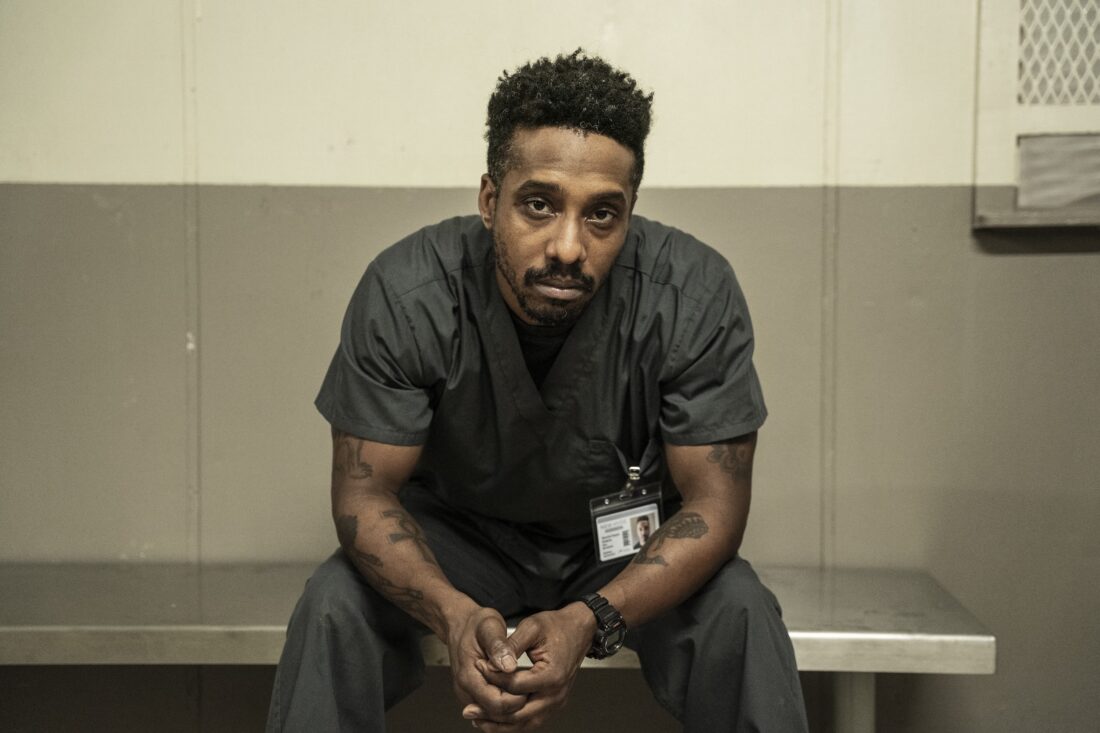
The episode also delves into the complex moral landscape of the New Hyde staff. Scotch Tape finds himself in a precarious position, caught between his own self-preservation and the ethical quandaries of his role. While he appears to be a cog in the machinery of abuse, the narrative suggests a more nuanced portrayal. His orders to restrain Pepper and break Charlie’s bones, juxtaposed with his own attempts to intimidate and harm Pepper, reveal a man struggling with the directives he receives. However, the episode posits that "none of the staff are bad people," suggesting their actions stem from a system that forces their complicity. Josephine’s efforts to send money home and Scotch Tape’s ambition to complete his residency illustrate their individual struggles and aspirations, hinting that they, too, are trapped by the circumstances of New Hyde, albeit from a different vantage point. This perspective challenges simplistic villainization, suggesting that the rot lies not solely with individuals, but with the institution itself.
The "Cuckoo’s Nest" Echoes and the Failure of Empathy
A significant portion of the episode is dedicated to a book club discussion led by Dr. Badger, who attempts to engage patients with Ken Kesey’s One Flew Over the Cuckoo’s Nest. This scene serves as a powerful allegory for the disconnect between the institution’s perceived intentions and the lived reality of its patients. Badger’s superficial understanding of the novel and his patronizing approach reveal his failure to truly connect with or empathize with his patients. He treats them as children, unable to grasp the profound suffering and systemic oppression they endure. The patients’ sarcastic allusions and the older patient’s reference to Nicholson, rather than McMurphy, underscore their awareness of the disconnect between Badger’s idealistic interpretation and their grim reality. They recognize they are not the rebels of Kesey’s narrative, but rather the forgotten souls confined to the "disturbed ward," a place described as "worse than death."
Badger’s inability to internalize the book’s message of sympathy for the marginalized is evident in his reaction to Pepper’s plea for basic human decency. While McMurphy’s actions in the novel were radical and disruptive, leading to profound change, Badger’s patients’ minor act of defiance—tearing up books—is met with severe threats. When the patients experience a fleeting moment of power through Badger’s capitulation, they quickly lose it as he reasserts his authority. The episode critiques the tendency to draw direct parallels between the show’s characters and those in Cuckoo’s Nest, arguing that Devil in Silver offers a more complex and contemporary examination of institutionalization. It highlights how the legacy of deinstitutionalization, initiated by policies that shifted mental healthcare from state hospitals to community-based programs that were subsequently defunded, has led to a crisis where prisons have become de facto mental health facilities. The statistics cited from the Prison Policy Institute, indicating a high prevalence of mental illness among incarcerated individuals and a lack of adequate care, provide a stark factual backdrop to the show’s fictional narrative. This data reinforces the show’s thematic exploration of how societal failures have perpetuated a cycle of neglect and abuse within the very institutions meant to provide care.
The Exploitation of the Vulnerable: A Parallel to Prison Systems
The episode draws a parallel between the treatment of New Hyde patients and the systemic exploitation inherent in the prison system, particularly concerning the census and political representation. Politicians benefit from having prisons in their districts because inmates are counted for census purposes, thus securing increased government funding, without having voting rights or local influence. This makes incarcerated individuals convenient, exploitable resources. Similarly, the patients at New Hyde are reduced to numbers, their voices silenced, and their needs disregarded by both the hospital staff and the wider political apparatus. Coffee’s futile attempt to appeal to the comptroller exemplifies this, showcasing how individuals without power or influence are easily dismissed, their existence reduced to a mere tally on a demographic sheet. This aspect of the narrative underscores the pervasive nature of systemic dehumanization, extending beyond the immediate confines of the hospital to the broader societal and political structures that perpetuate such injustices.
The visual presentation further reinforces the theme of dehumanization. Scotch Tape’s decision to drag Pepper by his feet, rather than provide more dignified assistance, is a deliberate act of degradation. This public display, occurring during visiting hours, serves as a stark reminder to both patients and their families of the hospital’s absolute authority and the patients’ diminished status. While Pepper also exhibits moments of dehumanization, such as his mocking of Sammy, the narrative distinguishes his actions by his capacity for remorse. His self-awareness and subsequent guilt over breaking Sammy’s spirit suggest a fundamental difference between him and the systemic cruelty he faces. This nuanced portrayal highlights that while individuals can contribute to the problem, the pervasive issue lies in the institutional environment that fosters such behavior and fails to uphold basic human dignity.
The Unseen Horrors and the Ambiguity of Reality
One of the most compelling aspects of The Terror: Devil in Silver is its masterful manipulation of perception, blurring the lines between reality, hallucination, and supernatural phenomena. From Coffee’s perspective, the flickering fluorescent lights above the mysterious silver door immediately following a sinister phone call are interpreted as the manifestation of the "Devil of New Hyde." However, later scenes reveal Scotch Tape simply fixing a lightbulb, reframing the event as a mundane, albeit dilapidated, aspect of hospital maintenance. This deliberate ambiguity forces the viewer to question what is real and what is a product of the characters’ heightened states of distress and the unsettling environment. This technique not only heightens the suspense but also serves as a potent metaphor for how systemic neglect and the inherent psychological toll of institutionalization can distort an individual’s perception of reality.
The episode is punctuated by meticulously crafted details that enrich the viewing experience. Coffee’s neat yet wandering handwriting, deviating from the lines on his paper, subtly conveys his internal disarray. The visual contrast between the faded "community" sign, the cracked ceiling, and deflated balloons further amplifies the sense of decay and lost hope within the hospital. The show’s deliberate use of off-center camera angles, discordant music, and worn production design collectively creates an immersive and unsettling atmosphere, signaling that The Terror is firing on all cylinders. Despite the overarching plot being discernible, the unique narrative approach, particularly in how it aims to alter Pepper’s trajectory, generates significant intrigue and anticipation for future episodes. The episode concludes with Pepper, battered and bloody, leaving the audience to ponder the source of his latest assault: the purported supernatural entity or another tormented patient, a question that encapsulates the pervasive ambiguity and horror of New Hyde.
Final Thoughts
The second episode of The Terror: Devil in Silver solidifies the series’ commitment to exploring the profound ethical and psychological dimensions of institutionalized care. It masterfully illustrates how systemic neglect, coupled with a lack of empathy, can transform places meant for healing into arenas of suffering and dehumanization. The narrative challenges viewers to look beyond individual blame and confront the broader societal failures that have led to the current state of mental healthcare institutions. As Pepper’s ordeal intensifies and the mysteries of New Hyde deepen, the episode leaves a lasting impression of the pervasive darkness that can engulf those deemed inconvenient by society, reminding us that the "devil" may indeed be in the silver of the system’s broken promises.