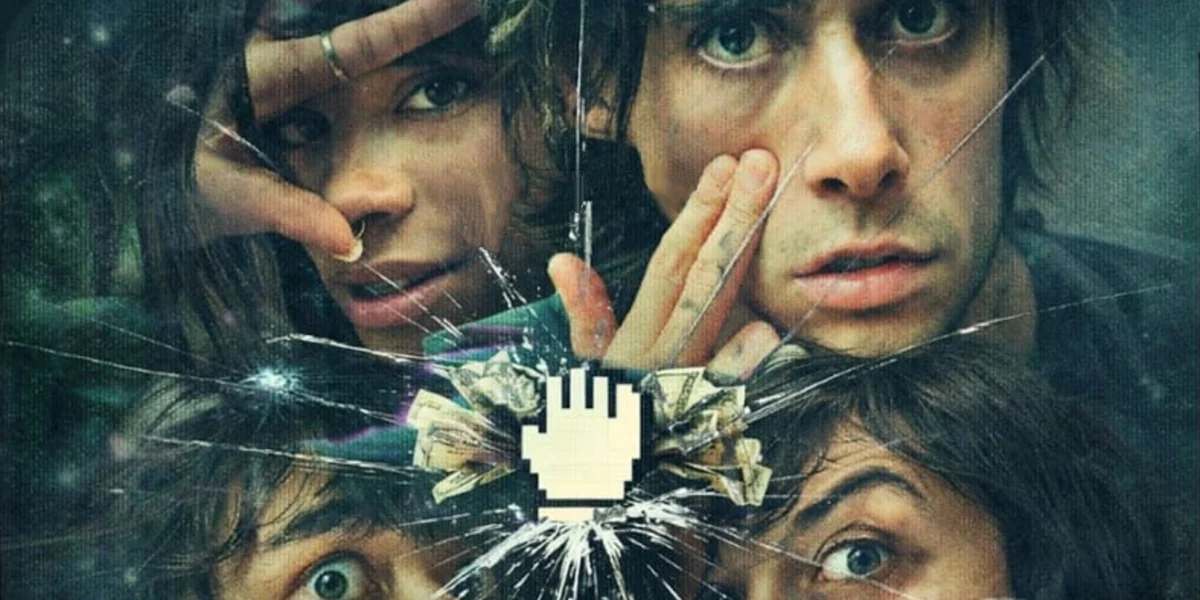
The Narrative Core: From Pranks to High-Stakes Heists
The plot of LifeHack centers on a tight-knit group of friends who utilize their technical prowess to engage in what they initially perceive as "ethical hacking." Their early activities are characterized by digital pranks aimed at online scammers—low-level criminals who prey on the vulnerable. However, the group’s ambitions quickly escalate. Seeking a greater thrill and a more substantial impact, they set their sights on Don Heard, a reclusive billionaire with a massive portfolio of cryptocurrency.
The group identifies a vulnerability not in Heard’s encrypted servers, but in the social media presence of his daughter, Lindsey. By exploiting the digital footprint of a family member, the film highlights a contemporary reality of cybersecurity: the "human element" is often the weakest link in even the most sophisticated security systems. The narrative follows the group as they successfully siphon Heard’s digital fortune, only to find themselves entangled in a web of consequences that transcend the digital realm. The film’s tension is derived from the real-time nature of the screenlife format, where every mouse click, notification, and video call carries the weight of a life-or-death decision.
Technical Execution and the Screenlife Format
LifeHack is the latest entry in the screenlife genre, a format popularized by films such as Unfriended (2014), Searching (2018), and Missing (2023). Unlike traditional filmmaking, screenlife tells its story entirely through the interfaces of computers, smartphones, and surveillance cameras. Ronan Corrigan’s direction has been specifically lauded for refining this visual language. Critics at SXSW noted that the film avoids the claustrophobia sometimes associated with the genre by utilizing a dynamic range of digital perspectives, from high-definition FaceTime calls to grainy closed-circuit television (CCTV) feeds.
The production of LifeHack required a unique collaborative process between the actors and the technical team. In screenlife productions, actors often serve as their own camera operators, holding smartphones or sitting in front of webcams to capture the intimate, first-person perspective required for the format. This approach demands a high level of performance consistency, as the audience is often focused on a single face for extended periods. The editing process, led by a specialized team of motion graphics designers, is equally critical, as the "world-building" occurs through the design of fictional operating systems, websites, and chat interfaces that must appear authentic to a tech-savvy audience.
Chronology of Production and Premiere
The journey of LifeHack from conception to its 2025 release reflects the rapid pace of the modern independent film industry.
- Late 2023: Pre-production commenced in London, with Ronan Corrigan and the casting directors focusing on a young, diverse ensemble capable of carrying a dialogue-heavy, tech-centric script.
- Spring 2024: Principal photography took place. Due to the screenlife format, the filming schedule was non-traditional, involving synchronized remote recordings and specialized sets designed to mimic domestic environments.
- Autumn 2024: The film entered an intensive post-production phase. This stage involved "layering" the screen interfaces, animating cursor movements, and integrating complex cybersecurity jargon into the visual narrative to ensure realism.
- March 2025: LifeHack premiered at the South by Southwest (SXSW) Film Festival in Austin, Texas. It was featured in the "Narrative Spotlight" section, a category known for discovering breakout indie hits.
- April 2025: Following positive critical reception, the promotional campaign intensified, featuring interviews with the cast and director on major platforms like the Next Best Picture Podcast.
- May 15, 2025: The film is scheduled for its official theatrical release across the United Kingdom and selected international markets.
Performance Analysis: A Launchpad for New Talent
The success of LifeHack is deeply rooted in its casting choices. Yasmin Finney, who rose to international prominence in the series Heartstopper, delivers a performance that anchors the emotional stakes of the film. Her character serves as the moral compass of the group, questioning the ethics of their escalation from pranksters to thieves. Georgie Farmer, known for his work in Wednesday, brings a frantic energy to the role of the group’s lead coder, capturing the nervous adrenaline of a high-stakes digital heist.
The inclusion of veteran actor Charlie Creed-Miles as the billionaire Don Heard provides a necessary gravitas to the antagonist role. His performance, often delivered through the detached medium of recorded interviews or security footage, creates a sense of an untouchable elite whose world is suddenly shattered by a group of youths he would otherwise ignore. The chemistry between the younger cast members—Roman Hayeck-Green, James Scholz, and Jessica Reynolds—has been cited as a highlight, making the high-pressure environment of the film feel grounded in genuine friendship and shared history.
Supporting Data: The Commercial Viability of Screenlife
While specific budget figures for LifeHack remain undisclosed, the screenlife genre is historically known for its high return on investment (ROI). For example, the 2018 film Searching was produced on a modest budget of approximately $880,000 and went on to gross over $75 million worldwide. This financial model makes the genre highly attractive to independent directors like Corrigan and production houses looking for high-concept stories that do not require the massive overhead of traditional action blockbusters.

The digital nature of the film also allows for unique marketing opportunities. By leveraging the same platforms depicted in the movie—TikTok, Instagram, and Discord—the promotional team for LifeHack has been able to reach a younger demographic that is increasingly moving away from traditional cinema. Industry analysts suggest that the "theatrical-first" release for LifeHack is a strategic move to build prestige before the film inevitably transitions to streaming platforms, where screenlife films often find their most enduring audiences.
Sociopolitical Themes: Wealth Inequality and Digital Vigilantism
Beyond its technical achievements, LifeHack serves as a commentary on the contemporary socio-economic landscape. The choice of a cryptocurrency billionaire as the "victim" is a deliberate nod to the polarizing nature of modern wealth accumulation. In an era where the digital divide is widening, the film taps into a zeitgeist of frustration regarding financial opacity and the perceived invulnerability of the one percent.
The film does not, however, present its protagonists as uncomplicated heroes. It explores the "God complex" that can accompany technical expertise. As the characters gain access to Heard’s private life and assets, the narrative examines how power—even when exercised from behind a keyboard—can corrupt. This thematic depth has led some critics to compare LifeHack to a digital-age Robin Hood, though one with a cautionary message about the permanence and traceability of digital actions.
Critical Reception and Industry Impact
The reception at SXSW was overwhelmingly positive, with reviewers highlighting the "invisible" complexity of the editing. Unlike traditional films where cuts are obvious, screenlife editing requires a seamless flow of windows opening, closing, and resizing. The writing was also praised for its authenticity; the dialogue avoids the "cringe-worthy" attempts at youth slang often found in older-penned scripts, instead opting for a realistic portrayal of how Gen Z and Millennials communicate in digital spaces.
Industry experts suggest that LifeHack could signal a shift in how British indie cinema approaches the thriller genre. By moving away from gritty kitchen-sink realism or traditional crime capers, Corrigan has demonstrated that the UK can produce high-tech, fast-paced thrillers that compete on a global stage without the need for Hollywood-scale budgets.
Broader Implications for the Future of Film
The release of LifeHack on May 15th will be a significant test for the theatrical endurance of the screenlife format. While the genre has seen success on streaming, the decision to push for a theatrical window suggests a belief that the tension of a cyber-thriller is best experienced in a communal, dark environment where the "screen within a screen" effect can be most immersive.
Furthermore, the film’s focus on cryptocurrency and social media engineering reflects a broader trend in cinema toward "technological realism." As audiences become more digitally literate, the tolerance for "magic hacking" (where a character types randomly to "bypass a firewall" in seconds) has vanished. LifeHack joins a new wave of media that respects the intelligence of its audience, portraying the tedious, methodical, and often psychological nature of modern hacking.
As the film moves toward its mid-May release, it remains a focal point for discussions regarding the future of independent filmmaking, the ethics of the digital age, and the continuing evolution of the cinematic frame. With a strong performance at SXSW and a cast of rising stars, LifeHack is positioned to be one of the most talked-about British films of the year, challenging viewers to reconsider their own digital footprints and the true cost of a "life hack."