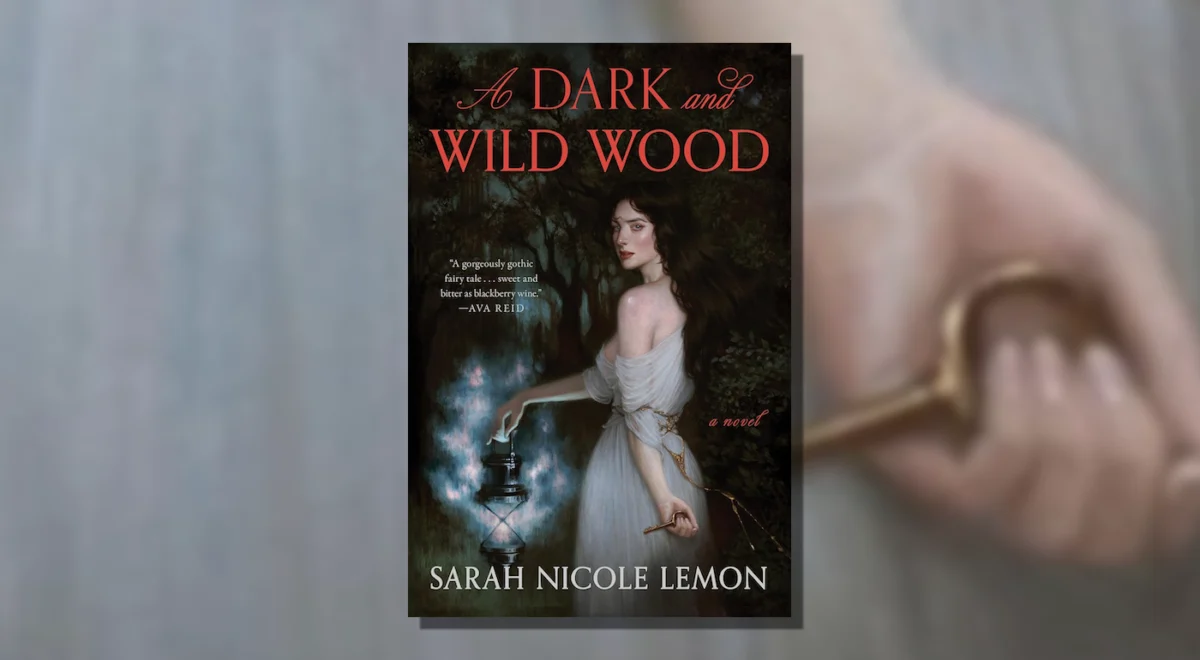
The literary world is poised for a chilling new addition with the impending release of Sarah Nicole Lemon’s debut dark fantasy novel, A Dark and Wild Wood. Scheduled to launch on May 26th from Harper Voyager, the novel promises a journey into a realm where the supernatural and the deeply human collide, exploring themes of loss, power, and the perilous allure of the unknown. Early excerpts reveal a narrative steeped in gothic atmosphere and psychological suspense, centered on a protagonist grappling with uncontrolled abilities and a devastating personal tragedy.
The core of A Dark and Wild Wood revolves around Salomé, a young woman whose life has been indelibly marked by visions of spirits and volatile, untamed powers. Her childhood was shattered by witnessing her foster mother’s immolation, branded a witch. Subsequently, Salomé and her sister, Rochelle, sought refuge in the austere confines of a convent. This grim sanctuary, however, offered little solace, as it was abruptly shattered by Rochelle’s inexplicable disappearance. This pivotal event propels Salomé on a desperate quest, a trajectory that leads her from the relative safety of a brothel, through a calamitous accident, and ultimately, into the foreboding depths of the Black Forest. It is within this ancient, untamed wilderness that Salomé encounters a figure of profound myth and dread: Lord Death.
However, this encounter does not culminate in the expected finality. Instead of claiming Salomé’s life, Lord Death ushers her into his enigmatic domain, a spectral manor at the heart of the woods. This estate is described as a place of disquieting contrasts, its architecture shifting and unstable, oscillating between ruin and grandeur. Lord Death extends an offer to Salomé: to become his apprentice, to learn to master her mind and her burgeoning magic. The narrative interrogates the nature of this offer, posing a fundamental question to the reader: can one truly trust Death, especially when his presence is as alluring as it is terrifying?
The Shadow of Disappearances: A Village Gripped by Fear
The published excerpt, titled "Drawn to the Edge," plunges the reader into the immediate aftermath of another unsettling disappearance within Salomé’s community. The dialogue between Salomé and Dacia, a fellow resident of the brothel, highlights a growing unease that has settled over the village. "Another girl is gone," Dacia reports, her words echoing the pervasive fear. The timing of these disappearances, beginning in the "October freeze, before Allhallowtide," and escalating through the subsequent months, amplifies the community’s anxiety.
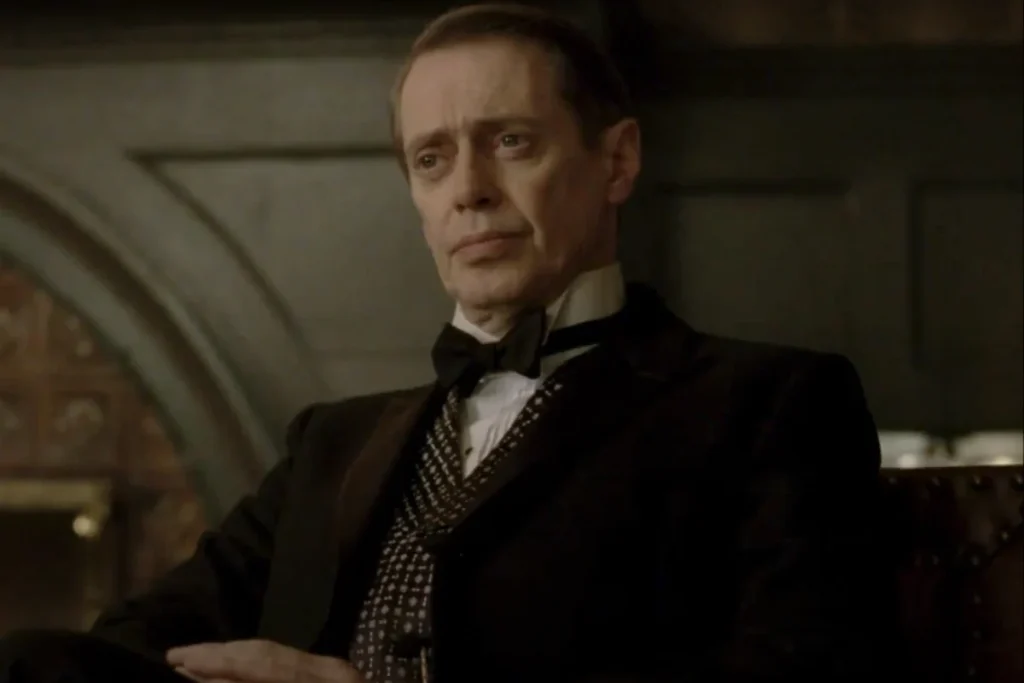
Initially, the disappearances were attributed to natural causes, such as wolf attacks or voluntary departures. However, as the pattern continued, affecting "daughters or wives of good standing in the village, good girls," the village narrative shifted dramatically. The prevailing, and increasingly whispered, tale speaks of a spectral figure known as "Death." This legendary being is described as a tall lord, cloaked in black, who rides a black stallion with hooves wreathed in smoke. He is said to lure girls from their beds, drawing them into the depths of the forest to his "château." The fate of these abducted girls, according to village lore, varies: some are taken as slaves, others as queens, the perceived virtue of the victim dictating the nature of her supposed destiny.
Salomé, tasked with the mundane duty of collecting eggs for the brothel’s cook, finds herself caught between the pressing reality of her environment and the chilling folklore that seems to be manifesting around her. Her personal history, marked by uncontrolled visions and the traumatic loss of her sister, imbues her perspective with a unique, albeit fearful, insight. She recalls the "black-eyed gaze of the burning man," a spectral entity she believes resides in the forest, distinct from the romanticized "Lord Death" of village tales. This memory, coupled with the recollection of a "thin figure" present during her foster mother’s burning, suggests a more ancient and terrifying presence at play, one that defies conventional understanding.
The Baron’s Shadow and the Seeds of Exploitation
Adding a layer of socio-economic tension to the unfolding mystery is the recent presence of the Baron. His arrival from King Frederick II’s court in Palermo, accompanied by a substantial retinue of guards, initially brought a flicker of hope for increased commerce within the valley. However, this optimism was short-lived. The Baron’s primary objective, it quickly became apparent, was the systematic extraction of tribute through oppressive taxation, leaving the villagers with little from their earnings. This economic strain, exacerbated by a "meager harvest" and an "early and long winter," creates an environment where desperation and fear can fester, making the villagers more susceptible to superstition and folklore. Whispers from other women at the well suggest the Baron himself may be an exile from the Holy Roman Court, owing to unspecified "financial misdeeds," a detail that could potentially explain his predatory approach to governance.

The narrative subtly suggests that the villagers’ focus on the mythical "Lord Death" might serve as a convenient distraction from more tangible, human-driven oppressions, such as the Baron’s exploitative policies or the harsh realities of life in a precarious economy. Salomé’s pragmatic suggestions of girls running away to join the "Bandits of Molsheim," a group reportedly tormenting the new Baron, offer a counterpoint to the supernatural explanations, highlighting the complex web of threats and dangers the community faces.
The Haunting Echoes of Loss
Salomé’s deep-seated fear is not solely rooted in the present disappearances; it is profoundly connected to the unresolved trauma of her sister Rochelle’s vanishing five years prior. The excerpt powerfully conveys the enduring impact of this loss, describing it as a "childlike terror and the memory of the monster who took her" that remains "clear and vivid." At twenty-four years old, Salomé is still haunted by the event, the raw grief manifesting as a physical sensation: "A terrible burning leapt into my throat, as if I were still out there, in the field, screaming for my sister to be returned to me."
Her desperate attempt to dismiss Dacia’s casual invocation of "Lord Death" is a clear indicator of her profound unease. The sudden gust of wind, the unnerving silence that descends upon the world, and the visual of "dark gray trees clattering like bones" all contribute to an atmosphere of palpable dread, suggesting that Salomé’s fears are not merely psychological but are perhaps attuned to a more sinister reality. Her panicked plea, "You don’t know what you might call. I can’t…" is cut short by an overwhelming sense of helplessness, her words "clumped together in my throat."
The narrative culminates in Salomé’s internal reassurance: "I had nothing to fear, I reassured myself, for there was nothing left to take and nowhere lower for me to go." This statement, however, carries a profound undercurrent of fatalism, suggesting that while her external circumstances may have reached their nadir, the internal battles and the unresolved mysteries of her past are far from over.
Debut Author and Anticipated Release
Sarah Nicole Lemon’s A Dark and Wild Wood marks a significant entry into the dark fantasy genre. The novel’s exploration of a protagonist with nascent, uncontrolled magical abilities, set against a backdrop of escalating disappearances and folklore, positions it as a compelling read for fans of atmospheric and character-driven fantasy. The juxtaposition of the supernatural with the harsh realities of poverty, oppressive governance, and personal trauma promises a multi-layered narrative.
Harper Voyager, a publisher known for its impactful genre fiction, has slated the release for May 26th, signaling a strategic push for the title during a key period for book releases. The early excerpt serves as a potent teaser, effectively establishing the novel’s tone, introducing its central conflict, and hinting at the darker forces at play within its fictional world. The author’s ability to weave together elements of folklore, psychological horror, and a compelling character arc suggests that A Dark and Wild Wood is poised to become a memorable and talked-about debut. The narrative’s engagement with themes of control, destiny, and the ambiguous nature of power, particularly in the figure of Lord Death, invites readers to question the boundaries between myth, reality, and the terrifying potential that lies dormant within the human spirit and the wild, untamed world. The novel’s intricate world-building and its protagonist’s desperate search for answers and agency within a world fraught with danger are key elements that are expected to resonate with a broad audience.