Directed by Charline Bourgeois-Tacquet, the film presents a sophisticated examination of contemporary womanhood through the lens of a high-achieving professional navigating the intersections of career, caregiving, and personal desire. Featuring a powerhouse performance by César Award-winner Léa Drucker, the narrative follows Gabrielle, a prominent surgeon and hospital department head whose meticulously ordered existence is challenged by an unexpected romantic encounter. The film, which runs for 98 minutes, marks a significant stylistic evolution for Bourgeois-Tacquet, following her acclaimed debut, Anaïs in Love. By blending the clinical realities of the French healthcare system with the romantic escapism of the Italian Alps, the production offers a nuanced critique of the "having it all" archetype that has long dominated Western feminist discourse.
Narrative Structure and Thematic Framework
The film is structured through a series of distinct chapter headings, a literary device that reflects the protagonist’s internal attempt to categorize and manage her sprawling responsibilities. The opening chapter, titled "I Want It All," establishes the thematic foundation of the story. Gabrielle is depicted as a woman who has reached the pinnacle of her profession, yet her success is tethered to a relentless cycle of demands.
As a department head, Gabrielle operates within a hospital environment characterized by systemic strain, including chronic nursing shortages and supply deficits. This professional pressure is mirrored in her domestic life. Her husband, played by Charles Berling, remains occupied by his adult children who have yet to fully vacate the family home. Simultaneously, Gabrielle must manage the emotional and logistical burden of her mother’s declining health; Marie-Christine Barrault portrays the mother, who is suffering from Alzheimer’s disease and is on the verge of transitioning into a full-time care facility.
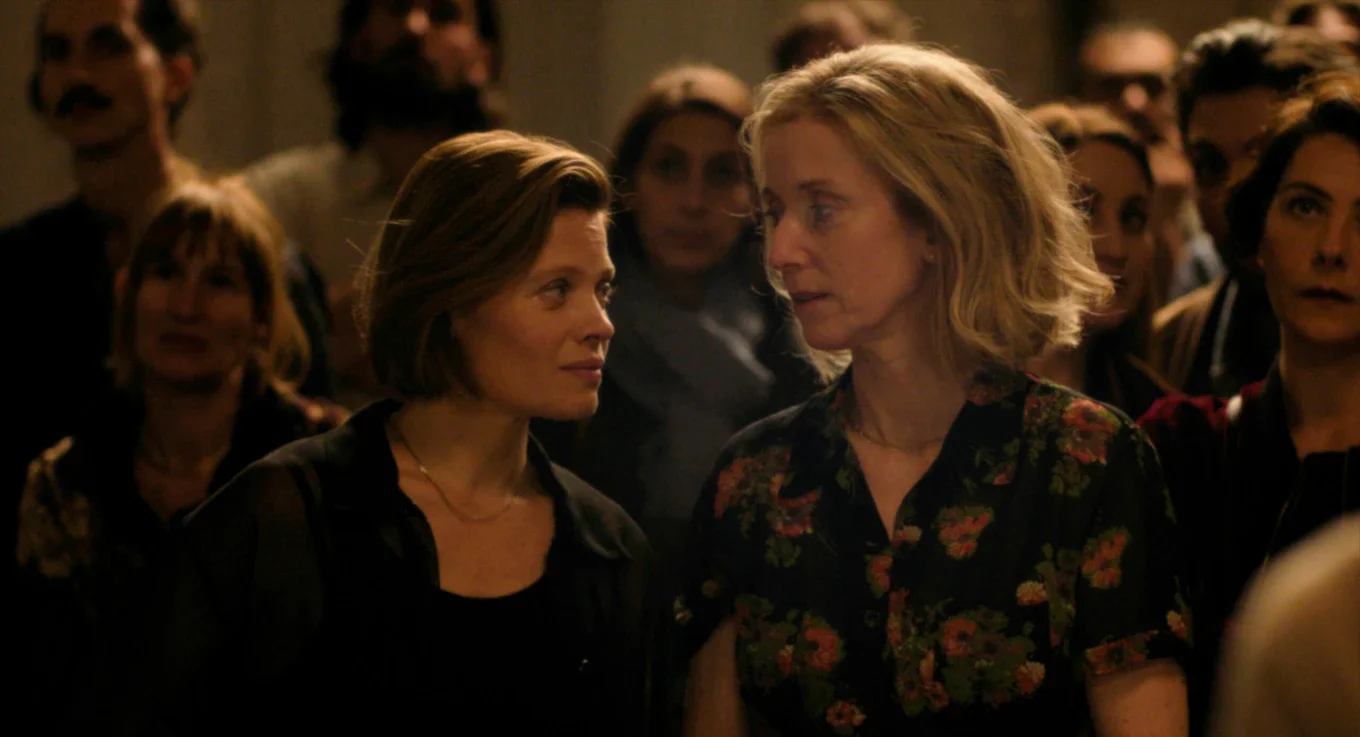
The arrival of Frida, a writer portrayed by Mélanie Thierry, serves as the narrative’s primary catalyst. Frida enters Gabrielle’s world to observe her surgical work for a novel, but her presence quickly evolves from professional curiosity to a source of profound personal disruption. The contrast between Gabrielle’s rigid, high-stakes environment and Frida’s fluid, creative lifestyle creates a tension that drives the film toward its bittersweet resolution.
Chronology of Character Evolution
The film’s progression is marked by Gabrielle’s gradual realization that her "perfect" life is a construct of endurance rather than fulfillment. The narrative timeline can be divided into three primary phases:
- The Professional Equilibrium: The first act establishes Gabrielle’s competence and the societal expectations placed upon her. This phase is punctuated by a significant monologue where Gabrielle defends her choice not to have children, challenging the assumption that professional dedication is a compensatory mechanism for a lack of traditional family structure.
- The Romantic Awakening: The middle act shifts the focus to the burgeoning relationship between Gabrielle and Frida. This transition is highlighted by the chapter "No," which captures the magnetic chemistry between the two women during a performance art event. The connection is built on intellectual and emotional parity, offering Gabrielle a reprieve from the "dependent" relationships she manages in her daily life.
- The Italian Interlude and Aftermath: The final phase of the film, titled "Encore," takes place in the Italian Alps and Torino. This geographical shift signifies a departure from Gabrielle’s responsibilities. In the serenity of the mountains, her demeanor softens, revealing a side of her personality that had been suppressed by the demands of the hospital and her family. The film concludes by addressing whether this newfound passion can be integrated into her existing life or if it necessitates a total upheaval of her security.
Supporting Data and Production Context
A Woman’s Life benefits from the collaboration between Charline Bourgeois-Tacquet and co-writer Fanny Burdino. The screenplay is noted for its linguistic precision, particularly in how it handles the medical and domestic vernacular. The production’s choice to cast Léa Drucker was pivotal; Drucker is widely recognized for her ability to portray internal conflict with minimal external artifice, a skill that earned her the César Award for Best Actress in the 2017 film Custody.
The film’s exploration of the "childfree by choice" lifestyle reflects broader demographic trends in Europe. According to data from Eurostat, the number of women choosing not to have children has seen a steady increase over the last two decades, yet cinematic representations of this choice often frame it as a source of regret or trauma. Bourgeois-Tacquet’s film departs from this trope by presenting Gabrielle’s childlessness as a rational and settled decision, rooted in her history of caregiving for her younger sister—a detail that adds significant depth to her character’s backstory.
The film also provides a stark, factual look at the French medical sector. By incorporating subplots involving supply shortages and administrative burnout, the filmmakers ground the romantic drama in a recognizable socioeconomic reality. This dual focus ensures that the film functions both as a character study and a subtle commentary on the state of public institutions.
Critical Analysis of Performance and Direction
Léa Drucker’s performance is the undeniable anchor of the film. Critics have noted that her ability to command the screen through "revelatory moments" and "intense glances" allows the film to maintain its gravity even when the narrative pacing becomes brisk. Her portrayal of Gabrielle is one of controlled intensity, which makes her eventual vulnerability in the presence of Frida more impactful.
Mélanie Thierry provides a necessary counterpoint to Drucker’s groundedness. As Frida, Thierry embodies a "je ne sais quoi" energy that justifies Gabrielle’s sudden infatuation. The chemistry between the two leads is established quickly, which is essential given that their relationship serves as the emotional bookend of the story.
Director Bourgeois-Tacquet utilizes close-ups to emphasize the psychological weight of Gabrielle’s decisions. While the use of chapter headings has received mixed feedback from some industry analysts—with some arguing that they interrupt the narrative flow—they serve the director’s intent to show the "compartmentalization" required of modern women. The transition to the Italian Alps is captured with a change in color palette and pacing, moving from the sterile, fast-paced blues and whites of the hospital to the warmer, expansive tones of the Italian landscape.
Broader Impact and Implications
The film enters a global conversation regarding the "invisible labor" performed by women, particularly those in the "sandwich generation" who are simultaneously caring for aging parents and managing their own professional lives. By depicting Gabrielle’s fatigue, the film validates the experiences of a demographic that is frequently overlooked in mainstream cinema.
Furthermore, A Woman’s Life contributes to the evolving "New French Wave" of female-led dramas that prioritize psychological realism over melodramatic tropes. It challenges the traditional "romance" narrative by suggesting that the most significant conflict is not between two lovers, but between a woman and the life she has built for herself. The film’s refusal to provide a simplistic, happy ending reinforces its commitment to pragmatic storytelling.
Industry experts suggest that the film’s success on the festival circuit and its subsequent release signal a growing appetite for stories that address the complexities of middle-aged female identity. As the film industry continues to grapple with issues of representation, Bourgeois-Tacquet’s work stands as a testament to the power of nuanced, character-driven narratives that eschew stereotypes in favor of lived truth.
Conclusion and Final Assessment
While the film’s 98-minute runtime and chapter-based structure may feel compressed to some viewers, the strength of the central performances ensures a lasting impact. The "hospital monologue" is expected to remain a standout scene in contemporary French cinema for its direct confrontation of gendered expectations. Ultimately, A Woman’s Life is a tribute to the resilience of women who navigate the contradictions of modern life, offering a bittersweet but honest reflection on the cost of "having it all." The film leaves the audience with a glowing final thought: that the most intense love one can pursue is the reclamation of one’s own identity and time.