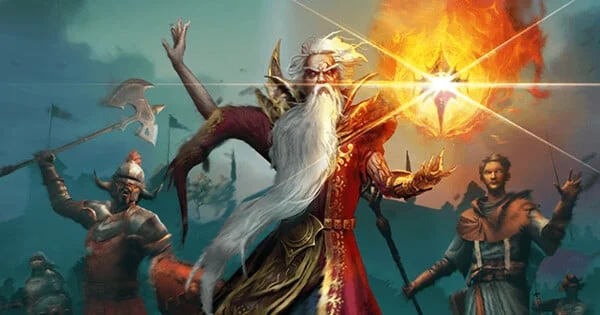
Atari announced on Wednesday that it has secured the complete and exclusive rights, along with the underlying intellectual properties (IP) of the first five seminal Wizardry games. This acquisition marks a significant move by Atari to re-engage with a legendary RPG franchise that has shaped the genre for decades. The games included in this landmark deal are Wizardry: Proving Grounds of the Mad Overlord (1981), Wizardry II: The Knight of Diamonds (1982), Wizardry III: Legacy of Llylgamyn (1983), Wizardry IV: The Return of Werdna (1987), and Wizardry V: Heart of the Maelstrom (1988). These titles are widely regarded as the foundational pillars of the Wizardry universe and are deeply etched in the memories of many long-time fans.
Atari’s ambitious plans extend beyond simply re-releasing these classic titles. The company stated that the acquisition encompasses a broader spectrum of Wizardry-related assets, including other video games within the franchise, associated contract rights, and various other intellectual property elements. The overarching strategy is to revitalize the Wizardry brand through a multi-faceted approach. This includes making the games accessible again via both digital and physical distribution channels, as well as the development of remasters, curated collections, and entirely new installments. Furthermore, Atari has outlined a long-term vision to cultivate Wizardry into a comprehensive entertainment franchise, potentially including merchandise, card and board games, literary works such as books and comics, and even television and film projects. This initiative aims to build upon the legacy of the "Original Wizardry" games and establish a robust AN Entertainment franchise.
However, the announcement was quickly followed by a statement from Drecom, a Japanese video game developer, on Thursday, which sought to clarify the situation and deny reports suggesting Atari had acquired the trademark rights to the Wizardry IP. Drecom, which itself acquired the copyrights and domestic and foreign trademarks for the Wizardry game series in 2020, indicated that it had been recently informed of Atari’s acquisition of rights to the first five Wizardry games from the original rights holder. This suggests a potential misunderstanding or differing interpretations of the scope of rights involved in the transaction.
Drecom’s statement was unequivocal regarding its ownership and intentions. The company explicitly stated that it has no intention of selling the Wizardry trademark rights or any other rights it currently holds in the future. Drecom affirmed its continued commitment to managing the Wizardry IP brand and maintaining its domestic and international trademark rights for the game series. This assertion directly contrasts with any implication that Atari’s acquisition included broad intellectual property control over the entire Wizardry brand.
In response to the developing narrative and potential confusion, Atari provided a clarifying statement to ANN. The company reiterated its acquisition of the "full rights" to the first five Wizardry games and their underlying IP, emphasizing their status as the "formative Wizardry titles and universe with which most fans are familiar." Crucially, Atari acknowledged the distinction in ownership by stating, "Drecom owns the Wizardry trademark." Atari also highlighted its collaborative relationship with Drecom on the recently released remake of Proving Grounds of the Mad Overlord, underscoring a level of ongoing partnership despite the differing scopes of their respective acquisitions.
Atari’s original press release on Wednesday had also made a point to differentiate the ownership of later installments in the series. It noted, "The Wizardry titles 6, 7 and 8 are owned by the Japanese publishing company Drecom and are based on a different fictional universe." This statement further supports the understanding that Atari’s acquisition is focused on the early, foundational games, while Drecom retains control over subsequent titles and the overarching brand trademarks.

A Rich History and Enduring Legacy
The Wizardry franchise boasts a storied history, originating in 1981 with the groundbreaking Wizardry: Proving Grounds of the Mad Overlord. This inaugural title was co-created by Robert Woodhead of AnimEigo and the late Andrew C. Greenberg. The game was a pioneer in the computer RPG genre, introducing complex dungeon crawling, intricate character development, and challenging combat that would influence countless games that followed. The 3D remake of Proving Grounds of the Mad Overlord, released in May 2024, has already garnered critical acclaim, even winning the "Best Score Soundtrack for Video Games and Other Interactive Media" award at the 67th Grammy Awards earlier this year, a testament to the enduring appeal and artistic merit of the series.
The Wizardry franchise has played a pivotal role in the evolution of role-playing games, leaving an indelible mark on both Western and Japanese game development. Its intricate design and challenging gameplay have inspired a generation of developers, leading to the creation of numerous RPGs that owe a significant debt to its foundational mechanics. The series has maintained a consistent and dedicated following, particularly among Japanese players, where the popularity of Wizardry has led to a proliferation of spin-off titles that often outnumber the main entries in the series. This enduring popularity underscores the franchise’s cultural significance and its deep roots within the gaming landscape. Drecom’s acquisition of the game series’ copyrights and trademarks in October 2020 was a significant event, signaling a renewed focus on the brand’s future in the Japanese market and potentially globally.
The cultural impact of Wizardry extends beyond video games, having inspired an original video animation (OVA) in 1991. This cross-media expansion further solidified its status as a significant cultural touchstone for fans of fantasy and role-playing narratives. The franchise’s ability to inspire adaptations and remain relevant across different media highlights its robust world-building and compelling narrative potential.
Timeline of Key Events
- 1981: Wizardry: Proving Grounds of the Mad Overlord is released, co-created by Robert Woodhead and Andrew C. Greenberg, establishing the foundation for the RPG genre.
- 1982-1988: The next four seminal titles in the series are released: Wizardry II: The Knight of Diamonds, Wizardry III: Legacy of Llylgamyn, Wizardry IV: The Return of Werdna, and Wizardry V: Heart of the Maelstrom.
- 1991: A Wizardry OVA is released, demonstrating the franchise’s influence beyond video games.
- October 2020: Japanese video game developer Drecom acquires copyrights and domestic and foreign trademarks for the Wizardry game series.
- May 2024: The 3D remake of Wizardry: Proving Grounds of the Mad Overlord is launched.
- February 2025: The soundtrack for the Wizardry: Proving Grounds of the Mad Overlord remake wins the "Best Score Soundtrack for Video Games and Other Interactive Media" award at the 67th Grammy Awards.
- May 6, 2026: Atari announces its acquisition of the complete and exclusive rights and underlying IP for the first five Wizardry games.
- May 7, 2026: Drecom releases a statement clarifying its ownership of the Wizardry trademark and denying reports of its sale, while acknowledging Atari’s acquisition of rights to the early games.
Analysis of Implications
Atari’s acquisition of the first five Wizardry games, while seemingly limited in scope by Drecom’s trademark ownership, represents a strategic move to leverage a highly recognizable and historically significant IP. By focusing on the foundational titles, Atari is tapping into a source of nostalgia and critical acclaim that can be the bedrock for new ventures. The company’s stated intent to produce remasters, collections, and new releases suggests a desire to not only preserve but also evolve the Wizardry experience for a modern audience. The potential for expanding into merchandise and other media could significantly broaden the franchise’s reach and revenue streams, transforming it into a multi-platform entertainment property.
The clarification from Drecom is crucial for understanding the current landscape of Wizardry IP ownership. Their firm stance on retaining trademark rights indicates that while Atari can develop and distribute games based on the first five titles, Drecom holds the ultimate authority over the Wizardry brand name and its associated trademarks. This division of rights suggests a complex legal framework governing the franchise, likely established during previous transactions. The collaborative relationship between Atari and Drecom on the recent remake is a positive indicator that future collaborations might be possible, potentially benefiting the franchise as a whole. However, it also highlights the delicate balance required to manage such a valuable and historically significant IP with multiple stakeholders.
The continued popularity of Wizardry, especially in Japan, underscores its deep-seated appeal. The large number of spin-off titles developed there speaks to the creative potential inherent in the Wizardry universe, even beyond the original five games. Drecom’s role as the steward of the later titles and the overarching brand trademarks positions them as a key player in the future direction of the franchise. Their commitment to managing the IP suggests a long-term strategy for growth and expansion, which could involve new game development, licensing opportunities, and brand building initiatives.
Ultimately, the recent announcements highlight a dynamic period for the Wizardry franchise. Atari’s acquisition of the early game rights, coupled with Drecom’s continued ownership of the trademark and later titles, sets the stage for a period of both renewed interest and careful navigation of IP rights. The success of these endeavors will likely depend on the ability of all parties involved to collaborate effectively and to honor the legacy of this iconic RPG series while forging new paths for its future. The enduring impact of Wizardry on the RPG genre and its continued resonance with players worldwide ensure that its story is far from over.