Makoto Nagahisa’s searing 2026 Japanese drama, "Burn," starring Nana Mori in her inaugural solo leading role, has emerged as a powerful cinematic force, offering an unflinching look into the lives of Japan’s marginalized youth. The film, which garnered significant attention at its Sundance Film Festival premiere, delves into themes of familial abuse, societal neglect, and the perilous search for belonging within the shadows of urban nightlife. Its authentic portrayal and bold visual style have positioned it as a critical commentary on contemporary Japanese society, resonating deeply with audiences and critics alike as it continues its festival run, including a prominent screening at Japan Cuts.
A Five-Year Journey to Authenticity: The Genesis of "Burn"
The genesis of "Burn" is rooted in a meticulous five-year development process undertaken by writer and director Makoto Nagahisa. His commitment to authenticity was paramount, involving extensive interviews with actual "Toyoko youths"—a term referring to young people, often runaways or those experiencing homelessness, who congregate around the "Toyoko Kids" area near the Toho Cinemas building in Shinjuku’s Kabukicho district. These candid conversations served as the bedrock for the film’s characters and narrative, ensuring that the experiences depicted on screen were deeply informed by real-life struggles. This rigorous research underscores Nagahisa’s dedication to social realism, aiming to shed light on a segment of society often overlooked or misrepresented.
Actress Nana Mori, cast as the protagonist Jurie, embraced this commitment to authenticity with remarkable dedication. In preparation for her role, Mori undertook an immersive experience, relocating to Kabukicho and striving to adopt a lifestyle mirroring that of the young individuals central to the film. This included adhering to a similar diet and immersing herself in the environment, a method acting approach designed to cultivate a profound understanding of Jurie’s psychological and physical reality. Her commitment to inhabiting the character’s world, far beyond mere performance, highlights the gravity with which the entire production approached its sensitive subject matter.
On Location: Capturing Kabukicho’s Gritty Reality
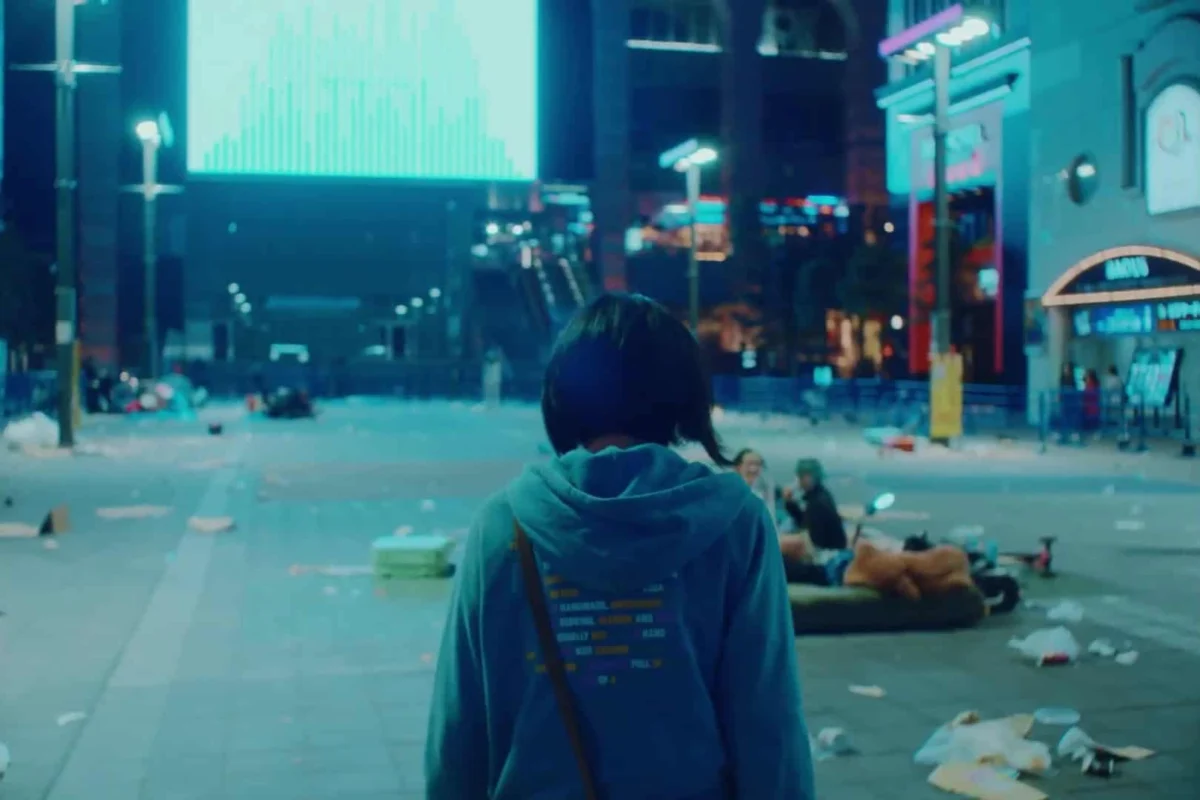
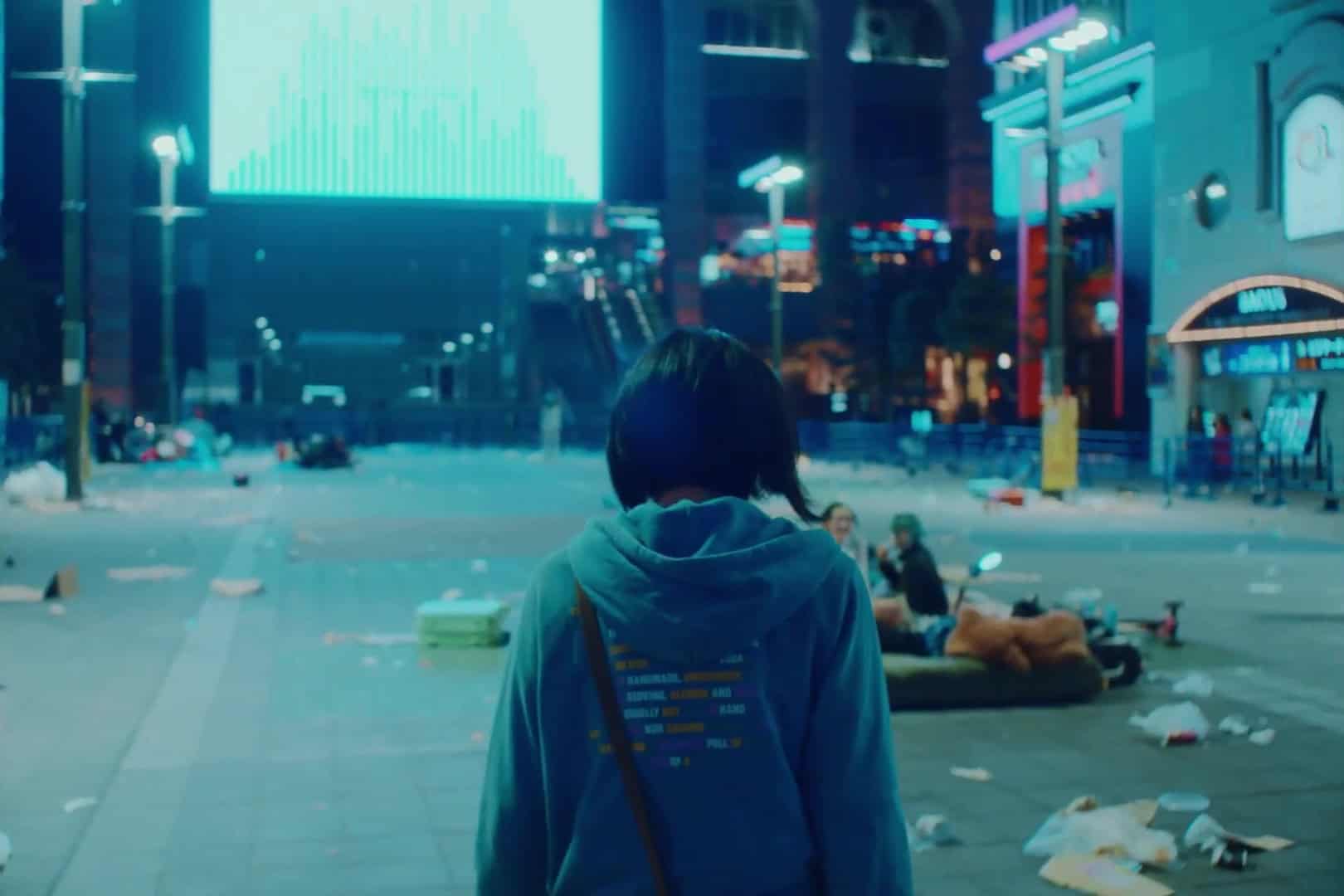
Principal photography for "Burn" was conducted at many of the actual locations that shape the narrative, imbuing the film with an undeniable sense of realism. Filming took place in the very heart of Shinjuku’s Kabukicho district, including the notorious Toyoko Square, along with nearby business hotels, host clubs, and karaoke boxes—venues that are integral to the daily lives of the youths depicted. This on-location shooting strategy, while crucial for authenticity, presented significant production challenges. The pervasive sounds of Kabukicho’s bustling nightlife—the incessant chatter, distant music, and general urban din—frequently interfered with dialogue recording, necessitating substantial re-recording during post-production. This technical hurdle underscores the immersive environment the crew sought to capture, even at the cost of production efficiency.
Director Nagahisa was also keen to adopt a visual style that enhanced the film’s raw, documentary-like feel. Several scenes were intentionally designed to mimic footage captured with hidden cameras, contributing to a voyeuristic and immediate aesthetic. However, Nagahisa emphatically clarified that no covert or illegal filming took place. To maintain ethical standards while achieving the desired visual effect, individuals visible in the background of these scenes were meticulously trained extras, ensuring both the integrity of the production and the safety of the public. This careful balance between artistic vision and ethical practice further exemplifies the film’s thoughtful approach to its sensitive subject.
A Critical Timeline: From Sundance to Japan Cuts
"Burn" marked its international debut in the NEXT section of the prestigious Sundance Film Festival on January 25, 2026. The NEXT program, known for showcasing innovative and forward-thinking cinema, provided a high-profile platform for the film to reach a global audience, immediately signaling its artistic ambition and relevance. The premiere was met with a strong reception, with critics praising its bold storytelling and powerful performances.
Following its international success, "Burn" opened in Japan on April 10, 2026, where it quickly demonstrated its resonance with local audiences. Initial screenings in major cities such as Tokyo, Osaka, and Hakata sold out within the first three days, indicating a significant public interest in the film’s exploration of domestic social issues. This immediate commercial success, coupled with its critical acclaim, solidified "Burn"’s position as a noteworthy release in the Japanese cinematic landscape.
Currently, "Burn" is making waves at Japan Cuts, North America’s largest festival of new Japanese cinema, where it continues to draw critical attention. Its inclusion in such a prominent festival further extends its reach, allowing a broader international audience to engage with its compelling narrative and challenging themes. The festival screening underscores the film’s global appeal and its contribution to contemporary world cinema, reinforcing its status as a significant cultural artifact of 2026.
The Haunting Narrative: Juju’s Descent and the Illusion of Refuge
The core of "Burn" revolves around the harrowing journey of Jurie Kobayashi, a young woman ensnared in a cycle of abuse from an early age. Jurie grows up alongside her younger sister in a household dominated by parents devoted to a cult religion. This environment subjects both girls to prolonged physical and emotional abuse, with Jurie spending years secretly praying for her father’s death. The sudden demise of her father, however, offers no respite, as her mother assumes his role, perpetuating the same mistreatment. This depiction of religiously justified abuse examines how such an upbringing can severely suppress a young person’s autonomy, leaving them profoundly vulnerable to manipulative figures who disguise control as protection.
Unable to endure the relentless torment, Jurie makes the agonizing decision to leave her sister behind and flee her home. Guided by a message received through social media, she journeys to Shinjuku’s Kabukicho district, eventually arriving at Toyoko Square—a known gathering point for displaced and vulnerable young people. Here, she encounters KAMI, a charismatic man who offers her food, a phone, work, and a place to sleep. She is subsequently rebranded "Juju" by the members of his group, initially perceiving this new community as the first place she has ever felt accepted.
However, this initial sense of belonging soon dissolves, revealing the community as a perilous trap. Its members are caught in destructive cycles of drug use, exploitation, and violence, far from the refuge Juju desperately sought. Her own descent into this abyss is starkly portrayed when an overdose leads to her temporary placement in protective custody. Escaping with her new friend Mitsuha, Juju returns to Kabukicho, her resolve hardened by a new mission: to rescue her younger sister from the abusive home she herself fled. To achieve her goal of accumulating ten million yen, Juju begins providing sexual services, a practice commonly known as "papakatsu."
Papakatsu: A Glimpse into Japan’s Commercial Sexual Exploitation
"Papakatsu," a portmanteau of "papa" (daddy) and "katsudō" (activity), refers to financially supported relationships, often with older men, that can range from platonic companionship to explicit sexual transactions. "Burn" addresses the pervasive issue of commercial sexual exploitation among runaway teenage girls in Japan, particularly focusing on those whose experiences of domestic abuse and homelessness render them highly dependent on adults operating within Kabukicho’s expansive nightlife economy.
This aspect of the narrative occupies a significant portion of the film’s duration, yet Nagahisa navigates it with remarkable sensitivity and responsibility. The director meticulously avoids the sexualization of the concept, instead implying sexual encounters through visual flair rather than explicit portrayal. Nudity is virtually absent, ensuring that the focus remains squarely on the exploitation, vulnerability, and psychological toll on the young women, rather than titillation. This deliberate artistic choice underscores the film’s journalistic integrity, reinforcing its objective and critical stance on a deeply troubling social phenomenon. The escalating deaths and disappearances within Juju’s new circle gradually expose the true, predatory nature of those she initially trusted, revealing the profound dangers inherent in her desperate pursuit of salvation.
Nagahisa’s Cinematic Vision: A Critique of Modern Japan
Makoto Nagahisa’s directorial style in "Burn" draws evocative comparisons to the works of acclaimed filmmakers such as Tetsuya Nakashima ("Confessions"), Sion Sono ("Love Exposure"), and Kim Ki-duk ("Pietà"). Like Nakashima, Nagahisa employs a vibrant, sometimes chaotic energy that belies the dark undertones of his narrative. Similar to Sono, he tackles taboo subjects and societal ills with an unflinching gaze, exposing the underbelly of Japanese society. The film also shares Kim Ki-duk’s stark realism and focus on marginalized characters, portraying their struggles with a raw, almost poetic intensity.
Through this powerful cinematic lens, Nagahisa presents a pointed critique of contemporary Japanese society. The film argues that a pervasive lack of proper parenting and adequate social support systems has contributed to the emergence of a "lost generation"—young individuals who roam aimlessly through their lives, devoid of guidance or direction. The initial formation of these youth groups, often perceived as a refuge, is quickly exposed as a dangerous illusion, where theft, drug addiction, and prostitution become grim norms. The disturbing presence of very young children within these groups amplifies the tragedy, while KAMI, the self-proclaimed protector, subtly morphs into a cult leader figure. This creates a tragic irony for Juju, who sought to escape one cult-like environment only to fall prey to another, highlighting the cyclical nature of abuse and manipulation.
The Art of Cinematography: Voyeurism and Psychological Depth
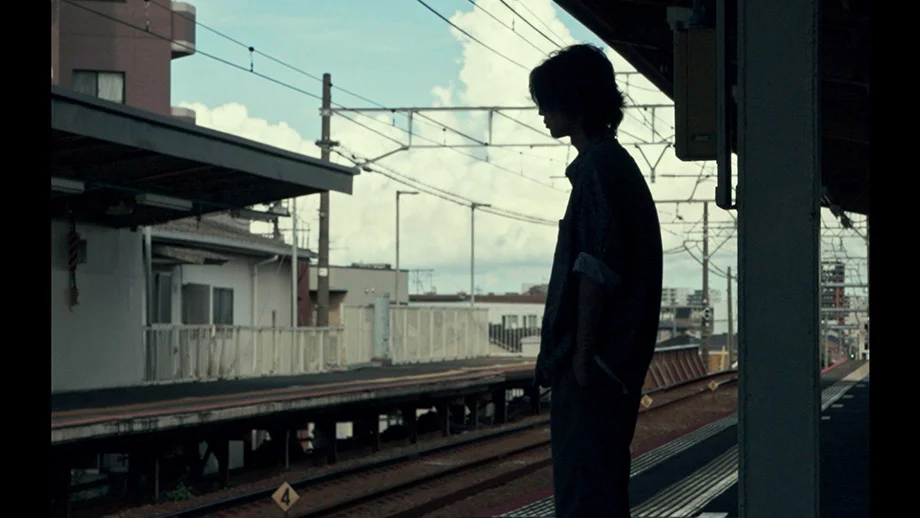
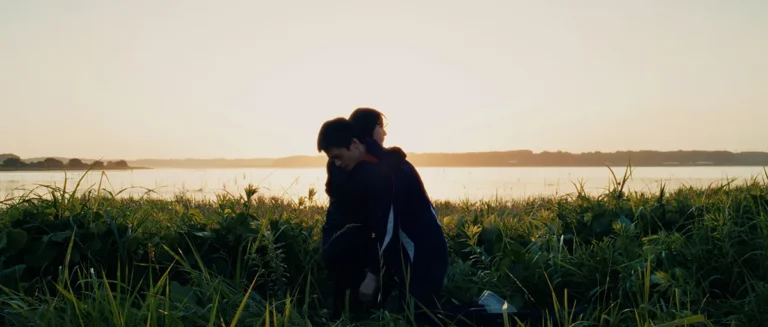
The visual flair of "Burn" is particularly striking, thanks to the exceptional work of cinematographer Hiroaki Takeda. Takeda implements a heavily voyeuristic style, frequently framing the action as if it were being captured by hidden cameras. This aesthetic choice immerses the audience directly into Juju’s world, creating an unsettling sense of immediacy and vulnerability. The cinematography employs a diverse array of techniques, ranging from the stuttered motion of step printing and the raw texture of lo-fi video footage to the dynamic fluidity of double dolly shots and the distorting intimacy of fisheye lenses.
This technical virtuosity is not merely for show; it serves a crucial thematic purpose. The polished imagery, achieved through meticulous composition and lighting, is deliberately juxtaposed with the decidedly grimy and often horrific events unfolding on screen. This intriguing amalgam mirrors the complex psychological landscape of the protagonist, reflecting her internal turmoil, her fragmented sense of self, and the distorted reality of her existence. The visual language thus becomes an extension of Juju’s emotional state, drawing the viewer into her desperate search for connection and meaning amidst profound despair.
Powerful Performances: An Ensemble of Raw Emotion
The emotional core of "Burn" is anchored by a series of powerful performances from its exceptional cast. Nana Mori delivers an outstanding portrayal of Juju, masterfully embodying an emotionally unstable character who is desperately seeking connection but continually searches in the wrong, dangerous places. Her nuanced performance captures Juju’s profound vulnerability and resilience. A particularly poignant aspect of her character is a stutter, which Mori employs to great effect, creating a constant sense of impending horror, as though something terrible is always on the verge of happening to her—a highlight of the entire movie.
Aoi Yamada, as Juju’s new friend Mitsuha, provides a compelling counterpoint. Mitsuha is a disillusioned girl already entrenched in prostitution, and Yamada infuses her with a shocking pragmatism that underscores the harsh realities of their shared existence. The mentor-mentee relationship that develops between Juju and Mitsuha is intriguing to watch, showcasing the complex bonds formed in extreme circumstances.
Ryosuke Sota as Risu, Juju’s first friend in Kabukicho, offers another compelling persona, while Wataru Ichinose is convincingly chilling as KAMI, the manipulative cult leader figure who preys on the vulnerable youth. Finally, Kanji Furutachi delivers a truly unsettling performance as Juju’s violent, patriarchal father. His portrayal is marked by a chilling detachment that amplifies the shock value of the character, rounding out an overall strong and memorable cast that collectively brings Nagahisa’s dark vision to life with profound authenticity and emotional depth.
Broader Implications and Lasting Impact
"Burn" stands as an excellent and vital piece of cinema, recalling some of the finest Japanese productions of previous decades. It achieves this through a bold visual style and narrative approach that, as critics have noted, seem to be largely missing from contemporary local cinema. The film’s unflinching realism, dark thematic exploration, and artistic courage make it a significant cultural touchstone.
Beyond its artistic merits, "Burn" serves as a crucial piece of social commentary, contributing to a wider discourse on youth welfare, mental health, and societal responsibility in Japan. By portraying the "Toyoko Kids" phenomenon and the perils of "papakatsu" with such stark honesty, the film challenges audiences to confront uncomfortable truths about neglect, exploitation, and the systemic failures that leave young people vulnerable. Its release and subsequent critical acclaim are poised to spark important conversations and potentially inspire greater awareness and action regarding the pressing social issues it so bravely illuminates. The film’s lasting impact lies not just in its cinematic brilliance but in its potential to act as a catalyst for societal reflection and change.