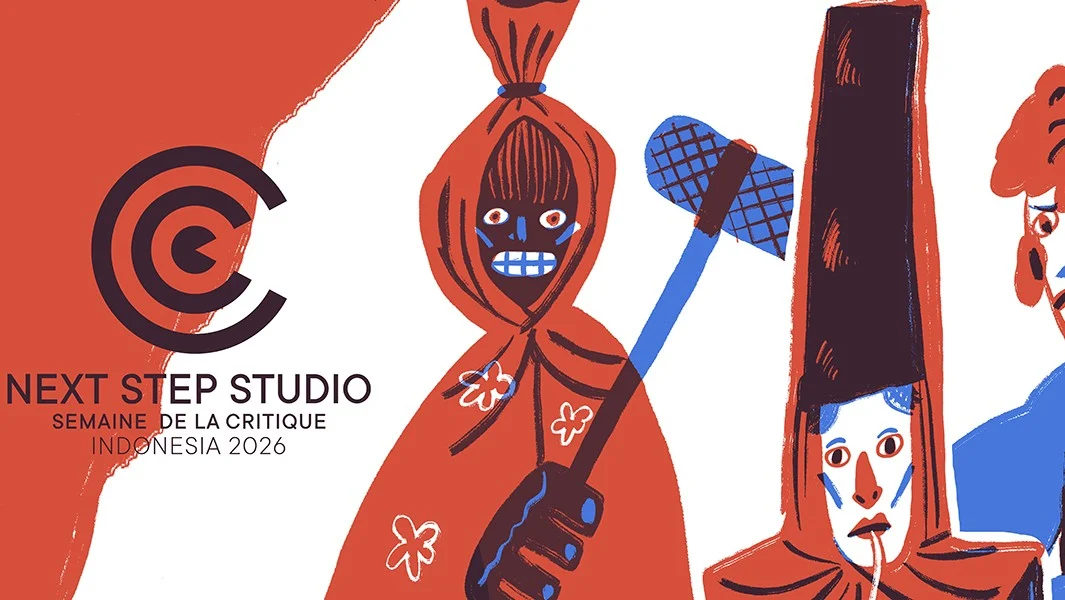
The Cannes Critics’ Week, a revered parallel section of the prestigious Cannes Film Festival, has officially announced the selection of four compelling short films produced through its Next Step Studio initiative. These films, collaboratively co-written and co-directed by emerging Indonesian filmmakers and their international counterparts, represent a landmark achievement for Indonesian cinema on the global stage. Set to premiere during the 65th edition of the Critics’ Week, which runs from May 13 to 21, 2024, this inaugural edition of Next Step Studio focusing on Indonesia underscores a concerted effort to amplify diverse voices and foster international cinematic collaboration. The initiative provides a crucial platform for these young directors to transition from short-form storytelling to potential feature film projects, nurturing the next generation of global filmmaking talent.
The Evolution of a Pioneering Talent Development Program
The Next Step Studio is a direct evolution of the acclaimed La Factory program, first launched at the Directors’ Fortnight in 2013. This established model has consistently aimed to identify and support burgeoning filmmakers from around the world, providing them with invaluable mentorship, resources, and exposure. According to Critics’ Week organizers, the program’s enduring concept is to "support the emergence of new voices in cinema around the world." Each year, the initiative strategically shifts its focus to a different country, dedicating its resources to highlight local cinematic talent. The structure involves bringing together eight emerging directors – four from the host country and four international – who then collaborate to co-write and co-direct four 15-minute short films. This unique cross-cultural collaboration is central to the program’s philosophy, fostering a rich exchange of ideas, techniques, and narrative perspectives.
Over its first decade, the program has cast a wide net, exploring cinematic landscapes from diverse regions including Taiwan, Chile, Finland, Denmark, South Africa, Lebanon, Tunisia, the Balkan countries, northern Portugal, the Philippines, and the Brazilian state of Ceará. This extensive reach has yielded impressive results: more than 80 filmmakers have participated, with nearly 50 of them successfully transitioning to direct their first feature films. This track record firmly establishes the program as a vital incubator for cinematic innovation and career advancement, validating its methodology of intensive collaborative workshops and international exposure. The shift to the Critics’ Week umbrella with the Next Step Studio nomenclature signals a renewed commitment to its core mission within a section renowned for discovering avant-garde and groundbreaking works.
Indonesia’s Moment in the Spotlight: A Strategic Partnership
The selection of Indonesia as the focus country for this year’s Next Step Studio is a testament to the vibrant and rapidly evolving cinematic landscape of the archipelago. Indonesian cinema has garnered increasing international attention in recent years, with a new wave of filmmakers pushing creative boundaries and exploring complex societal narratives. This initiative offers an unprecedented opportunity to further elevate these voices and integrate them into the global film community.
The successful execution of this year’s edition is the result of a multifaceted collaboration involving numerous stakeholders. The program is produced by a dedicated team including Yulia Evina Bhara, Amerta Kusuma, and Dominique Welinski, the visionary creator and curator of the program. Co-production efforts are equally extensive, involving key Indonesian entities such as Indra Sashi Kalanacitra, VMS Studio, Visinema Pictures, Navvaros, Entertainment, Poplicist Publicist, Salaya Yachts, Arungi Films, Prodigihouse, Titrafilm, A La Plage Studio, Jakarta Film Week, and crucially, the Jakarta Provincial Government and the Ministry of Culture of Indonesia. This robust domestic support underscores the national importance placed on developing its film industry and fostering international partnerships. Complementing these efforts are international partners, including the French Embassy in Indonesia, Timor-Leste, and ASEAN, along with the French Institute Indonesia, highlighting the strong cultural diplomacy ties between France and Indonesia. This comprehensive network of support ensures not only the production of high-quality films but also the long-term sustainability and impact of the initiative. The involvement of government bodies, both national and local, alongside private production houses and cultural institutions, signifies a holistic approach to film development, from creative inception to international distribution.
The Films: A Glimpse into Indonesian Narratives and Global Perspectives
The four short films emerging from this intensive collaboration offer diverse narratives, reflecting the rich cultural tapestry and contemporary issues within Indonesia, interpreted through a cross-cultural lens. Each film, a product of unique artistic synergy, promises to engage audiences with its distinct storytelling and technical prowess.
1. Holy Crowd
Directors: Reza Fahriyansyah (Indonesia) and Ananth Subramaniam (Malaysia)
Country of Production: Indonesia, France – 2025 – 16 minutes – Language: Indonesian
Synopsis: This compelling short delves into the volatile intersection of faith, exploitation, and the supernatural. The narrative unfolds after Ratna miraculously rises from the dead during her own funeral. Her sudden, inexplicable healings transform her silent body into a vessel of miracles, inadvertently thrusting her husband, Arif, into the uncomfortable center of a burgeoning frenzy. As villagers, opportunists, and religious authorities descend upon their lives, the boundaries between genuine faith and cynical exploitation blur. The film explores how a miraculous event can spiral beyond control, challenging individual agency and societal belief systems in a setting ripe with spiritual and communal tension. The story appears to critique the human tendency to capitalize on the unexplained, while also examining the overwhelming pressure placed upon individuals caught in the crosshairs of collective awe and opportunism.
Cast: Prilly Latuconsina, Yusuf Mahardika, Yudi Ahmad Tajudin, Arswendy Bening Swara
DOP: Vera Lestafa, Indonesian Cinematographers Society
Editor: Carlo Francisco Manatad
The collaboration between Indonesian director Reza Fahriyansyah and Malaysian director Ananth Subramaniam highlights a regional artistic dialogue, blending sensibilities from two Southeast Asian nations. The choice of cast, including well-known Indonesian actors, suggests a film with strong performances designed to resonate with both local and international audiences. The technical team, featuring Vera Lestafa, a member of the Indonesian Cinematographers Society, and the acclaimed editor Carlo Francisco Manatad, further solidifies the film’s potential for high production value and sophisticated storytelling.
2. Original Wound
Directors: Shelby Kho (Indonesia) and Sein Lyan Tun (Myanmar)
Country of Production: Indonesia, France – 2026 – 14 minutes – Language: Indonesian
Synopsis: Original Wound is an intimate and psychologically charged exploration of grief, memory, and enduring familial trauma. Following their mother’s death, a brother and sister remain confined within the house that bears the indelible imprint of her controlling presence. They are forced to navigate conflicting memories—a painful mosaic of abuse intertwined with moments of care. As ritualistic practices, the physical spaces of their bodies, and fragmented recollections intertwine, their shared grief serves to expose a deeper, more insidious entrapment. This confinement, the film suggests, persists far beyond their mother’s physical absence, manifesting as an emotional and psychological burden that shapes their present reality. The film promises a poignant examination of how trauma can be inherited and how the ghosts of the past continue to haunt the living, particularly within the confines of a shared, complicated history.
Cast: Agnes Naomi, Omara Esteghlal, Vivian Idris
DOP: Vera Lestafa, Indonesian Cinematographers Society
Editor: Carlo Francisco Manatad
The creative partnership between Indonesian director Shelby Kho and Myanmar director Sein Lyan Tun brings a unique regional perspective to a universal theme of familial trauma. This collaboration is particularly significant given the diverse socio-cultural contexts of Indonesia and Myanmar, potentially enriching the psychological depth of the narrative. The consistent presence of DOP Vera Lestafa and editor Carlo Francisco Manatad across multiple projects within the initiative speaks to the collaborative spirit and shared resources fostered by the Next Step Studio program, ensuring a cohesive aesthetic and technical quality across the shorts.
3. Annisa
Directors: Reza Rahadian (Indonesia) and Sam Manacsa (Philippines)
Country of Production: Indonesia, France – 2025 – 14 minutes – Language: Indonesian
Synopsis: Set against the backdrop of a bustling, crowded housing complex, Annisa tells the story of a blind teenage girl who navigates her world primarily through sound. Her environment is a symphony of daily life, and her perception is uniquely attuned to its acoustic nuances. As a vibrant neighborhood national day celebration unfolds around her, filling the air with heightened noise and activity, Annisa finds an unexpected and powerful way to make her own voice heard. This journey of self-discovery allows her to reclaim her place and agency within the cacophony that defines her surroundings. The film promises a sensory-rich experience, offering insights into the perspective of a visually impaired individual and exploring themes of belonging, communication, and finding one’s voice amidst overwhelming external stimuli. It is a narrative about overcoming perceived limitations and asserting individuality in a communal setting.
Cast: Choirunnisa Fernanda, Nazira C. Noer, Shakeel Fauzi
DOP: Faozan Rizal, Indonesian Cinematographers Society
Editor: Carlo Francisco Manatad
The involvement of acclaimed Indonesian actor Reza Rahadian as a director, alongside Filipino director Sam Manacsa, marks a notable entry. Rahadian’s transition to directing, especially within such a prestigious program, underscores the multi-talented nature of Indonesian artists. The collaboration with a Filipino counterpart further deepens the regional cinematic exchange. Faozan Rizal, another prominent member of the Indonesian Cinematographers Society, brings his expertise to the visual storytelling, while Carlo Francisco Manatad’s editing prowess once again ensures a polished final product. The film’s premise offers a fresh perspective on urban life and sensory perception.
4. Mothers Are Mothering
Directors: Khozy Rizal (Indonesia) and Lam Li Shuen (Singapore)
Country of Production: Indonesia, France – 2025 – 17 minutes – Language: Indonesian
Synopsis: This poignant short film centers on Nia, a 50-year-old woman trapped in an abusive marriage, whose inner world is fragmented by desire, memory, and ritual. Her existence is characterized by a complex interplay of these elements. A chance reunion with a former lover reignites a flicker of intimacy and connection, offering a brief respite from her oppressive reality. However, this rekindled affection inadvertently exposes the enduring persistence of violence and the inescapable nature of her entrapment. As the lines between reality and hallucination begin to blur, Nia desperately searches for a final, elusive escape from her circumstances. The film promises a deep dive into the psychological landscape of a woman grappling with trauma, love, and the yearning for liberation, exploring themes of resilience, the cyclical nature of abuse, and the power of the human spirit to seek freedom even in the darkest of times.
Cast: Happy Salma, Asmara Abigail, Yudi Ahmad Tajudin
DOP: Deska Binarso, Indonesian Cinematographers Society
Editor: Carlo Francisco Manatad
The collaboration between Indonesian director Khozy Rizal and Singaporean director Lam Li Shuen brings a fresh, contemporary perspective to a sensitive and universal topic. The casting of Happy Salma and Asmara Abigail, both highly respected Indonesian actresses, indicates a commitment to powerful and nuanced performances that can carry the emotional weight of the narrative. Deska Binarso, from the Indonesian Cinematographers Society, contributes to the visual artistry, while Carlo Francisco Manatad’s editorial consistency across the projects reinforces the collaborative synergy of the program. This film, with its exploration of complex female psychology and societal issues, is poised to provoke meaningful discussion.
Broader Impact and Implications for Indonesian Cinema
The inclusion of these four Indonesian-helmed films in the Cannes Critics’ Week marks a significant moment for the country’s film industry. It not only provides unprecedented international exposure for the emerging directors but also showcases the depth and diversity of Indonesian storytelling to a global audience. This initiative serves as a powerful validation of the creative talent residing within Indonesia and its potential to contribute meaningfully to world cinema.
For the participating filmmakers, the Next Step Studio offers more than just a screening opportunity. The workshops and the collaborative process itself are invaluable learning experiences, fostering professional development and expanding their international networks. The program’s proven track record of helping directors transition from shorts to features suggests that this exposure at Cannes could be a crucial stepping stone for these Indonesian talents, potentially opening doors to funding, co-production opportunities, and global distribution for their future projects.
Moreover, this initiative strengthens the cultural ties between Indonesia and France, reinforcing their commitment to cultural exchange and artistic collaboration. The involvement of the French Embassy and Institute highlights a broader diplomatic effort to support cultural industries and foster mutual understanding through the arts. For Indonesian cinema as a whole, this moment at Cannes could inspire a new generation of filmmakers, encourage further investment in the local industry, and solidify its position as a vibrant and innovative force in Asian and world cinema. It signals a positive trajectory for Indonesian filmmakers, allowing their unique perspectives and narratives to resonate on an international platform, thereby enriching the global cinematic tapestry. The program’s emphasis on co-production with France also opens avenues for continued collaboration, resource sharing, and cross-cultural understanding, ensuring that these films are not just stories from Indonesia, but stories for the world.