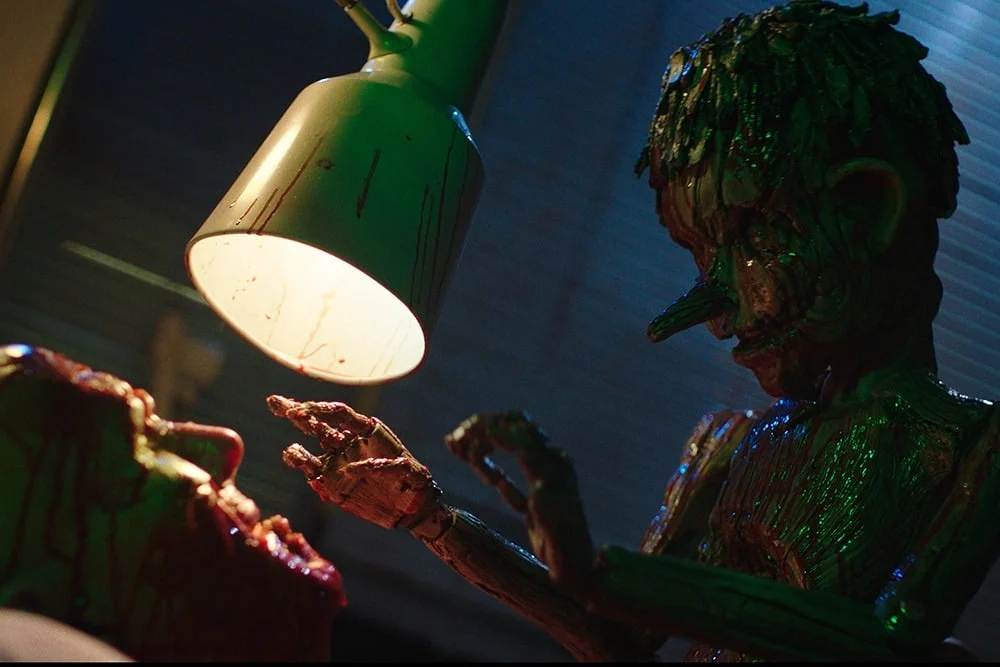
The future of the iconic The Texas Chainsaw Massacre franchise is in the hands of emerging filmmaker Curry Barker, whose upcoming thriller Obsession is slated for a theatrical release next month. Barker, a distinctive young voice in the horror genre, has garnered attention for his ability to craft compelling characters while pushing narrative boundaries, a skill that positions him as a potentially groundbreaking director for the notoriously violent and psychologically charged Texas Chainsaw Massacre saga. The announcement of Barker’s involvement in the next installment for A24 has generated significant buzz, particularly given his recent work on Obsession, which initially received an NC-17 rating before being adjusted for an R-rated theatrical run. This history suggests a director unafraid to explore the darker, more extreme aspects of storytelling, a trait that aligns closely with the visceral legacy of Leatherface and his terrifying family.
Barker has been actively engaging with the press circuit for Obsession, providing insights into his highly anticipated vision for the new Texas Chainsaw Massacre film. Addressing the prevalent sentiment among some segments of the audience that the franchise has been overdone, Barker expressed a firm disagreement. “I beg to differ. Seriously. I really think that the potential for that series has not been fully realized,” Barker stated emphatically. He elaborated on his perspective, critiquing past iterations of the franchise. “I think a lot of the remakes went the opposite direction it should have gone.” This suggests a directorial philosophy centered on a deeper thematic exploration rather than simply relying on shock value.
Barker’s intended approach for The Texas Chainsaw Massacre appears to diverge from a purely relentless pursuit narrative. He articulated a desire to imbue the film with significant emotional weight. “I’m really excited to do a Texas Chainsaw Massacre that’s not just about a guy chasing some people around with a chainsaw, that has some heart to it,” he explained. This emphasis on character development and emotional resonance aims to create a more profound connection between the audience and the victims, thereby amplifying the terror and impact of the violence. “You care about these characters and want to see them survive, and you know, it’s brutal,” Barker concluded, underscoring the duality of his creative ambition: to elicit empathy while delivering uncompromising horror.
A Legacy of Terror and Reinterpretation
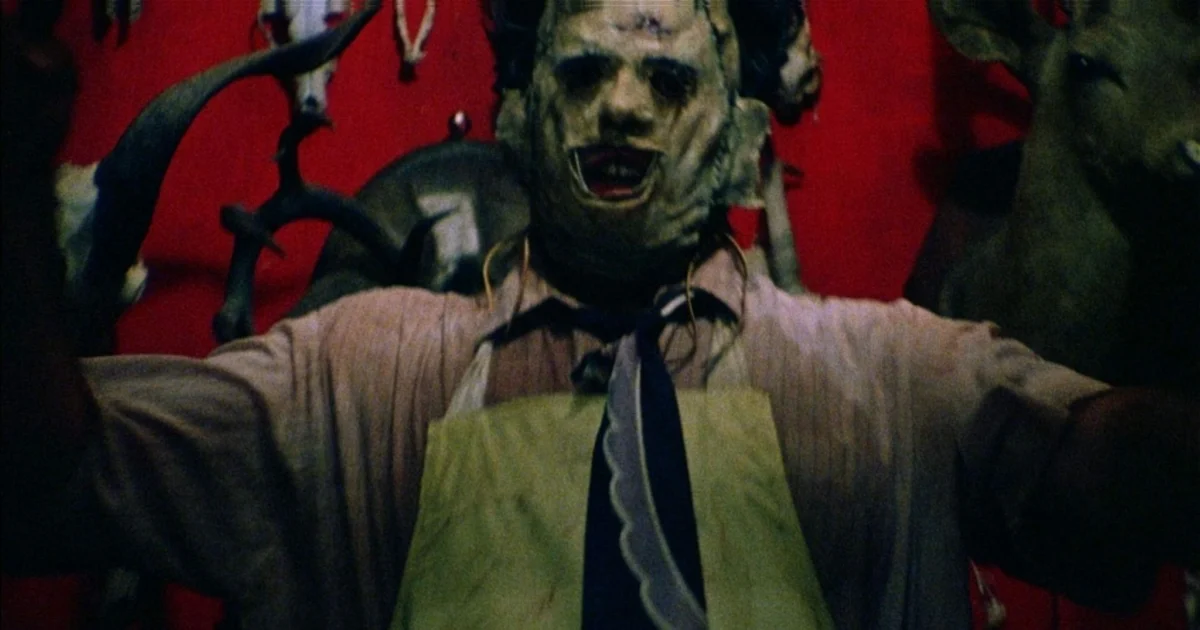
The Texas Chainsaw Massacre franchise, which began with Tobe Hooper’s groundbreaking 1974 film, has a long and complex history of sequels, prequels, and reboots, each attempting to capture or reimagine the original’s raw, unsettling power. Hooper’s masterpiece, lauded for its gritty realism and psychological dread, set a high bar for subsequent entries. Barker acknowledged the enduring quality of the original, stating, “I love the original. I think that one is really raw and was really good for its time.”
Beyond the original, the franchise has seen varied creative directions. The 2003 remake, directed by Marcus Nispel and produced by Platinum Dunes, is also a film Barker holds in high regard. “I actually think the 2003 remake is actually quite good too, but it could also be from… there’s a nostalgia there,” he commented. This appreciation for different interpretations suggests an understanding of the franchise’s evolution and its appeal to different generations of horror fans. The 2003 remake, starring Jessica Biel, was a commercial success and marked a significant moment in the resurgence of 2000s-era horror remakes. It leaned into a more graphic and fast-paced style compared to the original’s more atmospheric and suggestive terror.
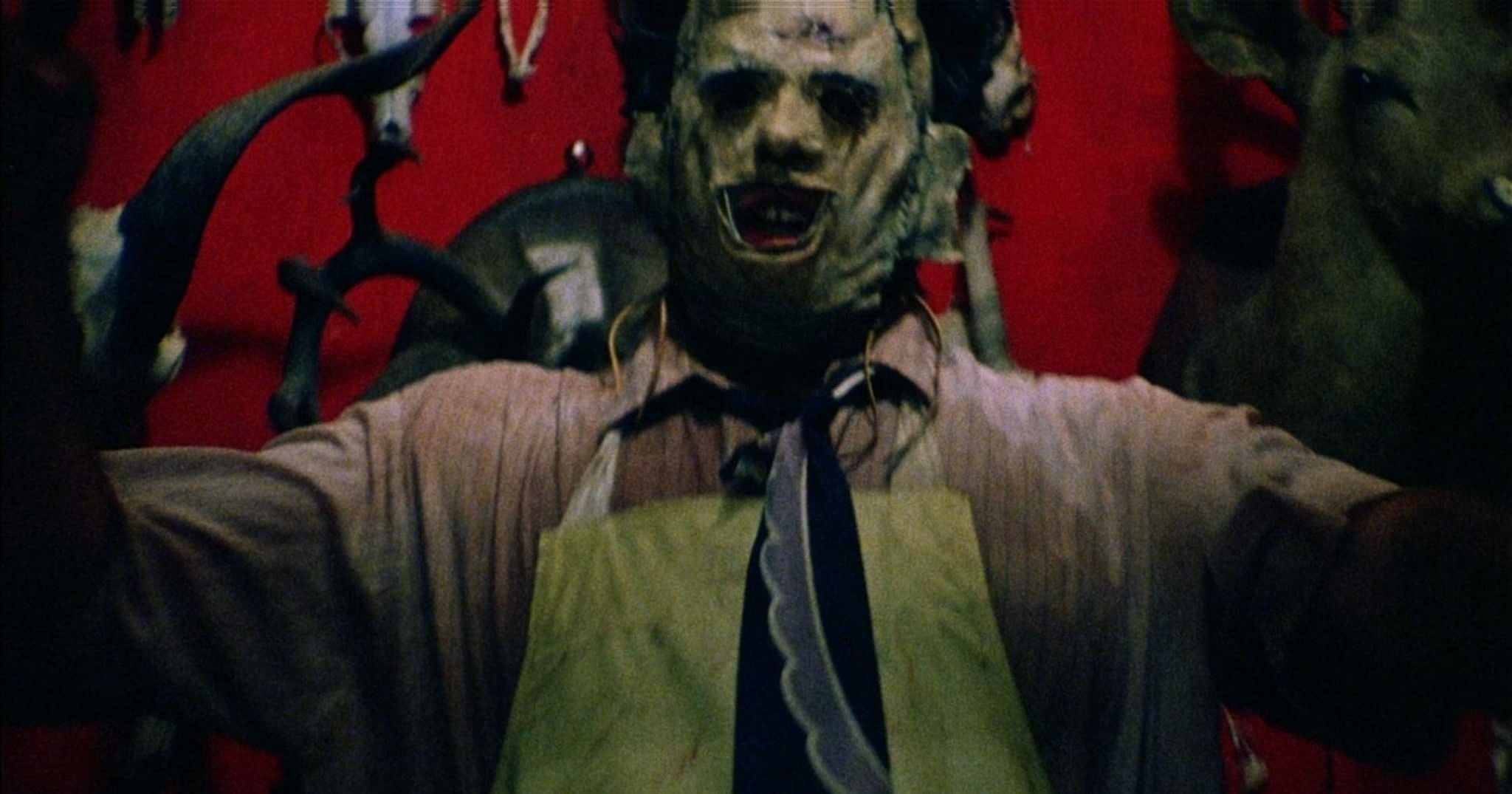
The franchise has experienced numerous attempts at revitalization. Following the 2003 remake, a prequel, The Texas Chainsaw Massacre: The Beginning (2006), explored Leatherface’s origins. A subsequent reboot, Texas Chainsaw 3D (2013), attempted to directly continue the narrative of the original film, ignoring all other sequels. More recently, Netflix released Texas Chainsaw Massacre (2022), which also served as a direct sequel to the 1974 film, featuring Sally Hardesty’s return. Each of these films has met with mixed critical reception and varying degrees of fan engagement, highlighting the challenge of reinventing a story that has been told and retold so many times.
Barker’s Obsession: A Precursor to Chainsaw?
Curry Barker’s upcoming film, Obsession, offers a potential glimpse into his directorial sensibilities and his capacity for delivering intense, character-driven horror. The film’s initial NC-17 rating indicates a willingness to explore mature themes and graphic content, which, if translated to The Texas Chainsaw Massacre, could signal a return to the franchise’s more disturbing roots. The transition from an NC-17 to an R rating for Obsession suggests a strategic adjustment for broader audience accessibility, a common practice in the film industry. However, the fact that it was initially conceived with a higher rating implies that Barker’s artistic vision is not constrained by conventional limitations.
The context of Barker’s directorial choices for The Texas Chainsaw Massacre is crucial. A24, the studio behind the project, has a reputation for backing auteur-driven films and challenging genre conventions, as evidenced by their critically acclaimed horror releases such as Hereditary, Midsommar, and The Witch. This partnership suggests a mutual understanding and a shared ambition to push the boundaries of the Chainsaw narrative. For A24, acquiring the rights to a franchise as storied and potentially lucrative as The Texas Chainsaw Massacre signifies a strategic move to expand their portfolio within the horror genre, a space where they have consistently delivered critical and commercial successes.
Implications for the Chainsaw Universe
Barker’s commitment to a "brutal" yet "emotional" Texas Chainsaw Massacre could represent a significant shift for the franchise. By prioritizing character development and emotional stakes, he aims to elevate the narrative beyond mere gore and suspense. This approach could resonate with audiences who have grown weary of formulaic horror sequels and are seeking more substance in their genre films. The success of this strategy, however, will hinge on his ability to balance the visceral terror that fans expect from The Texas Chainsaw Massacre with the emotional depth he promises.
The implications of Barker’s vision extend to the broader landscape of horror filmmaking. If successful, his approach could inspire other filmmakers to re-evaluate how iconic horror franchises are revitalized, encouraging a greater focus on narrative depth and character complexity alongside genre staples. The horror genre has seen a renaissance in recent years, with many films achieving critical acclaim by blending scares with thoughtful storytelling. Barker’s Texas Chainsaw Massacre could become another example of this trend, demonstrating that even the most established and brutal franchises can be reinvented with fresh, character-centric perspectives.
The timing of Barker’s statements also coincides with a period of intense anticipation for Obsession. The marketing and critical reception of his upcoming film will likely serve as a litmus test for audience reception to his directorial style and his thematic inclinations, indirectly influencing expectations for his work on The Texas Chainsaw Massacre. As Obsession prepares for its theatrical debut, the horror community will be watching closely, eager to see if Curry Barker can indeed unlock the full, unrealized potential of one of cinema’s most enduring nightmares. The promise of a Texas Chainsaw Massacre that is both deeply emotional and unflinchingly brutal suggests a director with a clear, ambitious vision for the future of this iconic horror saga.