GKIDS, a leading distributor of animated films, has announced its acquisition of the North American distribution rights for the acclaimed anime adaptation of Taiyo Matsumoto’s seminal manga, Tekkonkinkreet. To commemorate the film’s 20th anniversary, GKIDS will present a meticulously crafted 4K remaster on screens nationwide from May 31st to June 1st. This limited theatrical engagement offers fans and newcomers alike a unique opportunity to experience the visually stunning and thematically rich narrative on the big screen. Tickets for these special screenings are now available for purchase through the official GKIDS website.
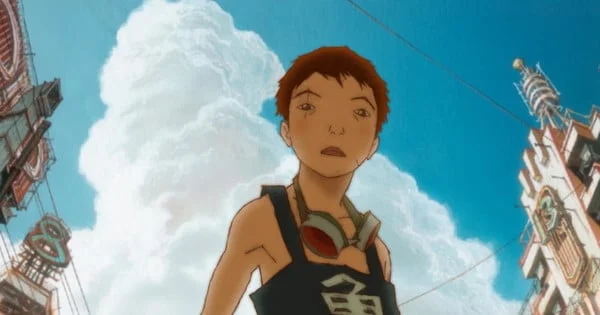
The announcement signifies a renewed appreciation for a film that, since its initial release, has carved a significant niche in the landscape of adult-oriented animation. Tekkonkinkreet, a vibrant and often brutal depiction of urban decay and the unbreakable bonds of brotherhood, first captivated audiences in 2006. Its unique visual style, a direct translation of Matsumoto’s distinctive artistic vision, set it apart from much of the anime produced at the time and continues to resonate with a dedicated following. The upcoming 4K remaster promises to enhance this visual experience, bringing out the intricate details and dynamic energy that defined the original production.
The World of Treasure Town: A Tale of Two Orphans
Tekkonkinkreet plunges viewers into the chaotic and crime-ridden metropolis of Treasure Town, a city teetering on the brink of demolition. At the heart of this urban labyrinth are Black and White, two orphaned youths who navigate the city’s underbelly with a fierce loyalty to each other and a streetwise resilience. Black, the more aggressive and protective of the pair, acts as the de facto leader, while White, the more childlike and whimsical, possesses an almost mystical connection to the city. Their lives are inextricably linked to the fate of Treasure Town, a place they consider their home, despite its pervasive poverty and violence.
The narrative takes a critical turn with the arrival of Snake, a powerful Yakuza boss with ambitious plans to raze Treasure Town and replace it with a sprawling theme park. This impending destruction threatens not only the physical landscape but also the very existence of Black and White’s world. Black, with his characteristic defiance, becomes a formidable obstacle to Snake’s redevelopment schemes, setting the stage for a dramatic confrontation that explores themes of gentrification, corporate greed, and the enduring spirit of a community fighting for its survival. The film masterfully blends elements of action, drama, and a touch of the surreal, reflecting the complex and often contradictory nature of its characters and their environment.
A Legacy in Animation: From Manga to the Silver Screen
The 2006 animated film is an adaptation of Taiyo Matsumoto’s groundbreaking manga series, which first appeared in Shogakukan’s Weekly Big Comic Spirits magazine between 1993 and 1994. Matsumoto’s artistic style, characterized by its bold linework, unconventional character designs, and expressive use of space, proved to be a significant challenge and opportunity for adaptation. The film’s success in translating this unique aesthetic to the screen is a testament to the collaborative efforts of the creative team.
Directed by Michael Arias and produced by the renowned Studio 4°C, the anime adaptation was lauded for its faithfulness to the source material’s spirit while also leveraging the medium of animation to its fullest potential. Studio 4°C, known for its experimental and visually innovative approach to animation, was an ideal choice for bringing Matsumoto’s distinctive world to life. Their work on Tekkonkinkreet cemented their reputation as a studio capable of tackling complex and artistically ambitious projects. The film’s original release was handled by Sony Pictures Home Entertainment, ensuring its distribution to a wider audience.
The Road to the 4K Remaster: A 20-Year Journey
The decision by GKIDS to release a 4K remaster for the film’s 20th anniversary highlights its enduring impact and cultural significance. The initial release in 2006 was met with critical acclaim, particularly for its distinctive animation and mature storytelling. It garnered international attention, earning accolades at various film festivals and establishing itself as a benchmark for adult animation.
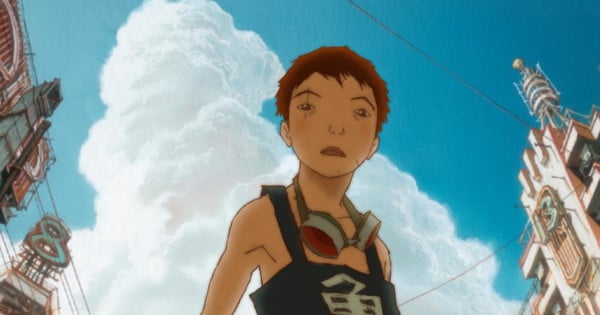
The process of creating a 4K remaster typically involves revisiting the original film elements, often scanned at the highest possible resolution, and then meticulously restoring and enhancing them. This can include color correction, noise reduction, and sharpening of details, all aimed at bringing the film closer to its intended visual fidelity. For a film like Tekkonkinkreet, with its textured animation and intricate backgrounds, a 4K remaster offers the potential to reveal subtle details and nuances that may have been lost in previous releases. This technical undertaking is a significant investment, underscoring GKIDS’ commitment to preserving and promoting important works of animated cinema.
Supporting Data and Context
The success of the Tekkonkinkreet anime film can be contextualized by broader trends in the animation industry. While anime has long been a global phenomenon, the 2000s saw a growing demand for more mature and thematically complex animated narratives that catered to an older demographic. Tekkonkinkreet, alongside other films released during that era, contributed to this shift, demonstrating the artistic and commercial viability of animation beyond children’s programming.
The original manga itself has a significant legacy. Taiyo Matsumoto is a highly respected figure in the manga world, known for his avant-garde style and profound storytelling. His works, including "Ping Pong the Animation" and "Sunny," have been celebrated for their emotional depth and unique artistic sensibility. The manga’s serialization in Weekly Big Comic Spirits, a magazine known for its seinen (young adult male) demographic, indicates the intended audience for its sophisticated themes. Viz Media’s publication of the manga in North America further broadened its reach and laid the groundwork for the film’s eventual success.
Broader Impact and Implications
The acquisition and re-release of Tekkonkinkreet by GKIDS hold several implications for the animation industry and its fanbase. Firstly, it signifies a continued interest in and market for high-quality, artistically driven animated films. GKIDS has consistently championed such works, and their involvement ensures that films like Tekkonkinkreet receive the attention and platform they deserve.
Secondly, the 4K remaster serves as a valuable educational tool and a source of inspiration for aspiring animators and filmmakers. By providing a high-fidelity version of the film, GKIDS allows a new generation to study its innovative animation techniques, narrative structure, and thematic depth. The film’s unique visual language, which blends elements of street art, comic book aesthetics, and traditional animation, continues to influence contemporary artists.
Furthermore, the theatrical re-release underscores the enduring power of cinema as a communal experience. While streaming services offer convenience, the opportunity to witness a film like Tekkonkinkreet on a large screen, surrounded by fellow enthusiasts, offers a distinct and immersive viewing experience. This event not only celebrates the film’s past but also ensures its continued relevance for future audiences. The fact that the film inspired a stage play in November 2018 further attests to its cultural resonance and adaptability across different artistic mediums.
The announcement from GKIDS, relayed via their official Bluesky account, emphasizes the studio’s proactive approach to engaging with their audience and promoting their film slate. This direct communication channel allows for timely updates and fosters a sense of community among animation enthusiasts. The availability of tickets now, well in advance of the screenings, suggests a strategic marketing effort to maximize attendance for this limited engagement. The 20th anniversary celebration of Tekkonkinkreet is more than just a retrospective; it is a testament to the film’s lasting artistic merit and its significant contribution to the canon of animated cinema.