The legendary British film studio Hammer Films, a pioneer in the gothic horror genre, is set to reanimate one of its most iconic and controversial works, "The Horror of Dracula" (1958), with a significant theatrical re-release this Halloween season. In a landmark announcement that has sent ripples of excitement through the film preservation and horror enthusiast communities, John Gore, owner of John Gore Studios and the current custodian of the Hammer Films legacy, revealed that the complete, uncensored version of the classic film has been recovered and meticulously restored in 4K. This marks the first time the full, unadulterated vision of the film, which was significantly cut for its original international release due to its perceived explicitness, will be widely available to audiences.
A Legacy of Gothic Horror and the Birth of Censorship Battles
Hammer Films emerged in the mid-20th century, carving a distinct niche in the cinematic landscape by breathing new life into classic Universal Monsters with a distinctively British, gothic sensibility. While Universal Studios had established the archetypes of Dracula, Frankenstein’s monster, and the Wolf Man, Hammer Films, particularly through its collaborations with directors like Terence Fisher and its iconic leading men Christopher Lee and Peter Cushing, redefined these characters for a new generation. The studio’s output during the 1950s, 60s, and 70s was prolific and highly influential, with films such as "The Curse of Frankenstein" (1957), a critical and commercial triumph that reportedly yielded a return of 70 times its production budget, "The Mummy" (1959), and the aforementioned "The Horror of Dracula" becoming cornerstones of the horror genre.
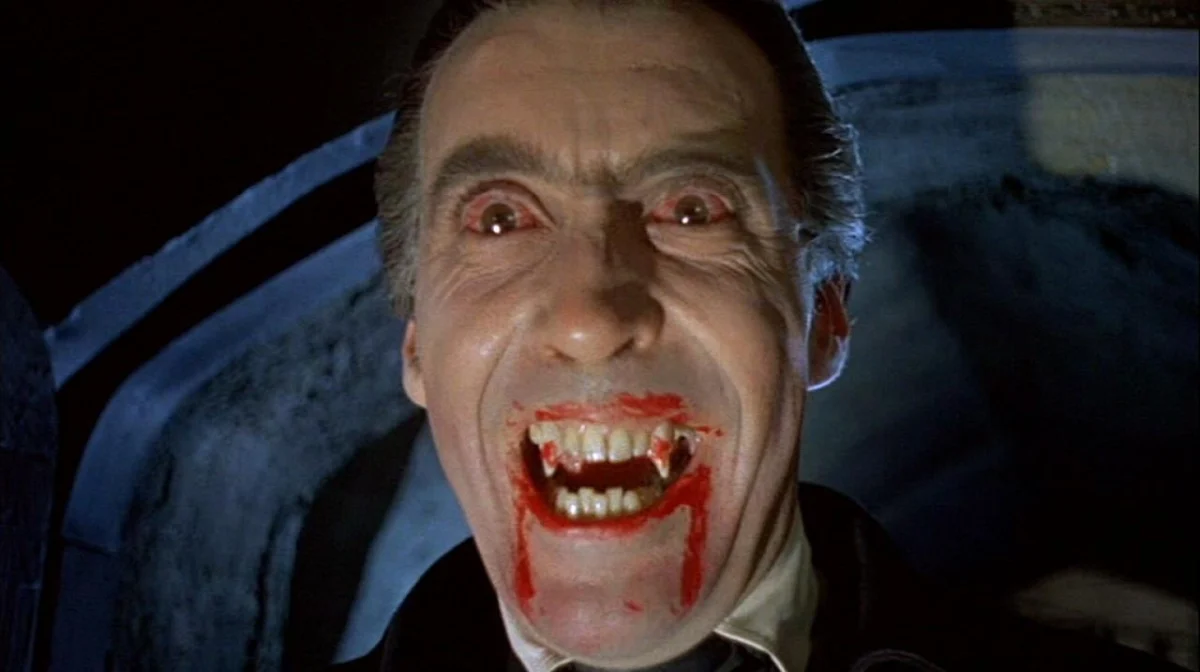
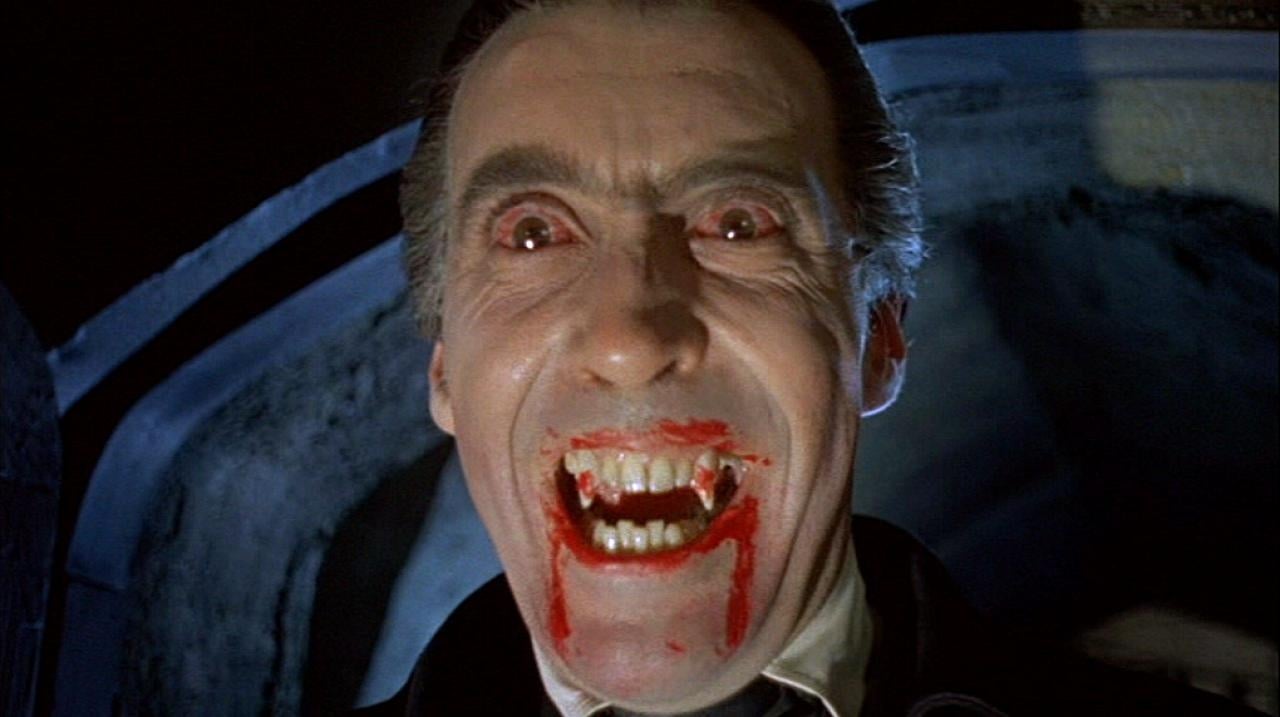
These films were characterized by their vibrant Technicolor palettes, atmospheric sets, and a willingness to push boundaries in terms of on-screen violence and suggestive themes, particularly when compared to their more restrained Hollywood counterparts. This boldness, however, also placed them squarely in the crosshairs of censorship bodies, leading to early and often contentious battles over content. "The Horror of Dracula," starring Christopher Lee in his seminal role as the enigmatic Count and Peter Cushing as the determined vampire hunter Dr. Van Helsing, became one of the most prominent early examples of such a struggle.
The Missing Minutes: A Cut Above the Rest, or Censored Beyond Recognition?
The original 1958 release of "The Horror of Dracula" in its native United Kingdom was a critical and commercial success, solidifying Hammer’s reputation. However, when the film was prepared for international distribution, particularly in markets like the United States, a significant portion of its runtime was deemed too shocking for contemporary audiences. Over three minutes of footage, described as excessively violent, bloody, and sexually charged, were unceremoniously excised. This aggressive editing fundamentally altered the film’s pacing and impact, leading to a version that, while still compelling, was a pale imitation of the director’s original intent.
The excised sequences were not merely gratuitous gore; they were integral to the narrative and thematic weight of the film. Reports from the era suggest that the violence was visceral and unflinching, depicting the brutal realities of vampirism and the desperate fight against it in a way that was unprecedented for its time. Furthermore, the film’s exploration of sensuality and the seductive power of Dracula was also targeted, with scenes that hinted at the Count’s predatory nature and the fear he instilled through his very presence being among those removed.
For decades, the complete version of "The Horror of Dracula" was considered lost, a phantom of cinematic history. The only territory where the full, unedited film was reportedly shown during its initial theatrical run was Japan. The subsequent 68 years saw audiences worldwide watching a truncated version, a testament to the pervasive influence of censorship in shaping cinematic narratives. This has fueled a persistent desire among film historians, critics, and devoted fans to see the original, uncompromised vision of the film.
A Resurrection in 4K: John Gore Studios Unearths the Lost Footage
The announcement of the complete film’s recovery and restoration comes from John Gore, the current owner of Hammer Films through his John Gore Studios. In a recent interview with Deadline, Gore detailed the monumental effort undertaken to bring this lost cinematic treasure back to life. The studio has not only located the missing footage but has also undertaken a state-of-the-art 4K restoration, promising a visual and auditory experience that will honor the film’s original aesthetic while presenting it with modern clarity and fidelity.
The significance of this undertaking cannot be overstated. Film preservation is a crucial but often underfunded endeavor, and the recovery of significant cuts from a historically important film like "The Horror of Dracula" is a rare and celebrated event. The 4K restoration ensures that the film’s rich detail, atmospheric lighting, and vibrant colors will be rendered with unprecedented accuracy, allowing audiences to appreciate the craftsmanship of Hammer’s production design and cinematography as never before.
Unlocking Dracula’s Secrets: What Was Cut and Why?
According to John Gore, the recovered footage contains crucial elements that were deliberately removed from the international cuts. While specific details of every excised shot remain under wraps pending the re-release, Gore indicated that the restoration will reinstate key narrative points, particularly concerning the climactic confrontation between Dracula and Van Helsing. The way Dracula meets his end, a pivotal moment in the film, was significantly altered in the censored versions. The restored cut will reportedly present this sequence as originally conceived, offering a more definitive and perhaps more brutal conclusion to the Count’s reign of terror.
Gore’s statements suggest a deliberate effort to reinstate not just gore, but also narrative coherence and thematic depth. The cuts made in the 1950s were often driven by a moral panic surrounding depictions of violence and sexuality, leading to a sanitization of films that, in retrospect, may have been vital to their artistic integrity. The reintroduction of these elements is expected to provide a more complete understanding of the film’s intended impact and its exploration of themes such as primal fear, forbidden desire, and the struggle between good and evil.
The interview also highlighted the enduring appeal of the film’s star, Christopher Lee, whose portrayal of Dracula is considered by many to be definitive. Lee’s towering presence, his chilling voice, and his ability to convey both menace and a dark, aristocratic charm made his Dracula a force of nature. The restoration is expected to further enhance the impact of his performance by presenting the full scope of his character’s actions and motivations as originally intended.
A Halloween Treat for Cinephiles and Horror Fans Alike
The timing of this re-release, slated for the Halloween season, is no accident. It taps into the public’s perennial fascination with all things spooky and macabre, offering a genuine cinematic event for both seasoned horror aficionados and a new generation of filmgoers. The theatrical re-release provides a unique opportunity to experience "The Horror of Dracula" as it was meant to be seen: on the big screen, with an audience, and with the full force of its restored visual and narrative power.
The resurgence of Hammer Films under John Gore Studios signifies a renewed interest in the studio’s rich heritage. This restoration project is more than just a revival of a single film; it is a testament to the enduring cultural impact of Hammer’s contributions to cinema and a commitment to preserving its legacy for future generations. The success of this endeavor could pave the way for further restorations and re-releases of other classic Hammer titles, offering a much-needed spotlight on a vital chapter in film history.
The Broader Implications: Film Preservation and the Evolving Landscape of Censorship
The restoration of "The Horror of Dracula" has broader implications for the field of film preservation and our understanding of cinematic history. It underscores the importance of actively seeking out and restoring films that have been compromised by censorship or neglect. The fact that a film from the late 1950s can still be considered "too violent" or "too sexual" by contemporary standards, even as the film industry has become increasingly permissive, highlights the subjective and often fluctuating nature of societal norms and their impact on artistic expression.
The story of "The Horror of Dracula" also serves as a historical marker in the ongoing dialogue surrounding artistic freedom and the role of censorship. While the MPAA ratings system in the United States and similar bodies in other countries have evolved significantly since the 1950s, the debates over what constitutes acceptable content in film continue. The re-release of this fully restored version allows audiences to engage with these issues from a historical perspective, examining how cinematic content was perceived and regulated in a different era.
Furthermore, the success of specialty horror production companies like A24, Blumhouse, and Neon, as well as boutique distributors like MUBI, demonstrates a robust market for diverse and often challenging cinematic content. This contemporary landscape provides a fertile ground for the re-appreciation of genre filmmaking pioneers like Hammer Films. The appetite for original, visionary horror has never been stronger, making the return of Hammer’s unvarnished masterpieces a timely and exciting prospect.
As the Halloween season approaches, the re-release of "The Horror of Dracula" promises to be a significant cultural event, offering a rare glimpse into the unadulterated vision of a genre-defining film and celebrating the enduring power of gothic horror. The recovery and restoration of its missing footage represent a triumph for film preservation and a victory for audiences eager to experience cinematic history in its most complete and impactful form.