The Genesis of a Psychological Sci-Fi Tale
The late 20th and early 21st centuries marked a golden era for psychologically driven science fiction anime. Titles such as Neon Genesis Evangelion (1995), Ghost in the Shell (1995), Serial Experiments Lain (1998), and later Ergo Proxy (2006) captivated global audiences by transcending traditional action-adventure tropes to instead focus on existential dread, technological singularity, the nature of consciousness, and societal alienation. These works often utilized futuristic settings and advanced technology as a backdrop to dissect internal human struggles, questioning what it means to be human in an increasingly artificial or post-human world.
It was within this fertile creative landscape that the Animax Awards played a crucial role. Established to discover and foster new talent in anime scriptwriting, these awards provided a vital conduit for fresh voices to break into the industry. The 2004 award recipient’s script, which would eventually become Hotori: Simply Wishing for Hope, clearly resonated with the thematic zeitgeist, demonstrating a keen understanding of the genre’s capacity for emotional depth and intellectual inquiry. The subsequent partnership with Studio Sunrise, a powerhouse in the anime industry celebrated for its extensive catalog of high-quality productions ranging from the iconic Mobile Suit Gundam franchise to Cowboy Bebop and Code Geass, lent significant credibility and production capability to the project. While Sunrise is often associated with action-oriented mecha series, their involvement in Hotori underscored their willingness to support diverse storytelling, including more introspective and character-driven narratives. This collaboration positioned Hotori as a promising addition to the psychological sci-fi canon, albeit within the more specialized OVA market.
Narrative Core: Memory, Identity, and Connection
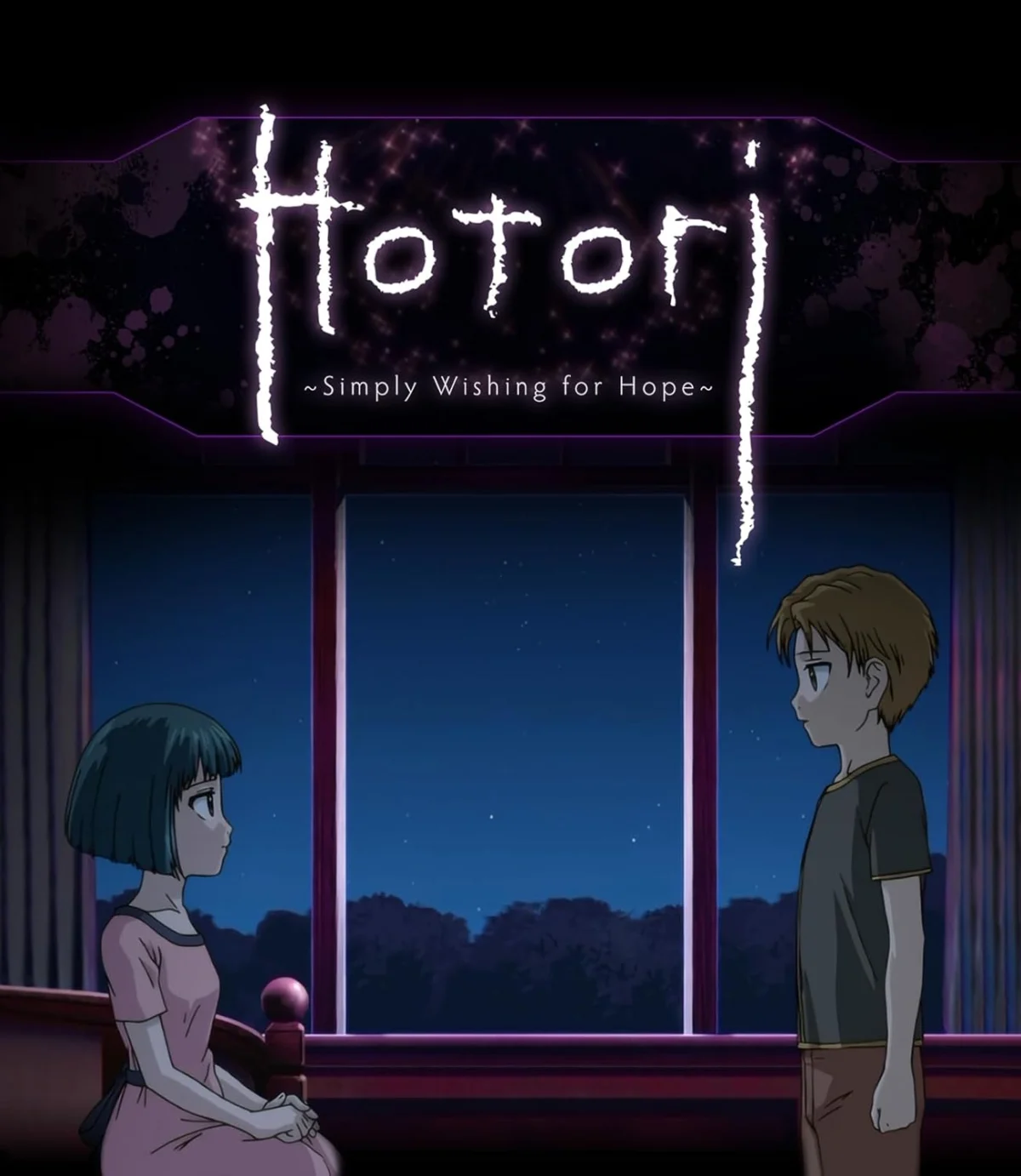
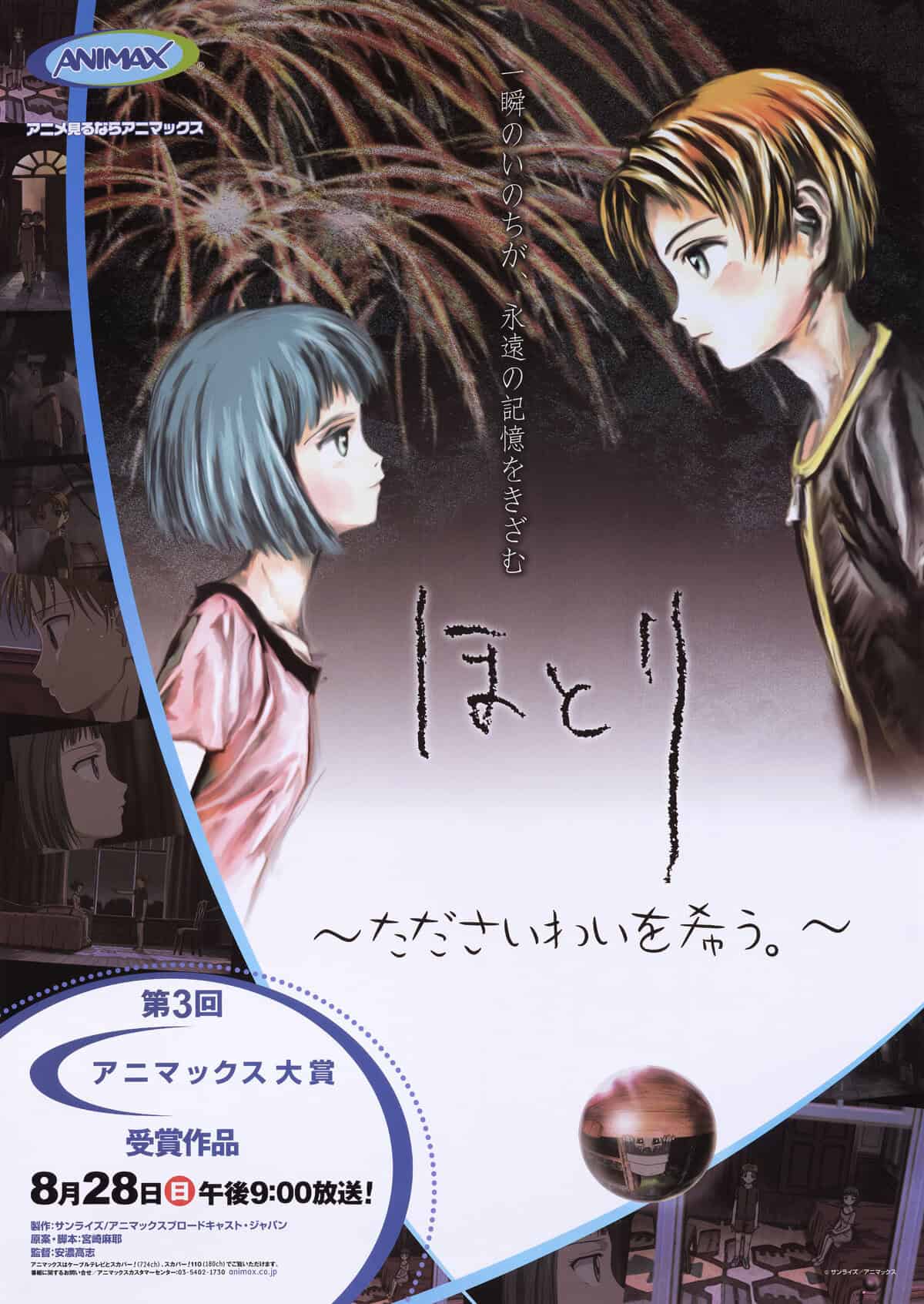
The narrative of Hotori: Simply Wishing for Hope centers on two young protagonists, each grappling with fundamental questions of existence, albeit from diametrically opposed perspectives. The audience is first introduced to Suzu, a robot meticulously designed to embody Ryou Ogura, a young boy who tragically passed away. Suzu’s daily existence is a carefully orchestrated process of assimilation: he is systematically taught human behaviors and progressively implanted with Ryou’s memories. This ongoing reconstruction of a lost life raises immediate ethical and philosophical questions about authenticity and the nature of self. Is Suzu merely a sophisticated imitation, or can he truly inherit the essence of the boy he is meant to replace?
Suzu’s sheltered, programmed life takes an unforeseen turn when he accidentally discovers an old mansion situated within the grounds of the hospital where he resides. It is here that he encounters Hotori, a girl afflicted with a debilitating illness characterized by progressive memory loss. This chance meeting becomes the catalyst for the story’s emotional core. As Suzu and Hotori forge an unlikely friendship, their contrasting conditions highlight the central thematic conflict: one child is burdened by a fabricated past, learning to "be" someone else through implanted memories, while the other is tragically losing her own cherished recollections, fading into an unknown future. Their shared journey becomes a poignant quest for self-definition and an confrontation with the harsh realities of mortality.
A Deep Dive into Grief and Human Emotion
Hotori: Simply Wishing for Hope meticulously explores the multifaceted nature of grief, portraying it not as a monolithic emotion but as a complex, emotionally layered experience through its diverse characters. Suzu’s adoptive parents serve as a powerful illustration of this theme. Though their appearances are infrequent, their scenes resonate with profound desperation and quiet sorrow. Their decision to participate in a risky, experimental project—to essentially recreate their deceased son as a robot—speaks volumes about the agonizing pain of loss and the desperate human yearning for connection, even if it means confronting an imperfect, robotic facsimile. The narrative poignantly underscores their predicament: they are constantly reminded that Suzu, despite his human-like qualities, remains a mere fragment, a technological echo of the son they lost, perpetually existing in the shadow of his predecessor. This creates a deeply empathetic portrayal of parents caught between hope and the indelible scar of bereavement.
Hotori’s experience with loss, on the other hand, is significantly more intricate and personal. Her grief is not solely for her deceased mother, an emotion she frequently articulates. What truly afflicts her, and forms a significant emotional arc, is the terrifying realization that her illness is systematically eroding her memories of loved ones who are still alive. This progressive amnesia represents a second, ongoing loss—the erosion of her personal history, her identity, and her connections to the present. The fear of forgetting the smiles, voices, and shared moments with those she cherishes creates a unique and profound form of anticipatory grief, forcing her to confront the ephemeral nature of human experience and the fragility of memory itself. Her struggle personifies the human need to hold onto identity through recollection, making her plight deeply relatable and heart-wrenching.
Beyond individual grief, the OVA delves into the broader complexities of human behavior, primarily through Suzu’s robotic perspective. As a being designed for logical processing, Suzu struggles to comprehend the nuances of human emotion and social interaction. A particularly illustrative scene involves Hotori forcing a smile despite her sadness. From Suzu’s perspective, this behavior is illogical and contradictory; he was never programmed with such a response. This simple interaction highlights a core theme: the non-linear, often contradictory nature of human emotion and expression. As their friendship blossoms, Suzu is compelled to move beyond his programmed understanding, learning that human beings are not one-dimensional entities operating on simple binary logic. He begins to grasp the complexities of empathy, resilience, and the subtle ways humans navigate their internal worlds.
Artistic Direction and Production Realities
The visual presentation of Hotori: Simply Wishing for Hope presents a mixed bag, reflecting perhaps the common challenges faced by OVA productions, which often operate with more constrained budgets and tighter schedules compared to full-fledged television series or feature films. While Studio Sunrise is known for its high production values, the character design by Koichi Hatsumi, in this particular instance, has been a point of critical discussion. Many of the character designs suffer from what is colloquially known as "same face syndrome," where multiple characters exhibit overly similar facial structures, leading to a lack of distinct visual identity. This can hinder viewer engagement and make it difficult to differentiate between supporting characters or fully immerse oneself in the world.
Furthermore, the character proportions are visibly uneven, particularly noticeable in the depictions of children like Suzu and Hotori. Their heads are unusually large in relation to their bodies, and their eyes, disproportionately expansive, dominate their faces. In certain scenes, this stylistic choice becomes particularly distracting, creating an effect that some critics have likened to adult-sized eyes being incongruously placed on child-like figures. This visual inconsistency, while perhaps an intentional artistic choice to emphasize innocence or vulnerability, inadvertently detracts from the overall polish and can break immersion for viewers. The technical execution of character models, therefore, did not always align with the narrative’s ambition.
Despite these criticisms regarding character design and overall animation quality, the OVA does demonstrate moments of visual artistry that contribute significantly to its emotional resonance. The inclusion of carefully composed still shots, often depicting natural elements such as serene landscapes or draining water, serves a crucial narrative function. These silent interludes are strategically placed, frequently appearing during the most emotionally charged conversations between Suzu and Hotori. By momentarily pausing the action and focusing on these contemplative visuals, the anime effectively amplifies the gravity of the moment, allowing viewers to process the emotional weight of the dialogue and the characters’ internal struggles. This use of visual metaphor and quiet reflection demonstrates an intelligent understanding of pacing and atmosphere, adding a layer of sophisticated storytelling that transcends the technical shortcomings of other animation aspects.
OVA Format and Industry Context
Original Video Animations (OVAs) occupied a unique and important niche in the Japanese animation industry, particularly during the late 20th and early 21st centuries. Unlike television series, which adhere to strict broadcast schedules and often require broader appeal, or theatrical films, which demand blockbuster-level production and marketing, OVAs offered a creative sandbox for anime creators. They were typically direct-to-video releases, allowing for more experimental narratives, mature themes, and specialized target audiences that might not fit the conventional broadcast model. This format provided an avenue for projects like Hotori: Simply Wishing for Hope to explore niche psychological sci-fi without the commercial pressures of mainstream television.
The production timeline for such OVAs typically involved script development (as seen with the Animax Awards win in 2004), followed by pre-production, animation, and post-production, leading to a release within a few years. While the exact release date for Hotori isn’t specified in the original article, it would have followed this general pattern. The OVA market, while smaller than TV anime, was vital for fostering talent, testing new concepts, and delivering high-quality, often more artistically ambitious, content to dedicated fans. Hotori‘s existence is a testament to the OVA format’s role in enriching the anime landscape with diverse stories that prioritized thematic depth over mass appeal.
Broader Impact and Lasting Implications
Hotori: Simply Wishing for Hope ultimately stands as a poignant coming-of-age story that will resonate with enthusiasts of psychological science fiction anime. Despite its technical imperfections in animation and character design, the OVA’s strength lies in its profound exploration of grief, memory, and the complex journey of self-discovery. It tackles universal themes with a delicate touch, inviting viewers to ponder what constitutes identity, how memory shapes our understanding of the world, and how we cope with loss and the inevitability of mortality.
The critical commentary surrounding Hotori often acknowledges its thematic richness while pointing out its visual limitations. This balance is common for OVAs, where artistic ambition sometimes outstrips available resources. However, the narrative’s emotional core, driven by the unique dynamic between Suzu and Hotori, successfully transcends these technical hurdles. The OVA serves as a reminder that compelling storytelling and profound thematic exploration can sometimes outweigh pristine animation quality, especially when dealing with such sensitive and introspective subject matter. Its ability to evoke strong emotional responses and provoke thoughtful reflection ensures its place as an intriguing, if imperfect, contribution to the genre. For those seeking narratives that challenge the mind and stir the heart, Hotori: Simply Wishing for Hope remains a worthwhile viewing experience, embodying the spirit of a golden age of anime dedicated to exploring the very essence of humanity.