The Independent Film Company (IFC) has officially unveiled the debut teaser trailer for Motor City, a period-piece revenge thriller directed by Potsy Ponciroli. Scheduled for a wide theatrical release on July 24, 2026, the film is positioned as a high-octane exploration of betrayal and retribution set against the industrial backdrop of 1970s Detroit. Starring Alan Ritchson, known for his leading role in the Reacher series, the production has garnered significant attention for its unconventional narrative structure, which reportedly features minimal dialogue, relying instead on visual storytelling, immersive sound design, and a curated rock score.
The narrative follows John Miller, portrayed by Ritchson, a working-class individual whose life is dismantled after he is framed for a crime by a powerful local gangster. The conflict stems from Miller’s romantic involvement with a woman associated with the antagonist. Following a multi-year incarceration, Miller returns to the streets of Detroit with a singular focus on dismantling the organization that orchestrated his downfall. The film features an ensemble cast including Shailene Woodley, Pablo Schreiber, Ben Foster, and Ben McKenzie, each playing pivotal roles in the gritty urban landscape envisioned by Ponciroli and screenwriter Chad St. John.
Narrative Premise and Visual Stylization
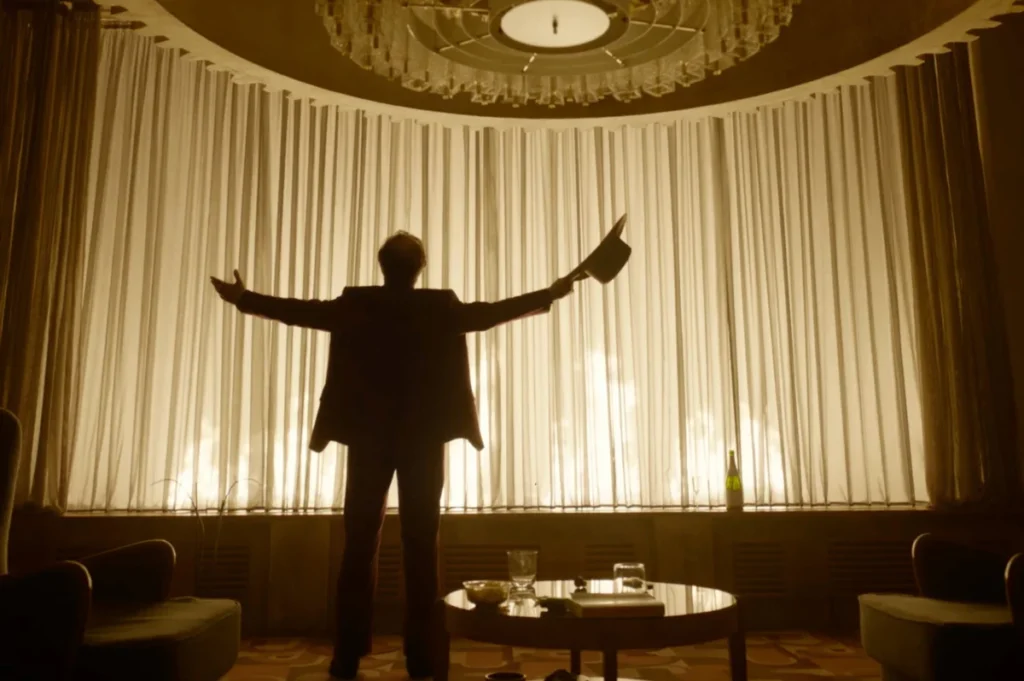
Motor City distinguishes itself from contemporary action cinema through its commitment to "pure cinema" techniques. By eschewing traditional dialogue-heavy scenes, Ponciroli aims to convey emotion and plot progression through physical performance and atmospheric detail. This approach was a primary focus of the initial reviews following the film’s world premiere at the 2025 Toronto International Film Festival (TIFF). Critics at the festival characterized the film as a visceral experience, with some comparing its rhythmic pacing and aesthetic to a feature-length 1970s music video.
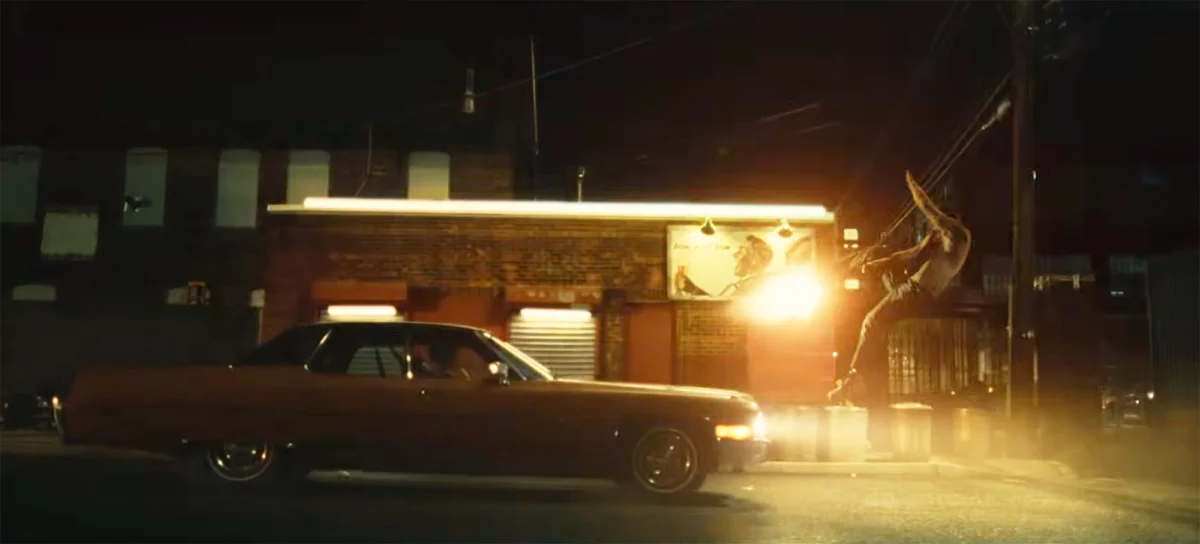
The setting of 1970s Detroit serves as more than a backdrop; it is an integral component of the film’s identity. During this era, the city was characterized by its industrial prowess and a burgeoning social tension, providing a fertile ground for a story centered on a "working-class romantic" pushed to the brink. The production design emphasizes the period’s grit, utilizing authentic locations and era-specific aesthetics to ground the heightened action sequences in a tangible reality.

Development and Production Timeline
The path to the 2026 release of Motor City involved a multi-year development cycle. The screenplay, penned by Chad St. John—whose previous credits include London Has Fallen and Peppermint—was noted for its sparse script, which prioritized action choreography over spoken lines. The project gained significant momentum when Potsy Ponciroli signed on to direct. Ponciroli’s previous work, particularly the 2021 neo-Western Old Henry, demonstrated his ability to handle minimalist narratives and sudden, explosive violence, making him a strategic choice for this project.
Principal photography took place primarily in New Jersey and areas of Detroit to capture the necessary architectural authenticity. The production was managed by a team of experienced producers, including Jon Berg, Joshua Harris, Cliff Roberts, Greg Silverman, and St. John himself. Following the completion of filming, the project entered an extensive post-production phase focused on sound design and the integration of the musical score.
The film’s debut at the Toronto International Film Festival in September 2025 served as a critical litmus test. The reception was largely positive, with particular praise directed at Alan Ritchson’s physical performance and the film’s technical execution. Following the festival circuit, the Independent Film Company secured the distribution rights, setting the mid-summer 2026 release date to capitalize on the audience’s appetite for stylistic action during the blockbuster season.
Technical Execution and Musical Direction
A defining feature of Motor City is its auditory landscape. The film features a rock-heavy score composed and curated by Jack White. A native of Detroit, White’s involvement brings a level of cultural authenticity to the project. His musical style, often characterized by raw energy and blues-rock influences, aligns with the film’s 1970s setting and its gritty thematic undertones.
The sound design is engineered to be "immersive," a necessity given the lack of dialogue. In such a format, the sounds of the city—the roar of engines, the mechanical clanging of factories, and the impact of physical combat—must carry the weight of the narrative. This technical requirement necessitated a precision-crafted audio mix that works in tandem with the visual editing to maintain a "propulsive spectacle." The action stunts, overseen by veteran coordinators, were designed to be "precision-crafted," emphasizing realism and impact over the stylized hyper-violence often seen in modern superhero or fantasy cinema.

Cast Profiles and Character Dynamics
The casting of Alan Ritchson marks a significant step in the actor’s transition from television success to leading man status in feature films. Ritchson’s portrayal of John Miller requires a high degree of physical expressiveness, as the character’s motivations and internal state must be communicated without the benefit of monologues.
Supporting Ritchson is a cast of seasoned performers:
- Shailene Woodley: Known for her roles in The Fault in Our Stars and the Divergent series, Woodley plays the woman at the center of the conflict between Miller and the criminal underworld.
- Pablo Schreiber: An actor noted for his intensity in series like Halo and Orange Is the New Black, Schreiber’s role contributes to the film’s antagonistic forces.
- Ben Foster: Recognized for his transformative performances in Hell or High Water and 3:10 to Yuma, Foster brings a veteran presence to the ensemble, often specializing in morally complex or volatile characters.
- Ben McKenzie: Known for Southland and Gotham, McKenzie rounds out the primary cast, adding to the film’s "tough-guy" pedigree.
The interactions between these characters are reportedly handled through glances, physical confrontations, and situational tension, a choice that places a heavy burden on the actors’ ability to convey subtext.
Comparative Analysis and Genre Trends
Motor City enters a market that has seen a resurgence in "silent" or minimalist action films. Recent successes like Sisu, which featured a nearly silent protagonist, and the John Wick franchise, which prioritizes visual choreography over dialogue, indicate a growing audience interest in "pure action" storytelling. By stripping away dialogue, Ponciroli removes the potential for exposition-heavy scenes, forcing the audience to engage more directly with the visual cues and the rhythm of the film.
Furthermore, the choice of a 1970s setting aligns with a broader cinematic trend of "retro-noir" or period-specific crime thrillers. The 70s are often viewed as the "Golden Age" of the American gritty thriller, with films like Point Blank and The French Connection serving as spiritual ancestors to Motor City. By channeling these influences, Ponciroli and St. John are tapping into a legacy of filmmaking that prioritizes atmosphere and character-driven stakes over CGI-heavy spectacles.

Broader Impact and Industry Implications
The release of Motor City is a significant event for the Independent Film Company. As a mid-budget, high-concept thriller, it represents a strategic alternative to the franchise-dominated summer box office. The film’s success could signal to the industry that there remains a robust market for original, director-driven action films that prioritize craft and unique narrative constraints.
For director Potsy Ponciroli, Motor City serves as a major follow-up to the critically acclaimed Old Henry. While Old Henry was a contained, low-budget Western, Motor City is a more ambitious undertaking in terms of scale, cast, and technical requirements. A positive commercial and critical reception would solidify Ponciroli’s reputation as a filmmaker capable of modernizing classic genres.
Additionally, the film serves as a showcase for Detroit’s cultural legacy. By involving Jack White and focusing on the city’s industrial history, the production pays homage to the "Motor City" identity. The film’s portrayal of 1970s Detroit may also spark renewed interest in the city’s cinematic history and its role as a symbol of American industrialism and its subsequent challenges.
Distribution and Market Strategy
IFC’s decision to release the film on July 24, 2026, places it in the heart of the summer season. This timing suggests confidence in the film’s ability to serve as "counter-programming" to the year’s major tentpole releases. While major studios often rely on established intellectual property, Motor City is being marketed on the strength of its visual style, its cast, and its "must-see" teaser trailer.
The marketing campaign is expected to lean heavily on the "dialogue-free" aspect as a unique selling point. In an era of content saturation, a film that promises a "visceral, propulsive spectacle" without the distractions of traditional exposition may appeal to audiences seeking a more focused and intense theatrical experience. As the July release date approaches, further promotional materials are expected to highlight the Jack White score and the specific action sequences that earned the film its positive reputation at the Toronto International Film Festival.

Motor City stands as a testament to the enduring appeal of the revenge saga. By combining a classic narrative arc with modern technical precision and a daring lack of dialogue, the film seeks to redefine the boundaries of the action-thriller genre for a 2026 audience. With its release set for this summer, the industry will soon see if this "thunderous, high-octane" experiment resonates with the general public as effectively as it did with festival critics.