The evolution of Darth Maul from a fleeting antagonist in Star Wars: Episode I – The Phantom Menace to a complex, central figure in modern Star Wars storytelling is a testament to the enduring power of character development and the expanding narrative possibilities within the galaxy far, far away. Maul – Shadow Lord, a recent series exploring the character’s rise within the criminal underworld, represents the culmination of years of dedicated world-building, primarily through animated series like The Clone Wars and Rebels. This narrative arc, meticulously crafted by Dave Filoni and a team of talented creatives, has successfully transformed a character who initially spoke only two lines into one of the franchise’s most compelling anti-heroes.
From One-Dimensional Villain to Galactic Force
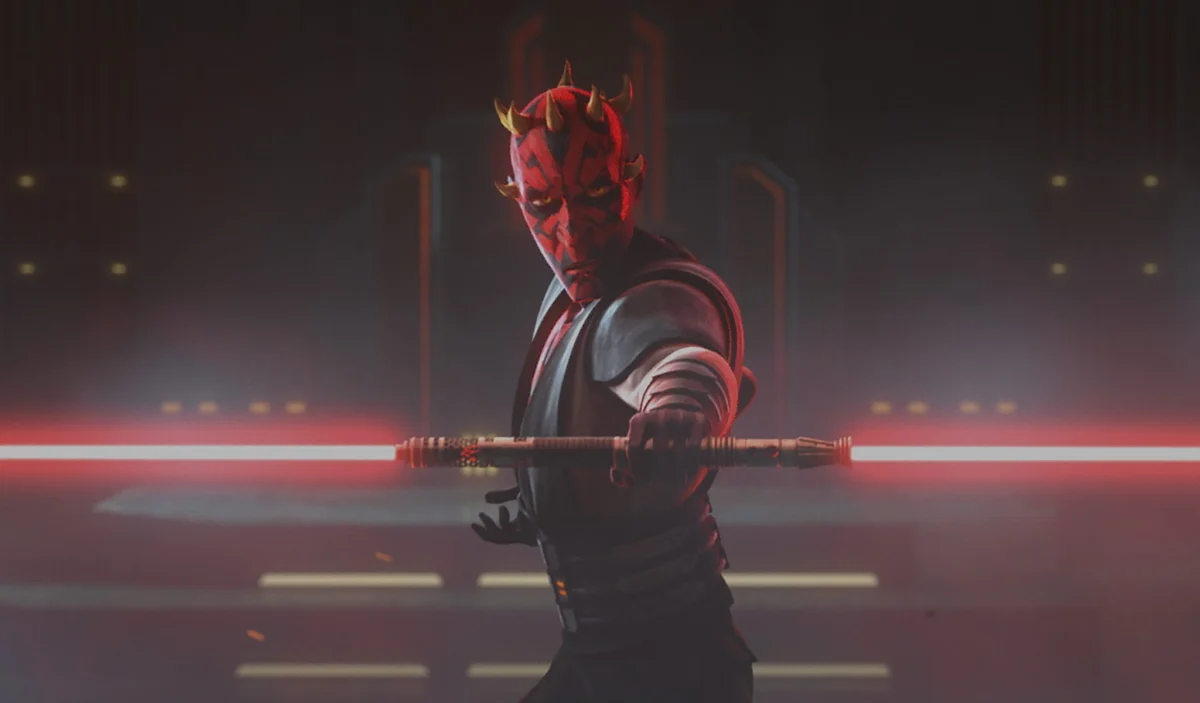
Introduced in 1999’s The Phantom Menace, Darth Maul, portrayed physically by Ray Park and voiced by Peter Serafinowicz, was intended as a visually striking, yet ultimately disposable, enforcer for Emperor Palpatine. His iconic double-bladed lightsaber and menacing presence were primarily showcased in a now-legendary duel, the "Duel of the Fates," set to John Williams’ powerful score. This musical piece, treated almost as a standalone single prior to the film’s release, underscored the immense anticipation surrounding Maul’s introduction. However, the film’s narrative, already densely packed with exposition and character introductions, offered little room for deeper exploration of Maul’s motivations or backstory. His swift demise at the hands of Obi-Wan Kenobi seemed to relegate him to the status of a minor footnote in the larger Skywalker saga, a fate shared by subsequent Palpatine apprentices like Count Dooku and General Grievous in the prequel trilogy.
The films, by their nature, are limited in their ability to fully flesh out every character. The prequel era, in particular, was criticized for introducing numerous compelling concepts and characters only to discard them quickly. This approach left many fans yearning for more, a sentiment that fueled the expansion of the Star Wars universe through novels, comic books, and eventually, television series.

The Clone Wars and Rebels: Rebirth Through Animation
The arrival of Star Wars: The Clone Wars marked a significant turning point. Initially met with some skepticism, the animated series, under the stewardship of Dave Filoni, began to bridge the narrative gaps left by the prequels. It provided the necessary space to explore the complexities of the galaxy during the Clone Wars, and crucially, to reintroduce and develop characters who had been underserved in the films.
The resurrection of Darth Maul was a bold move, one that initially drew criticism from some who felt it undermined the finality of his death and the stakes of the Skywalker saga. However, the creative team proved adept at weaving Maul’s survival and subsequent journey into the overarching narrative. The Clone Wars revealed Maul’s brutal upbringing under the tutelage of Darth Sidious (Palpatine), detailing how he was molded into a weapon, abused, and ultimately discarded. This exploration revealed a character driven by deep-seated trauma, a profound sense of abandonment, and a burning desire for vengeance.
His complex relationship with Obi-Wan Kenobi, a rivalry born from their initial confrontation, became a central theme. Maul’s hatred was not a simple, unadulterated emotion; it was laced with a desperate need for validation and an acknowledgment of their shared experience as "unfavored apprentices" cast aside in favor of Anakin Skywalker. The series meticulously charted his descent into the criminal underworld, his manipulation of the political landscape of Mandalore, and his relentless pursuit of power.
Star Wars Rebels, which further explored the pre-Empire era, continued Maul’s narrative, culminating in his poignant final confrontation with Kenobi on Tatooine in the episode "Twin Suns." This arc provided a fitting, albeit tragic, conclusion to his personal quest for revenge, emphasizing themes of fate, regret, and the cyclical nature of violence.

Sam Witwer: The Voice of a Legend
Central to Maul’s resurgence as a fan favorite has been the performance of Sam Witwer. Having voiced the character throughout The Clone Wars, Rebels, and various video games, Witwer has imbued Maul with a gravitas and emotional depth that transcends his physical portrayal in the films. His masterful delivery of Maul’s monologues, his guttural roars of rage, and his whispered declarations of vengeance have made the character unforgettable. Witwer’s performance has been instrumental in transforming Maul from a silent threat into a psychologically complex individual grappling with loss, betrayal, and his own dark nature. He has consistently delivered material that showcases Maul’s operatic pathos, making it nearly impossible to imagine anyone else in the role.
Maul – Shadow Lord: A New Era of Underworld Domination
The premise of Maul – Shadow Lord is grounded in the immediate aftermath of the Clone Wars and the rise of the Galactic Empire. This period, characterized by the Empire’s consolidation of power and the suppression of dissent, provides a fertile ground for Maul’s ambition to control the galaxy’s criminal syndicates. The series positions Maul not just as a survivor, but as a strategic mastermind seeking to establish a new order within the chaos of the burgeoning Empire.
The narrative unfolds during a time when many are attempting to fly under the new regime’s radar. Maul, however, is actively working to seize control of the underworld, drawing on his allies from Mandalore and Dathomir. The introduction of Devon Izara, a Force-sensitive individual whose destiny Maul believes is intertwined with his own, marks a significant development. His approach to mentorship, characterized by coercion and a willingness to let her Jedi Master perish, highlights his ruthless nature while simultaneously setting the stage for a complex, potentially paternal, relationship—a recurring trope in Star Wars narratives.
The series also introduces Brander Lawson, a detective grappling with personal tragedy following his wife’s defection to the Empire. This element adds a layer of grounded, human drama to the unfolding events, contrasting with the more fantastical elements of the Force. The inclusion of "Two Boots," Lawson’s lawful-good partner, provides a touch of levity and serves as a catalyst for the inevitable confrontation with Imperial forces, including Inquisitors and stormtroopers. The visual spectacle of the fight choreography, a hallmark of Filoni’s animated productions, is present, with lightsaber combat sequences designed to reflect the emotional states of the characters. The Kiner family’s musical score continues to enhance the operatic and dramatic tone of the series.

Analyzing the Narrative Implications
Maul – Shadow Lord operates on a deliberate, slower pace, allowing the central question—Devon Izara’s eventual alignment with Maul’s teachings—to resonate. This pacing is a deliberate choice in an era of television often criticized for rushing its narratives. The series also delves into Maul’s internal struggles, particularly his processing of profound loss and abandonment. His prosthetic leg, a constant reminder of his dismemberment by Obi-Wan, serves as a potent symbol of his enduring pain and the physical and psychological scars he carries. The series subtly explores the concept of mechanical prosthetics still causing phantom pain, a thought-provoking detail that adds depth to the character’s physical and emotional landscape.
A significant aspect of Maul’s arc in Shadow Lord is his journey toward self-therapy. He begins to confront the "weakness" of his inner child, a realization that is crucial as he prepares to mentor an apprentice. This internal growth, while challenging, offers a glimmer of hope and a potential path toward redemption, even as the narrative foreshadows future tragedy.
The relationship between Maul and Devon Izara is positioned as a cornerstone of the season, echoing the compelling dynamics seen in series like Andor. The audience is aware that their partnership is ultimately doomed, yet the exploration of how they grow close and what ultimately leads to their separation is where the dramatic tension lies. Devon’s own internal conflict, fueled by teenage rage and deep love, promises a devastating conclusion to their alliance. The series masterfully builds towards this inevitable fallout, emphasizing the emotional stakes for both characters and the viewer.
The future of Maul’s story, as hinted by the confirmation of at least one more season for Maul – Shadow Lord, continues to be a source of excitement for fans. The animated series, as demonstrated by the success of The Clone Wars and Rebels, remains the crucible where the most compelling and innovative Star Wars narratives are forged. Powered by artists deeply invested in the lore, these productions consistently push the boundaries of storytelling within the franchise, solidifying their position as the vanguard of modern Star Wars content. The enduring popularity and narrative depth achieved by characters like Darth Maul underscore the value of investing in character arcs, proving that even the most seemingly minor figures can achieve legendary status with careful development and compelling storytelling.