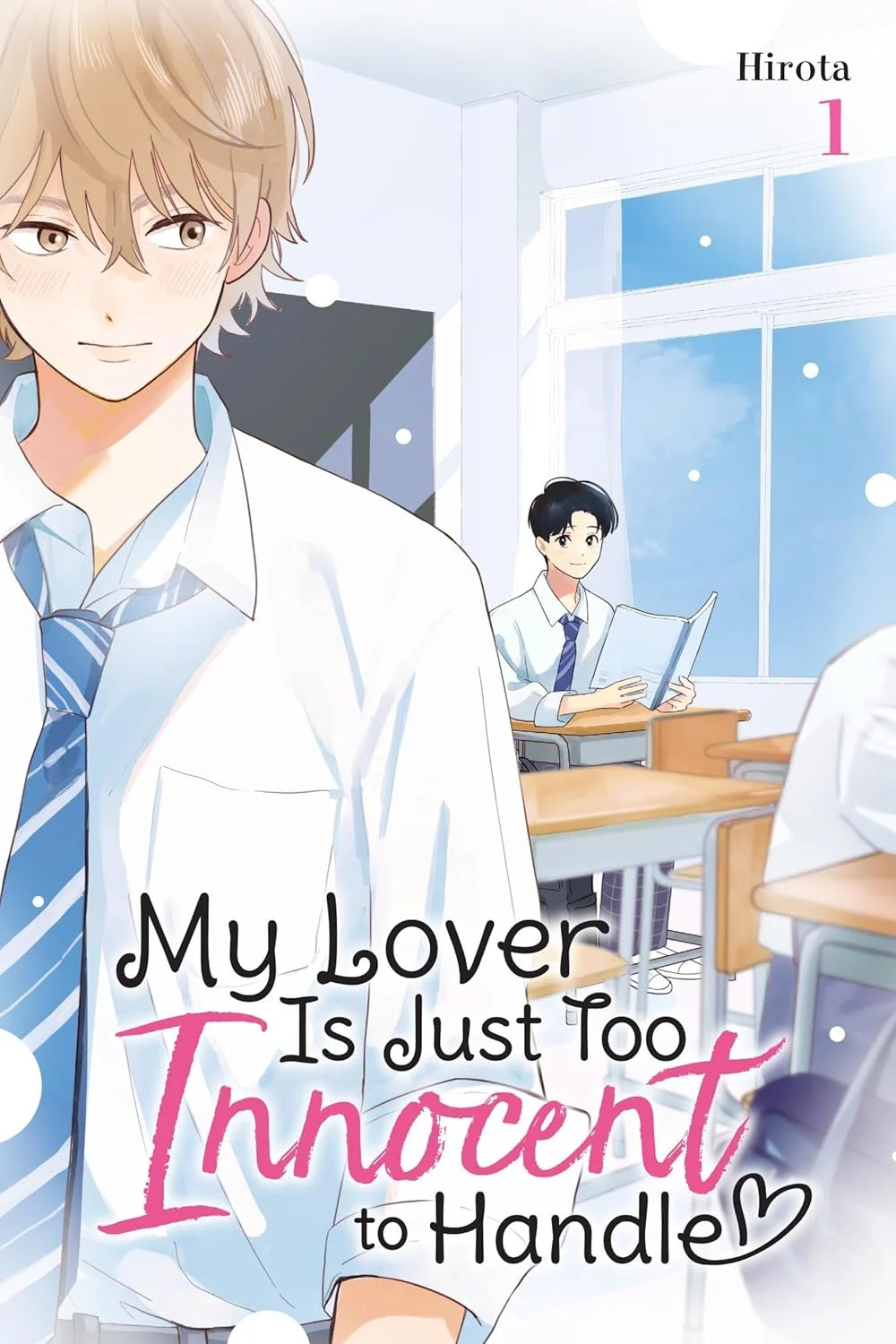
Hirota’s debut Boys’ Love (BL) manga, "My Lover Is Just Too Innocent to Handle," emerges as a quintessential example of the enduring popularity of school-themed narratives within the genre. This work centers on the classic premise of two high school students navigating the complexities of their burgeoning romance, exploring themes of discovery, innocence, and the often-awkward journey of first love. The title, released to a growing global audience for BL content, positions itself as a tender and introspective look at the initial stages of a relationship, appealing to readers who appreciate nuanced character development over high-octane drama.
The Enduring Appeal of School Romance in BL Manga
The school setting has long been a foundational pillar of the Boys’ Love genre, offering a fertile ground for character development and relationship dynamics. Critics and market analysts attribute this enduring appeal to several factors. High school environments naturally foster intense emotional experiences, a sense of shared discovery, and the relative isolation from adult responsibilities, allowing for a focused exploration of romantic feelings. For many readers, the nostalgia associated with school life, combined with the often idealized portrayal of first love, creates a powerful sense of relatability and escapism.
Data from recent years highlights the significant growth of the BL market, particularly in digital formats and international distribution. According to a report by the Japan Magazine Publishers Association, the manga market as a whole has seen consistent growth, with BL titles contributing notably to this expansion. This surge is fueled by dedicated fanbases across Asia, North America, and Europe, who actively seek out stories that explore diverse representations of male-male romance. Debut works like Hirota’s benefit from this expansive ecosystem, finding an eager audience ready to embrace fresh perspectives within established tropes. The school romance subgenre, characterized by themes of youthful exploration, societal pressures, and personal growth, remains a consistent bestseller, providing a familiar yet ever-refreshing backdrop for new narratives.
Synopsis: A Tale of Unexpected Affection
"My Lover Is Just Too Innocent to Handle" commences with an introduction to Azusa Hasegawa, a high school student whose unassuming demeanor makes him largely invisible among his peers. Portrayed as quiet, reserved, and deliberately avoiding anything that might draw attention, Azusa is the embodiment of an ordinary teenager. This carefully constructed anonymity is shattered when Aoto Hiyama, arguably the most popular and outwardly charismatic boy in their class, makes an unexpected and direct confession of his feelings for Azusa. The revelation is a profound shock, not least because the two students have never engaged in a meaningful conversation, existing in entirely different social spheres within their school’s hierarchy.
In lieu of modern communication methods, the pair embarks on an old-fashioned exchange diary, a narrative device that serves to bridge the initial chasm of unfamiliarity and awkwardness. This intimate, handwritten correspondence becomes the primary vehicle through which their relationship develops, allowing them to communicate thoughts and feelings they might be too shy to express verbally. Through these shared pages, Azusa gradually uncovers a surprising truth: beneath Hiyama’s popular facade lies a deeply innocent and inexperienced individual, particularly when it comes to matters of the heart. This discovery forms the core of their evolving dynamic, as their daily lives transform into a mutual journey of understanding and experiencing love for the very first time. The diary, therefore, is not merely a plot device but a symbol of their tentative steps towards emotional intimacy, highlighting the vulnerability and sincerity that define their budding relationship.
Narrative Pacing and Character Development
The narrative structure of "My Lover Is Just Too Innocent to Handle" is characterized by its deliberate slow pace, unfolding through a series of short, episodic chapters. This format meticulously details the protagonists’ daily interactions and the minor situations they encounter, focusing on the minutiae of a developing high school romance. While some readers might anticipate a more dramatic progression, Hirota’s choice emphasizes the gradual, organic growth of Azusa and Hiyama’s relationship. The author skillfully employs everyday misunderstandings not as sources of prolonged conflict, but as catalysts for introspection and mutual learning. Each small friction point serves to highlight their individual clumsiness in navigating a romantic partnership, leading to moments of awkward reconciliation and deeper understanding.
For instance, a notable chapter explores Hiyama’s reaction to a rumor suggesting Azusa might have dated someone previously. This situation, though minor, is handled with a focus on internal processing rather than external drama. Hiyama, initially prone to sulking and making assumptions based on hearsay, eventually chooses to confront the rumor directly by seeking the truth from Azusa himself. This interaction underscores a crucial aspect of their development: the importance of direct communication and trust over conjecture. Such instances, repeated throughout the volume, demonstrate the characters’ progressive maturation. They learn to articulate their feelings, confront insecurities, and build a foundation of honesty, transforming initial awkwardness into genuine connection. This measured approach to storytelling allows readers to witness the authentic, often stumbling, steps of two individuals discovering love and themselves in the process.
Navigating Conflict: Low Stakes, High Relatability
One of the distinctive features of "My Lover Is Just Too Innocent to Handle" is its intentional eschewal of high-stakes conflict, a narrative choice that sets it apart from many genre counterparts that often rely on external obstacles or dramatic twists. This approach, while contributing to a "light read" experience, has also been noted by some critics as potentially leading to a sense of narrative predictability or, at times, a lack of sustained tension. The chapters often follow a similar pattern: a minor misjudgment occurs between Hiyama and Hasegawa, leading to temporary embarrassment or mild discomfort, followed by a swift reconciliation and a new insight gained about each other.
This narrative rhythm, however, can be interpreted as a deliberate artistic decision to prioritize emotional realism and the nuances of budding intimacy over external drama. In a genre where angst can often dominate, Hirota opts for a portrayal of romance that emphasizes internal growth and the subtle complexities of interpersonal connection. The highest-stakes situation introduced in the first volume involves the appearance of Keita Ozawa, a club member of Hasegawa’s who exhibits an almost overprotective loyalty towards his senior. While Ozawa’s presence introduces a potential romantic rival or an obstacle to the couple’s privacy, the conflict he presents is resolved with relative speed and without escalating into significant dramatic tension. His role appears to be more that of a recurring character designed to gently test the boundaries of Azusa and Hiyama’s relationship, rather than to create lasting dramatic impact. This choice aligns with the manga’s overall theme of innocence and the gradual unfolding of a first love, suggesting that the "conflicts" are primarily internal or easily surmountable, allowing the focus to remain firmly on the characters’ emotional journey and mutual discovery.
The Art of Innocence: Character Design and Visual Storytelling
Beyond its narrative approach, a significant portion of the manga’s charm is rooted in its characterizations, particularly the unexpected facets and inherent innocence of its protagonists. Aoto Hiyama, despite his undeniable popularity and attractive appearance, is portrayed as utterly devoid of actual relationship experience. This contrast between his outward persona and inner naiveté creates a compelling dynamic. Feeling the responsibility to take the lead since he initiated the confession, Hiyama awkwardly defaults to outdated romantic gestures, such as the aforementioned exchange diary, rather than contemporary texting or calling. His propensity to become flustered by even the slightest actions or words from Azusa amplifies his endearing quality, making him relatable and genuinely adorable to readers.
The manga’s art style, while described as simple, is remarkably effective in conveying these nuanced character traits and pivotal emotional moments. It eschews overly intricate details in favor of clean lines and expressive character designs. Crucially, Hirota employs subtle yet impactful visual cues, such as "sparkling effects," during scenes where characters experience strong emotions—be it embarrassment, affection, or a moment of profound realization. This technique visually amplifies the internal states of the characters, enhancing the emotional resonance of key interactions.
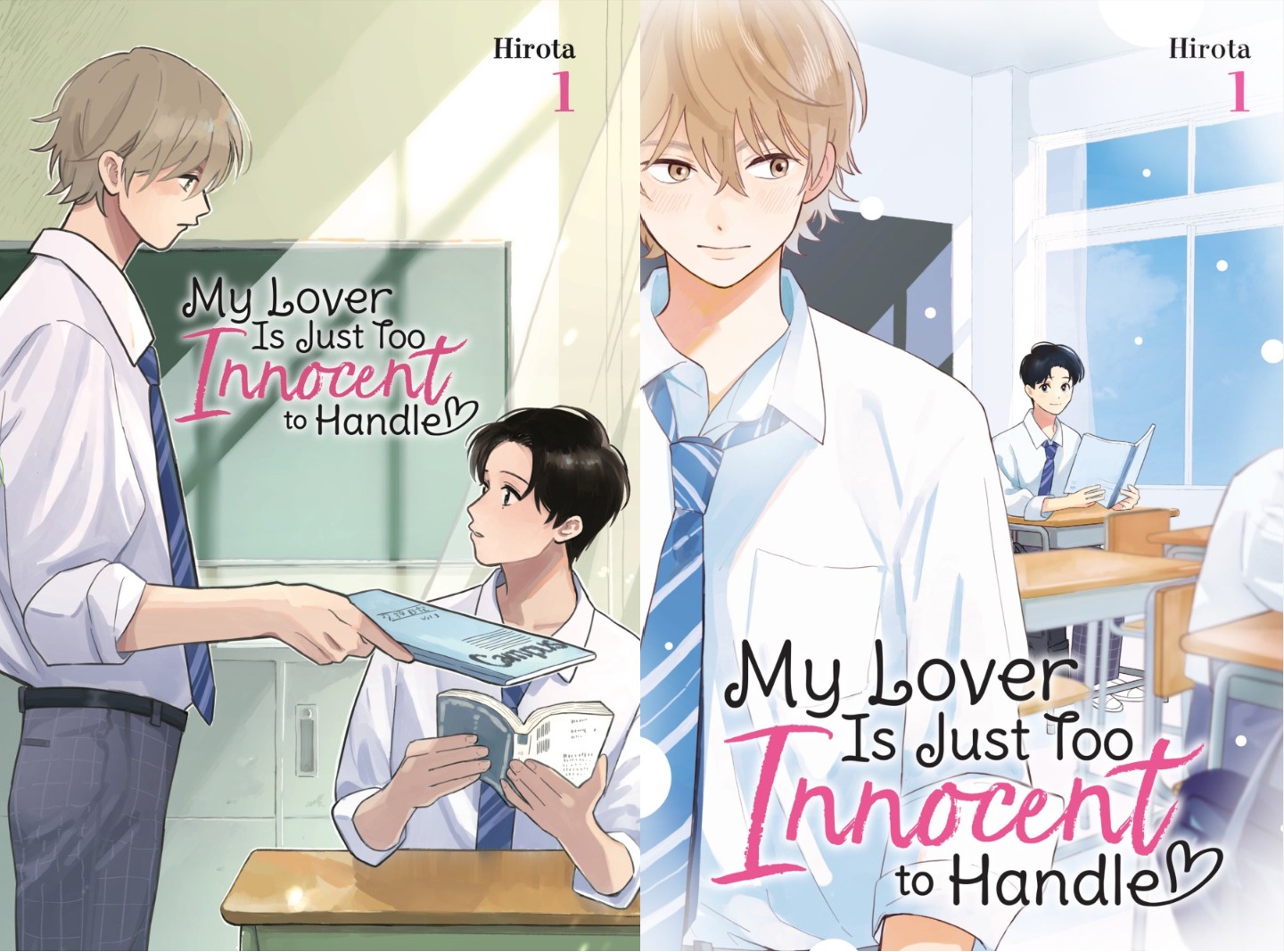
The character designs themselves are strategically crafted to reinforce their personalities and the story’s themes. Azusa Hasegawa is depicted with unassuming black hair and a general appearance that allows him to blend seamlessly into the background, underscoring his quiet nature. In stark contrast, Hiyama stands out with his blonde hair, piercings, and conventionally attractive features, visually embodying his popularity. However, it is precisely this striking physical presence juxtaposed with his profound cluelessness in matters of romance that makes him so captivating. This visual dichotomy not only highlights the "innocent" aspect of the title but also serves as a constant, charming reminder of the unexpected depth beneath Hiyama’s popular exterior, drawing readers further into his emotional journey. The art, therefore, acts as a silent narrator, complementing the text by visually emphasizing the core themes of discovery, vulnerability, and the unique beauty of first love.
Broader Context: The BL Manga Market and Debut Works
The landscape of Boys’ Love manga has undergone a significant transformation, evolving from a niche genre into a global phenomenon with a diverse readership. This growth is evidenced by the proliferation of digital platforms, specialized imprints from major publishers, and an increasing number of translated works available internationally. For debut authors like Hirota, entering this market presents both immense opportunities and unique challenges. Publishers actively seek fresh voices that can introduce new perspectives while still resonating with established genre conventions.
A common strategy for debut manga artists is to begin with standalone volumes or short series that test the waters for reader reception. "My Lover Is Just Too Innocent to Handle" fits this model, offering a self-contained yet open-ended narrative that allows for potential continuation based on its commercial success and critical feedback. The decision to focus on a high school romance, a subgenre with a proven track record of popularity, can be seen as a strategic move to appeal to a broad segment of the BL audience. Publishers often aim to balance innovation with familiarity, providing readers with stories that feel fresh yet comforting.
The success of a debut work often hinges on its ability to create memorable characters and deliver a compelling emotional experience, even within a low-conflict framework. In this context, Hirota’s manga, with its emphasis on character charm and the sweet unfolding of first love, aligns with market trends that show a strong demand for "feel-good" or "healing" narratives within the BL genre. These stories provide an antidote to more intense or angsty titles, catering to readers who seek gentle, heartwarming explorations of romance. The positive reception of such titles can significantly influence an author’s career trajectory, potentially leading to longer series, adaptations, or opportunities to explore different themes within the genre.
Reader Reception and Genre Implications
"My Lover Is Just Too Innocent to Handle" is poised to resonate strongly with a specific demographic within the broader BL readership: those who prioritize emotional authenticity, character-driven narratives, and a gentle exploration of first love over dramatic plotlines. The manga’s unapologetically sweet and lighthearted tone positions it as an ideal read for audiences seeking comfort and warmth, a "healing" narrative that offers a respite from more complex or emotionally taxing stories. Its emphasis on innocence and mutual discovery, particularly in the context of two inexperienced high school students, taps into universal themes of vulnerability and growth inherent in nascent relationships.
The manga contributes to the diversity within the BL genre by offering a distinct flavor of romance. While many BL titles explore deeper psychological complexities or navigate significant social obstacles, Hirota’s work carves out a niche for pure, unadulterated youthful affection. This approach helps broaden the appeal of BL, demonstrating that the genre is not monolithic but capable of encompassing a wide spectrum of narrative styles and emotional intensities. For readers who might be new to BL or prefer less explicit content, this manga serves as an accessible and heartwarming entry point.
The implications for the manga’s future development are significant. While the first volume concludes on a promising note, the ongoing journey of Azusa and Hiyama provides ample room for further exploration. The introduction of characters like Keita Ozawa, though not a source of major conflict, suggests potential for future external dynamics that could gently challenge and strengthen the main couple’s bond without deviating from the manga’s core tone. Should the series continue, future volumes could delve deeper into the characters’ individual aspirations, their navigation of high school life as an openly (or semi-openly) gay couple, or the introduction of new supporting characters that further enrich their world. The anticipation for how this undeniably sweet relationship will evolve is a testament to Hirota’s ability to create endearing characters and a compelling, if gentle, narrative.
Conclusion
"My Lover Is Just Too Innocent to Handle" stands as a commendable debut from Hirota, offering a refreshingly sweet and earnest portrayal of high school romance within the Boys’ Love genre. Its strength lies in its endearing characters, particularly the charming juxtaposition of Hiyama’s popularity and profound innocence, and its gentle, character-focused narrative. While the manga deliberately avoids high-stakes conflict, a choice that might lead to a lack of intense dramatic moments for some readers, it excels in capturing the subtle nuances of first love and mutual emotional growth. The simple yet expressive art style further enhances the storytelling, effectively conveying the characters’ emotions and the overall heartwarming tone. As a light and accessible read, it successfully builds anticipation for the continued development of Azusa and Hiyama’s relationship, solidifying its place as a promising contribution to the ever-expanding landscape of youthful BL narratives.