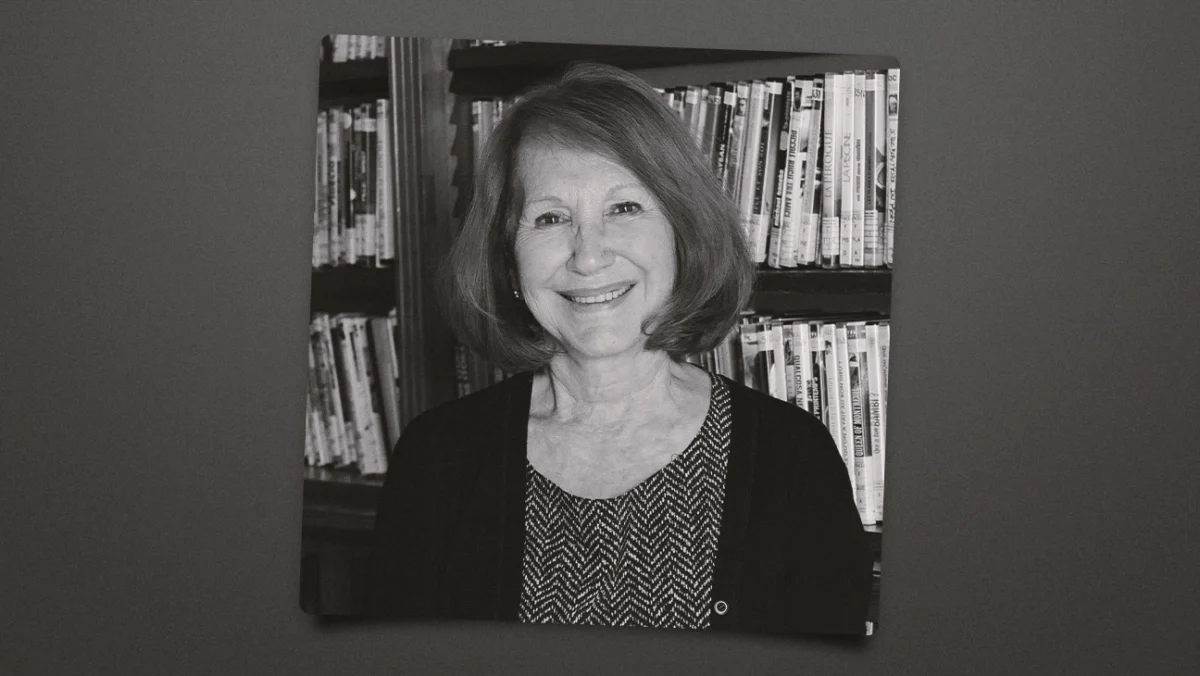
The French cinematic world, and indeed the international film community, is mourning the loss of Nathalie Baye, a revered actress whose illustrious career spanned over five decades and more than 80 films. Baye, known for her captivating performances in a diverse array of roles, including her recent appearance in Downton Abbey: A New Era and her memorable turn in Steven Spielberg’s Catch Me If You Can, passed away at the age of 77. Her family confirmed to the Agence France-Presse that she died on Friday, October 18, 2025, at her home in Paris, from complications associated with Lewy body dementia. Her passing marks the end of an era for a performer who seamlessly navigated the landscapes of art-house cinema and mainstream productions, earning her a unique place in the pantheon of French acting greats.
A Life Dedicated to the Arts: Early Life and Education
Nathalie Marie Andrée Baye was born on July 6, 1948, in Mainneville, a picturesque commune in the Eure department of Normandy, France. From an early age, Baye exhibited a natural inclination towards the performing arts, a passion that would ultimately define her life’s trajectory. Her formative years were marked by an intense dedication to honing her craft, leading her to one of France’s most prestigious institutions for dramatic training. In 1968, at the age of 20, she enrolled in the Conservatoire national supérieur d’art dramatique (National Academy of Dramatic Arts) in Paris. This esteemed academy, known for producing generations of France’s finest actors, provided Baye with a rigorous education in classical and contemporary theatre. She graduated in 1972, armed with the skills and theoretical knowledge that would underpin her remarkably versatile career. That very year, she made her cinematic debut in the American drama Two People, directed by Robert Wise, a film that, while not a major box office success, served as her initial foray onto the big screen.
The Rise of a Star: Embracing the French New Wave and Beyond
Baye’s entry into cinema coincided with a dynamic period in French filmmaking. The lingering influence of the French New Wave, characterized by its innovative narrative structures and directorial freedom, provided a fertile ground for emerging talents like Baye. Her talent was quickly recognized by some of the movement’s most iconic figures. Just a year after her debut, in 1973, she landed a significant role in François Truffaut’s acclaimed film Day for Night (La Nuit américaine), an meta-cinematic exploration of filmmaking itself. Her performance in this Oscar-winning picture brought her wider recognition and cemented her status as a rising star. She would go on to collaborate with Truffaut again in The Man Who Loved Women (1977) and The Green Room (1978), demonstrating her ability to embody complex characters with subtlety and depth under the direction of one of France’s cinematic masters.
Her collaborations extended to another titan of the French New Wave, Jean-Luc Godard. Baye appeared in his seminal 1980 film Every Man for Himself (Sauve qui peut (la vie)), a critically acclaimed work that marked Godard’s return to more narrative filmmaking. Her compelling performance in this film earned her the first of her four César Awards. She continued her work with Godard in Detective (1985), further showcasing her range and adaptability to different directorial styles. These early collaborations with Truffaut and Godard not only shaped her artistic sensibilities but also firmly established her as an actress of significant intellectual and emotional depth, capable of navigating both the intimate dramas and the more experimental narratives of French cinema.
Beyond the New Wave, Baye’s career flourished throughout the 1980s. She starred in films such as Le Retour de Martin Guerre (1982), a historical drama that garnered international praise for its intricate storytelling and powerful performances. Her ability to transition between different genres and historical periods became a hallmark of her career, preventing her from being typecast and allowing her to consistently challenge herself artistically.
Critical Acclaim and the César Awards: A Testament to Talent
Nathalie Baye’s enduring talent was consistently recognized by the French film industry’s most prestigious accolades, the César Awards. Often referred to as the French equivalent of the Academy Awards, the Césars celebrated Baye’s exceptional contributions to cinema over several decades. She was an extraordinary 10-time nominee, a testament to her consistent quality and prolific output. More impressively, she emerged victorious on four occasions, each win highlighting a distinct phase and facet of her remarkable career.
Her first César Award came in 1981 for Best Supporting Actress for her role in Jean-Luc Godard’s Every Man for Himself (1980). This early recognition underscored her ability to make a significant impact even in supporting capacities, drawing critical attention to her nuanced performances. The following year, in 1982, she received her second César, this time for Best Actress, for her captivating portrayal in Strange Affair (Une étrange affaire, 1981). This win cemented her status as a leading lady in French cinema, showcasing her capacity to carry a film with her powerful screen presence. Her third César followed swiftly in 1983, again for Best Actress, for her role in La Balance (1982). This consecutive win for Best Actress was a rare feat, signaling her dominance and consistent excellence during that period. La Balance, a gritty police thriller, allowed Baye to demonstrate a tougher, more resilient side of her acting prowess, further expanding her already impressive range.
After a period of continued critical and commercial success, Baye received her fourth and final César Award in 2006 for Best Actress for her performance in The Young Lieutenant (Le Petit Lieutenant, 2005). This later career recognition underscored her enduring relevance and ability to deliver compelling performances well into her senior years. In The Young Lieutenant, Baye played a seasoned police captain, a role that allowed her to explore themes of mentorship, grief, and resilience with profound emotional depth. These four César Awards, across different categories and spanning over two decades, stand as a powerful testament to her versatility, longevity, and profound impact on French cinema. Her numerous nominations also highlight a career consistently marked by critically praised work, establishing her as one of France’s most decorated and respected actresses.
International Recognition and Enduring Presence
While primarily a stalwart of French cinema, Nathalie Baye’s talent transcended national borders, bringing her international acclaim in later stages of her career. One of her most notable roles for global audiences came in 2002 with Steven Spielberg’s Oscar-winning biographical crime film Catch Me If You Can. In this Hollywood blockbuster, Baye played Paula Abagnale, the French mother of Leonardo DiCaprio’s character, Frank Abagnale Jr., and starred opposite Tom Hanks. Her portrayal of a woman navigating complex family dynamics and the unraveling of her son’s deception brought a subtle yet poignant European sensibility to the American narrative. The role introduced her to a new generation of international viewers and highlighted her ability to command the screen alongside Hollywood’s biggest stars without losing her distinct artistic integrity.
Her later career also saw her embrace roles that brought her back into the global spotlight. In 2022, Baye charmed audiences worldwide with her appearance in Downton Abbey: A New Era. She played Madame Montmirail, the mother of the Marquis de Montmirail, a character integral to the plot’s French Riviera storyline. Sharing the screen with venerable British actress Maggie Smith, Baye’s elegance and understated performance added a touch of French sophistication to the beloved British period drama. This role was particularly significant as it showcased her continued ability to connect with diverse audiences and contribute to major international productions, even in what would be one of her final major film appearances.
Baye’s final film role was in Mother Valley (2023), a testament to her dedication to her craft until the very end. Her career trajectory demonstrated a remarkable ability to remain relevant and creatively engaged across changing cinematic landscapes, from the experimental phase of the New Wave to contemporary international blockbusters.
Personal Life and Family Legacy
Beyond her professional achievements, Nathalie Baye’s personal life often garnered public attention, particularly her relationship with the late French singer and cultural icon Johnny Hallyday. Their romance in the 1980s was one of France’s most high-profile pairings, captivating the nation. Together, they had a daughter, Laura Smet, born in 1983. Laura Smet has followed in her mother’s footsteps, establishing a successful career as an actress, continuing the family’s artistic legacy. This generational talent was famously showcased when Nathalie Baye and Laura Smet appeared together in a 2015 episode of the popular French comedy series Call My Agent! (Dix pour cent), playing fictionalized versions of themselves. The episode offered a charming glimpse into their real-life mother-daughter dynamic, celebrated by fans and critics alike. Laura Smet continues to build her career, with an upcoming role in the highly anticipated fourth season of HBO’s critically acclaimed series The White Lotus, further solidifying her own international presence. The bond between Nathalie and Laura was a constant source of inspiration and support, representing a powerful thread in Baye’s life story.
Tributes and Enduring Legacy
News of Nathalie Baye’s death elicited an outpouring of grief and tributes from across France and the international film community. French President Emmanuel Macron was among the first to offer his condolences, taking to social media platform X (formerly Twitter) on Saturday morning. In a poignant message, he wrote, "We loved Nathalie Baye so much. She accompanied, through her voice, her smiles, and her reserve, these last decades of French cinema, from François Truffaut to Tonie Marshall. An actress with whom we loved, dreamed, and grew up. We think of her family and her loved ones." Macron’s words encapsulated the sentiment of an entire nation that had watched Baye evolve on screen for over half a century, recognizing her as an integral part of France’s cultural fabric.
Beyond official statements, the French film academy, countless actors, directors, and fans are expected to remember her not just for her extraordinary talent but also for her understated elegance, her discerning choice of roles, and her unwavering dedication to storytelling. Colleagues from her international ventures, including those from Catch Me If You Can and Downton Abbey: A New Era, will undoubtedly reflect on her professionalism and the unique charm she brought to every set. Her death is a profound loss to French cinema, which has long been celebrated for its rich history of auteur filmmaking and powerful performances, categories in which Baye excelled. She leaves behind a filmography that serves as a vibrant chronicle of French society and artistic expression across several decades.
Understanding Lewy Body Dementia
The cause of Nathalie Baye’s passing, complications from Lewy body dementia (LBD), sheds light on the challenges she faced in her final years. Lewy body dementia is a progressive neurodegenerative disease, one of the most common types of dementia after Alzheimer’s disease. It is characterized by abnormal deposits of a protein called alpha-synuclein (Lewy bodies) in the brain. These deposits affect brain chemicals, leading to problems with thinking, movement, behavior, and mood.
Symptoms of LBD can include fluctuating cognition, which means a person’s alertness and thinking abilities can change dramatically from one moment to the next. Visual hallucinations are also common, as are Parkinsonian motor symptoms such as rigidity, slow movement (bradykinesia), and tremor. Sleep disorders, particularly REM sleep behavior disorder, where individuals act out their dreams, often precede other symptoms by many years. As the disease progresses, individuals typically experience a decline in cognitive function, affecting memory, attention, and executive functions. Managing LBD can be complex, often requiring a multidisciplinary approach to address the wide array of symptoms. The disease significantly impacts quality of life for both the individual and their caregivers. While the exact timeline of Baye’s diagnosis and progression is not publicly detailed, her family’s disclosure provides important context for her passing and highlights the devastating impact of this challenging condition.
A Lasting Imprint on Cinema
Nathalie Baye’s career trajectory is a testament to her unwavering artistic integrity and remarkable versatility. She was an actress who could inhabit the world of a Truffaut film with the same conviction as she could a Spielberg production or a popular television series like Call My Agent!. Her contribution to French cinema is immeasurable, having worked with virtually every major director of her era and shaping the portrayal of women on screen through her nuanced and often powerful performances. From the intellectual rigor of the New Wave to the emotional depth of contemporary dramas, Baye’s presence was always captivating, her characters memorable. She embodied the spirit of French acting: sophisticated, authentic, and deeply human. Her legacy will continue to inspire generations of actors and filmmakers, ensuring that Nathalie Baye’s distinctive voice and indelible performances remain a vital part of cinematic history. The light she brought to the screen may have dimmed, but her artistic brilliance will shine on in the rich tapestry of films she left behind.