Marlon and Shawn Wayans, the comedic duo behind numerous beloved films, have confirmed their conditional openness to developing a sequel for their 2004 cult classic, White Chicks. The brothers, who are set to return to the horror-comedy genre with the upcoming Scary Movie 6, have explicitly stated that the box office performance of their latest film will be the deciding factor in whether audiences will ever see the return of the iconic Copeland sisters. This revelation emerged during a recent interview with Entertainment Tonight, where the Wayans siblings discussed their current projects and future aspirations, linking the fate of a highly anticipated sequel to the immediate success of their new release.
The potential for a White Chicks sequel has been a recurring topic among fans and industry observers for years, fueled by the original film’s enduring popularity and unique comedic premise. The 2004 comedy, which saw Marlon and Shawn Wayans transform into blonde, white socialites as undercover FBI agents, garnered a dedicated following despite an initially mixed critical reception. Its satirical take on race, gender, and class, combined with the brothers’ physical comedy and commitment to character, cemented its place in pop culture. However, the path to a sequel is not merely contingent on fan demand; the Wayans have also candidly spoken about the immense physical and logistical challenges involved in the original production, factors that would undoubtedly influence any future endeavor.
The Conditional Green Light: Scary Movie 6 as the Litmus Test
During their conversation with Entertainment Tonight, Marlon Wayans articulated their readiness, stating, "I’ll put it this way: we’re game. We want to know if people want to come out and laugh, and [if] they come see Scary Movie, then I definitely…" Shawn Wayans completed his brother’s thought with unequivocal clarity: "If this movie does well, a White Chicks 2 can happen." This statement positions Scary Movie 6 as more than just another film in their portfolio; it becomes a critical barometer of public appetite for their brand of comedy, and by extension, a direct influence on the viability of a White Chicks follow-up.
Scary Movie 6 marks a significant return for Marlon and Shawn Wayans to the franchise they helped launch. The brothers co-wrote and starred in the first two Scary Movie installments, which collectively grossed over $400 million worldwide, establishing a highly successful parody franchise. Their absence from the subsequent three films (Scary Movie 3, 4, and 5) was notable, and their return for the sixth chapter, which is scheduled to hit theaters on June 5, is anticipated by fans who appreciated their original creative input and comedic stylings. The Wayans’ decision to tie the White Chicks 2 possibility to Scary Movie 6‘s performance reflects a pragmatic approach to filmmaking in an increasingly data-driven Hollywood landscape, where box office receipts often dictate the future of beloved intellectual properties.
White Chicks: A Retrospective on a Cult Phenomenon
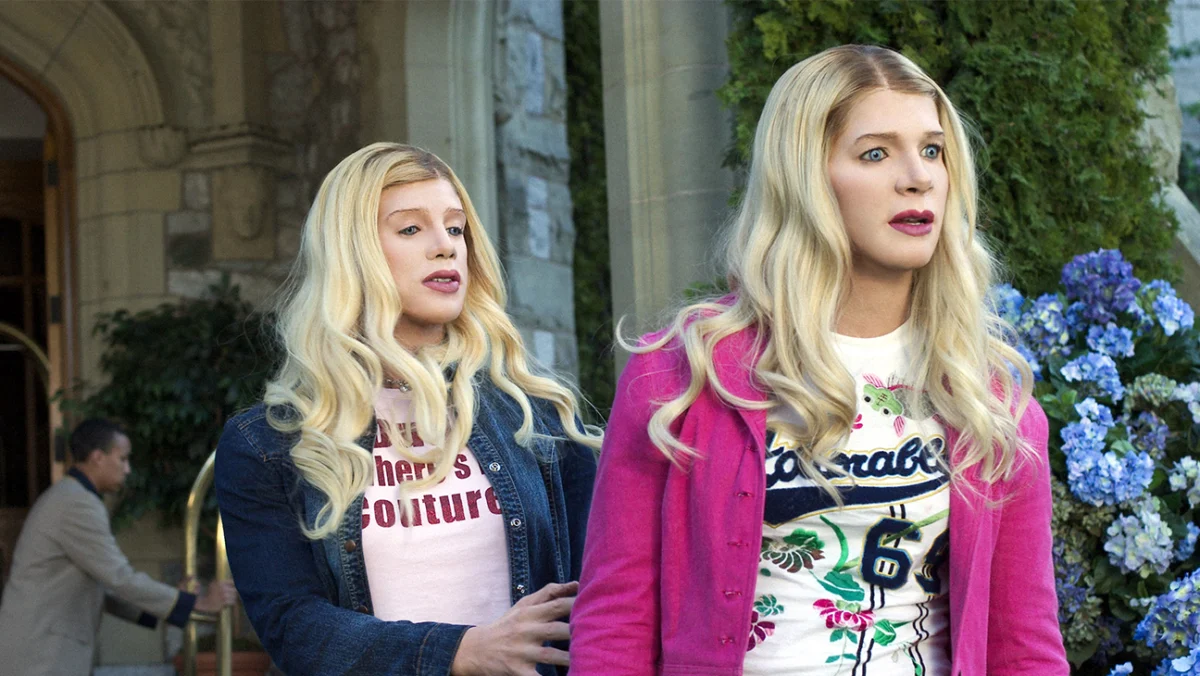
Released on June 23, 2004, White Chicks was directed by Keenen Ivory Wayans, with the screenplay penned by brothers Keenen, Shawn, and Marlon Wayans, along with Andy McElfresh, Michael Anthony Snowden, and Xavier Cook. The film centers on two disgraced FBI agents, Kevin and Marcus Copeland, who, after botching a high-profile drug bust, are tasked with escorting two spoiled socialite sisters, Tiffany and Brittany Wilson, to the Hamptons for a fashion event. When the sisters suffer minor facial injuries in a car accident and refuse to attend, the Copeland brothers, fearing further professional repercussions, decide to impersonate them using elaborate makeup and prosthetics.
The film’s premise was audacious, and its execution leaned heavily into physical comedy, satirical stereotypes, and a surprising amount of heart. While initial critical reviews were largely unfavorable, with many reviewers finding the humor crude or the premise stretched thin, White Chicks resonated powerfully with audiences. It grossed $113.1 million worldwide against a production budget of $37 million, a solid commercial success that underscored its appeal. Over the past two decades, the film has cultivated a fervent cult following, driven by its quotable lines, memorable dance-offs (notably Terry Crews’ iconic "A Thousand Miles" scene), and its unique exploration of identity and perception through a comedic lens. Its popularity has only grown with time, finding new generations of fans through cable television rotations and streaming platforms, making discussions about a sequel almost inevitable. The film’s enduring presence in meme culture and social media further attests to its lasting cultural footprint.
The Grueling Reality Behind the Transformation
The prospect of a White Chicks sequel is not without its significant challenges, foremost among them being the demanding physical transformation required for Marlon and Shawn Wayans to embody their characters. Marlon Wayans has previously spoken at length about the arduous process during an appearance on Kai Cenat’s Mafiathon 3 livestream last year, excerpts of which were reported by People. His accounts paint a vivid picture of the sheer dedication and endurance required to bring the Copeland sisters to life.
"We spent seven hours in makeup every day," Marlon revealed, detailing the extensive prosthetics, wigs, and full-body suits necessary for their roles. This seven-hour transformation period preceded their actual work day, which often stretched for another 14 hours. "We work 14 hours after the seven hours because we produced a movie," he explained. The dual role of actor and producer meant that their call times were pushed earlier, effectively eliminating the standard industry "turnaround" period—the mandatory rest period, typically 12 hours, between the end of one workday and the start of the next. "If you’re gonna produce the movie, you gotta push your call time, so that means you have no turnaround. Turnaround is usually 12 hours."
This grueling schedule left the brothers with minimal rest. "We only got 3 hours every night, so after work, we were still there," Marlon continued. The process didn’t end with the director calling "cut"; an additional hour was required each night to meticulously remove the layers of makeup and prosthetics. This meant that for nearly a full 24-hour cycle, the Wayans brothers were either undergoing transformation, performing, or unwinding from the physically demanding process, leaving precious little time for personal recuperation. The physical toll, coupled with the mental demands of maintaining character and overseeing production, was immense. Any White Chicks 2 would necessitate a similar commitment, though advancements in prosthetics and makeup technology since 2004 might potentially streamline parts of the process, or at least make it less physically taxing. However, the fundamental requirement for such a complete transformation remains a significant hurdle.
The Wayans Brothers’ Enduring Legacy in Comedy
The Wayans family has been a cornerstone of American comedy for decades, consistently pushing boundaries and creating content that reflects and satirizes contemporary culture. From the groundbreaking sketch comedy series In Living Color (1990-1994), which launched the careers of numerous stars and provided a vital platform for diverse comedic voices, to a string of successful feature films, the Wayans have demonstrated a unique blend of sharp wit, physical comedy, and a willingness to tackle sensitive topics with humor. Keenen Ivory Wayans, Damon Wayans, Shawn Wayans, Marlon Wayans, and Kim Wayans are just some of the prominent members who have left an indelible mark on entertainment.
The Scary Movie franchise, which began in 2000, is a prime example of their collective genius. The first two films, co-written and starring Shawn and Marlon, redefined the horror parody genre, becoming massive commercial successes. Scary Movie (2000) grossed $278 million worldwide, followed by Scary Movie 2 (2001) with $141.2 million. These films, known for their rapid-fire jokes, pop culture references, and often outrageous humor, cemented the Wayans’ ability to tap into the zeitgeist. The subsequent installments, produced without the direct involvement of Shawn and Marlon, continued the franchise’s commercial success, with the overall series grossing over $800 million globally. The brothers’ return for Scary Movie 6 is thus a significant event, not just for the franchise but also for their own creative trajectory, potentially signaling a renewed focus on the types of projects that originally brought them widespread acclaim and creative control.
Industry Trends and the Appeal of Legacy Sequels
Hollywood’s current landscape is heavily influenced by the trend of legacy sequels and reboots, where studios revisit established franchises to capitalize on built-in fan bases and nostalgia. Films like Top Gun: Maverick, Ghostbusters: Afterlife, and the ongoing Bad Boys series have demonstrated the immense commercial potential of bringing back beloved characters and storylines after significant hiatuses. This trend is driven by a desire for "safe bets" in an increasingly competitive market, where original content faces an uphill battle against established intellectual property.
For a film like White Chicks, which has only grown in popularity since its release, a sequel represents a tempting proposition for studios. The challenge, however, lies in balancing fan expectations with creative integrity and evolving comedic sensibilities. Comedy, in particular, can be highly time-sensitive, and what was considered hilarious in 2004 might need careful reevaluation to resonate with contemporary audiences without feeling dated or, worse, offensive. The Wayans brothers, known for their often provocative humor, would need to navigate these waters adeptly, ensuring a White Chicks 2 maintains the spirit of the original while offering fresh perspectives and laughs relevant to today. The success of Scary Movie 6 could demonstrate to studios that the Wayans’ comedic vision still holds significant sway with a broad audience, making the investment in a White Chicks sequel a more attractive prospect.
Implications and the Road Ahead for the Copeland Sisters
The Wayans brothers’ conditional offer places the onus squarely on the audience. A strong box office performance for Scary Movie 6 would serve as a clear signal to studios—particularly Sony Pictures, which distributed the original White Chicks—that there is a tangible market for the Wayans’ specific brand of comedy and, by extension, for a White Chicks 2. This could open doors for renewed discussions regarding budget, production logistics, and creative control.
Should Scary Movie 6 meet or exceed expectations, the logistical considerations for White Chicks 2 would become paramount. Key questions would revolve around the director (would Keenen Ivory Wayans return?), the advancement of prosthetics and makeup technology to potentially ease the actors’ burden, and the development of a script that updates the premise for contemporary social dynamics while retaining the original’s charm and humor. The involvement of original supporting cast members, such as Terry Crews, who has consistently expressed enthusiasm for a sequel, would also be a significant draw for fans.
Ultimately, the future of White Chicks 2 rests on the collective decision of moviegoers. Their willingness to turn out for Scary Movie 6 will directly influence whether Hollywood greenlights the return of the iconic Copeland sisters. This makes the upcoming release of Scary Movie 6 more than just a horror-comedy; it’s a pivotal moment that could determine the fate of one of the most requested comedy sequels in recent memory, demonstrating the evolving power of audience engagement in shaping the cinematic landscape.