
Anand T, an emerging independent filmmaker, has made a powerful entry into the cinematic landscape with his debut short film, "Jakkuppatti." Named after his native village in the Dharmapuri district, the film, completed in January 2026, delves into the complex and often painful realities of social justice, or its pronounced absence, within contemporary Indian society. While India, a nation of immense diversity and cultural richness, surprisingly records one of the lowest per capita rape rates globally, the sheer volume of reported incidents paints a stark and troubling picture. Data from 2019 revealed that a rape was reported every 16 minutes across the country. More alarmingly, statistics from the National Crime Records Bureau (NCRB) indicate a consistent increase not only in the number of reported cases since 2025 but also in the escalating levels of brutality and the persistent issue of impunity surrounding these crimes. This deeply rooted crisis is inextricably linked to pervasive patriarchal structures, entrenched gender inequality, and the societal normalization of male entitlement that continues to plague many communities.
The Narrative Canvas: A Village Microcosm of Systemic Issues
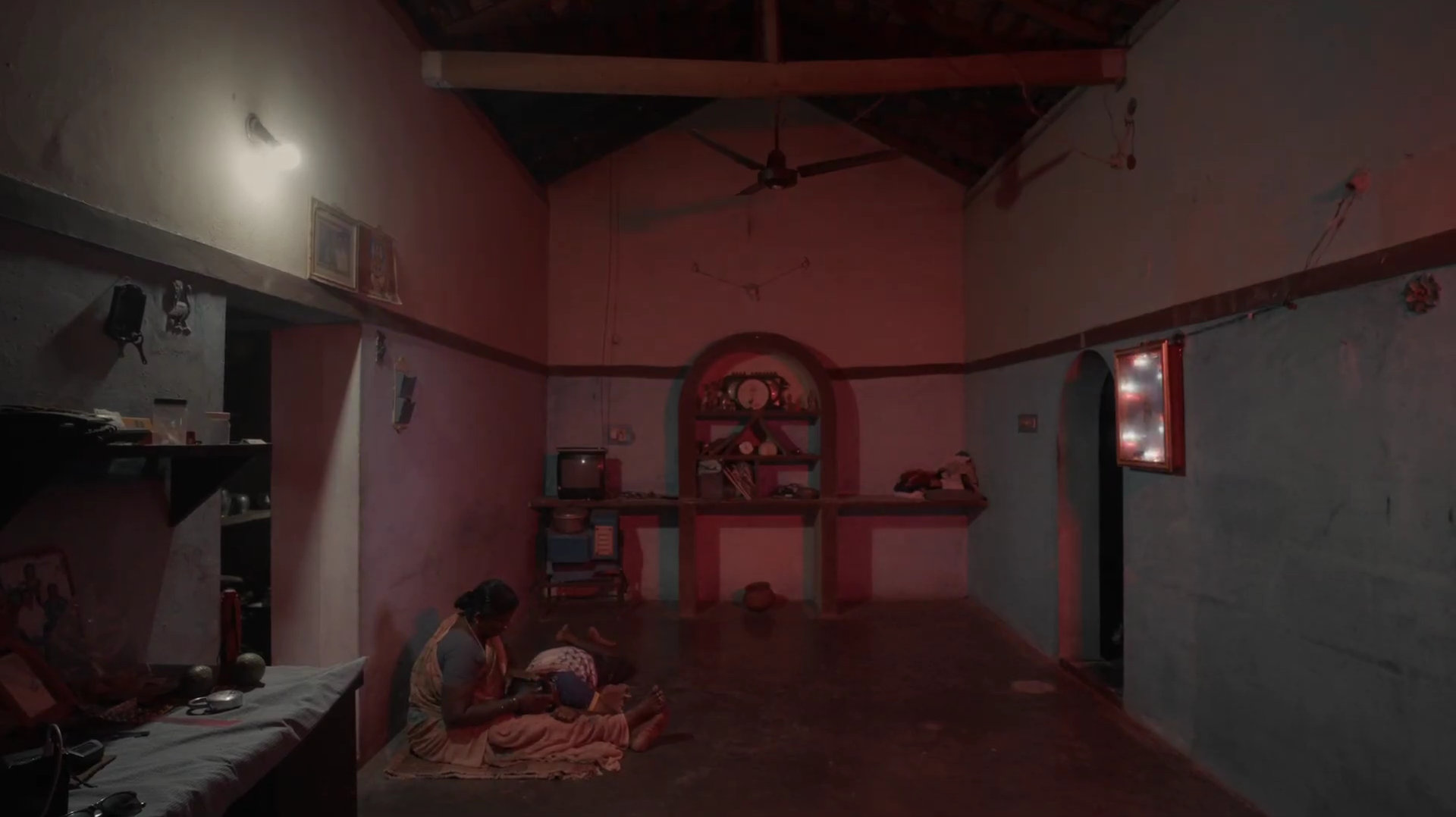
"Jakkuppatti" distinguishes itself through a non-linear narrative approach, eschewing a singular plotline to instead offer a panoramic yet intimate perspective on daily life in a small Indian village. The film meticulously highlights the widespread prevalence of sexual violence, illustrating how it is fundamentally fueled by an overarching patriarchal system. This system, deeply ingrained in the social fabric, manifests in numerous ways: from the stark educational disparities where girls are afforded fewer opportunities than boys, to the societal expectation that adult women meekly accept decisions made by men, often within their own households and communities.
The characters are introduced with minimal exposition, yet their authenticity is immediately palpable, a testament to the apt acting and the film’s grounded, down-to-earth atmosphere. Viewers are not conventionally guided through a neatly packaged story but are instead immersed directly into the lived experience, piecing together identities and contexts through observation. This deliberate pacing builds a sense of quiet tension, gradually escalating until an unexpected and dramatically potent climax: a highly graphic scene of sexual violence that serves as a visceral focal point for the film’s message.
Before honing in on a specific protagonist, the film broadens its lens to portray the wider social structure, unequivocally shaped by patriarchal norms. It starkly depicts the harsh reality of early marriages for girls, juxtaposed with the freedom boys are granted to pursue their education. Crucially, the film posits that the cycle of oppression is not solely enforced by men but is often perpetuated by women themselves, who, having internalized these norms, frequently frame them as an unavoidable reality. The film subtly yet powerfully suggests that in countless Indian households, fundamental discussions around consent, mutual respect, and gender equality remain largely absent, contributing to the perpetuation of a dangerous status quo.
The Artistic Vision: Crafting Reality with Purpose
The technical execution of "Jakkuppatti" plays a vital role in its immersive quality. Cinematography by Dilipan Prabakar employs simple yet profoundly effective techniques, complemented by the spare, impactful editing of Krishna Kumar. The camera frequently captures the ostensibly pleasant surroundings of the village, focusing on textures and daily rhythms through extended takes and the ambient natural soundscape. This consistency, which grounds the viewer in the village’s reality, is deliberately disrupted by an experimental black-and-white sequence. This stylistic shift is not merely an artistic flourish but a carefully chosen device to reflect the profound psychological disarray and trauma experienced by a character in the aftermath of sexual violence, offering a stark visual representation of internal turmoil.
This blend of observational realism and judicious experimentalism allows "Jakkuppatti" to transcend mere storytelling, transforming it into a piece of social commentary that is both aesthetically compelling and intellectually provocative. The film’s commitment to showing, rather than telling, reinforces its journalistic integrity within a creative medium.
Understanding the Context: India’s Struggle with Gender-Based Violence
The themes explored in "Jakkuppatti" resonate deeply with long-standing societal challenges in India. The NCRB’s "Crime in India" reports consistently highlight a disturbing trend of violence against women. While the overall per capita rate might appear lower than some Western nations, the sheer population size means the absolute numbers are staggering. The reported increase in brutality and impunity since 2025 (as noted in the film’s synopsis) points to a worrying erosion of deterrence and justice mechanisms.
Statistical Realities and Underlying Factors:
- Reporting vs. Reality: Many human rights organizations and experts argue that official statistics likely underestimate the true extent of sexual violence due to underreporting. Factors contributing to underreporting include societal stigma, fear of retaliation, victim-blaming, lack of trust in law enforcement, and economic dependence on perpetrators or their families.
- Conviction Rates: Despite legislative reforms, conviction rates for sexual assault cases in India remain low, contributing significantly to the sense of impunity. This is often attributed to issues such as delayed investigations, poor evidence collection, witness intimidation, and challenges within the judicial process.
- Legal Framework: India has progressive laws, including the Indian Penal Code (IPC) sections pertaining to sexual assault, and landmark legislation like the Protection of Children from Sexual Offences (POCSO) Act, 2012, and the Criminal Law (Amendment) Act, 2013 (enacted after the infamous Nirbhaya case), which broadened the definition of rape and increased penalties. However, the gap between law and implementation remains a significant hurdle.
- Patriarchy and Gender Norms: The root cause, as highlighted by "Jakkuppatti," is deeply entrenched patriarchy. This system dictates rigid gender roles, values male dominance, and often normalizes aggression against women. It manifests in various forms:
- Son Preference: Leading to female infanticide, sex-selective abortions, and neglect of girl children.
- Limited Autonomy: Women often have restricted mobility, limited control over their bodies, finances, and life choices.
- Dowry System: While illegal, the dowry system persists, often leading to harassment and violence against women.
- Victim Blaming: A pervasive culture that shifts responsibility from the perpetrator to the victim, often questioning their attire, presence, or behavior.
- Silence and Secrecy: Family honor is often prioritized over individual justice, leading to pressure on victims and their families to remain silent.
Timeline of Key Events and Legal Reforms (Broader Context):
- 1983: Significant amendments to the Indian Penal Code introduced specific provisions for rape, including definitions of custodial rape.
- 2005: The Protection of Women from Domestic Violence Act was enacted, providing civil remedies for victims of domestic abuse.
- 2012 (Nirbhaya Case): The brutal gang rape and murder of a young woman in Delhi ignited widespread national and international outrage, triggering massive protests.
- 2013 (Criminal Law Amendment Act): In response to the Nirbhaya case, this landmark legislation significantly reformed rape laws, expanding the definition of sexual assault, lowering the age of consent (later reverted in some contexts for specific offenses), and increasing penalties. It also recognized acid attacks and voyeurism as specific offenses.
- Ongoing: Continuous efforts by civil society, women’s rights organizations, and government bodies to raise awareness, improve law enforcement response, and strengthen judicial processes.
Inferred Reactions and Implications
While "Jakkuppatti" is a fictionalized account, its themes resonate with the ongoing work of countless activists, non-governmental organizations, and policymakers.
- From Activists and NGOs: A film like "Jakkuppatti" would likely be welcomed by human rights organizations and women’s rights advocates for bringing crucial issues to the forefront. They would emphasize the need for continued dialogue, legal reform, and grassroots interventions. Such films act as powerful tools for advocacy and public education.
- From the Filmmaking Community: Independent filmmakers often use their medium to challenge societal norms. Anand T’s debut would be seen as a courageous effort to tackle a sensitive subject, aligning with a growing trend of social realism in Indian cinema.
- Potential Audience Reaction: The graphic nature of the climax might spark debate, but the film’s overall message would likely provoke introspection among audiences, especially those from similar rural backgrounds, potentially fostering critical conversations within families and communities that typically shy away from such topics.
- Broader Societal Impact: Films like "Jakkuppatti" contribute to a sustained cultural discourse around gender-based violence. They can humanize statistics, elicit empathy, and challenge the complacency that often surrounds these issues. By presenting the problem not as isolated incidents but as a systemic failure, the film pushes viewers to consider collective responsibility.
Critical Analysis and Its Place in Contemporary Cinema
"Jakkuppatti" serves as a poignant reminder of the harsh realities of systemic violence, inequality, and, perhaps most disturbingly, the complacent silence and passivity that often accompany them. As one character in the film observes, these issues are not confined to a single village but are symptomatic of a broader social reality that permeates countless communities.
The film’s strength lies in its well-crafted execution and its touch of experimental flair, which elevates it beyond a mere documentation of suffering. It stands as yet another vital voice contributing to the ongoing discourse on socially critical contemporary issues. In a cinematic landscape increasingly populated by films addressing similar themes of gender inequality and violence in India, "Jakkuppatti" earns recognition for its commitment to this important conversation. While the film may not introduce radically new concepts or groundbreaking solutions to the complex problem of patriarchy and violence, its authentic portrayal and unflinching gaze reinforce the urgency and pervasiveness of the issue. Its contribution lies in adding another layer of lived experience, another perspective from the ground, to a narrative that desperately needs to be heard and understood by a wider audience, thereby sustaining momentum for social change. It reaffirms the power of independent cinema to reflect society’s uncomfortable truths and serve as a catalyst for critical reflection.