Subscribers to Netflix are once again facing the impending departure of several "Original" titles from the streaming platform throughout April and May 2026. This ongoing trend underscores the complex and often misunderstood nature of Netflix’s content library, where even productions bearing the coveted "Netflix Original" label are not guaranteed a permanent home. The removals, primarily driven by the expiration of finite licensing agreements, highlight Netflix’s evolving content strategy and the broader dynamics of the competitive streaming industry. This report details the specific titles slated for removal, examines the underlying business reasons, and discusses the implications for both the platform and its global audience.
Understanding the Ephemeral "Netflix Original" Label
The term "Netflix Original" has, over the years, become a broad designation encompassing various content acquisition models. While some "Originals" are entirely produced and owned by Netflix (true first-party content), a significant portion consists of internationally acquired series, films, or stand-up specials for which Netflix secures exclusive global or regional streaming rights for a predetermined period. This distinction is crucial in understanding why certain titles, despite their "Original" branding, eventually depart the service. Unlike wholly owned productions, which remain on Netflix indefinitely unless explicitly sold off or licensed out, these acquired exclusives are subject to the terms of their initial licensing contracts. When these multi-year agreements, typically ranging from two to eight years, reach their conclusion, Netflix must decide whether to renegotiate for renewal, which often involves significant additional costs, or allow the rights to revert to the original content owners or producers. The decision to let a title lapse usually reflects a strategic assessment of its performance relative to its licensing cost, the availability of alternative distribution channels for the content owner, and Netflix’s overarching content investment priorities. This ongoing content churn is a characteristic feature of the streaming landscape, albeit one that can lead to subscriber frustration.
The April 2026 Departures: A Closer Look

April 2026 marks the first wave of these departures, affecting a diverse range of genres from documentaries to anime and stand-up comedy.
-
Magical Andes (Documentary Series) – Departing April 1st: This visually stunning documentary series, which first graced Netflix on October 15, 2019, offered viewers an immersive journey through the majestic Andes mountains, stretching from Argentina to Colombia. Beyond its breathtaking cinematography, the series distinguished itself by weaving together the personal narratives of five individuals whose lives are intimately intertwined with the region’s geography and vibrant cultures. Its removal after approximately six-and-a-half years on the platform suggests the conclusion of its international licensing agreement, a common duration for non-fiction series acquired for global distribution. For fans of serene travelogues and cultural exploration, this series provided a unique window into South America’s natural and human tapestry, making its departure a notable loss for the documentary category.
-
Demetri Martin: Demetri Deconstructed (Stand-up Special) – Departing April 2nd: Debuting on April 2, 2024, this stand-up special by the acclaimed comedian Demetri Martin is set to leave exactly two years later. This short two-year lease term is indicative of a broader trend observed in Netflix’s acquisition strategy for stand-up comedy specials, particularly for what might be categorized as small-to-mid-tier comics. Unlike high-profile, exclusive deals with comedic giants that often involve significant production investments and longer exclusivity windows, many stand-up hours are now licensed for shorter, more precise durations. This model allows Netflix to refresh its comedy library frequently while managing content costs, but it means fans have a limited window to enjoy these performances. Martin’s distinctive, often deadpan, observational style and use of props and musical instruments have garnered a dedicated following, and his special’s departure highlights the transient nature of much of Netflix’s comedy offerings.
-
Sirius the Jaeger (Anime Series) – Departing April 6th: First added on December 21, 2018, this action-packed anime series is scheduled to exit after a substantial run of roughly seven-and-a-half years. Produced by the renowned P.A. Works studio, Sirius the Jaeger plunges viewers into 1930s Imperial Tokyo, where a clandestine war rages between vampires and an elite group of government-backed vampire hunters known as "Jaegers." The narrative centers on Yuliy, a young werewolf driven by vengeance after his village’s destruction, as both factions vie for a powerful holy relic, the Ark of Sirius. The departure of Sirius the Jaeger is characteristic of a significant portion of Netflix’s anime library, where titles are often acquired under strict, long-term international distribution leases. As the streaming wars intensify, original content creators and studios frequently seek to consolidate their intellectual property on their own platforms or secure more lucrative deals elsewhere, leading to the expiration of such legacy agreements.
-
The Ruthless (Movie) – Departing April 19th: This Italian crime drama, titled Lo spietato in its original language, arrived on Netflix on April 19, 2019, and will depart precisely seven years later. Directed by Renato De Maria and starring Riccardo Scamarcio, The Ruthless is a stylish, fast-paced mobster epic charting the ascent and fall of Santo Russo, from a rebellious youth in a marginalized family to a feared criminal boss in 1980s Milan’s ‘ndrangheta Mafia scene. Its exact seven-year global streaming contract exemplifies Netflix’s strategy of acquiring international films for specific, finite exclusive windows. For enthusiasts of Goodfellas-esque crime sagas, this film offered a compelling narrative set against a glitzy, neon-soaked backdrop, and its removal signifies the conclusion of Netflix’s exclusive distribution rights.

-
Fern Brady: Autistic Bikini Queen (Stand-up Special) – Departing April 22nd: Following the pattern seen with Demetri Martin’s special, Scottish comedian Fern Brady’s critically acclaimed stand-up hour, which premiered on April 22, 2024, will be removed exactly two years later. Filmed in Bristol, Brady’s special is celebrated for its blunt, unfiltered, and fiercely hilarious exploration of personal and societal themes. She delves into her late-in-life autism diagnosis, the anxieties of aging, the realities of death, and the complexities of modern relationships with biting wit and candor. Her special’s short-term licensing agreement reinforces the observation that many stand-up comedy deals are now structured for precise, limited durations, providing a transient yet impactful presence on the platform. Comedy aficionados are encouraged to catch this standout performance before its scheduled exit.
The May 2026 Departures: A Second Wave of Exits
May 2026 continues the trend, with several more high-profile "Originals" slated for removal, including docuseries, international films, and acclaimed comedic series.
-
NASCAR: Full Speed (Docuseries) – Departing May 7th: Co-produced by NASCAR Studios, NASCAR: Full Speed premiered on January 30, 2024, and is set to leave Netflix just over two years later. This docuseries, which aimed to bring the "Drive to Survive" treatment to American stock car racing, offered an adrenaline-fueled, behind-the-scenes look at the drivers and teams competing in the 2023 NASCAR Cup Series Playoffs. It provided unparalleled access, exploring the personal lives, intense rivalries, immense pressure, and inherent dangers faced by the drivers. Its removal is particularly notable as the series has reportedly transitioned to Prime Video, indicating a strategic shift in distribution for this sports property. This move underscores the increasingly fragmented nature of sports content rights and the competition among streaming platforms to secure exclusive athletic narratives.
-
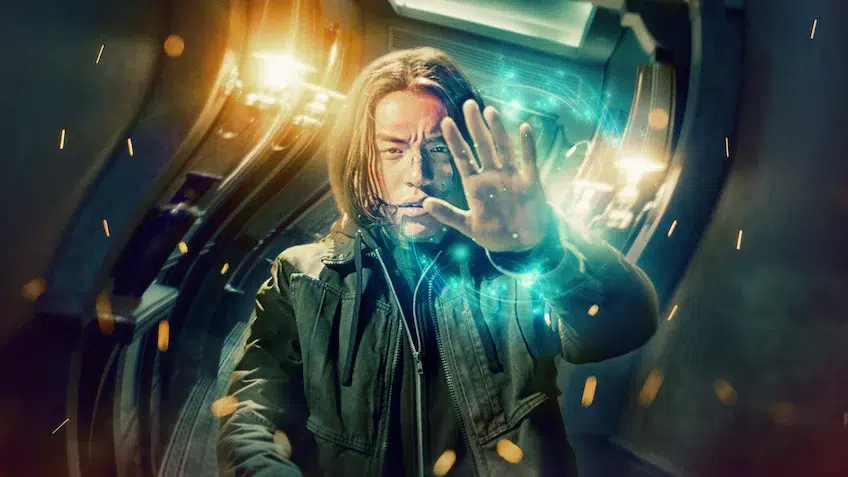
Super Me (Movie) – Departing May 7th: This high-concept Chinese fantasy thriller, which launched on Netflix on May 8, 2021, will conclude its five-year exclusivity window. Super Me follows Sang Yu, a struggling, sleep-deprived screenwriter who discovers a lucrative superpower: the ability to manifest valuable antiques and treasures from his vivid nightmares into the real world. What begins as a fantastical escape from poverty to immense wealth quickly spirals into a darker narrative as real-world gangsters and supernatural dream-world consequences converge. Netflix frequently acquires international streaming rights for big-budget Chinese films for predetermined durations, and the expiration of this five-year agreement for Super Me illustrates the finite nature of such deals. For fans of inventive fantasy and action, this film offered a unique blend of genres.

-
It’s Bruno! (Series) – Departing May 17th: This Emmy-nominated comedy series, created by and starring Solvan "Slick" Naim, first premiered on May 17, 2019, and will depart Netflix after an exact seven-year exclusive streaming window. Produced by Warner Bros. Television’s digital studio, Stage 13, It’s Bruno! centers on Malcolm, a devoted dog owner in Bushwick, Brooklyn, and his beloved puggle, Bruno. The bite-sized episodes (around 15 minutes each) humorously depict Malcolm’s escalating neighborhood disputes over dog park etiquette, gentrification, and sidewalk interactions. Despite its Emmy nomination and critical acclaim for its charm and originality, the series regrettably never received a second season. Consequently, Netflix has little incentive to renegotiate a renewal for a concluded series, making its departure a consequence of both its finite contract and lack of ongoing production.
-
Rachel Feinstein: Big Guy (Stand-up Special) – Departing May 21st: Another casualty of the short-term comedy contract model, Rachel Feinstein’s stand-up special, which debuted on May 21, 2024, will be removed precisely two years later. The New York comedian is known for her unreserved delivery, tackling a wide range of personal topics from her firefighter husband’s baffling habits and the awkward realities of marriage to overbearing mothers and the daily absurdities of aging. Her blunt and relatable humor has resonated with many, and her special’s limited run on Netflix is consistent with the platform’s current approach to licensing individual stand-up performances.
-
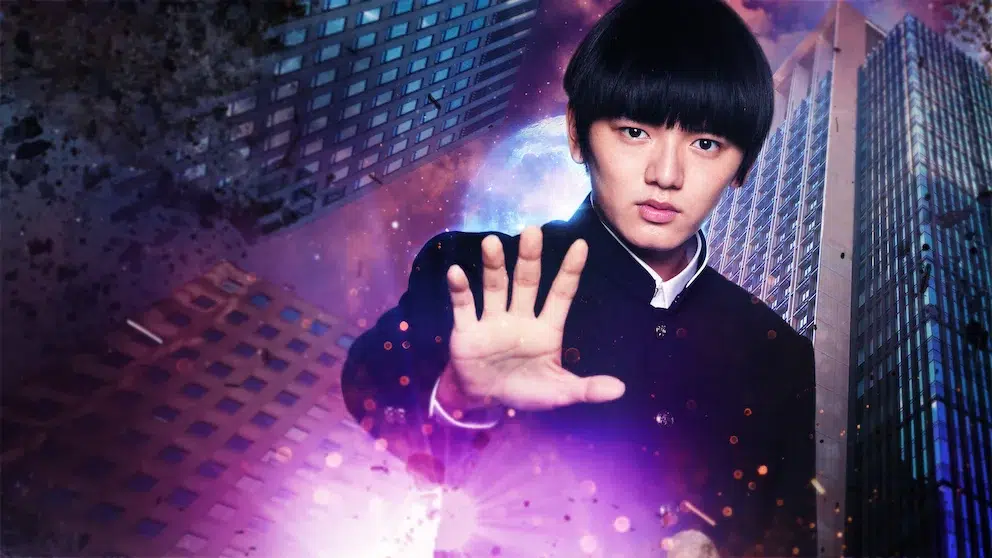
Mob Psycho 100 (Live-Action Series) – Departing May 22nd: Not to be confused with the highly popular anime adaptation, this live-action Japanese series based on the hit manga by ONE (creator of One-Punch Man) is hitting the end of an exact eight-year international distribution agreement, having been added on May 22, 2018. The series follows Shigeo Kageyama, affectionately known as "Mob," an awkward eighth-grader with immense psychic abilities that he meticulously suppresses to avoid emotional explosions. While working for a fraudulent exorcism business, Mob finds himself repeatedly confronting an evil esper organization, all while navigating the mundane challenges of being a normal middle-schooler and impressing his crush. The departure of this live-action adaptation highlights the varying licensing terms for different iterations of the same intellectual property and the complex web of international distribution rights.
-
Black Space (Series) – Departing May 27th: This gripping Israeli psychological thriller, which premiered on Netflix on May 27, 2021, will conclude its five-year licensing term. Black Space begins with a terrifying and traumatic premise: a devastating shooting at a local high school perpetrated by mysterious figures in unicorn masks. As an unconventional police investigator delves into the case, he uncovers a tangled web of lies, bullying, and secrets among the surviving students, all linked to a hidden, encrypted social media application called "Black Space." Netflix’s acquisition of global streaming rights for international thrillers like this is a common strategy to diversify its content offerings. However, as with many such acquisitions, the contracts are finite, and the conclusion of this five-year term means the series will no longer be available on the platform.
Analysis: The Shifting Sands of Netflix’s Content Strategy
The steady stream of "Netflix Originals" departing the service is not merely a logistical matter but a reflection of a significant evolution in Netflix’s overarching content strategy. In its earlier days, Netflix gained prominence by aggregating licensed content, effectively becoming a digital library for movies and TV shows. The introduction of "Originals" marked a pivotal shift, positioning the company as a formidable content producer. However, even within this "Originals" era, a distinction emerged between truly owned content and licensed exclusives.
The current trend of content departure, particularly for licensed titles, signals several strategic imperatives for Netflix:
-
Cost Optimization and ROI: Licensing agreements, especially for international titles and stand-up specials, involve substantial costs. By allowing certain contracts to expire, Netflix can reallocate resources to invest in content it fully owns or in new productions that promise a higher return on investment (ROI) in terms of subscriber acquisition and retention. The short two-year deals for stand-up specials, for instance, suggest a model where a quick burst of engagement is valued, rather than long-term library residency.
-
Focus on Full Ownership and IP: There’s a clear strategic pivot towards owning intellectual property outright. Content that Netflix fully owns provides long-term asset value, can be freely distributed across various platforms (including its own) without renewal negotiations, and can be spun off into sequels, prequels, or merchandise. This reduces reliance on third-party agreements and offers greater creative and financial control.
-
Competitive Landscape: The streaming market has become intensely competitive, with major media conglomerates launching their own platforms (e.g., Disney+, Paramount+, Max). These companies are increasingly reclaiming their content from Netflix, making it harder and more expensive for Netflix to maintain licensed "Originals." The transition of NASCAR: Full Speed to Prime Video is a prime example of this competitive content migration.

-
Brand Clarity: The removal of licensed "Originals" might, in the long run, help to clarify the "Netflix Original" brand, potentially reserving the label primarily for content that Netflix truly owns and controls, thereby setting clearer expectations for subscribers regarding content permanence.
Broader Industry Context and Future Outlook
This ongoing content churn is not unique to Netflix. Other streaming services also grapple with expiring licenses and the strategic decisions of content ownership versus temporary acquisition. The industry as a whole is moving towards a model where intellectual property is king, and platforms are striving to build deep libraries of owned content.
For subscribers, this trend necessitates a proactive approach. The days of assuming a "Netflix Original" will remain on the platform indefinitely are largely over. Users are increasingly encouraged to manage their watchlists diligently and prioritize viewing titles that are flagged for departure. While Netflix typically provides "leaving soon" notifications, the sheer volume and frequency of these removals can be challenging to track.
Looking ahead, Netflix is likely to continue balancing its investment in fully owned, globally resonant productions with strategic, shorter-term licensing deals for niche content or to test market interest. The "Original" label will continue to be a powerful marketing tool, but its interpretation by both the company and its audience will evolve. The emphasis will shift further towards content quality, global appeal, and the strategic advantages of owning the narrative from conception to distribution.
Conclusion
The upcoming departures of "Netflix Original" titles in April and May 2026 serve as a poignant reminder of the dynamic and often fluid nature of streaming libraries. These removals are not arbitrary but are rooted in complex licensing agreements, strategic content investments, and the intensifying competition within the global streaming landscape. While potentially frustrating for viewers who grow attached to specific series or specials, this phenomenon reflects Netflix’s ongoing evolution from a content aggregator to a sophisticated media company increasingly focused on building a sustainable, owned content ecosystem. Subscribers are advised to consult "leaving soon" sections regularly to ensure they catch their favorite "Originals" before they vanish from the platform.