A compelling fan theory, rapidly gaining traction within the dedicated fanbase of the Evil Dead franchise, suggests that the upcoming film Evil Dead Burn may harbor a clandestine connection to the beloved television series Ash vs. Evil Dead. This intriguing possibility is underpinned by a significant detail concerning the primary filming location, specifically the house that features prominently in the Evil Dead Burn trailer. Behind-the-scenes discussions and a recently resurfaced production note indicate that this particular property is, in fact, the very same residence that served as Ruby’s abode throughout Ash vs. Evil Dead. This detail, initially unearthed through social media chatter and later corroborated by production designer Nick Bassett, was intentionally selected for its prior role in the series, suggesting a narrative link rather than a mere coincidence.
The Significance of Ruby’s Residence in the Evil Dead Lore
The potential reuse of Ruby’s house transcends simple logistical convenience within the Evil Dead universe. This is not just another backdrop; it is a location imbued with significant narrative weight. Within the context of Ash vs. Evil Dead, Ruby’s house functioned as a crucial nexus, intrinsically linked to the dark power of the Necronomicon Ex-Mortis and the overarching Deadite mythology that has defined the franchise for decades. It was depicted as a place where manipulation, occult control, and the very origins of malevolent forces converged. Consequently, the identification of this specific house for Evil Dead Burn immediately elevates the conversation from a casual callback to a potentially deliberate narrative thread designed to weave new installments into the established canon.
Unpacking the Visual Clues in the Evil Dead Burn Trailer
While the trailer for Evil Dead Burn remains deliberately sparse on explicit plot details, the visual information it presents is highly suggestive. The footage showcases a group of individuals finding themselves ensnared within a house as violent, supernatural entities assert their terrifying dominion. The scenes depict bodies being violently thrown, dragged, and subjected to increasingly gruesome possessions, all within the confines of what appears to be a single, haunted dwelling. If this location is indeed the same property previously associated with Ruby, a formidable demonic entity and a key antagonist in Ash vs. Evil Dead, it raises the chilling implication that the evil that once resided there may never have truly departed. This suggests a lingering malevolence, a stain on the very fabric of the location that continues to exert its influence.
A Shift Towards Environmental Storytelling
Notably absent from any official announcements or promotional materials for Evil Dead Burn is any confirmation of the return of Ruby herself or other prominent characters from Ash vs. Evil Dead. There is currently no indication that the film intends to bring back familiar faces in a direct capacity. Instead, the proposed connection appears to be primarily environmental. This approach suggests a continuation of the inherent evil associated with a specific place, rather than a direct character crossover that might overtly tie the new film to the series. This strategy represents a subtle yet potentially profound evolution in how the Evil Dead franchise connects its various installments.
Historically, the Evil Dead films have maintained a loosely connected continuity, primarily through the recurring presence of the Necronomicon and its accompanying dark mythology. However, explicit linkages to specific characters or plot events from prior installments have been rare, with the notable exception of Ash Williams’ iconic 1973 Oldsmobile Delta 88, affectionately known as "The Classic," which made a significant appearance in Fede Álvarez’s 2013 Evil Dead reboot. The utilization of Ruby’s house as a connective tissue would mark one of the first instances where a modern entry in the franchise anchors itself to a precisely defined and previously established canonical location. This shift could offer a fresh avenue for exploring the enduring legacy of the Deadite curse.
The Legacy of Ruby and the Necronomicon
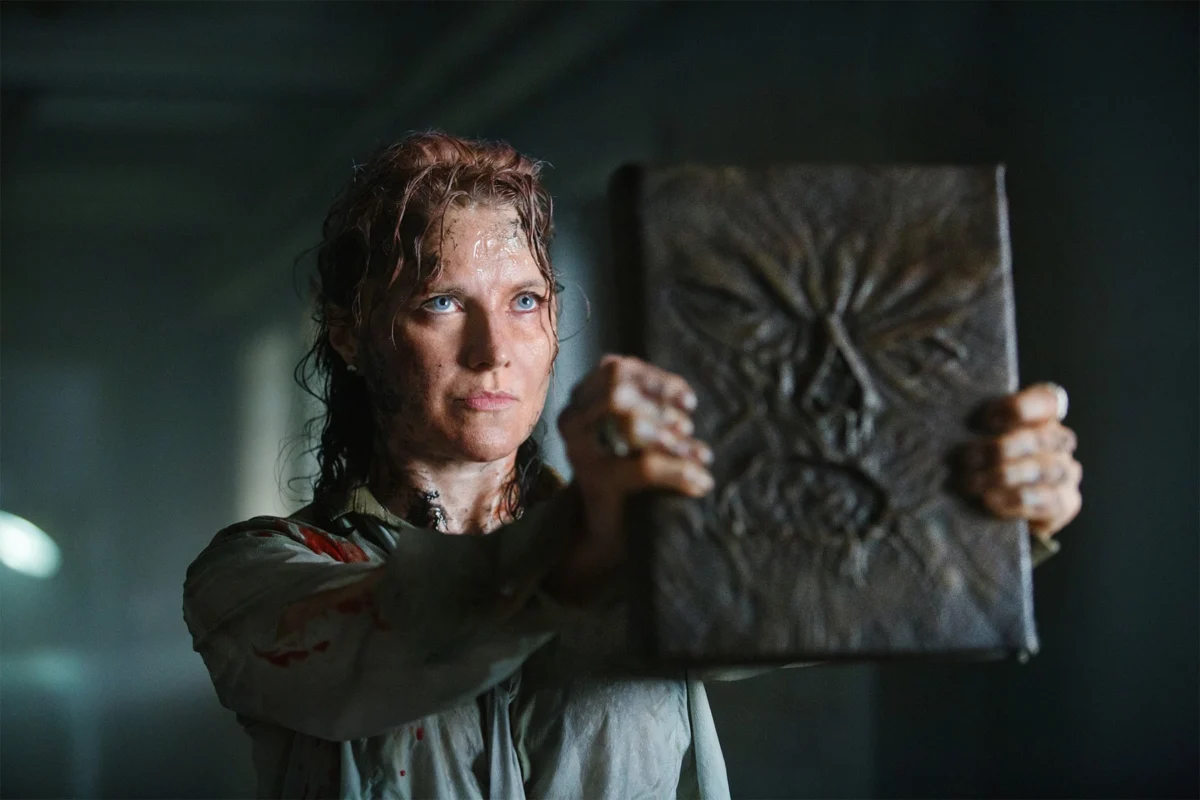
Ruby, portrayed by Lucy Lawless, was a complex and formidable character in Ash vs. Evil Dead. Initially introduced as a harbinger of doom and a pawn of the Kandarian demon, she eventually evolved into a more ambiguous figure, seeking to control the Necronomicon for her own purposes. Her connection to the book, and by extension, the source of the Deadite plague, was central to her character arc. The house she inhabited often served as her lair, a place where she performed rituals, manipulated events, and wielded her dark powers. The fact that this same house might now be the focal point of a new Evil Dead narrative suggests that the residual energies and dark influence associated with Ruby and her dealings with the Necronomicon could be a primary driver of the horror in Evil Dead Burn.
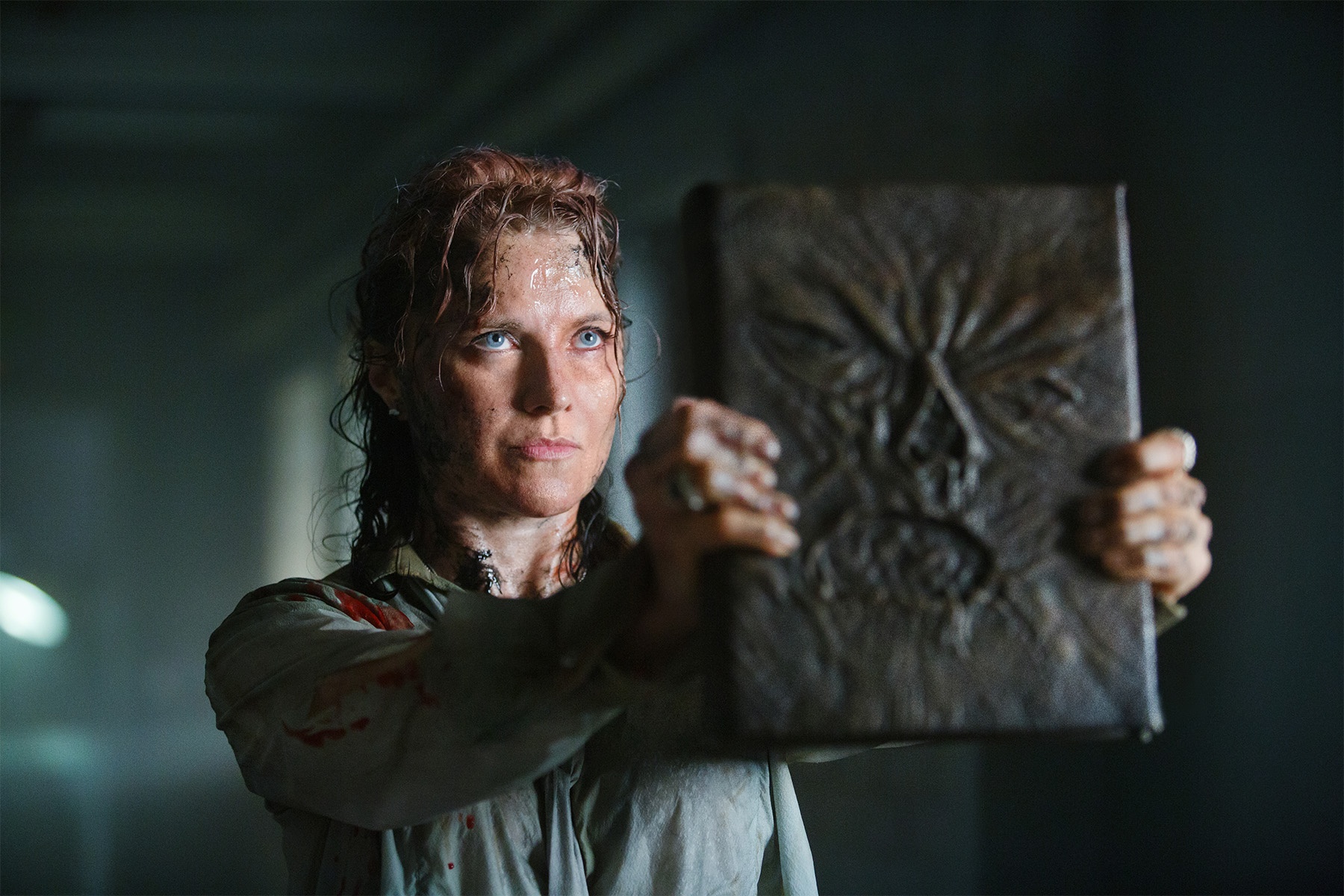
The Necronomicon Ex-Mortis, the "Book of the Dead," has been the ultimate catalyst for terror across the Evil Dead saga. Its pages contain incantations capable of unleashing unspeakable evil, and its very presence corrupts those who dare to read from it. Ruby’s prolonged association with the book, particularly within her own residence, would logically imbue that location with a potent and potentially perpetual aura of dread. This historical context lends significant weight to the theory that Evil Dead Burn is not merely reusing a set, but rather tapping into a location that is intrinsically saturated with the franchise’s central malevolent force.
Production Insights and Potential Future Directions
The explicit confirmation from production designer Nick Bassett regarding the intentional selection of Ruby’s house is a crucial piece of evidence. Bassett’s statement, which noted the deliberate choice to reuse the property after its integral role in the Ash vs. Evil Dead series, strongly implies a narrative consideration. This is not a case of a production finding a visually similar house; it is a direct reuse of a location with established narrative significance. This points towards a conscious effort by the filmmakers to leverage the existing lore and the psychological impact of a familiar, yet terrifying, setting.
The Evil Dead franchise has a history of exploring different narrative approaches to connect its entries. For instance, there were plans for Bruce Campbell, the iconic Ash Williams, to make a cameo appearance at the end of the 2013 Evil Dead film, a concept that was ultimately shelved but underscores the ongoing desire to create thematic links. Furthermore, producers have repeatedly expressed interest in potentially bringing back Mia Allen, the protagonist from the 2013 film, played by Jane Levy, into future installments. These past considerations highlight a consistent interest within the franchise’s creative teams to foster a sense of interconnectedness, even if through subtle or indirect means. The use of Ruby’s house could be seen as the latest iteration of this strategy, offering a more grounded and environmentally driven form of continuity.
Implications for the Future of the Evil Dead Franchise
If the theory holds true, Evil Dead Burn could represent a significant development in the franchise’s approach to continuity. It moves beyond the shared mythology of the Necronomicon to a more concrete, location-based connection. This could pave the way for future Evil Dead projects to explore other significant locations from past films and the television series, turning them into recurring antagonists or focal points of new horrors. The idea that places can retain the echoes of past atrocities and malevolent events is a potent concept within horror, and Evil Dead Burn may be poised to explore this in a unique way.
The implication is that in the Evil Dead universe, locations themselves can become characters, imbued with history and memory. If this particular house is indeed Ruby’s former residence, then the events that transpired within its walls – the rituals, the manipulations, the battles with demonic forces – may have left an indelible mark. This suggests that the evil within the house is not merely a temporary affliction but a deeply ingrained presence, waiting for the opportune moment to reawaken and ensnare new victims. This perspective adds a layer of psychological dread, implying that escaping the evil of the Deadites might not just involve defeating a specific demon, but also confronting the very foundations of corrupted places.
A Timeline of Connections and Potential Developments
The Evil Dead franchise began with Sam Raimi’s independent horror classic The Evil Dead in 1981, followed by Evil Dead II (1987) and Army of Darkness (1992). These films established the core mythology surrounding the Necronomicon Ex-Mortis and the character of Ash Williams. Decades later, Fede Álvarez revitalized the franchise with Evil Dead in 2013, a more graphic and intense reboot that introduced Mia Allen. The universe expanded further with the television series Ash vs. Evil Dead, which aired from 2015 to 2018, bringing back Bruce Campbell as Ash and introducing new characters, including Ruby, played by Lucy Lawless. Ruby’s role as a sorceress and antagonist, deeply entwined with the Necronomicon, made her house a significant setting.
The recent emergence of the Evil Dead Burn trailer, and the subsequent fan theories regarding the filming location, place this potential connection in the present. The confirmation from production designer Nick Bassett, likely made around the time of the trailer’s release or during the film’s production, solidifies the basis for this speculation. The official release date for Evil Dead Burn is July 10, 2026, leaving ample time for further details to emerge and for the fanbase to continue dissecting the implications of this potential link. The franchise’s history of teasing connections, such as the intended cameo in the 2013 film and ongoing discussions about Mia’s return, suggests a deliberate strategy to maintain narrative cohesion across different entries. The utilization of Ruby’s house as a direct bridge between Ash vs. Evil Dead and Evil Dead Burn would be the most concrete manifestation of this strategy to date.
Official Stance and Future Outlook
As of the current reporting, there have been no official statements from the film’s studio or primary creative team explicitly confirming a direct narrative continuation from Ash vs. Evil Dead into Evil Dead Burn. However, the corroboration from a key member of the production team, Nick Bassett, carries significant weight and suggests that the reuse of the location was not accidental. This deliberate choice, coupled with the known narrative significance of Ruby’s house within the Evil Dead canon, strongly implies an intentional narrative layering. The lack of explicit character crossovers at this stage could indicate a more nuanced approach to franchise building, focusing on the enduring power of place and its connection to the supernatural forces that have plagued the Evil Dead universe for over four decades.
The franchise’s enduring appeal lies in its ability to reinvent itself while staying true to its core elements of visceral horror and dark humor. If Evil Dead Burn successfully leverages the history and inherent terror of Ruby’s house, it could offer a compelling new way for the series to explore the consequences of dabbling with forbidden powers. The enduring question for fans will be whether this connection serves as a mere homage to the television series or if it will unlock new narrative pathways, potentially reintroducing elements or echoes of Ruby’s influence in ways that further deepen the complex mythology of the Evil Dead. For now, the theory remains a compelling subject of discussion, and the wait for July 10, 2026, will be filled with eager anticipation for how this potential connection will manifest on screen.