Following a significant breakthrough that saw a vast catalog of Sony Pictures films become available, Netflix has once again expanded the content offerings for its "Standard with Ads" subscription tier. Subscribers in the United States and various other regions can now access nearly the entire DreamWorks Animation Television library, a collection of popular animated series previously restricted to higher-priced, ad-free plans. This development marks a substantial step in Netflix’s ongoing efforts to enhance the value proposition of its more affordable ad-supported option and underscores the complex negotiations involved in managing global streaming rights.
The Evolution of Netflix’s Ad-Supported Model
Netflix first introduced its "Standard with Ads" tier in November 2022, a strategic pivot designed to attract new subscribers and provide a more budget-friendly option amidst increasing competition and market saturation in the streaming landscape. The move came after years of the company steadfastly resisting an ad-supported model, but mounting pressure from investors and a desire to diversify revenue streams ultimately led to the shift. Priced at a lower monthly rate, the ad-tier aimed to serve a segment of the audience willing to tolerate commercials in exchange for reduced costs.
However, the initial rollout of the ad-supported tier was met with some subscriber frustration due to significant content omissions. Many popular titles, including a substantial portion of content branded as "Netflix Originals," were unavailable on the cheaper plan. This disparity was particularly pronounced for children’s programming, with numerous beloved DreamWorks Animation series notably absent. For parents, this presented a conundrum: access to desired animated content often necessitated an upgrade to a more expensive, ad-free subscription, undermining the value proposition of the ad-tier for family households. The recent unblocking of a significant portion of the Sony Pictures film library earlier this year signaled Netflix’s progress in resolving these licensing hurdles, paving the way for further content expansions.
Deciphering the "Netflix Original" Paradox
The initial restriction of DreamWorks Animation Television shows on the ad-tier, despite many carrying the coveted "Netflix Original" badge, was a point of considerable confusion for many subscribers. The term "Netflix Original" often implies full ownership and unrestricted distribution by the platform. However, the reality of content licensing in the streaming era is far more intricate. In many cases, "Netflix Original" simply means Netflix holds the exclusive global distribution rights for a defined period, often having co-financed or commissioned the production, but the underlying intellectual property (IP) remains with the originating studio.
For DreamWorks Animation Television, a subsidiary of NBCUniversal, this meant that while Netflix was the primary streaming home for series like Trollhunters: Tales of Arcadia, 3Below: Tales of Arcadia, Kipo and the Age of Wonderbeasts, and Fast & Furious Spy Racers, the fundamental ownership of these properties resided with DreamWorks and its parent company. The core issue stemmed from "legacy contracts"—licensing agreements established long before Netflix conceived of an ad-supported tier. These older contracts typically stipulated exclusive distribution rights for an ad-free environment. Introducing commercials required renegotiation and explicit approval from the content owners, as it fundamentally altered the terms of revenue generation and content monetization.
The formal sign-off from DreamWorks and NBCUniversal was crucial. It indicates that all parties have successfully navigated the complexities of these legacy agreements, likely reaching new terms that account for ad-supported streaming. This not only benefits Netflix by expanding its library but also provides an additional revenue stream for NBCUniversal from advertising impressions generated on their content.
A Wave of Beloved Animated Content Now Accessible
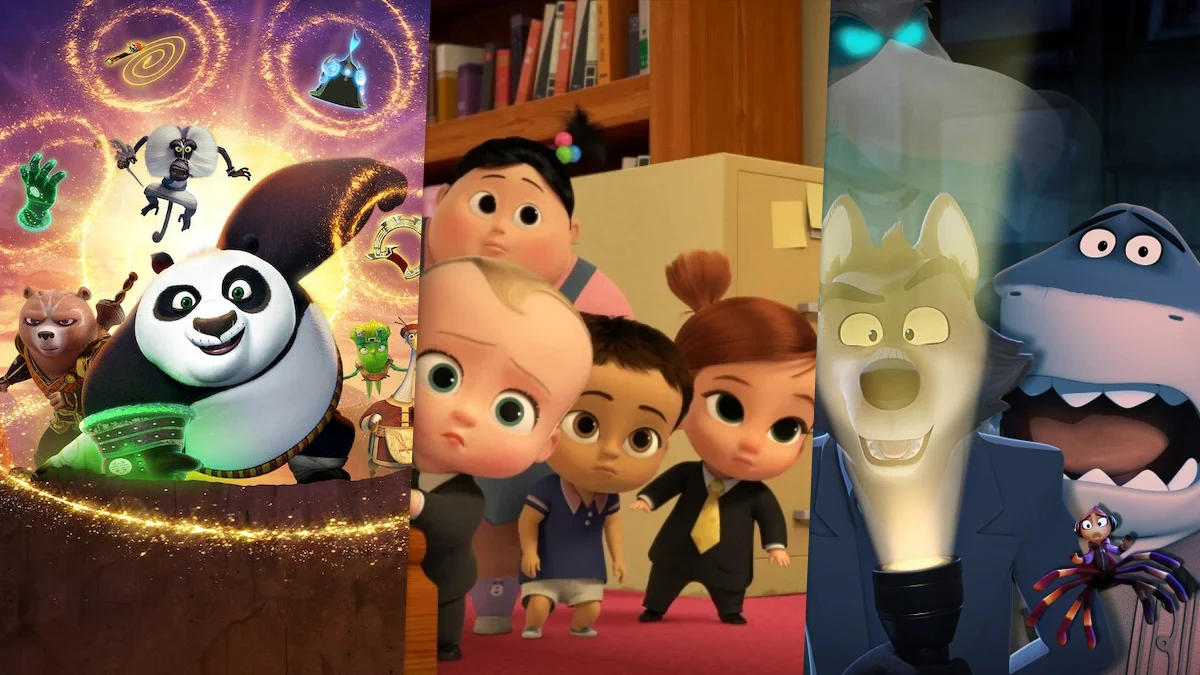
The unlocking of the DreamWorks Animation Television library is a major boon for families and animated series enthusiasts subscribed to the ad-tier. Popular titles such as Guillermo del Toro’s critically acclaimed Tales of Arcadia saga (including Trollhunters and 3Below), the recently released Bad Guys series, Kipo and the Age of Wonderbeasts, The Boss Baby: Back in Business, Fast & Furious Spy Racers, She-Ra and the Princesses of Power, and many more are now available for streaming with commercials. This influx of high-quality, family-friendly programming significantly bolsters the appeal of Netflix’s most affordable subscription plan.
The impact of this development is quantifiable. According to internal tracking, the total number of blocked titles in the United States on the ad-tier is expected to fall below 50, a dramatic reduction from the over 300 titles that were initially unavailable when the ad-supported option launched. This shrinking disparity between the ad-supported and ad-free libraries makes the cheaper tier a much more compelling option for consumers, potentially driving new subscriptions and reducing churn among existing ad-tier users. For parents, in particular, the ability to access a wide array of beloved and critically acclaimed children’s animation without needing to upgrade their subscription tier addresses a long-standing point of frustration.
The Anomaly: Wizards: Tales of Arcadia Remains Locked
Despite the widespread unlocking of DreamWorks content, one notable exception persists: Wizards: Tales of Arcadia (2020), the third installment in Guillermo del Toro’s ambitious animated universe, remains inaccessible on the ad-tier. While its predecessors, Trollhunters and 3Below, are now fully available, Wizards continues to display the dreaded padlock icon, indicating its restriction.
The reason for this specific holdout is not immediately clear. Several factors could contribute to this anomaly. It might be a simple technical oversight or a backend glitch within Netflix’s content management system, which could be rectified quietly in the coming days. Alternatively, the issue could stem from more complex, ultra-specific co-production rights or licensing clauses unique to Wizards. The series, for instance, also credits "Double Dare You Productions" alongside DreamWorks Animation, suggesting a potentially more intricate web of agreements that might require separate negotiation or a different set of approvals. Such granular distinctions in rights management are not uncommon in large-scale productions involving multiple studios and creators. Industry observers will be monitoring this situation closely for any updates or explanations.
The Looming Expiry of Licensing Deals
While the immediate availability of these DreamWorks Animation Television titles on the ad-tier is positive news, it comes with a crucial caveat that subscribers should be aware of: these shows are not permanent fixtures on Netflix. Despite their "Netflix Original" branding, Netflix does not own the underlying intellectual property for these series. Instead, the platform secured exclusive global distribution rights for a set period, typically around five years from the release of a show’s final season, though this can vary by individual contract.
As these licensing windows expire, the rights to these highly popular animated series revert to their original owner, NBCUniversal. This process has already begun, with several older DreamWorks Animation shows having quietly departed Netflix in recent months. The titles that have just been unlocked on the ad-tier are also "on the clock," meaning their time on the platform is finite. For instance, shows like Kipo and the Age of Wonderbeasts and the newer Boss Baby series will eventually leave Netflix.
This trend highlights a broader industry shift where content creators are increasingly reclaiming their IP to bolster their own streaming services. For NBCUniversal, this strategy aligns with its efforts to build out the content library for its own streaming platform, Peacock. Subscribers who have been waiting to binge Kipo or catch up on Fast & Furious Spy Racers on the ad-tier are advised to do so sooner rather than later, as their availability on Netflix is not guaranteed indefinitely. This dynamic nature of streaming libraries underscores the importance for consumers to stay informed about content movements across various platforms.
Broader Implications for Netflix and the Streaming Landscape
The unblocking of the DreamWorks Animation Television library represents more than just an expansion of content; it signals several significant implications for Netflix and the wider streaming industry.
For Netflix, this move significantly enhances the value proposition of its "Standard with Ads" tier. By providing access to a broad range of high-demand content, particularly family-friendly animation, Netflix makes its more affordable option more competitive against rivals like Disney+, Max, and Paramount+, which also offer ad-supported plans. This could be a key driver for subscriber growth in mature markets where price sensitivity is increasing. Furthermore, a richer content library on the ad-tier makes the platform more attractive to advertisers, promising a larger and more engaged audience for their campaigns. It also demonstrates Netflix’s continued capability to navigate complex licensing agreements with major studios, a crucial skill in an increasingly fragmented content landscape.
For DreamWorks Animation and NBCUniversal, the agreement ensures continued revenue from licensing deals while maintaining exposure for their valuable animated brands on Netflix’s massive global platform. This strategy allows them to monetize their content in the short term, even as they strategically prepare to reclaim the rights and potentially migrate these popular titles to their own platform, Peacock, in the future.
For subscribers, the primary benefit is greater choice and value. The ad-tier is steadily becoming a more viable and attractive option, offering a substantial portion of Netflix’s premium content at a reduced price. However, it also reinforces the growing complexity of the streaming ecosystem, where content availability is fluid and requires consumers to manage subscriptions across multiple services to access all desired titles.
Ultimately, this development solidifies the hybrid subscription model (ad-supported and ad-free) as a standard and essential component of the streaming wars. Netflix’s success in unlocking previously restricted content, first with Sony and now with DreamWorks, indicates a maturing approach to content licensing within this new operational framework. As the streaming market continues to evolve, expect more such negotiations and content shifts, constantly redefining the landscape for both platforms and consumers.