French writer-director Christophe Honoré, known for his nuanced explorations of human relationships and the passage of time in films such as Marcello Mio and The Beloved, is set to premiere his latest cinematic endeavor, Orange-Flavoured Wedding (Mariage au goût d’orange), at the prestigious Cannes Film Festival. The film, a deep dive into the intricate dynamics of a large French family, promises to be a moving and complex portrait, resonating with the universal truths of familial bonds – their capacity for love, annoyance, complication, and even profound trauma. Scheduled for its world premiere in the Cannes Premiere program on Wednesday, May 20, the anticipation surrounding Honoré’s return to the festival circuit is palpable, especially with the release of an exclusive clip offering a first glimpse into this compelling narrative.
A Journey Back to 1978: The Puig Family and a Fateful Wedding
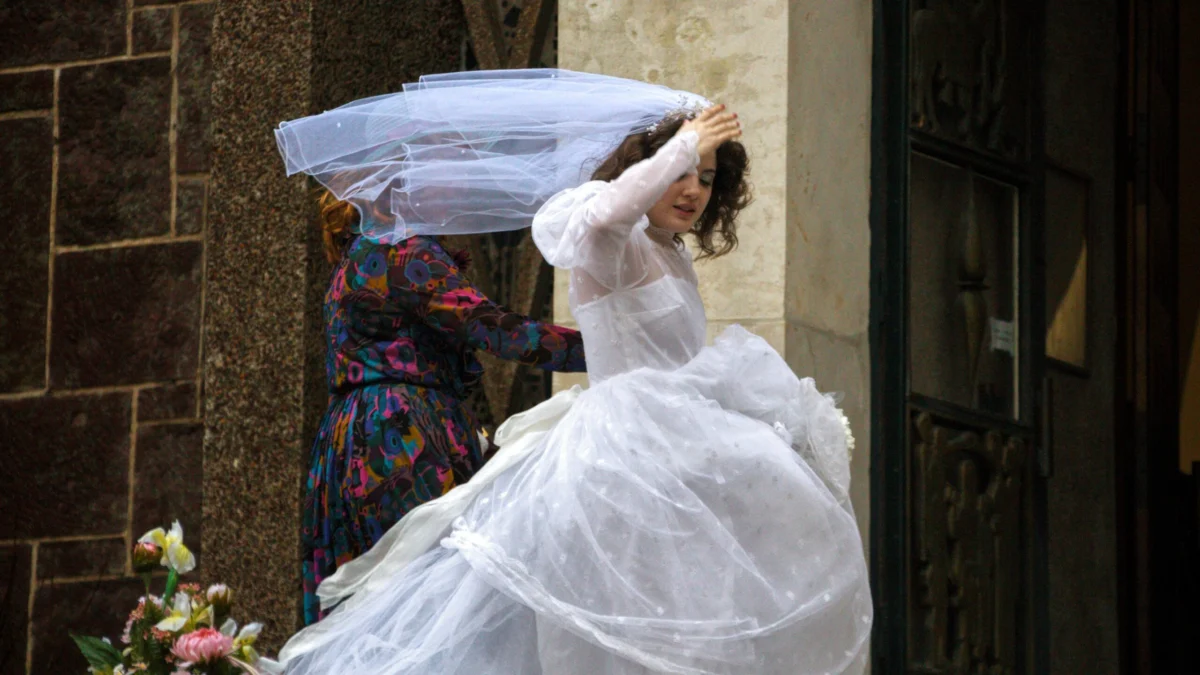
Orange-Flavoured Wedding transports audiences to March 1978, immersing them in the bustling, often chaotic, world of the Puig family. Set against the backdrop of the suburbs of Nantes, the film centers on the wedding of Jacques, the youngest of seven children, to Martine. What appears on the surface to be a joyful celebration of love, however, quickly reveals itself as a crucible for long-held family tensions and unspoken sorrows. Honoré masterfully crafts a scenario where a seemingly joyous event becomes a catalyst for examining deeper familial wounds. The absence of the patriarch, who has been "banished" from the family, looms large, casting a shadow over the reunion of the siblings who are otherwise delighted to be together. This central conflict immediately poses a profound question that underpins the entire narrative: can the transformative power of love truly heal the scars of childhood and mend fractured relationships?
The year 1978 itself is a significant choice, a period in France that marked a transition from the post-war boom to new societal challenges, though still retaining a distinct cultural flavor that Honoré subtly weaves into the film’s fabric. This historical context provides a rich tapestry against which the personal drama of the Puig family unfolds, suggesting that their individual struggles are also, in some ways, reflections of broader societal shifts.
An Illustrious Ensemble Cast Brings the Puig Family to Life
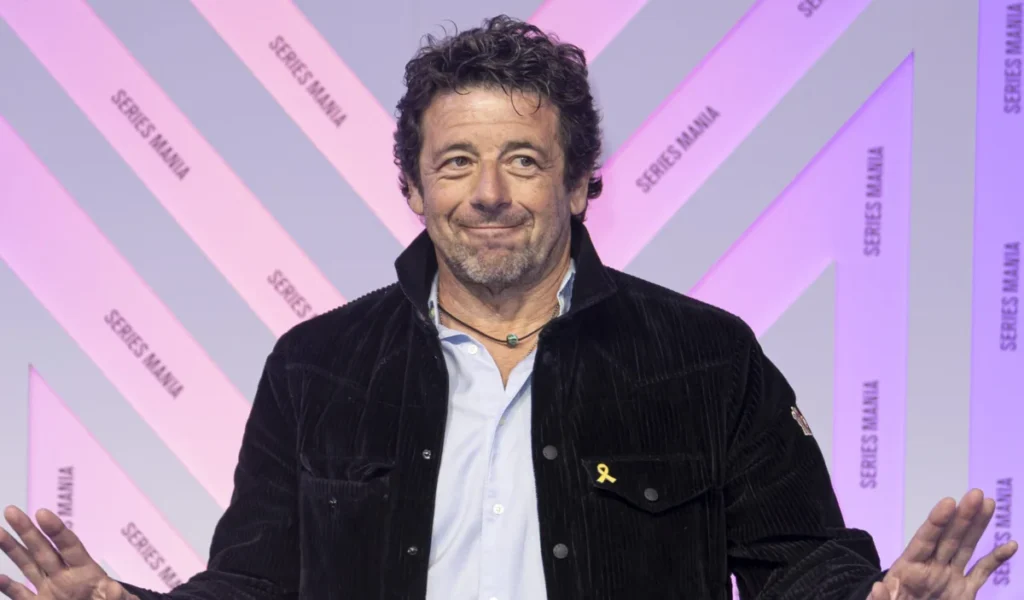
To embody the multifaceted members of the Puig family, Christophe Honoré has assembled an impressive ensemble cast, blending established luminaries with some of French cinema’s most promising rising talents. The film features a roster of highly regarded actors, including Adèle Exarchopoulos, known for her powerful and visceral performances in films like Blue is the Warmest Colour and Sibyl; Vincent Lacoste, celebrated for his versatility in comedies and dramas such as Lost Illusions and Amanda; and Nadia Tereszkiewicz, who garnered critical acclaim for her roles in The Last Dance and Babysitter.
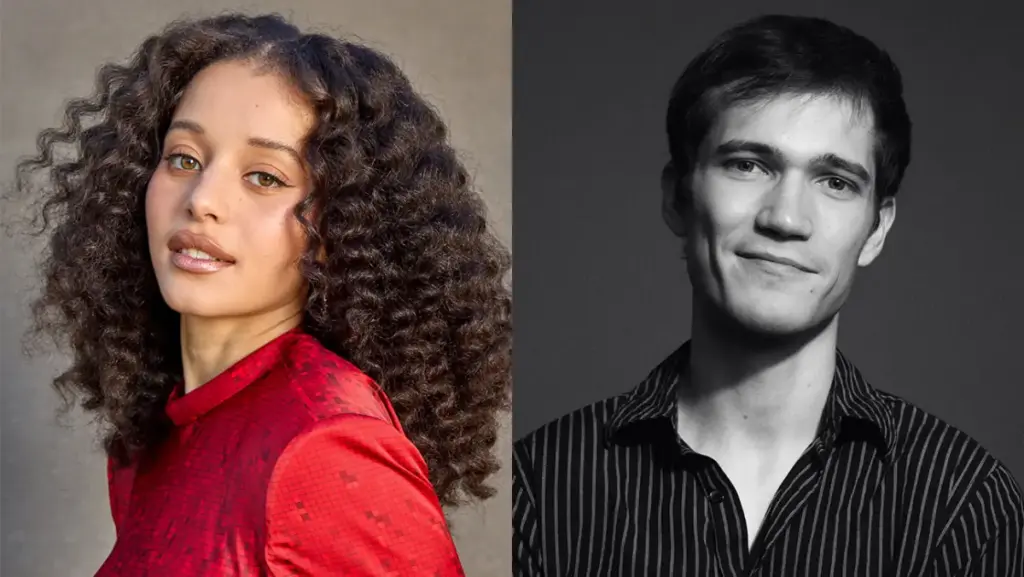
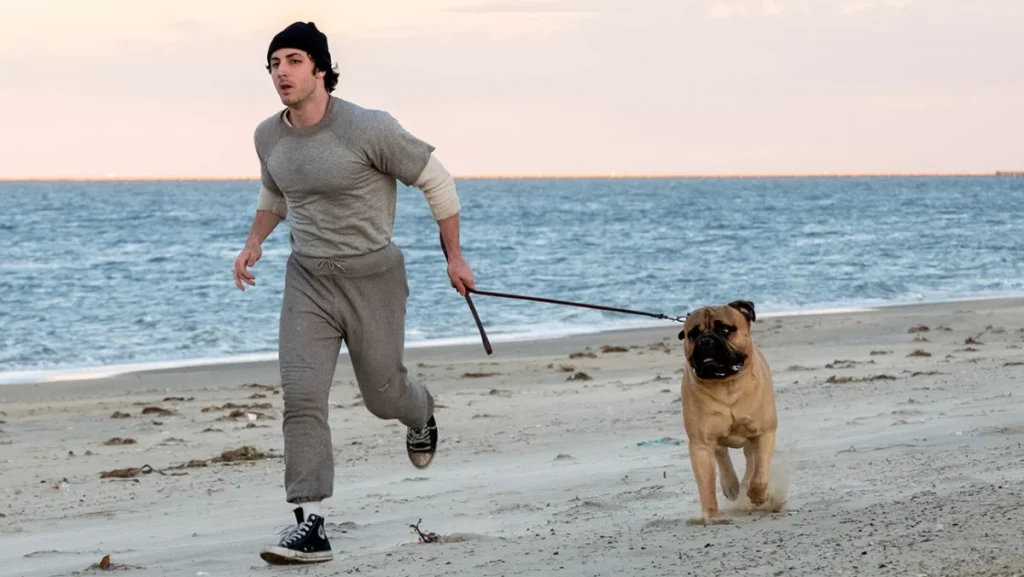
The cast is further enriched by the presence of Malou Khebizi, Paul Kircher, Alban Lenoir, Myriem Akheddiou, and Noée Abita, each bringing their unique interpretative strengths to the familial mosaic. Supporting roles are filled by a diverse array of talents including Xavier Lacaille, Saadia Bentaïeb, Victoire Du Bois, Jules Sagot, Joann Brezot, Prune Bozo, and Ji-Min Park, alongside Andranic Manet. This deliberate choice of a large, diverse cast underscores Honoré’s ambition to create a vibrant, authentic portrayal of a sprawling family, where each character, regardless of screen time, contributes to the overall emotional tapestry.
Honoré himself articulated his casting philosophy, stating, “That was one of the initial goals of this project: to assemble a troupe of young actors whom I would get to know. I sought to bring together a group of very different people who were, in a sense, united by the affection I felt for them.” This approach highlights a collaborative and intimate creative process, where the director fostered genuine connection among his actors, allowing their collective chemistry to naturally inform the family dynamics on screen. His preparatory methods, including sharing stories of his own family and teaching ballroom dances like the Paso Doble and Tango, speak to a deep commitment to forging authentic bonds and shared experiences before filming commenced.
Christophe Honoré’s Vision: Blending Memory and Fiction
Christophe Honoré’s directorial statement offers a profound insight into the genesis and deeply personal nature of Orange-Flavoured Wedding. He describes feeling as though he has "known this film my whole life," suggesting an organic evolution from his past works and personal experiences. “Even before shooting it, it was already there, diffused through every book I’ve written, every film I’ve made. I don’t feel like I directed it, but rather that I revealed it,” Honoré shared, underscoring a sense of the film emerging almost pre-formed from his subconscious. This sentiment resonates with his recurring thematic interests, which often explore memory, desire, and the complexities of familial and romantic relationships. His films frequently navigate the delicate balance between autobiography and fiction, a characteristic he addresses directly concerning Orange-Flavoured Wedding.
While acknowledging a deep familiarity with the characters – knowing their birth dates and, for some, even their dates of death – Honoré remains hesitant to label the film purely autobiographical. He clarified to THR, “First, because this film isn’t about me, but about a group of people about whom I don’t claim to know the whole truth. Second, because I wrote a screenplay that, for the course of a single day, allows these people to live a life that escapes my memories.” This distinction is crucial, revealing an artist who draws from personal wellsprings but then liberates his characters to live lives beyond the confines of his own recollection, giving them an autonomy that enriches their fictional reality. This approach allows for a universal resonance, as viewers can connect with the emotional truths presented without the film being strictly confined to one individual’s literal life story.
During the shoot, Honoré’s trust in his actors was paramount. Having previously collaborated with talents like Vincent Lacoste and Paul Kircher, he consciously cultivated an environment where the cast could inhabit their roles with genuine instinct. "On set, I let them live their own lives," he revealed, adding, "I had decided that whatever they did, they now knew more about their characters than I did." This philosophy fosters a dynamic and organic performance style, allowing the actors to bring their own interpretations and emotional depth to the characters, thereby enhancing the film’s authenticity and emotional impact.
The Cannes Premiere Platform: A Showcase for Distinguished Cinema
The selection of Orange-Flavoured Wedding for the Cannes Premiere program is a significant endorsement of its artistic merit and its director’s standing in the international film community. The Cannes Premiere section, distinct from the main Official Competition, is specifically designed to showcase a selection of prominent films from established filmmakers, often world premieres, that are considered exceptional but are not vying for the Palme d’Or. It offers a prestigious platform for films that promise critical acclaim and significant cultural impact, ensuring they receive global attention without the pressures of competition.

For Honoré, whose work has frequently graced major festivals, a Cannes premiere reaffirms his status as a vital voice in contemporary French cinema. His previous film, Marcello Mio, also premiered at Cannes, further cementing his strong relationship with the festival. The Cannes Film Festival, celebrating its 77th edition this year, remains the preeminent event in the global film calendar, attracting industry professionals, critics, and cinephiles from around the world. A premiere here guarantees extensive media coverage and sets the stage for the film’s subsequent international distribution.
Crafting the Cinematic Experience: Behind the Scenes
The visual and narrative integrity of Orange-Flavoured Wedding is further bolstered by a strong creative team working alongside Honoré. Jeanne Lapoirie, a celebrated cinematographer known for her work on films like 120 BPM (Beats Per Minute) and Summer of ’85, was responsible for the film’s visual language. Lapoirie’s ability to capture intimate emotional states and imbue scenes with atmospheric depth suggests that Orange-Flavoured Wedding will be visually compelling, complementing Honoré’s narrative sensibilities. Her skill in blending naturalism with evocative imagery will undoubtedly contribute to the film’s immersive quality, pulling viewers into the 1978 setting and the Puig family’s emotional landscape.
Chantal Hymans, an experienced editor, oversaw the film’s post-production, meticulously shaping the narrative flow and emotional rhythm. Editing is a crucial element in family dramas, where the pacing of revelations and the interplay of character reactions can make or break the film’s impact. Hymans’ expertise will be instrumental in ensuring that the film’s complex emotional currents are conveyed with precision and resonance.
International sales for Orange-Flavoured Wedding are being handled by Pyramide International, a well-respected French sales agent known for distributing acclaimed independent and art-house films worldwide. Their involvement indicates strong confidence in the film’s global appeal and its potential to connect with audiences beyond France. Pyramide International’s strategic distribution will be key to maximizing the film’s reach following its high-profile Cannes debut.
Symbolism and Setting: The Echoes of 1978
Beyond the personal narrative, Honoré imbues Orange-Flavoured Wedding with specific cultural touchstones that anchor it firmly in its 1978 setting and add layers of symbolic meaning. The enigmatic title itself, "Orange-Flavoured Wedding," is a direct reference to an American drink that makes a cameo in the film. This seemingly innocuous detail serves as a powerful mnemonic device for Honoré, linking a simple beverage to a flood of childhood memories.
Perhaps even more poignant is the inclusion of the death of French singer Claude François, a real-life event that occurred on March 11, 1978, just days before the fictional wedding. Honoré explained the significance of these elements: “It so happened that on the afternoon of my uncle Jacques’s wedding, we heard the news of Claude François’s death. Ever since then, whenever I hear one of his songs – or drink the orange-flavored beverage mentioned in the film – my entire childhood within that family comes flooding back. I didn’t realize it at the time, but that family was already on the verge of disappearing.”
Claude François was an iconic figure in French popular culture, his energetic performances and catchy songs defining an era. His sudden death at the age of 39 was a national shock, a moment of collective grief that many French citizens remember vividly. By juxtaposing this widely remembered public event with a deeply private family milestone, Honoré creates a unique emotional anchor. The singer’s songs, he notes, “are part of many French families’ lives; they represent a memory that is both intimate and universal.” This dual resonance allows the film to tap into a collective nostalgia while simultaneously exploring the highly personal grief and transformations within the Puig family. The drink and the singer become not just period details, but potent symbols of a vanished world, a specific moment in time that held both joy and the seeds of impending change and loss.
The Enduring Theme of Family and Resilience
Family has consistently been a recurring and central theme throughout Christophe Honoré’s distinguished filmography. In Orange-Flavoured Wedding, he deepens this exploration, focusing less on individual narratives and more on the intricate emotional currents that bind, and sometimes break, a collective unit. "I wanted the focus to be on how emotions flow between the members of a group – how the grief of one character is embraced by the entire group. The same goes for love and violence,” Honoré shared. This emphasis on the fluidity of emotions within a family unit speaks to a nuanced understanding of how shared experiences, both joyous and tragic, shape collective identity.
The Puig family, Honoré reveals, is “marked by tragedy. Their childhood foreshadows the catastrophes of their adult lives, but they persevere despite everything; they are valiant and courageous, together. It is when they are separated from one another that fate strikes them.” This insight underscores the film’s broader message about resilience and the vital importance of familial connection as a bulwark against life’s adversities. It suggests that while families can inflict trauma, they also possess an unparalleled capacity for support, healing, and collective strength. The film appears to be a meditation on how individuals navigate personal and shared grief, how love persists amidst challenges, and how the bonds forged in childhood continue to influence adult lives, offering both comfort and potential for conflict.
Anticipation and Broader Implications
The world premiere of Orange-Flavoured Wedding at the Cannes Film Festival is poised to be a highlight of the Cannes Premiere section. Critics and audiences alike will be eager to witness Honoré’s latest offering, particularly given its deeply personal yet universally resonant themes. The film’s exploration of family dynamics, trauma, love, and resilience, set against a specific historical backdrop, positions it as a significant contribution to contemporary French cinema.
The early release of an exclusive clip, featuring Adèle Exarchopoulos, has already generated considerable buzz, offering a tantalizing glimpse into the film’s aesthetic and emotional landscape. It serves as an invitation to experience a narrative that promises both comforting familiarity and profound emotional depth. As Honoré himself hopes, the film, much like the Claude François songs it references, will be "both comforting and a sign of a world that has vanished," inviting viewers to reflect on their own family histories and the enduring power of connection. The film is expected to prompt discussions on the nature of memory, the complexities of familial love, and the indelible marks left by our pasts. As the cinematic world gathers on the French Riviera, Orange-Flavoured Wedding stands ready to unveil a rich, poignant, and unforgettable family saga.