The documentary "Queer As Punk" shines a spotlight on Shh…Diam!, an openly queer punk band in Malaysia, whose members defiantly embrace their identities as trans men and Muslims within a society that often deems such intersections impossible or forbidden. The film, directed by Yihwen Chen, follows lead singer Faris, along with Yon and Yoyo, as they navigate their complex realities through the raw power of their music and their unwavering participation in LGBTQ+ rights protests. Their story is not merely one of artistic expression but a profound act of resistance against deeply entrenched conservative norms and restrictive legal frameworks. The screening at the Queer East Film Festival provides a crucial international platform for this compelling narrative of identity, activism, and the pursuit of freedom in a challenging environment.
The Heart of the Rebellion: Shh…Diam!
Shh…Diam!, whose name provocatively translates to "shut up" in Malay, embodies the very essence of punk rock’s counter-cultural spirit. Far from silencing their voices, the band leverages their music as a potent medium to "shout the fact" of their existence and their struggle. Their songs are not just musical compositions; they are anthems of defiance, challenging the prevailing societal narratives that seek to marginalize and erase queer and transgender identities within a Muslim-majority nation. The band members are not passive subjects; they are active participants in the ongoing fight for LGBTQ+ rights, frequently joining street protests and advocacy efforts. This dual commitment to artistic expression and direct activism underscores their role as vanguards of a burgeoning, albeit often suppressed, movement for human rights in Malaysia. Their music, characterized by its energetic and confrontational style, mirrors the urgency and intensity of the issues they champion, creating a sonic landscape that is as unyielding as their convictions.
Malaysia’s Restrictive Landscape: A Deeper Look
The political and social backdrop against which Shh…Diam! operates is one marked by profound conservatism and legal restrictions that severely curtail human rights and freedom of expression. Malaysia operates under a dual legal system, incorporating both civil law and Sharia (Islamic) law. While civil law applies to all citizens, Sharia law governs personal and family matters for Muslims, including moral offenses. This duality creates a complex legal minefield for LGBTQ+ individuals.
Legal Framework and Societal Conservatism:
Under federal law, specifically Section 377A of the Penal Code, "carnal intercourse against the order of nature" is criminalized, a relic of British colonial-era sodomy laws. This provision effectively outlaws homosexual acts. Furthermore, various state-level Sharia enactments criminalize "unnatural acts," cross-dressing, and even "men posing as women" or vice versa, directly impacting transgender individuals. These laws are not merely symbolic; they are actively enforced, leading to arrests, fines, and public shaming. Human rights organizations frequently report cases of arbitrary arrests, public caning, and "rehabilitation" programs aimed at "curing" individuals of their sexual orientation or gender identity.
The concept of being Muslim and queer is often treated as inherently contradictory and forbidden within conservative Islamic interpretations prevalent in Malaysia. For ethnic Malays, who are constitutionally defined as Muslims, the legal framework further complicates matters. Renouncing Islam is an extremely difficult, if not virtually impossible, process under Malaysian law, requiring approval from Sharia courts that rarely grant such petitions. This legal inflexibility means that individuals like the members of Shh…Diam! are legally bound to an identity (Muslim) that is used by the state and religious authorities to deny another fundamental aspect of their identity (queer/transgender). This legal and social environment creates a suffocating reality, where personal autonomy and self-determination are severely compromised.
Freedom of Expression Under Siege:
The curtailment of freedom of expression extends beyond personal conduct to artistic and political dissent. Public gatherings require police permits, and criticism of Islam, the monarchy, or ethnic relations can lead to sedition charges. Artistic works, including films, music, and literature, are subject to strict censorship guidelines, particularly if they touch upon sensitive topics like religion, sexuality, or political dissent. For a band like Shh…Diam!, openly advocating for LGBTQ+ rights and performing their defiant music, every public appearance and lyrical choice carries significant risk. The "underground" nature of many of their concerts, as depicted in the documentary, is a direct consequence of this restrictive environment, highlighting the necessity of covert spaces for subversive art and activism.
Navigating Intersectional Identities
The documentary "Queer As Punk" delves deeply into the intersectional lives of Faris, Yon, and Yoyo, illustrating the unique challenges faced when multiple marginalized identities converge in a conservative society.
Transgender and Muslim: A Complex Reality for Faris:
Faris, the lead singer, emerges as a focal point, his personal journey as a trans man providing a poignant narrative arc. His will to transition is met not only with societal disapproval but also, as the film reveals, with resistance even from within his own family. In Malaysia, legal gender recognition for transgender individuals is largely absent. There are no provisions for changing legal gender markers on identity documents, which creates immense bureaucratic and social hurdles for trans individuals seeking to align their legal identity with their lived experience. This lack of legal recognition means that trans men like Faris are often forced to navigate public life with identity cards that do not reflect their gender, leading to discrimination in employment, housing, healthcare, and even basic interactions. The film meticulously portrays the emotional toll of this struggle, making Faris’s portrait the most thorough and emotionally resonant. His defiance in the face of familial and societal rejection underscores a profound resilience, turning his personal struggle into a powerful statement for the entire community.
Beyond Faris: Yon and Yoyo’s Journeys:
While Faris’s story anchors the narrative, Yihwen Chen ensures that Yon and Yoyo also receive significant screen time, enriching the documentary with diverse queer experiences. Yoyo’s marriage to Kat, in particular, showcases a vibrant "mixture of cultures," suggesting moments of personal joy and connection that defy the oppressive backdrop. Such unions, while perhaps not legally recognized in Malaysia if both parties are Muslim or if they challenge traditional gender roles, represent significant acts of personal affirmation and community building. The film’s focus on Yon’s everyday life and relationships further humanizes the band members, moving beyond their public personas as activists to reveal their ordinary struggles, joys, and intimate connections. These glimpses into their personal lives emphasize that their activism is not an isolated pursuit but deeply interwoven with their daily existence, their relationships, and their aspirations for a more accepting world.
The Political Disillusionment: Hopes and Setbacks
A particularly intense dramatic hypostasis permeating the documentary is the cyclical nature of hope and disappointment tied to Malaysia’s political landscape. For over six decades, Malaysia was governed by the Barisan Nasional (BN) coalition, a political bloc that had established a deeply entrenched system. The 2018 general election marked a historic turning point, as the Pakatan Harapan (PH) coalition, an opposition alliance, successfully ousted BN, ending its uninterrupted 61-year rule.
The 2018 General Election and Its Aftermath:
This unprecedented political shift ignited widespread hope among many Malaysians, including human rights activists and the LGBTQ+ community, that a new government might usher in an era of reform, greater freedoms, and respect for human rights. There was an expectation that decades of conservative policies and suppression of dissent might be challenged. However, as the documentary vividly portrays, these hopes were soon dashed. Despite the change in ruling party, the new government, under intense pressure from conservative religious and ethnic groups, largely maintained the status quo regarding LGBTQ+ rights and freedom of expression. Public discourse remained hostile, and government officials often reiterated conservative stances, sometimes even increasing rhetoric against the LGBTQ+ community. This realization that "nothing has actually changed" for their specific cause creates a palpable sense of disillusionment and frustration among the band members, highlighting the deep-seated nature of the challenges they face. The political timeline for LGBTQ+ rights in Malaysia has largely been one of stagnation or regression, with no significant legislative reforms in sight.
Ongoing Struggles:
The documentary effectively captures the emotional rollercoaster of this political awakening and subsequent letdown. It underscores a crucial lesson: political change at the top does not automatically translate into fundamental shifts in societal attitudes or legal frameworks, especially when deeply ingrained cultural and religious norms are involved. The band’s sustained activism in the face of this disappointment speaks volumes about their resilience and the enduring nature of their struggle. This segment of the film serves as a stark reminder of the persistent fight required to achieve genuine human rights progress in environments where conservative forces hold significant sway.
Art as Activism: The Power of Punk
Shh…Diam!’s music is more than just entertainment; it is a direct extension of their activism, a sonic weapon wielded against oppression. The documentary dedicates a significant portion of its runtime to their concerts, most of which take place in underground venues, away from the scrutiny of authorities and conservative elements of society.
Underground Concerts and Visual Protest:
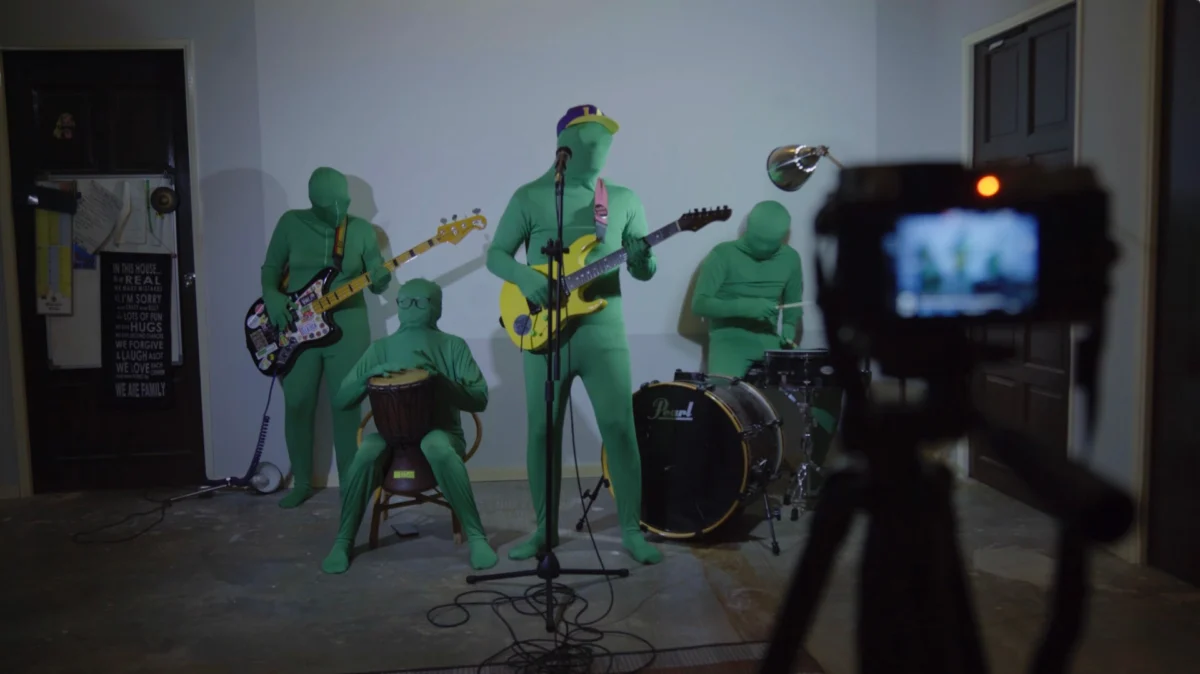
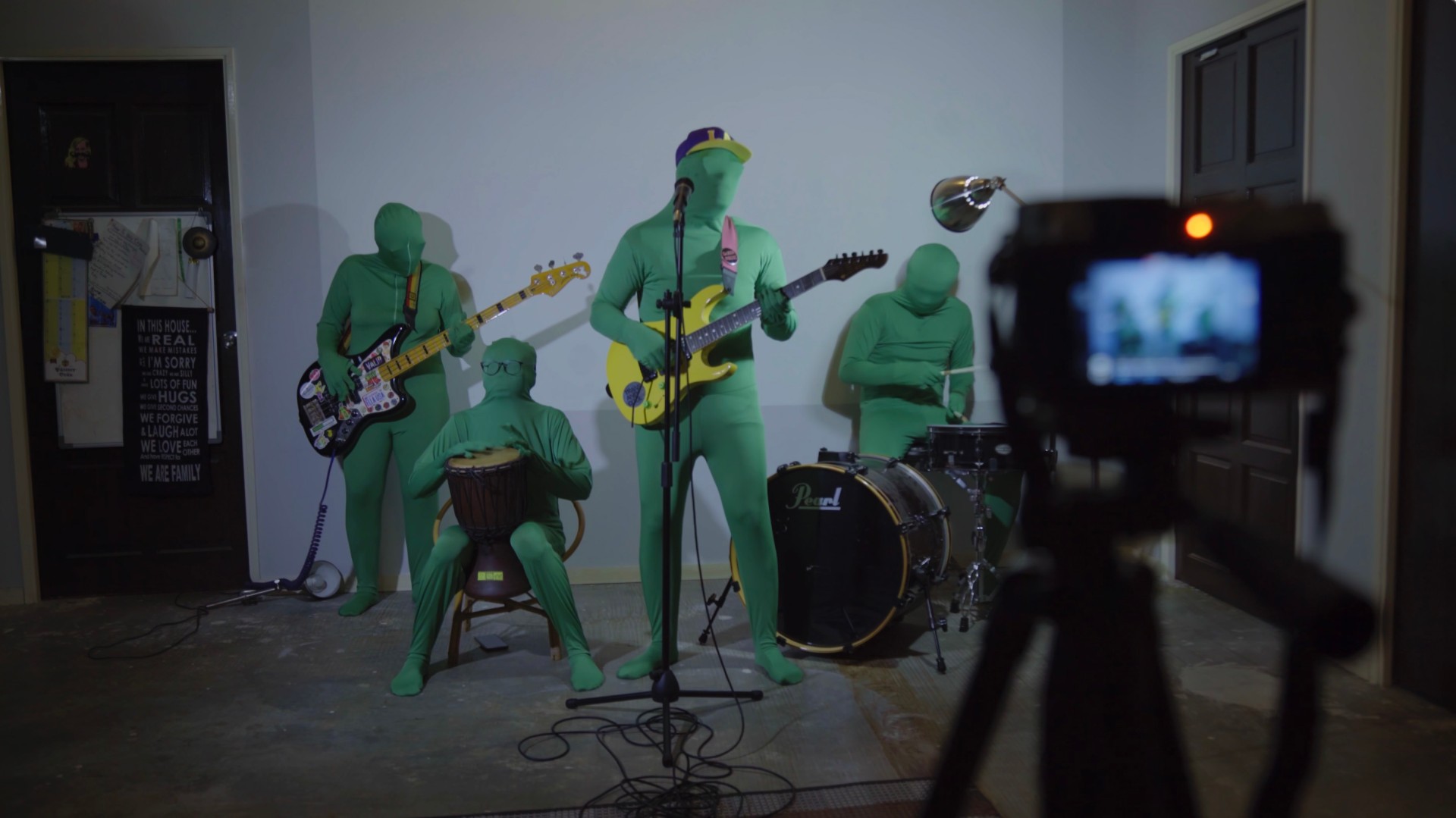
These underground performances are not merely logistical necessities; they are powerful statements in themselves. They create safe, albeit clandestine, spaces for expression and community building, fostering solidarity among those who feel marginalized. The raw energy of these concerts, captured through the film’s intimate camerawork, transmits the band’s defiance directly to the audience. One particular concert, where the band members don full-body green suits, stands out as a memorable visual protest. This striking imagery can be interpreted in multiple ways: perhaps a commentary on anonymity in a surveillance society, a symbol of environmental activism often linked with punk, or even a deliberate obscuring of individual identities to highlight the collective struggle. Regardless of the specific interpretation, it is a clear manifestation of punk’s tradition of using provocative aesthetics to challenge norms and grab attention. The "Queer as Punk" title is aptly demonstrated here, showing how the punk ethos of rebellion, DIY culture, and direct confrontation aligns perfectly with the band’s queer activism.
The Creative Process:
Beyond the live performances, the documentary also offers glimpses into the preparation of their music. This inclusion adds another crucial layer, demystifying the artistic process and showcasing the intentionality behind their provocative lyrics and melodies. It reveals the band not just as performers but as thoughtful creators, meticulously crafting their messages and translating their lived experiences into powerful sonic narratives. This aspect reinforces the idea that their music is not accidental but a deliberate and considered form of resistance, each note and lyric infused with their struggles and aspirations.
The Filmmaker’s Lens: Yihwen Chen’s Approach
Yihwen Chen’s direction in "Queer As Punk" is marked by an intimate and observational style, clearly demonstrating a deep rapport with her subjects. This close relationship is fundamental to the documentary’s success in portraying such sensitive and personal stories.
Building Trust and Intimacy:
The camera’s proximity to the protagonists, often following them even within the confines of their car as they travel from concert to concert, is a testament to the trust Chen successfully cultivated with Faris, Yon, and Yoyo. This level of access allows the audience to feel deeply immersed in their lives, witnessing their candid conversations, moments of vulnerability, and shared camaraderie. It avoids the detached, exploitative gaze that sometimes characterizes documentaries about marginalized communities, instead fostering a sense of empathy and authenticity. This intimate approach is crucial for conveying the emotional weight of their experiences, from the personal anguish of Faris’s family struggles to the collective joy of their performances. By gaining the band’s trust, Chen manages to present their narratives with a nuanced understanding that might otherwise be impossible.
Cinematic Craft:
The editing, a collaborative effort between Angen Sodo and Chen, skillfully connects the various thematic and narrative threads of the documentary. It imbues the film with a sense of speed and urgency, mirroring the energetic and often frenetic style of punk music, especially during concert sequences and protest scenes. This dynamic pacing keeps the audience engaged and reflects the band’s relentless drive. However, the editing also thoughtfully incorporates moments where the pace slows down, allowing for quieter, more reflective scenes. These shifts in tempo are vital for providing emotional depth, giving space to the protagonists’ personal struggles and allowing viewers to absorb the gravity of their situation. This sophisticated editing technique ensures that the documentary is not just a fast-paced account of activism but also a deeply human story, balancing the public face of protest with the private complexities of identity.
Broader Implications and International Spotlight
"Queer As Punk" transcends the specific narrative of Shh…Diam! to highlight broader implications for human rights, artistic freedom, and the global LGBTQ+ movement.
Human Rights Advocacy:
The documentary serves as a powerful advocacy tool, bringing international attention to the precarious state of LGBTQ+ rights and freedom of expression in Malaysia. By showcasing the lived realities of individuals who face systemic discrimination and legal persecution, the film compels viewers beyond Malaysia’s borders to confront these issues. Organizations like Amnesty International and Human Rights Watch have consistently highlighted Malaysia’s human rights challenges, and films like "Queer As Punk" provide compelling human stories that underscore these reports, potentially galvanizing international pressure and support for reform. The exposure garnered through film festivals and distribution channels can contribute to a more informed global discourse on these critical issues.
The Global Queer Rights Movement:
Shh…Diam!’s struggle is not isolated; it resonates within the broader global queer rights movement. Their fight for recognition and acceptance in Malaysia mirrors similar battles being fought in various conservative societies worldwide. The film positions their local activism within this global context, demonstrating that the pursuit of equality is a universal aspiration, even if its manifestations and challenges vary by region. The band’s intersectional identity as queer, trans, and Muslim also contributes to a richer understanding of the diversity within the LGBTQ+ community and the unique forms of discrimination faced by individuals at these cultural and religious junctures.
The Role of Film Festivals:
The screening of "Queer As Punk" at the Queer East Film Festival is particularly significant. Established in 2019, Queer East is dedicated to showcasing queer cinema from East and Southeast Asia, providing a vital platform for stories that are often marginalized or censored in their home countries. Such festivals are not merely venues for entertainment; they are crucial cultural spaces that foster dialogue, promote understanding, and offer solidarity to filmmakers and subjects from underrepresented communities. They allow these powerful narratives to reach wider audiences, educate the public, and inspire further advocacy and activism. For "Queer As Punk," the festival acts as a crucial bridge, connecting a local Malaysian struggle with a global audience invested in human rights and queer liberation.
Conclusion: A Bittersweet Reality
Ultimately, "Queer As Punk" leaves its audience with a bittersweet impression. The enduring spirit of Shh…Diam!—their courage, their passion, and their unwavering commitment to their identities and their cause—is undeniably inspiring. Despite the formidable odds and the unchanging, suffocating societal setting, the members of the band continue to move forward, finding strength in their music, their community, and their shared defiance. Their ability to persevere in the face of such adversity is a testament to the resilience of the human spirit and the power of collective action.
However, the documentary does not shy away from the stark reality that their immediate circumstances remain largely unchanged. The legal and social barriers persist, and the struggle for fundamental rights is far from over. This juxtaposition of individual resilience against systemic inertia underscores the film’s profound realism. It avoids simplistic narratives of triumph, instead presenting a nuanced and honest portrayal of an ongoing battle. In its entirety, "Queer As Punk" is a deeply entertaining, profoundly realistic, and critically important documentary. It is a powerful testament to the transformative potential of art as activism and a poignant reminder of the universal fight for dignity, identity, and freedom in a world still grappling with prejudice and intolerance.