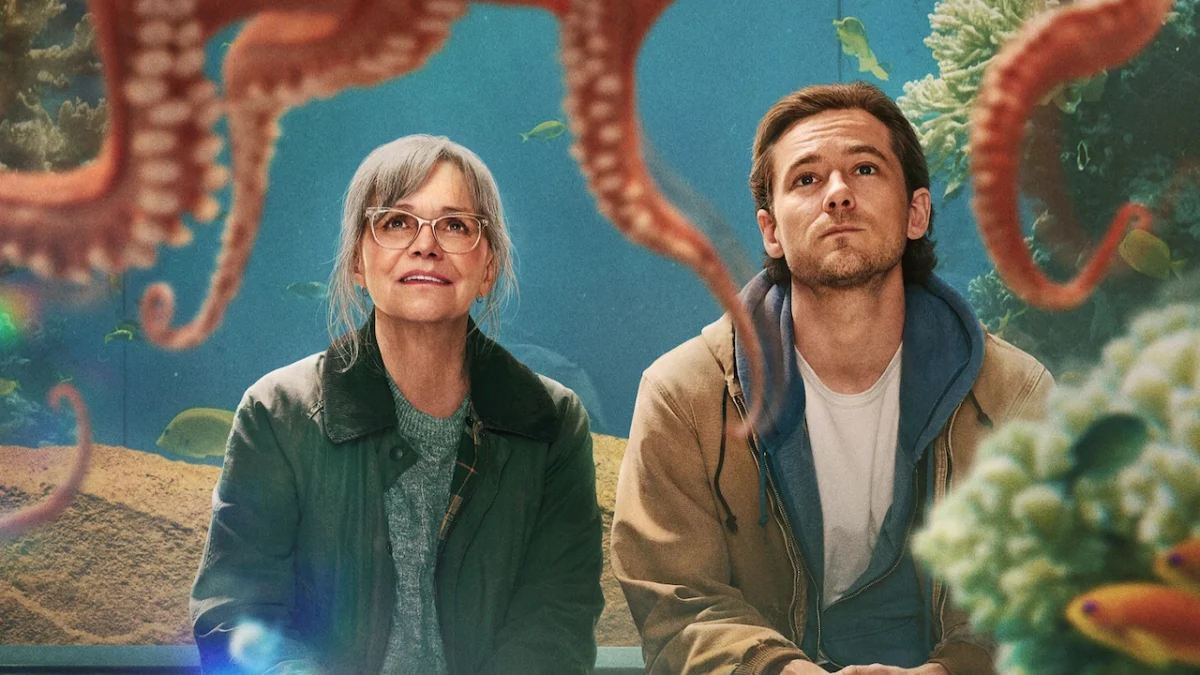
The cinematic adaptation of Shelby Van Pelt’s critically acclaimed and bestselling novel, Remarkably Bright Creatures, emerges as an emotionally resonant surprise, anchoring its unapologetic sentimentality with a brilliant performance from two-time Oscar winner Sally Field and the distinctive narration of a wise, giant Pacific octopus, voiced by five-time SAG/Actor Award nominee Alfred Molina. Produced by Night Owl Stories and Anonymous Content, this much-anticipated film marks a significant entry into the growing trend of beloved literary works making their way to the screen, promising a narrative that explores themes of loss, connection, and unexpected healing.
A Bestselling Phenomenon Comes to Life
Shelby Van Pelt’s debut novel captivated readers worldwide, earning its place as a New York Times bestseller for an extraordinary duration—over 64 weeks on the hardcover fiction list and more than 30 weeks and counting on the trade paperback fiction list. This sustained presence on such a prestigious list is a testament to the book’s profound impact and widespread appeal, establishing a strong foundation of anticipation for its cinematic translation. The novel’s enduring popularity signaled to filmmakers a rich narrative ripe for adaptation, promising a built-in audience eager to see its beloved characters and unique premise brought to visual life.
Directing this intricate story is Olivia Newman, known for her adept handling of another popular literary adaptation, Where the Crawdads Sing (2022). Newman’s previous collaboration with Netflix on her debut feature, First Match (2018), showcased her talent for crafting character-driven narratives with emotional depth, making her a fitting choice to navigate the delicate balance of humor, mystery, and sentimentality inherent in Van Pelt’s work. Newman co-wrote the screenplay with John Whittington, whose previous credits include the family-friendly film Swapped, further indicating a focus on narratives that appeal to a broad audience while retaining emotional integrity.
The Heart of the Story: Unlikely Bonds and Unfolding Mysteries
At its core, Remarkably Bright Creatures introduces Tova Sullivan, a widowed woman portrayed by Sally Field, who finds solace and routine in her night shift cleaning job at a local aquarium. Tova’s life, marked by personal tragedy, begins to shift as she forms an extraordinary bond with Marcellus, a giant Pacific octopus with a remarkably astute perception of human nature, voiced by Alfred Molina. Marcellus, an observational and often humorous commentator on the human condition, becomes an unexpected confidant and catalyst for change in Tova’s solitary existence.
The narrative deepens with the arrival of Cameron, a wayward young man played by Lewis Pullman, who arrives in town driven by a search for his biological family. Cameron’s journey inadvertently intertwines with Tova’s, leading to an unlikely intergenerational friendship. Together, this trio—a grieving widow, a wise cephalopod, and a searching young man—embark on a collective journey to uncover a long-buried mystery. This quest promises not only to unravel secrets but also to restore a sense of wonder, purpose, and connection to their lives, proving that healing can emerge from the most unexpected places and relationships.
A Distinguished Ensemble Cast
Beyond the central performances of Sally Field, Alfred Molina, and Lewis Pullman, the film boasts a stellar supporting cast that adds considerable depth and gravitas to the story. Colm Meaney, recognized for his extensive work including Star Trek: Deep Space Nine, brings his seasoned presence to the ensemble. Joan Chen, celebrated for her roles in films like Didi, contributes to the rich tapestry of the community. Veteran actors Kathy Baker (Edward Scissorhands) and Beth Grant (Little Miss Sunshine) further enhance the film’s character-driven appeal, embodying the nuanced personalities within Tova’s small-town world. Sofia Black-D’Elia (The Night Of) rounds out the cast, ensuring a diverse and compelling group of characters that populate the narrative. This carefully curated ensemble underscores the film’s commitment to strong performances, elevating the emotional core of the story.
Strategic Release and Thematic Resonance
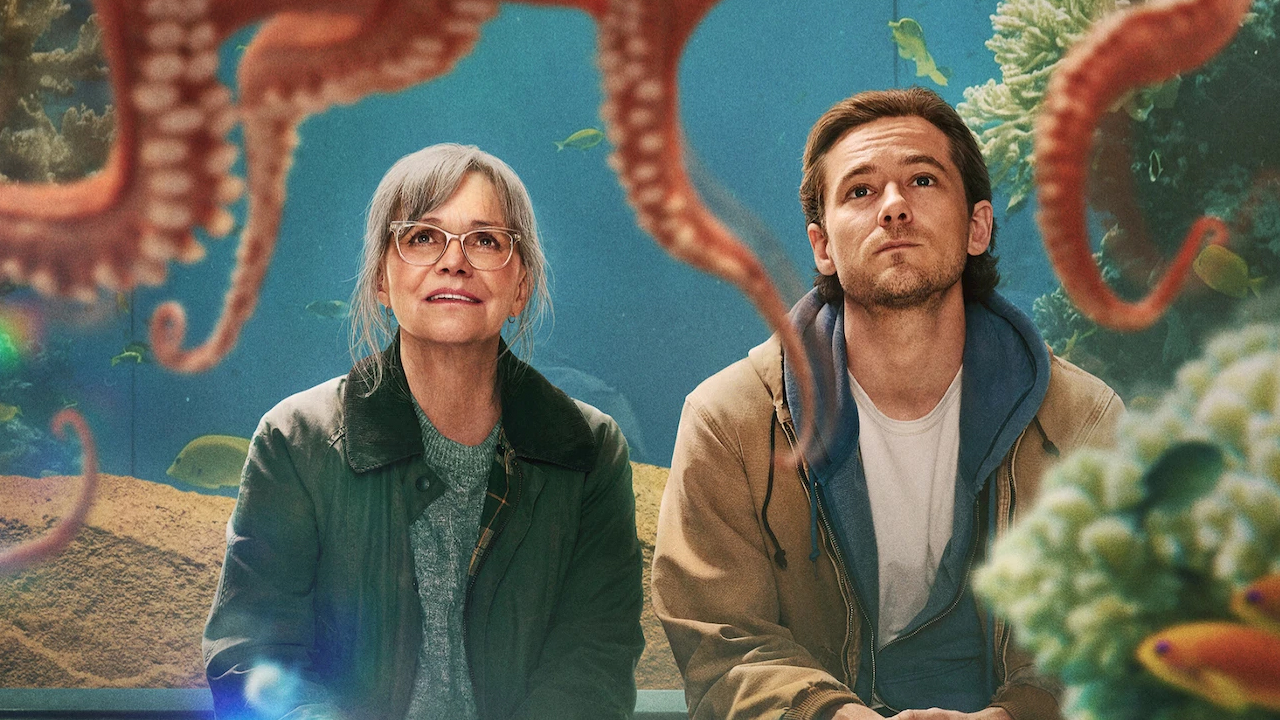
Positioned for a Mother’s Day weekend release, Remarkably Bright Creatures follows in the footsteps of previous family-friendly, emotionally impactful films that have successfully captured audiences during this period, such as the Emmy-nominated Nonna’s. This strategic scheduling reflects a deliberate effort to reach an audience receptive to narratives centered on themes of family, love, loss, and the enduring power of human connection.
The film belongs to a distinctive category of storytelling that resonates deeply with personal experience, echoing the sentiment of encountering individuals who arrive in one’s life precisely when needed. It evokes the feeling of meeting someone who offers a glimmer of hope during a period of survival, or a figure whose own scars mirror one’s own, allowing for mutual healing. This kind of narrative taps into a universal longing for understanding and rejuvenation, particularly for those who have experienced profound loss and have retreated into themselves.
Drawing parallels to classic films, the narrative structure and emotional impact of Remarkably Bright Creatures recall the work of legendary actors like Jessica Tandy. Tandy, an Academy Award winner for Driving Miss Daisy and nominee for Fried Green Tomatoes, specialized in roles that explored the emotional vulnerability and resilience of older individuals. Her performances often depicted characters who, despite personal setbacks, found renewed vitality through new relationships or a rekindled sense of purpose. This film, with Sally Field at its helm, taps into a similar vein, offering a poignant exploration of an older woman’s journey back to engagement with life.
The comparison extends specifically to films Tandy made with her husband, Hume Cronyn, in the mid to late 1980s, particularly the Steven Spielberg-produced Batteries Not Included (1987). In that film, Tandy and Cronyn portrayed an aging New York City couple facing displacement, whose lives are unexpectedly revitalized by the intervention of tiny, sentient alien machines. These creatures provide the seniors with the means to fight back against a real estate developer and, more importantly, offer something new to care about, restoring a sense of vitality that seemed long lost.
The critical reception to Batteries Not Included was notably mixed, highlighting the inherent challenge of films that lean heavily into sentimentality. Iconic critics Gene Siskel and Roger Ebert famously diverged in their opinions; Ebert praised it as "sweet, cheerful, and funny family entertainment," while Siskel dismissed it as "so harmless it’s boring." This dichotomy underscores a fundamental divide in audience and critical perspectives: whether to embrace the emotional directness and warmth of such narratives or to critique their potential for manipulation and predictability.
The Art of Emotional Engagement
Remarkably Bright Creatures navigates this delicate terrain by offering audiences a choice: to succumb to the "wave of emotional manipulation" or to allow themselves to be "bathed in its empathy, compassion, and hope." For many, the film’s power lies in its ability to connect on a deeply personal level, reflecting experiences of grief, isolation, and the transformative power of unexpected connections.
Sally Field’s portrayal of Tova Sullivan is central to this emotional resonance. Her performance captures the essence of older women who, having endured significant loss, have retreated into a routine of mere survival, often feeling like a burden or an afterthought in the world. Field imbues Tova with a palpable sense of internal pain, a woman whose every step is a reminder of past wounds, living within a "tomb of reminders" in her home and mind. Yet, Field expertly conveys Tova’s subtle yearning for reconnection, balancing her "set in her ways" brashness with a quiet openness to new possibilities.
The chemistry between Field’s Tova and Lewis Pullman’s Cameron is meticulously crafted. Tova, a woman who hasn’t been a mother figure in a long time, slowly assumes that role for Cameron, who in turn offers her a renewed sense of vigor and importance precisely when she needs it most. Both actors deliver performances that transcend the potentially saccharine nature of the story, grounding the improbable elements in authentic human emotion. They navigate the narrative’s inherent sentimentality with a sincerity that makes their evolving relationship believable and deeply moving.
While some critics might argue against the film’s "safe and contrived nature" or question the necessity of an anthropomorphic octopus voiceover, these elements, for many, contribute to the film’s unique charm and emotional impact. The film invites viewers to engage with its premise on its own terms, offering a narrative that, despite its fantastical elements, reflects a very real human desire for rebound, closure, and the belief that life can offer happy accidents and interventions when least expected. It celebrates the "little-seen segment of the type of person we see every day"—individuals whose quiet struggles and profound inner lives are often overlooked.
Sally Field: A Legacy of Authentic Portrayals
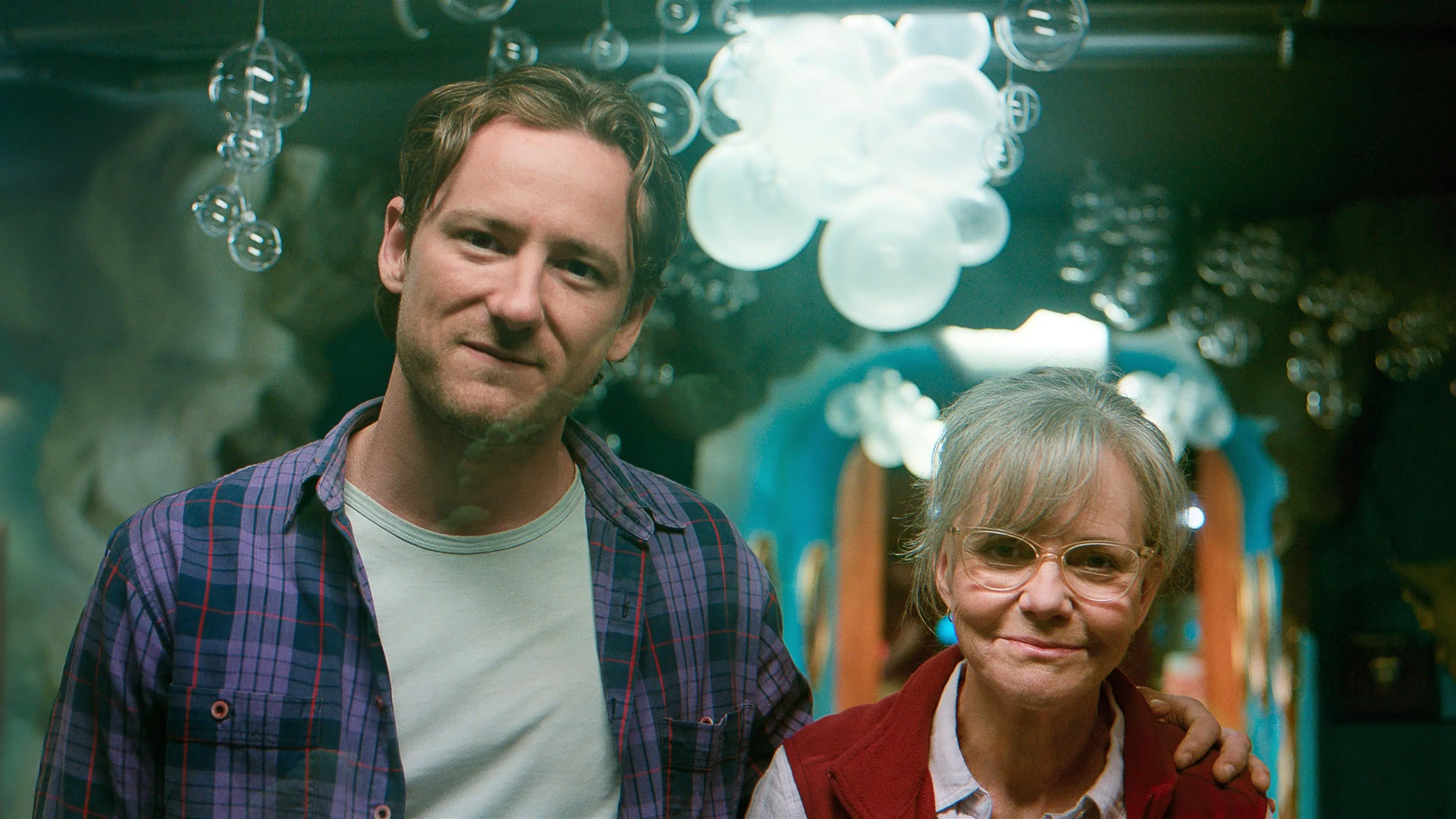
For generations of filmgoers, particularly Gen X and elder Millennials, Sally Field holds an iconic status, an actor whose career has consistently delivered memorable and deeply felt performances. From her early roles in films like Smokey and the Bandit, captivating audiences with her vivacious spirit, to her portrayals of complex, well-rounded mothers in beloved classics such as Steel Magnolias, Mrs. Doubtfire, and Forrest Gump, Field has consistently demonstrated an unparalleled ability to evoke empathy and bring audiences to their knees. Her distinctive charm, characterized by her radiant smile and grounded sensibility, has always made her characters feel relatable and authentic, regardless of the cinematic context.
Now in a distinguished phase of her career—a period affectionately dubbed her "Aunt May" era, referencing her role in The Amazing Spider-Man films—Field continues to imbue her characters with grace, dignity, and a profound level of authenticity. This commitment to genuine portrayal is often a rare quality among actors of her stature. In Tova Sullivan, Field masterfully taps into the "fire of decades of pushing people away," presenting a woman whose eyes and soul betray the deep scars of past trauma. It is a nuanced performance that resonates particularly with long-time fans who have witnessed Field and her characters evolve over the decades.
In less skilled hands, the role of Tova, and indeed the film itself, could have veered into ham-fisted melodrama or forced sentimentality, particularly in an era often critical of overt "Oscar grabs." However, Field’s performance transcends these pitfalls. She grounds the improbable premise of a talking octopus and an unlikely mystery in a truth that feels deeply real, pulling viewers away from cynicism and into the heart of Tova’s journey. Her ability to convey both the hardened resilience of a woman who has suffered profound loss and the subtle yearning for renewed connection is central to the film’s success.
The Voice of Wisdom: Alfred Molina as Marcellus
Alfred Molina’s voice performance as Marcellus, the giant Pacific octopus, is more than a mere narrative device; it is a critical emotional anchor for the film. Molina, with his distinctive vocal timbre and a career spanning diverse roles, including his five SAG/Actor Award nominations, lends Marcellus an air of ancient wisdom and wry observation. The octopus, a creature of remarkable intelligence and an acute observer of human behavior, offers a unique, detached yet deeply empathetic perspective on Tova’s life and the world around her.
Marcellus’s narration provides a philosophical counterpoint to the human drama, guiding the audience through Tova’s emotional landscape with insights that are both profound and subtly humorous. His voice becomes the internal monologue of the aquarium itself, a silent witness to countless human interactions, offering reflections on the fragility and resilience of life. The choice to give Marcellus a voice, rather than relying solely on visual cues, amplifies the film’s themes of communication, understanding, and the unexpected sources of wisdom. It challenges the audience to consider empathy and intelligence beyond conventional human boundaries, making the extraordinary premise feel more integrated into the story’s emotional core.
Implications and Broader Impact
Remarkably Bright Creatures stands to reinforce the market for character-driven, emotionally rich narratives, especially those adapted from popular literary works. Its success could further solidify Olivia Newman’s reputation as a director adept at translating complex emotional landscapes to the screen and highlight the continued appeal of Sally Field in nuanced, mature roles. The film’s focus on intergenerational relationships and the healing power of unexpected connections offers a timely message in a world often characterized by division and isolation.
The film’s reception will undoubtedly contribute to ongoing discussions about the balance between sentimentality and narrative integrity in contemporary cinema. For those who embrace its warmth and find solace in its message, Remarkably Bright Creatures offers a poignant reminder that connection, wonder, and the possibility of new beginnings are never truly out of reach. It celebrates the idea that even in the twilight years of life, and from the most improbable of companions, a renewed sense of purpose and joy can emerge, proving that for every "boring" or "harmless" critique, there will be an audience that chooses to engage with its "sweet… family entertainment." The film is poised to be a thoughtful and impactful experience for many, proving that sometimes, wearing one’s heart on one’s sleeve can lead to the most resonant surprises.