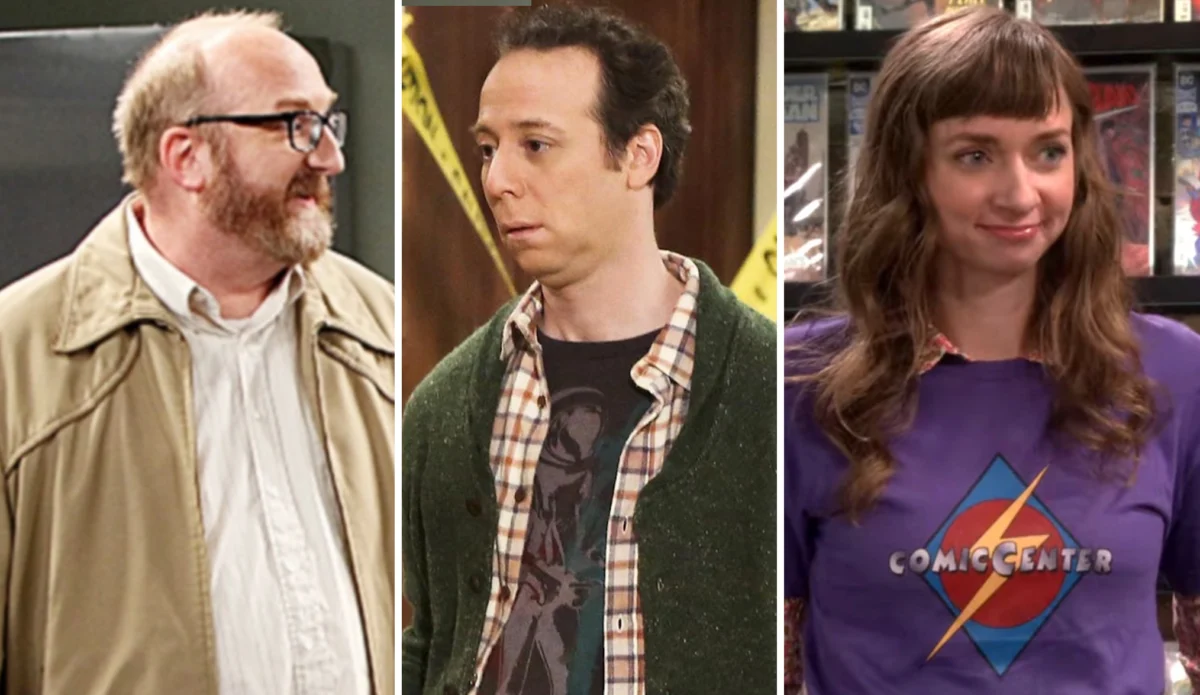
As the television landscape continues to lean heavily into established intellectual properties, the expansion of the "The Big Bang Theory" universe has reached a new milestone with the upcoming premiere of its most unconventional spinoff to date. Scheduled to debut on Thursday, July 23, at 9/8c on the Max streaming platform, the series marks a significant departure from the traditional multi-camera sitcom format that defined its predecessor. Instead of the familiar living room banter and cafeteria debates, this new venture plunges the franchise’s most beloved secondary characters into a high-stakes, multi-dimensional science fiction epic. The narrative focuses on Stuart Bloom, the perpetually down-on-his-luck comic book store owner, who finds himself thrust into a role he never sought: the primary defender of the multiverse. Alongside him is a ragtag assembly of "The Big Bang Theory" alumni, including his partner Denise, the geologist Bert Kibbler, and the acerbic physicist Barry Kripke.
The announcement of this series follows years of speculation regarding how Warner Bros. Television and Chuck Lorre Productions would continue the momentum of a franchise that dominated Nielsen ratings for over a decade. Following the conclusion of the flagship series in 2019 and the successful run of the prequel "Young Sheldon," "Stuart Fails to Save the Universe" represents a strategic pivot toward high-concept genre storytelling, blending the character-driven humor of the original show with the expansive "what-if" scenarios of modern science fiction.

The Evolution of the "B-Team"
To understand the stakes of the new series, one must look at the trajectory of the characters who have been elevated from recurring guest stars to protagonists. Stuart Bloom, portrayed by Kevin Sussman, first appeared in the second season of "The Big Bang Theory." Originally introduced as a potential romantic rival to Leonard Hofstadter, Stuart’s character evolved into a symbol of the struggling small business owner and the social outsider within an already outsider group. By the series finale, Stuart had achieved a rare moment of stability, having successfully revitalized his comic book store and entered a committed relationship with Denise (Lauren Lapkus).
Denise’s introduction in Season 11 provided a crucial turning point for Stuart. As the assistant manager of the comic book store, she matched Stuart’s niche expertise and social awkwardness, creating a partnership that grounded the character’s often-tragicomic arc. The new series picks up their story in the aftermath of their decision to move in together, a milestone that was established in the penultimate episodes of the original series.
Joining them are Bert Kibbler and Barry Kripke, two characters who provided essential world-building for the academic environment of Caltech in the original show. Bert, the gentle giant and award-winning geologist played by Brian Posehn, represents the often-overlooked "soft sciences" within the group’s hierarchy. His last canonical appearance saw him volunteering to watch Raj Koothrappali’s dog, Cinnamon, a lonely gesture that underscored his perpetual search for connection. Barry Kripke, the speech-impaired physicist and perennial antagonist to Sheldon Cooper played by John Ross Bowie, brings a necessary friction to the ensemble. Kripke’s inclusion suggests that the new series will maintain the cynical, competitive edge that defined the professional lives of the characters at Caltech.

A Multiverse Grounded in Scientific Theory
While "The Big Bang Theory" frequently referenced the "Many-Worlds Interpretation" of quantum mechanics through Sheldon Cooper’s whiteboard equations, "Stuart Fails to Save the Universe" makes these theoretical concepts literal. The premise involves a cosmic anomaly that links Stuart’s comic book store to various parallel realities. In these alternate dimensions, the laws of physics—and the fates of the main characters—vary wildly, requiring the group to utilize their specific, if niche, skill sets to prevent a total reality collapse.
Industry analysts suggest that this shift into the "multiverse" subgenre is a calculated move by Max to compete with large-scale franchises like the Marvel Cinematic Universe or "Rick and Morty." By utilizing characters who are already familiar to millions of viewers, the network reduces the "onboarding" time for new audiences while offering a fresh hook for longtime fans. The inclusion of Wil Wheaton, playing a heightened version of himself, further bridges the gap between the show’s reality and the broader geek culture it celebrates. Wheaton’s character, who transitioned from a "frenemy" of Sheldon to a trusted mentor and officiant, serves as the group’s guide through the meta-commentary of their own adventure.
Production Timeline and Development Context
The development of "Stuart Fails to Save the Universe" has been a closely guarded secret within Warner Bros. Discovery. Production reportedly began in late 2024, following the final season of "Young Sheldon." The decision to move the project to Max rather than a traditional broadcast network like CBS reflects the changing priorities of media conglomerates, who are increasingly prioritizing "tentpole" content for their streaming services to drive subscriptions.

The series is produced by Chuck Lorre Productions in association with Warner Bros. Television. While Lorre remains an executive producer, the day-to-day creative direction has reportedly been shared with writers who have backgrounds in both traditional sitcoms and serialized science fiction. This hybrid approach is intended to ensure that the show retains the "DNA" of the original series—specifically the rapid-fire dialogue and situational comedy—while handling the visual effects and pacing required for a multiverse adventure.
Supporting Data and Franchise Reach
The commercial viability of this spinoff is backed by significant data regarding the "The Big Bang Theory" brand’s enduring popularity. According to streaming data from 2023 and 2024, "The Big Bang Theory" consistently remains in the top five most-watched acquired series on streaming platforms globally.
- Global Syndication: The original series is currently broadcast in over 200 territories.
- Prequel Success: "Young Sheldon" maintained an average of over 7 million viewers per episode during its final season, proving that audiences were willing to follow the brand into different formats and time periods.
- Character Popularity: Internal surveys conducted by the studio reportedly showed that Stuart Bloom and Barry Kripke were among the most requested characters for expanded storylines, largely due to their relatability and the untapped potential of their backstories.
Official Reactions and Industry Implications
While official statements from the cast have been limited due to non-disclosure agreements, Kevin Sussman has previously expressed his fondness for the character of Stuart in various interviews. "Stuart is a survivor," Sussman noted during a retrospective panel in 2023. "He’s been through fires, financial ruin, and social isolation, but he always finds a way to keep the store open. That kind of resilience makes him an interesting hero, even if he’s an accidental one."

Lauren Lapkus has also hinted at the dynamic between Stuart and Denise in this new context, suggesting that their relationship remains the emotional core of the show despite the fantastical surroundings. "What makes it work is that they are two people who finally found each other in a world that didn’t always make sense to them," Lapkus said. "Now, they’re in a multiverse that literally doesn’t make sense, and they only have each other to rely on."
Television critics view this move as a litmus test for the "extended universe" model of sitcoms. While spinoffs like "Frasier" or "Better Call Saul" have successfully taken side characters and placed them in new environments, "Stuart Fails to Save the Universe" is unique in its total genre shift. If successful, it could pave the way for other networks to experiment with radical tonal changes for their established IPs.
Broader Impact and Future Outlook
The premiere of "Stuart Fails to Save the Universe" on July 23 comes at a time when the "nerd culture" celebrated by the original show has become the dominant global monoculture. By placing Stuart—the quintessential comic book fan—at the center of a story that mirrors the very comic books he sells, the show completes a full-circle narrative arc for the franchise.

The series also addresses a long-standing critique of the original show: the perceived lack of agency for its secondary characters. By removing the "main" group of Leonard, Sheldon, Penny, Howard, and Raj from the immediate narrative, the spinoff allows characters like Bert and Kripke to develop beyond their roles as punchlines or obstacles for the protagonists.
As the television industry looks toward the latter half of the decade, the success of this series will likely determine the future of the "The Big Bang Theory" brand. With rumors of other projects in development, including potential limited series focusing on other peripheral characters, the stakes for Stuart Bloom have never been higher. He may fail to save the universe within the fictional narrative of the show, but for the studio and the fans, the hope is that he succeeds in carrying the legacy of one of television’s most successful franchises into a new and unpredictable era.