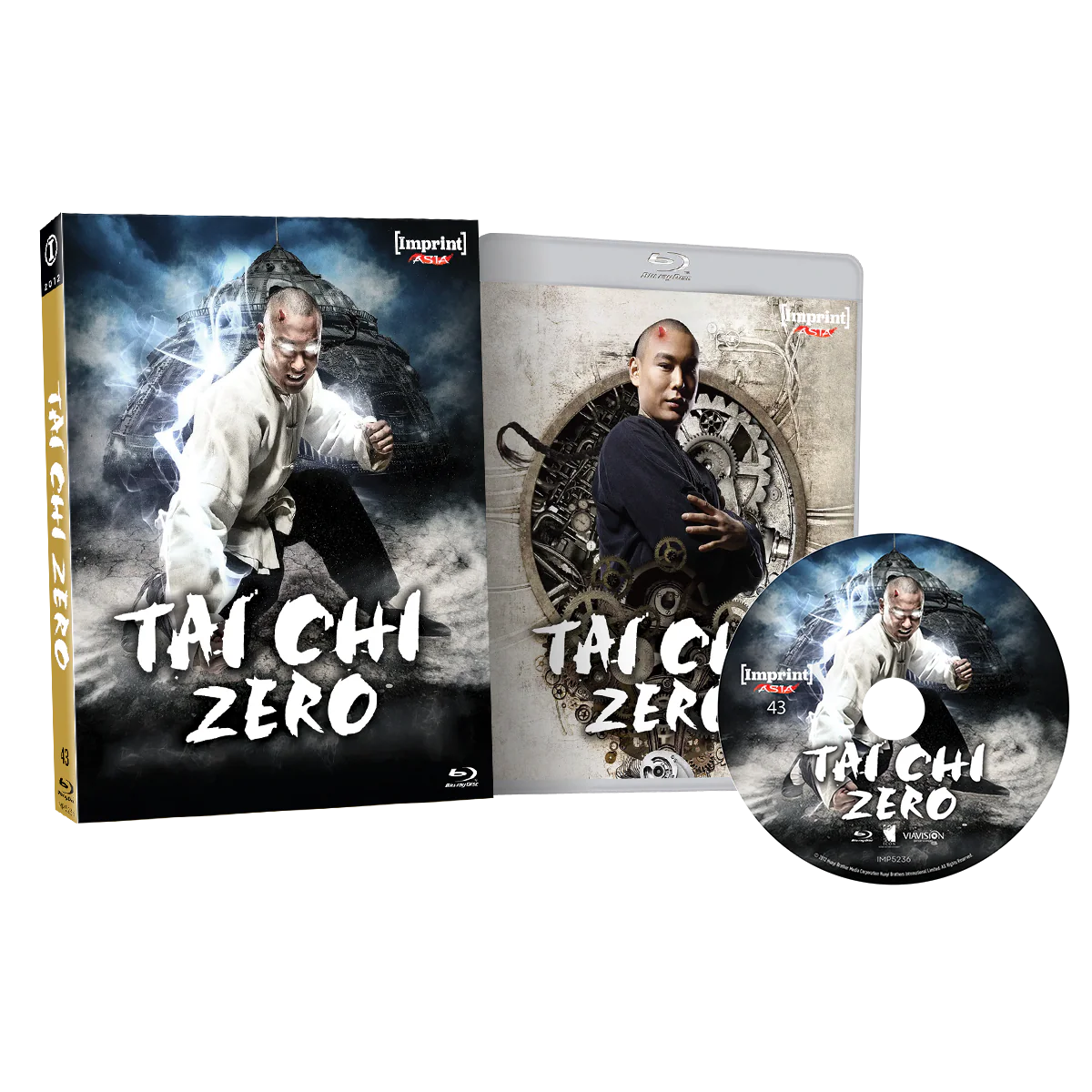
Tai Chi Zero, a 2012 Chinese 3D martial arts epic, marked a pivotal moment in the career of director Stephen Fung and the launch of Diversion Pictures, a production company he co-founded with actor Daniel Wu. Conceived as the inaugural chapter of a grand trilogy, the film was shot consecutively with its immediate sequel, "Tai Chi Hero," signaling an ambitious undertaking in contemporary Chinese cinema. While a third installment, "Tai Chi Summit," was planned, its production has yet to materialize, leaving the narrative arc incomplete. The film’s storyline offers a richly fictionalized account of how Chen-style tai chi, a martial art traditionally guarded within the Chen family, might have first disseminated beyond its ancestral village. This narrative blends genuine historical inspiration with imaginative fantasy elements and a distinctly modern visual aesthetic, aiming to revitalize the wuxia genre for a new generation. A notable aspect of its production was the introduction of wushu champion Jayden Yuan in his cinematic acting debut, positioning him as a burgeoning talent in martial arts cinema. Yuan joined an impressive ensemble cast featuring prominent names such as Angelababy, Eddie Peng, Shu Qi, and veteran actor Tony Leung Ka-fai, creating a powerful synergy of emerging and established stars.
Production and Initial Reception
The film’s journey began with significant international exposure, premiering as an official selection at prestigious global film festivals. These included the Venice Film Festival, one of the oldest and most respected film events worldwide, the Toronto International Film Festival, a key platform for North American distribution and critical acclaim, and the Busan International Film Festival, a leading cinematic event in Asia. Such high-profile selections underscored the film’s artistic ambition and its potential to resonate with diverse international audiences. Commercially, "Tai Chi Zero" achieved solid performance within the highly competitive Chinese domestic market, benefiting from its high-concept spectacle, innovative visual effects, and broad appeal across demographic segments. Its unique hybrid style, blending traditional martial arts with steampunk aesthetics and contemporary filmmaking techniques, also garnered substantial attention internationally, indicating a successful crossover appeal beyond its primary market.
Narrative Core: The Journey of Yang Lu Chan
At the heart of "Tai Chi Zero" lies the compelling story of Yang Lu Chan, an extraordinary young man colloquially known as "The Freak." Lu Chan is afflicted with a mysterious congenital condition referred to as the "Three Blossoms on the Crown," which manifests as a horn-like growth on his head. This peculiar anomaly grants him immense, almost supernatural strength when physically struck, propelling him into a berserk state where he fights with uncontrollable ferocity. However, this formidable power comes at a severe cost to his health, threatening his very life. His traumatic early life includes the loss of his mother and subsequent conscription into the Divine Truth Cult, a militaristic organization. Under the tutelage of Lao Zhao, Lu Chan evolves into a formidable warrior, albeit one whose unique abilities are exploited for military advantage.
The narrative takes a critical turn when a medical professional reveals the dire consequences of his continued reliance on this berserk state: it will ultimately lead to his demise. Lu Chan is advised that his only hope for salvation lies in Chen Village, a secluded and legendary enclave renowned as the birthplace and guarded sanctuary of Chen-style tai chi. This advice propels him on a desperate quest, marking the beginning of his true martial arts journey.
Challenges in Chen Village
Upon his arrival at Chen Village, Lu Chan is met with immediate and unwavering rejection. The sacred martial art of Chen-style tai chi is strictly forbidden to outsiders, a tradition fiercely upheld by the villagers. Despite facing repeated defeats, public humiliation, and constant rebuffs from the insular community, Lu Chan’s indomitable persistence shines through. He demonstrates a remarkable and unique ability to learn by mere observation, gradually mimicking and internalizing the complex tai chi techniques he witnesses. This innate talent for imitation becomes a cornerstone of his character development and his eventual path to mastery.
Concurrently, internal tensions within Chen Village begin to escalate dramatically with the unexpected return of Fang Zijing. A former resident of the village, Zijing had been ostracized and subsequently embraced Western culture and technology, becoming a successful engineer. Driven by a thirst for revenge against the village that cast him out, he returns armed with a formidable, steam-powered war machine named "Troy." Backed by foreign interests and their technological might, Zijing poses an existential threat, vowing to raze Chen Village to the ground. As Lu Chan struggles to earn acceptance and master the intricate art of tai chi, he finds himself inextricably entangled in this brewing conflict. His personal quest for survival and acceptance merges with the imperative to protect the village from annihilation, forcing him to prove his worth and, in doing so, gain access to the ancient knowledge that could ultimately save his life. This dual struggle forms the dramatic core of the film, intertwining personal destiny with the fate of an entire community.
An Ensemble Cast of Martial Arts Luminaries
One of "Tai Chi Zero"’s most impressive aspects is its extraordinarily rich and diverse cast, a veritable who’s who of martial arts cinema, particularly from the Hong Kong tradition. Beyond the leading talents like Angelababy, Eddie Peng, Shu Qi, and Tony Leung Ka-fai, the film features a remarkable roster of wuxia veterans whose presence elevates the production. These include legendary figures such as Fung Hak-on, Stanley Fung, Bruce Leung Siu-lung, and Andrew Lau. The film even employs a distinctive narrative device, introducing these venerable figures with intertitles that highlight their significant accolades and contributions to cinema. For instance, Andrew Lau is notably referenced as the celebrated director of the iconic crime thriller "Infernal Affairs," a detail that immediately establishes his prestige and the film’s reverence for its cinematic heritage.
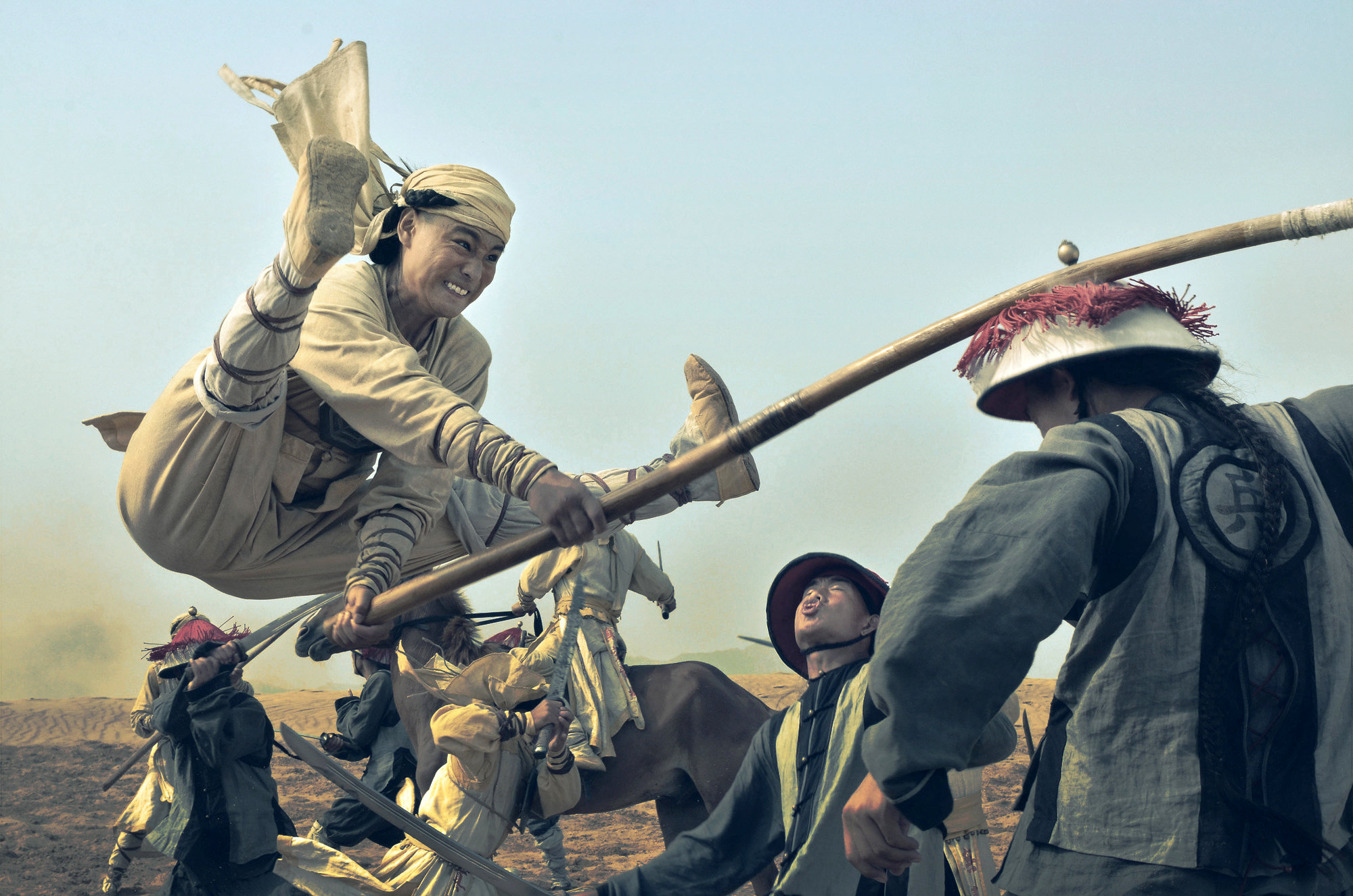
Crucially, the action choreography was helmed by the legendary Sammo Hung, whose unparalleled expertise in martial arts filmmaking is evident throughout. Hung’s involvement alone signals a commitment to high-quality action sequences. However, accommodating such a large and illustrious ensemble within the framework of a Hong Kong-style wuxia production presented inherent narrative challenges. The film’s storyline, while ambitious, occasionally struggles to cohere, unfolding in an episodic manner with several loosely connected arcs. This results in a narrative structure that, despite its individual highlights, can feel somewhat disjointed and messy overall.
Thematic Depth and Artistic Choices
The film’s action choreography, under Sammo Hung’s direction, displays a certain unevenness, characterized by shifts between comedic sequences reminiscent of Stephen Chow’s signature style and more serious, dramatic martial arts confrontations. While this blend aims for variety, the results are mixed, occasionally disrupting the film’s overall tone despite Hung’s usually reliable presence. The integration of the massive steam-powered war machine, Troy, introduces a distinct entertainment factor, injecting a steampunk sensibility into the traditional wuxia setting. While inherently illogical from a purely historical standpoint, Troy effectively serves as a visual spectacle and a powerful symbol, opening avenues for thematic commentary.
The most prominent and compelling theme explored in "Tai Chi Zero" is the clash between tradition and progress. This fundamental conflict is further juxtaposed with the broader contrast between Chinese and Western values, creating an appealing antithesis that underpins and sustains the narrative for much of its duration. The traditional, insular world of Chen Village, with its ancient martial art and conservative ethos, stands in stark opposition to Fang Zijing’s Western-influenced technological advancements and modern ambition. This ideological battle is enriched by a romantic subplot involving Fang Zijing and Chen Yu Niang (Angelababy), which not only enhances the entertainment value but also allows for a more nuanced and substantial exploration of the characters portrayed by Eddie Peng and Angelababy, adding personal stakes to the grander societal conflict.
Performances and Production Values
While deep characterization may not be the film’s primary focus, several performances are particularly commendable. Xiaochao Yuan delivers a convincing portrayal of Yang Lu Chan, embodying the protagonist’s kind-hearted nature, unwavering determination, and unique learning ability. Tony Leung Ka-fai, in the pivotal role of the mentor figure, the village head, stands out with his commanding presence and nuanced performance, lending gravitas to the traditional values he represents. Shu Qi, despite her brief appearance, is effective in her role, contributing to the narrative’s emotional beats. Stanley Fung performs solidly as one of the key representatives of tradition within the village elders, further anchoring the film’s thematic core.
In terms of production values, "Tai Chi Zero" is undeniably polished, showcasing a high level of technical craftsmanship even beyond its 3D presentation. Cinematographer Lai Yiu-Fai’s work is impressive, capturing the film’s diverse settings with striking visual flair and crafting a multitude of memorable images. These visuals are significantly enhanced by well-integrated CGI, which seamlessly blends with practical effects to create a visually rich world. The film also employs a distinctive video game-like aesthetic that appears throughout, adding a playful and contemporary layer to the storytelling, particularly in its action sequences. A notable artistic choice is the flashback sequence detailing Yang Lu Chan’s past, which is presented in a charming and evocative silent movie style, demonstrating the film’s willingness to experiment with diverse cinematic forms. The editing, managed by a team of multiple editors, contributes to a fast-paced and dynamic rhythm, characterized by frequent, abrupt cuts. This rapid editing not only keeps the narrative moving with energy but also effectively helps to mask some of the film’s structural inconsistencies, maintaining audience engagement despite the episodic nature of the plot.
Broader Impact and Legacy
"Tai Chi Zero" emerged during a period when Chinese cinema was increasingly seeking to innovate within established genres, particularly martial arts films. The decision to shoot the first two installments of a trilogy back-to-back ("Tai Chi Hero" released later in 2012) was a bold move, reflecting a confidence in the project’s vision and commercial viability. This approach, while logistically challenging, allowed for a cohesive aesthetic and narrative flow across the initial two films. The film’s hybrid style—melding traditional wuxia elements with steampunk, comedic touches, and a contemporary visual language—was a deliberate attempt to appeal to a younger, globally-minded audience accustomed to diverse media forms like video games.
The unfulfilled promise of "Tai Chi Summit" suggests that while the first two films gained attention and performed solidly, they might not have achieved the overwhelming commercial or critical success required to greenlight the ambitious conclusion. This is not uncommon in the film industry, where even well-received initial installments can face challenges in completing a planned series. Nevertheless, "Tai Chi Zero" served its purpose in launching Diversion Pictures and establishing Stephen Fung’s distinct directorial voice in the martial arts genre. It also provided a significant platform for Jayden Yuan, whose wushu background lent authenticity to his performance, even if his acting career didn’t immediately skyrocket to superstardom.
The film’s exploration of the "tradition vs. progress" theme resonates deeply within modern China, a society rapidly evolving while simultaneously cherishing its ancient heritage. The conflict between Chen Village’s ancestral ways and Fang Zijing’s Western-influenced technology acts as a microcosm for broader societal debates. This thematic depth, coupled with its innovative visual style, positions "Tai Chi Zero" as more than just an action spectacle; it is a commentary on cultural identity in a globalized world.
Ultimately, "Tai Chi Zero" occupies an interesting space in martial arts cinema. While some critical assessments might place it in the "so bad it’s good" category due to its narrative quirks and tonal shifts, it unequivocally remains an entertaining spectacle. Its enduring appeal is primarily attributed to the formidable star power of its cast, whose collective talent elevates the material, and its impressively distinctive visual approach. The film’s bold attempt to redefine and modernize the wuxia genre, even with its imperfections, marks it as a memorable entry in the landscape of Chinese martial arts cinema, showcasing an innovative spirit and a commitment to pushing cinematic boundaries.