Amsterdam-based filmmaker Aldo Agaatsz, founder of Peper Film, has garnered significant attention with his latest short film, "Sudah," which premiered at the Netherlands Film Festival (NFF) 2025. Known for his evocative explorations of social issues and identity, Agaatsz continues to build on his established reputation, previously highlighted by works such as "Elements" (2022). "Sudah" marks another compelling chapter in his cinematic journey, offering a nuanced look at cultural heritage, family dynamics, and the complexities of identity within the Indonesian diaspora.
Unpacking ‘Sudah’: A Narrative of Heritage and Revelation
"Sudah" centers on Senna, a young woman living in the Netherlands, as she meticulously packs an overflowing suitcase brimming with Dutch souvenirs – notably cheese and chocolates – in preparation for a journey to Indonesia. Her objective: to unearth her Manadonese roots. This pilgrimage is met with a visible reluctance from her mother, who, while preparing a farewell dinner, repeatedly declines Senna’s heartfelt invitations to accompany her. Senna’s insistence, driven by a desire for her mother to confront and share her past, forms a central tension throughout the initial scenes. The mother’s persistent refusal, coupled with a noticeable tension from Senna at the mention of a guest named David joining for dinner, immediately establishes a complex web of unspoken histories.
The family dinner scene serves as a pivotal moment, opening with a Christian prayer, underscoring the family’s religious adherence. As relatives offer conventional sightseeing advice, Senna’s persistent inquiries about her past are met with her mother’s continued dismissiveness. A photograph of Senna’s father in Manado intensifies the mother’s discomfort, culminating in an emotional outburst. This raw display of pain and suppressed memory acts as a catalyst, prompting Senna to reveal her own deeply guarded secret. This revelation, strategically placed within the narrative, ultimately bridges the emotional chasm between mother and daughter, leading to a profound, albeit somewhat abruptly achieved, moment of familial reconciliation.
Thematic Depth: Faith, Identity, and Generational Divides
Aldo Agaatsz meticulously weaves together several profound themes within the 19-minute runtime of "Sudah." A primary focus is the spotlight on one of Indonesia’s less frequently depicted Christian communities – that of Manado, North Sulawesi – within the context of the world’s most populous Muslim-majority nation. This aspect is primarily conveyed through subtle yet powerful cultural markers: the communal preparation and consumption of food, specific customs, and overt religious practices like the family prayer. The film skillfully uses these elements to ground the narrative in a specific cultural reality, providing viewers with a window into a distinct facet of Indonesian identity.
Beyond cultural specificity, "Sudah" is a poignant exploration of the often-fraught relationship between a first-generation diaspora member and their immigrant parent. The tension between Senna and her mother is not merely a plot device but a reflection of universal struggles concerning heritage, assimilation, and the transmission of cultural memory. Senna’s journey to reconnect with her Manadonese roots is emblematic of a broader quest for self-discovery, often undertaken by individuals straddling two distinct cultural worlds. Her mother’s resistance, initially presented as dismissiveness, gradually reveals itself as a protective mechanism, shielding deeply buried pain and perhaps a desire to move forward unburdened by past trauma. The film suggests that while the past can be a source of discomfort, it is also an indispensable component of understanding one’s present and future.
The central mystery surrounding the mother’s past and Senna’s subsequent revelation serves as a potent focal point, shifting the film’s emotional landscape. While the abruptness of this twist has been noted as a minor structural challenge, its impact as a catalyst for emotional transformation is undeniable. It underscores Agaatsz’s commitment to exploring complex human emotions and the intricate ways in which secrets, when unveiled, can reshape familial bonds.
A Deeper Look at Manado and the Indonesian Diaspora
To fully appreciate the cultural nuances within "Sudah," it is essential to understand the specific context of Manado and the broader Indonesian diaspora in the Netherlands. Manado, the capital of North Sulawesi, is renowned for its vibrant culture and a significant Christian population, a distinct demographic feature within Indonesia. Historically, the Dutch colonial presence in Indonesia fostered particular ties, and post-independence, economic and social factors led to a substantial Indonesian diaspora in the Netherlands. This community often grapples with questions of dual identity, the preservation of ancestral customs, and the integration into Dutch society.
For many within the diaspora, food is not merely sustenance but a powerful cultural touchstone, a tangible link to their heritage. The film’s emphasis on food preparation and consumption, particularly through the lens of Dionne Cats’ cinematography, resonates deeply with this reality. It signifies continuity, comfort, and the passing down of traditions across generations. The decision to highlight a Christian family in this context is also significant, as it challenges monolithic perceptions of Indonesian identity and underscores the nation’s rich religious diversity, often overlooked in mainstream media portrayals. This deliberate choice by Agaatsz speaks to a broader ambition to represent marginalized or underrepresented narratives, aligning with his stated interest in social issues.
The Craft Behind the Camera: Cinematography, Editing, and Performance
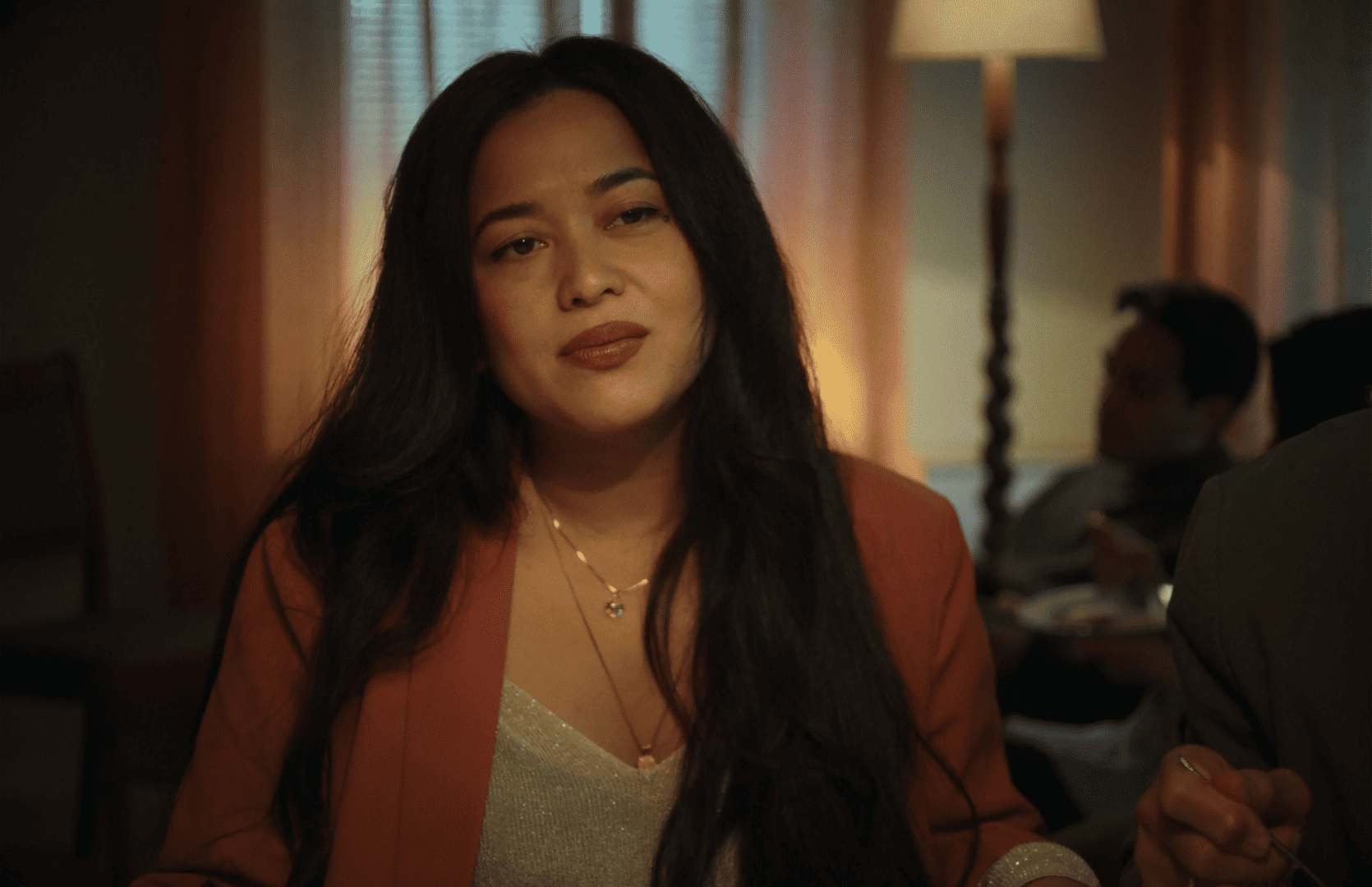
Despite its concise runtime, "Sudah" is lauded for its strong technical execution and compelling performances. Dionne Cats’ cinematography, particularly in its portrayal of food and its preparation, has been highlighted as exceptional. The visual language employed by Cats utilizes strong color palettes, creating a warm, intimate, and often tactile experience for the viewer. This artistic choice not only enhances the aesthetic appeal of the film but also serves a crucial narrative function, imbuing the domestic setting with a sense of cultural richness and emotional depth. The meticulous framing of culinary processes transforms everyday actions into moments of significant cultural expression and familial bonding.
Richelle van Loon’s editing contributes significantly to the film’s narrative drive. The relatively fast pace, while necessitated by the short film format, efficiently compresses a substantial amount of narrative and thematic material into its 19-minute duration. This brisk rhythm helps maintain viewer engagement, allowing the emotional beats to land effectively without overstaying their welcome. The challenge of conveying complex character arcs and thematic explorations within such a limited timeframe is a testament to the editor’s skill in prioritizing and impactful sequencing.
The performances by the lead actors are central to the film’s emotional resonance. Denise Aznam delivers a convincing portrayal of Senna, capturing her inner struggle, determination, and vulnerability with remarkable authenticity. Her performance effectively communicates the weight of her quest for identity and the burden of her secret. Rim Kawuwung, as the mother, offers a nuanced depiction of motherhood, navigating both its protective and sometimes challenging aspects. Her ability to convey deep-seated discomfort, resistance, and ultimately, a complex emotional release, adds significant depth to the film’s central conflict. Together, their performances anchor the film’s emotional core, making the familial drama feel deeply personal and relatable.
The Short Film Format: Challenges and Opportunities
"Sudah" exemplifies both the strengths and inherent limitations of the short film format. At 19 minutes, it offers a concentrated, impactful narrative, allowing for a focused exploration of specific themes and character moments. This brevity often forces filmmakers to be highly economical with their storytelling, relying on visual cues, subtext, and strong performances to convey depth. However, as noted in the critical reception, the ambition of Agaatsz’s thematic scope – encompassing identity, generational trauma, religious minority representation, and familial secrets – could have benefited from a longer duration. More time would potentially allow for a more gradual build-up to the central twist, deeper exploration of the characters’ internal worlds, and a more explicit resolution of the film’s core mystery.
Despite these constraints, short films play a crucial role in the cinematic landscape. They serve as vital platforms for emerging talent like Aldo Agaatsz to hone their craft, experiment with narrative forms, and gain recognition at prestigious festivals. For audiences, they offer accessible, thought-provoking content that can often be more experimental or niche than mainstream feature films. The success of "Sudah" at NFF 2025 underscores the enduring value of this format in showcasing diverse voices and compelling storytelling.
The Netherlands Film Festival: A Platform for Innovation
The Netherlands Film Festival (NFF), where "Sudah" premiered in 2025, is a significant cultural event in Europe, celebrating Dutch cinema and providing a vital platform for both established and emerging filmmakers. Held annually in Utrecht, the NFF showcases a diverse range of productions, from feature films and documentaries to short films and interactive media. Its programming often highlights works that engage with contemporary social issues, cultural identity, and innovative storytelling techniques.
The selection of "Sudah" for its premiere at NFF 2025 is a testament to the film’s artistic merit and its resonance with the festival’s ethos. For Aldo Agaatsz and Peper Film, this premiere represents a significant milestone, providing international exposure and validating their commitment to meaningful storytelling. The festival environment fosters critical discussion, networking opportunities, and a broader appreciation for the nuances of Dutch and international co-productions.
Broader Implications and Future Prospects
"Sudah," despite the desire for slightly more duration, emerges as a competently shot and emotionally resonant work. Its strength lies particularly in its striking cinematography and compelling acting, which elevate the narrative beyond its concise runtime. The film contributes meaningfully to the ongoing discourse surrounding identity, diaspora experiences, and the representation of diverse cultural and religious communities.
For Aldo Agaatsz, "Sudah" solidifies his position as a filmmaker dedicated to exploring complex human experiences with sensitivity and artistic integrity. The film’s success at NFF 2025 will undoubtedly open doors for future projects, potentially allowing him to explore his themes with greater breadth and depth in longer formats. His ability to distill profound narratives into a short film speaks volumes about his storytelling prowess and his potential to become a significant voice in contemporary cinema. "Sudah" is not merely a film about a family secret or a cultural journey; it is a testament to the enduring human need to understand one’s past to fully embrace one’s present and future, offering a poignant reflection on what it means to truly belong.