Renowned for his distinctive visual style, veteran Korean director Lee Myung-se recently offered profound insights into his filmmaking philosophy, his collaborative career, and the state of contemporary Korean cinema. His reflections came during the Jeonju International Film Festival, where a retrospective honored beloved actor Ahn Sung-ki, and one of Lee’s lesser-known works, "Bitter and Sweet" (also known as "Affliction of Man"), was screened. The director also shed light on his latest and highly ambitious project, "Ran 12.3," his inaugural documentary feature, currently captivating audiences in Korean theaters.
Lee Myung-se’s journey in cinema began as an assistant director under the tutelage of Bae Chang-ho, a formative experience that paved the way for his directorial debut with "Gagman" in 1989. His singular approach quickly garnered international acclaim, notably with the 1999 crime thriller "Nowhere to Hide," which premiered at the Sundance International Film Festival and earned significant global attention for its innovative visual aesthetics and dynamic narrative. This success cemented his reputation as a director unafraid to push cinematic boundaries. His filmography further expanded with critically recognized works such as the historical action epic "Duelist" (2005), the mystery drama "M" (2007), "Can’t Live Without You" (2017), and the recent 2024 release "The Killers," a collaborative effort with fellow directors Jang Hang-jun, Kim Jong-kwan, and Deok Noh.
A Retrospective and the Legacy of Ahn Sung-ki
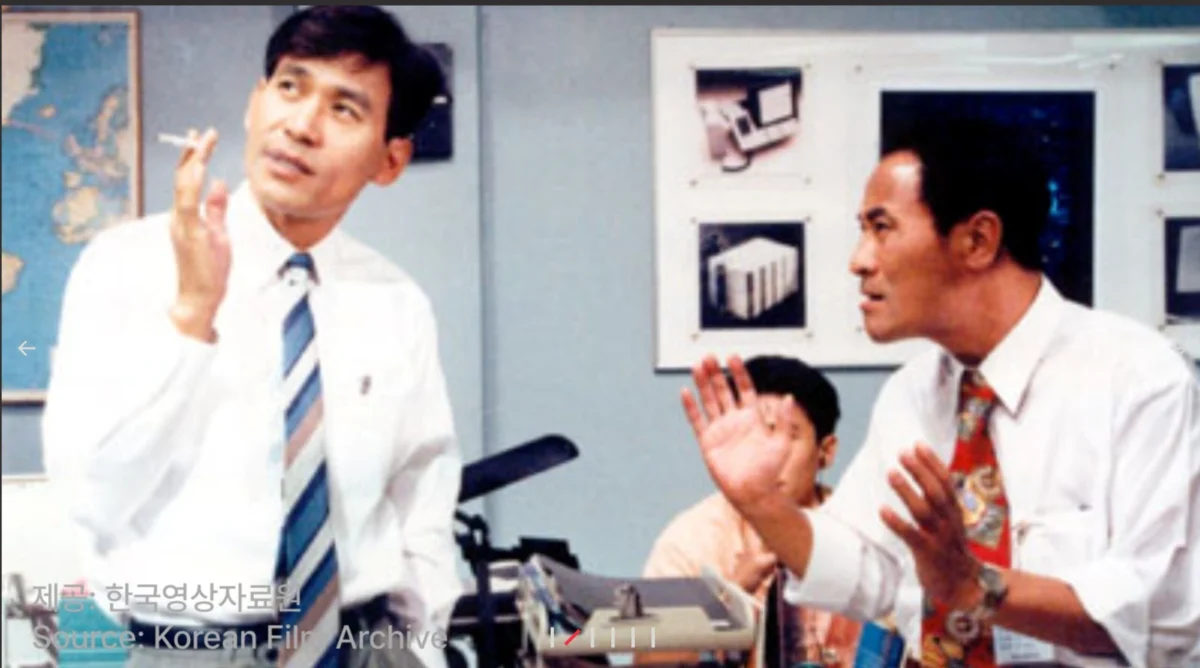
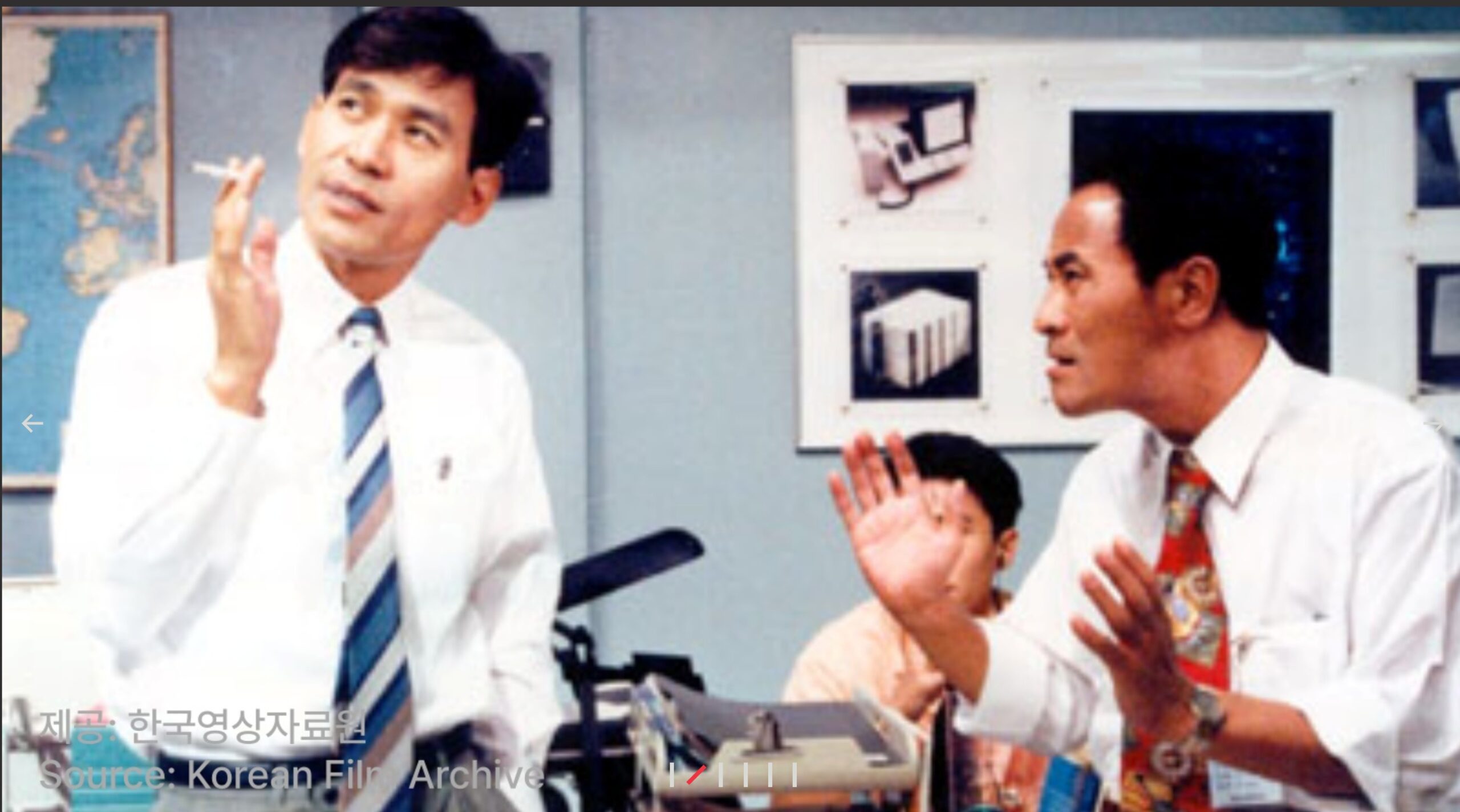
The Jeonju International Film Festival’s decision to honor Ahn Sung-ki with a dedicated retrospective underscored the actor’s monumental impact on Korean cinema. Lee Myung-se’s professional and personal connection with Ahn, who passed away prematurely, formed a significant part of their discussion. Lee described Ahn Sung-ki as an exceptionally cooperative and inspiring actor, a stark contrast to the common challenges directors face in handling talent. His early experience as an assistant director, directing a then-already established star like Ahn, instilled immense confidence in his abilities, a foundation that supported his subsequent work with other actors.
Recalling the production of "Bitter and Sweet," Lee emphasized the unique partnership he shared with Ahn Sung-ki. In this ensemble cast film, Lee delegated the role of actor leader to Ahn, fostering a collaborative environment akin to a "high school club." Actors would collectively brainstorm, rehearse, and present multiple options for scenes, allowing Lee to focus on the film’s aesthetic elements—lighting and camera movement—which were often constrained by limited time and resources. This delegation, Lee recounted, worked "like magic," transforming their professional relationship into one akin to family, mirroring the boisterous and collaborative spirit he admired in Italian Neorealism. The loss of Ahn Sung-ki, Lee lamented, represented the shattering of a certain collaborative ethos that once defined the industry.
Mentorship and Evolving Industry Dynamics
Lee Myung-se’s early career was significantly shaped by his mentorship under Bae Chang-ho, a relationship that also extended to co-writing "Our Joyful Young Days." Lee fondly recalled taking on immense responsibilities as an assistant director, striving to be "the greatest," which afforded him invaluable opportunities to direct actors even before his debut. He credits both Bae Chang-ho and Ahn Sung-ki with providing a "soft landing" into his directorial career, fostering an environment of equal partnership rather than a strict top-down hierarchy.
However, Lee expressed concerns about the feasibility of replicating such collaborative dynamics in today’s film industry. While he personally strives to cultivate similar environments with his long-term collaborators, such as composer Jo Seong-woo and his editor, he noted that contemporary "social norms" often lead younger generations to perceive such intense engagement as an "overstepping" of personal boundaries. This shift, he suggested, reflects a broader change in professional relationships within the industry.
The Essence of Cinema: A Pursuit of Love
Often lauded as one of Korean cinema’s most distinctive visual stylists, Lee Myung-se was particularly moved by a question probing the fundamental essence of his filmmaking—what truly drives his creative instinct and where a film transcends into art. He expressed surprise that such questions about the core purpose of cinema are rarely asked in Korea today, contrasting it with discussions among younger filmmakers that he perceives as overwhelmingly centered on "money" and "box office." This, he asserted, signals a significant "crisis of Korean cinema."
For Lee, the essence of cinema aligns with the ultimate purpose of art: "love." Drawing inspiration from Chapter 13 of Corinthians, he passionately articulated that just as all endeavors are in vain without love, so too is cinema meaningless without it. Love, in his view, is the fundamental driving force and ultimate objective of artistic creation.
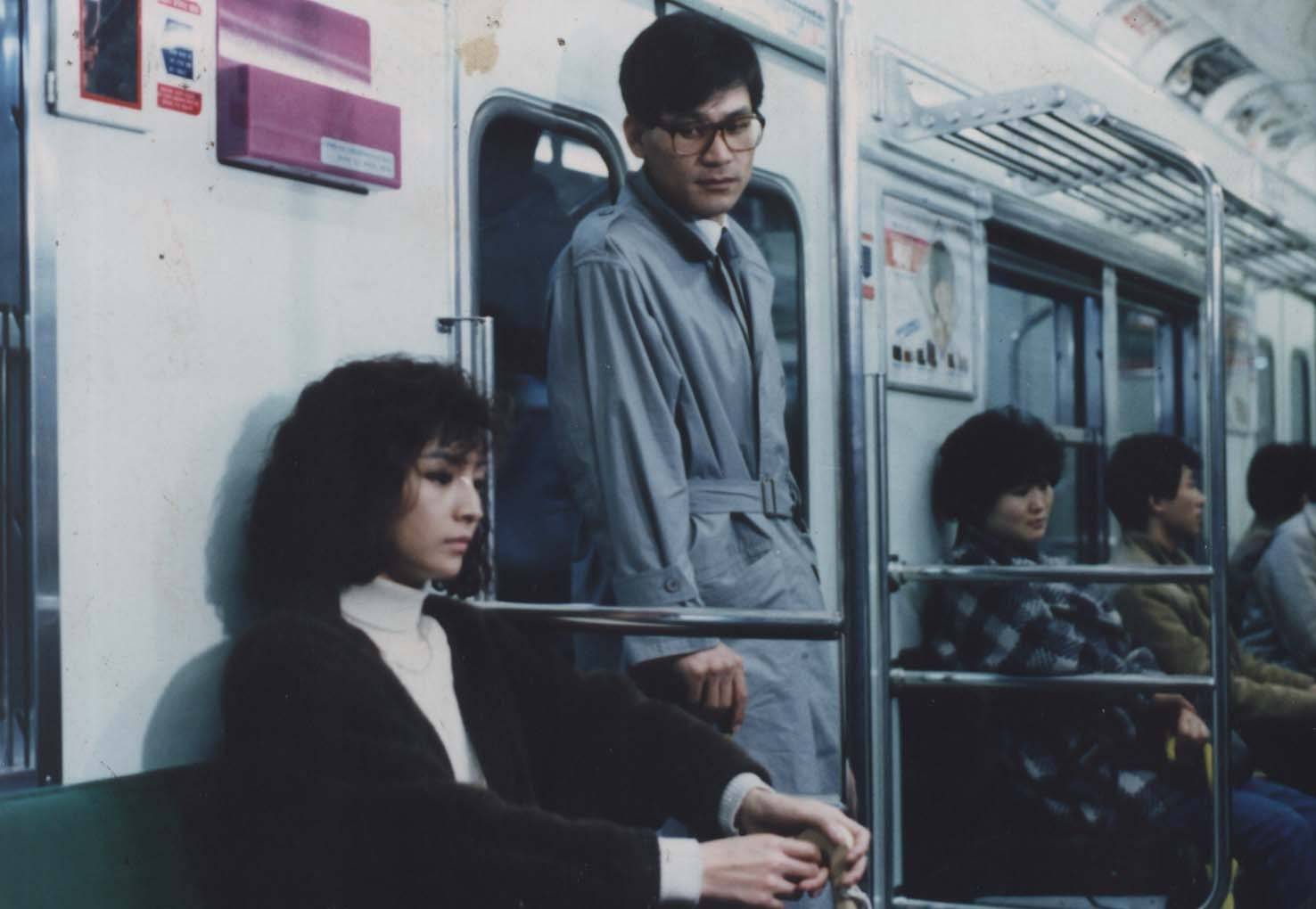
Paradoxically, when confronted with the seemingly commercial considerations behind "The Killers," a film he co-directed with an "eye on the box office," Lee offered a nuanced perspective. He likened aiming for box office success to writing a "love letter" and wishing for it to be received and read by as many people as possible. Just as a letter left unopened serves no purpose, a film unviewed cannot convey its message. He cited his third film, "First Love," as an example of a work that found its audience and recognition belatedly, underscoring that impact isn’t always immediate but is always desired.
"Ran 12.3": A Cinematic Reconstruction of History
Lee Myung-se’s latest endeavor, "Ran 12.3," marks his first foray into documentary filmmaking. The film meticulously reconstructs, through a vast archive of footage, a pivotal night that brought South Korea to the brink of democratic collapse—a period marked by the declaration of martial law. This historical event, which saw the military seize power and suppress dissent, remains a deeply significant and traumatic chapter in the nation’s democratic struggle. While the original article references a former president, the historical context strongly points to the events surrounding the 12.12 Coup in 1979 and the subsequent Gwangju Uprising in May 1980, under the leadership of then-General Chun Doo-hwan.
Lee revealed that his experience with "Ran 12.3" taught him that documentary filmmaking is not fundamentally different from narrative features. He drew parallels to his work on "Nowhere to Hide," where he conducted extensive research to depict realistic characters, often finding that real-life events were so dramatic they might seem "too fictional" if directly translated into fiction. With "Ran 12.3," however, the inherent drama of the factual events removed the burden of "convincing the audience." His role, instead, was to craft a cinematic experience that allowed both domestic and international audiences, regardless of prior knowledge, to intuitively grasp the emotions and gravity of what transpired. His ambition was to ensure that such an event "should never happen, not just in Korea, but nowhere else in the world." The film has been met with positive reactions, with audiences praising its accessibility—a notable departure, Lee playfully observed, from the often complex narratives of his previous works. He views "Ran 12.3" as an extension of the creative freedom he began to explore with "The Killers."

Mindful of its international reach, Lee personally oversaw the preparation of an international version of "Ran 12.3." This included redesigning all on-screen inserts to be entirely in English and meticulously crafting the font design to convey specific emotions, ensuring aesthetic integration and intuitive understanding for a global audience.
The Symphony of Sound and the Pursuit of Perfection
Music plays a crucial and distinctive role in Lee Myung-se’s creative process, a collaboration he deeply values with music director Jo Seong-woo. Lee challenges the conventional notion of background music as merely amplifying emotions, instead viewing it as an integral part of the film’s overall soundscape, sometimes even serving a narrative function akin to a voiceover. He illustrated this by differentiating between "performance" and "action" in film, citing Bruce Lee’s movements as a performance—a harmony of images, camera movement, and all other elements converging. Similarly, film music, for Lee, must harmonize with all other cinematic components to create a cohesive experience. He acknowledged that his specific approach means he would "never be able to work with Ennio Morricone," despite admiring his beautiful music, underscoring his unique aesthetic vision.
Reflecting on his extensive body of work, Lee Myung-se sees filmmaking not merely as an ongoing process but as a relentless pursuit of an ultimate goal. Just as a literary writer might dedicate a lifetime to crafting the perfect sentence, he strives to create "that ultimate image that I feel is perfect." This quest for "perfection and completeness" is, for him, an all-consuming endeavor, a profound artistic and almost spiritual aspiration that defines his illustrious career.