The latest installment of Duck Dynasty: The Revival, which aired on May 2 on A&E, provided a multifaceted look into the evolving dynamics of the Robertson family as they navigate the intersection of tradition, education, and the responsibilities of the next generation. Centered on Willie and Korie Robertson’s return to their alma mater and a concerted effort to instill "finisher" mentalities in their adult children, the episode underscored the program’s shift toward legacy-building and the preservation of Southern heritage. As the Robertson clan continues to expand through marriage and adoption, the episode served as a narrative bridge between the family’s storied past and its collegiate future.
Educational Legacies and the Return to Harding University
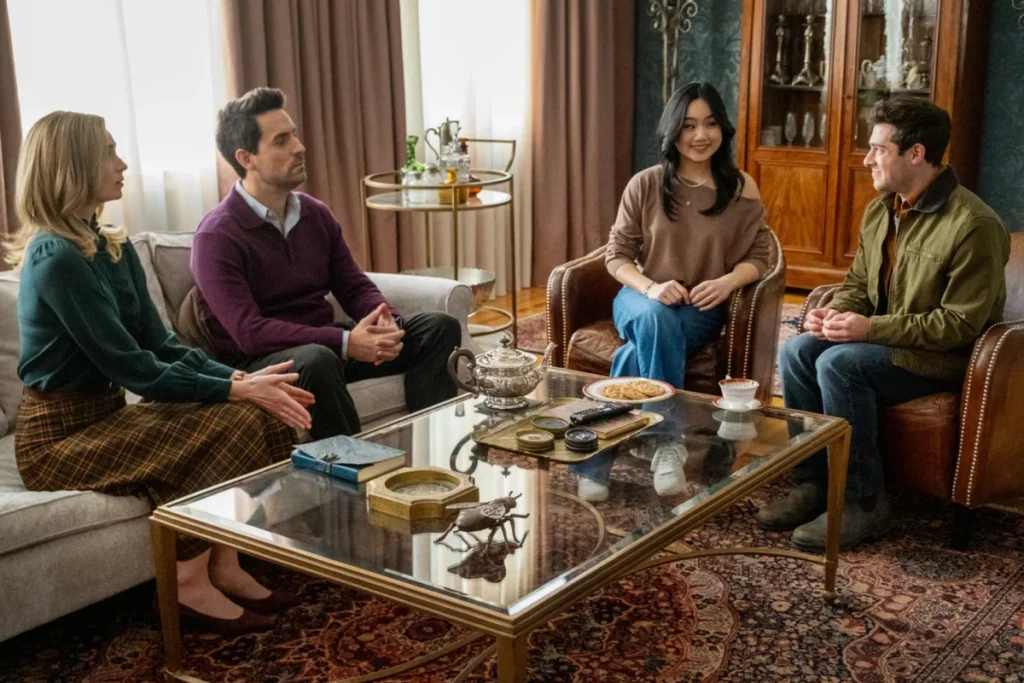
A primary narrative arc of the episode followed Willie and Korie Robertson as they returned to Searcy, Arkansas, to visit the campus of Harding University. The visit was prompted by their youngest son, Rowdy, who was adopted by the couple at age 14 and is now a student at the private Christian institution. The return to Harding was steeped in nostalgia, as both Willie and Korie are alumni of the university, which has long maintained a close relationship with the Robertson family.
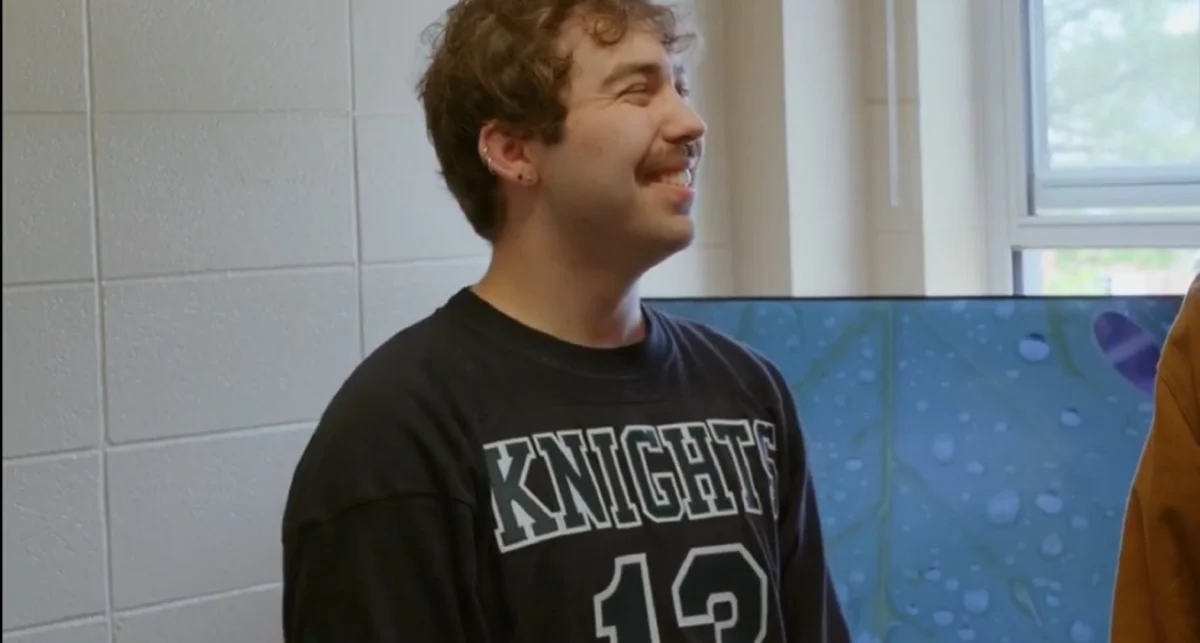
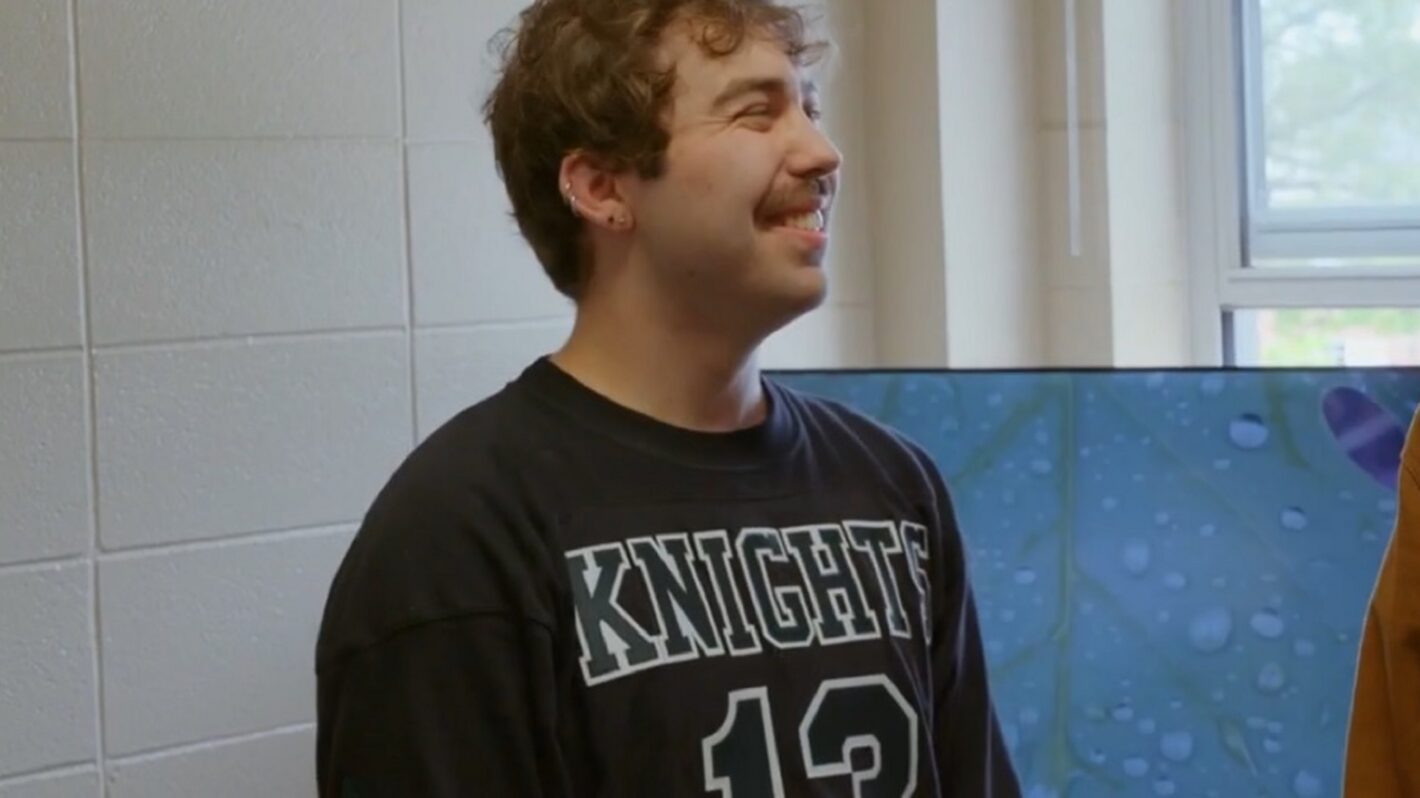
During the visit, the production captured the cultural nuances of Greek life and campus tradition. Rowdy’s fraternity brothers acknowledged Korie Robertson’s status as a prominent alumna by gifting her a custom jersey and performing a traditional serenade. This moment highlighted the generational continuity that the Robertsons have established at the university. Willie Robertson also took the opportunity to visit the intramural athletic center where he played basketball during his undergraduate years. While the CEO of Duck Commander joked about being out of practice, the segment served to humanize the patriarch, showing him reconnecting with his own youth while observing his son’s transition into adulthood.
However, the visit to Harding also sparked a point of contention regarding Willie’s eldest son, John Luke Robertson. Willie expressed visible frustration over the fact that John Luke had not completed his degree, despite being only two courses—or approximately six credit hours—away from graduation. This internal family conflict became a central theme, as Willie sought to transition John Luke from what he termed a "serial un-finisher" to a graduate.
The Strategic Encouragement of John Luke Robertson
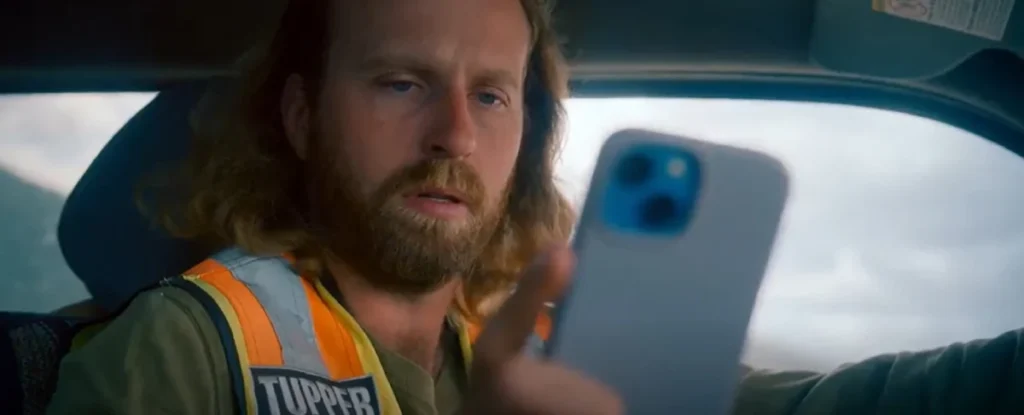
To address John Luke’s incomplete education, Willie Robertson orchestrated a series of events designed to re-enroll his son in higher education, albeit through unconventional means. Enlisting the help of longtime family friend and Duck Commander employee Justin Martin, Willie arranged for John Luke to be "sequestered"—complete with a bag over his head for dramatic effect—and transported to the University of Louisiana Monroe (ULM).
The choice of ULM was strategic, given its proximity to the family’s base of operations in West Monroe. Willie arranged formal meetings with campus recruiters to demonstrate the feasibility of John Luke returning to the classroom. The debate that followed highlighted a common modern tension regarding the value of a degree versus practical business success. John Luke, who currently manages several business ventures and is a father of three, argued that "college does not equal success." He cited his sister, Sadie Robertson Huff, as an example of a family member who found immense success without a college degree.
The rebuttal from Willie was both financial and philosophical. He noted that Sadie’s professional success was an outlier and pointed out that John Luke’s current business ventures actually pay rent to Sadie’s established brand, implying a hierarchy of professional stability. The family eventually gathered in a classroom setting to debate the merits of finishing what one starts. Ultimately, John Luke announced his decision to re-enroll, clarifying that his choice was not motivated by his father’s pressure or the university’s amenities, but by a personal desire to prove he could be a "finisher."
Preserving the Mayhaw Tradition: A Tribute to Phil Robertson
Parallel to the educational narrative, the episode dedicated significant time to the preservation of "living off the land," a philosophy championed by the late family patriarch, Phil Robertson. Willie Robertson emphasized the importance of the Mayhaw jelly tradition, a staple of Louisiana culture derived from the small, tart fruit of the Mayhaw tree (Crataegus opaca).
Miss Kay Robertson, the family matriarch, provided the emotional core of this segment. She expressed concern that traditional practices like harvesting Mayhaws and making homemade jelly are at risk of disappearing. "It will die if more families don’t pick it up," she remarked, highlighting the cultural stakes of the activity. To ensure the tradition’s survival, Willie organized a family-wide berry-picking competition.
The competitive nature of the Robertson family was on full display as they scoured the wetlands for the fruit. The "Hoff family"—referring to the branch of the family led by Sadie and her husband Christian Huff—emerged as the dominant force in the harvest. Following the collection, Willie provided a demonstration for his grandchildren on the labor-intensive process of rendering the berries into jelly. The segment concluded with Willie making personal home deliveries of the finished jars to various family members, reinforcing the idea that these traditions serve as the "glue" that maintains family connections across different households.
The Buck Men Initiative: Discipline through Brazilian Jiu-Jitsu
In a more physical subplot, the episode tracked the ongoing "initiation" of Willie’s sons-in-law, Christian Huff and Jacob Mayo. Under the guidance of Jase Robertson and colleague Jay Stone, the two men are undergoing a series of tests to become "Buck Men," a title signifying their competence in the outdoors and their integration into the Robertson family’s rugged lifestyle.
In this installment, Jay Stone introduced the recruits to Brazilian Jiu-Jitsu (BJJ). The rationale behind the training was that the discipline, leverage, and mental fortitude required on the mats are directly applicable to survival and hunting in the woods. Uncle Si Robertson provided his trademark observational humor throughout the training sessions, at one point comparing the recruits’ grappling efforts to "two squirrels that just came out of an oak tree fighting over a Pop-Tart."
The training session took a humbling turn when the men were tasked with sparring against an experienced practitioner. They chose Mallory, a brown belt and head instructor at the facility. Despite the size advantage held by Christian and Jacob, Mallory’s technical proficiency allowed her to dominate the encounters, a lesson intended to teach the recruits about humility and the dangers of underestimating an opponent.

The exercise culminated in a match between the two sons-in-law. While Jacob Mayo secured a victory in the first round via a tap-out, the second round ended in a draw after Christian Huff sustained a minor shoulder injury. Jay Stone and Jase Robertson expressed a mix of amusement and critique, noting that while the men showed effort, they still lacked the "discipline" required to fully join the ranks of the Buck Men.
Analysis of Implications and Broader Context
The May 2 episode of Duck Dynasty: The Revival reflects a broader trend in reality television where long-running franchises transition from pure entertainment to "legacy" programming. By focusing on the educational paths of Rowdy and John Luke, the show addresses real-world concerns regarding the value of higher education in an era of entrepreneurship.
Furthermore, the emphasis on Mayhaw jelly and "living off the land" serves as a form of cultural preservation. As the American South undergoes rapid urbanization, the Robertsons utilize their platform to advocate for the maintenance of rural traditions. This aligns with the brand’s long-standing commitment to conservative family values and self-sufficiency.
From a production standpoint, the inclusion of the younger generation—Christian Huff, Jacob Mayo, and Rowdy Robertson—indicates A&E’s strategy to maintain the show’s relevance for a younger demographic while retaining the core audience that followed the original series from 2012 to 2017. The "Buck Men" storyline, in particular, allows for the introduction of new personalities while maintaining the "outsider vs. insider" comedic dynamic that made the original show a ratings powerhouse.
As Duck Dynasty: The Revival continues its run on Saturdays at 10/9c on A&E, the narrative appears set to follow John Luke’s return to the classroom and the continued physical and mental molding of the Robertson sons-in-law. These storylines suggest that the "Revival" is less about looking back at past success and more about ensuring the family’s influence and traditions endure for decades to come.