The trajectory of Tatyana Ali’s career serves as a quintessential case study in the successful navigation of child stardom within the competitive landscape of American television. Emerging during a pivotal era for minority representation in media, Ali transitioned from the educational foundations of public broadcasting to the pinnacle of primetime sitcom success. Her tenure as Ashley Banks on "The Fresh Prince of Bel-Air" not only defined a generation of television but also highlighted the technical rigors of multi-camera comedy and the complexities of growing up under the scrutiny of a global audience. This evolution, marked by a deliberate shift from dramatic roles to comedic performance, underscores the professional discipline required to sustain a multi-decade career in the entertainment industry.
The Early Foundations of a Multi-Faceted Career
Before becoming a household name in the early 1990s, Tatyana Ali’s professional journey began in the mid-1980s, a period characterized by a burgeoning demand for diverse young talent. At the age of six, Ali secured a recurring role on "Sesame Street," a program renowned for its rigorous casting and educational impact. This early exposure to a professional set provided Ali with a foundational understanding of timing, cues, and the technical aspects of television production.
Following her stint on public television, Ali moved into the realm of network sitcoms with a guest role on "The Cosby Show." Playing Gabrielle, a friend of Rudy Huxtable, Ali was introduced to the "Must See TV" environment that dominated NBC’s lineup. Although her role was primarily dramatic or supportive in nature, the experience of performing in front of a live studio audience at a young age proved invaluable. In retrospection, Ali has noted that while she was comfortable in the spotlight, the specific mechanics of situational comedy remained a craft she had yet to master during these formative years.
The Fresh Prince of Bel-Air and the Comedy Learning Curve
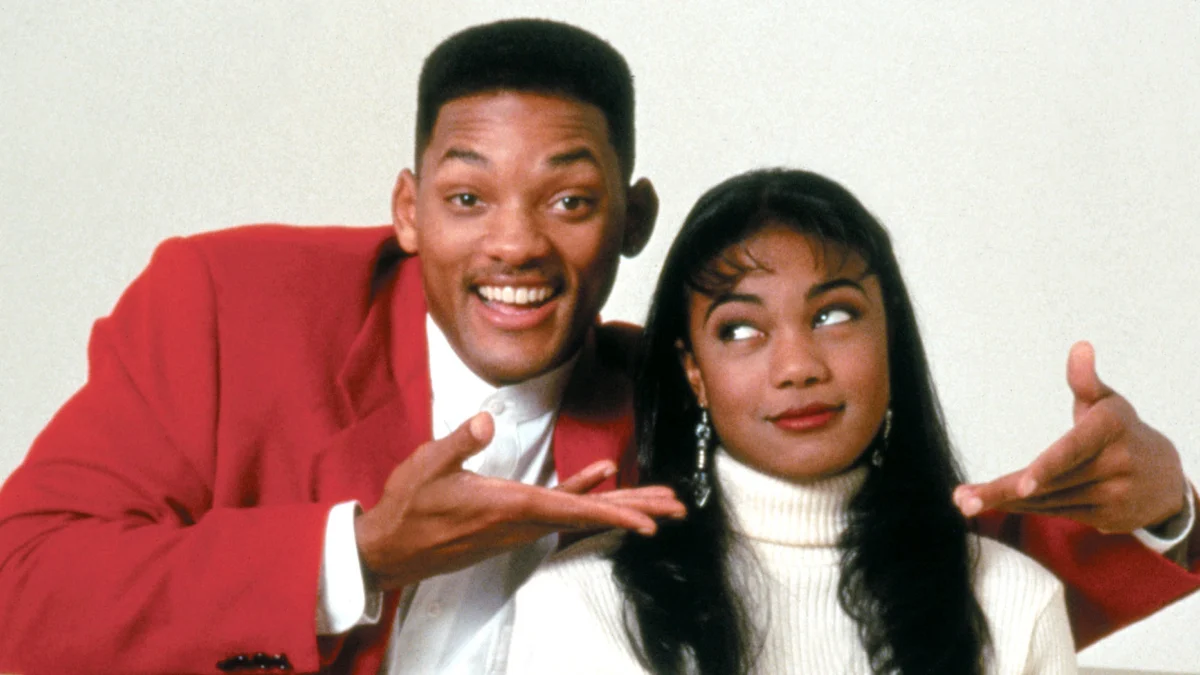
In 1990, the landscape of television shifted with the debut of "The Fresh Prince of Bel-Air." The series, which served as a vehicle for the rising musical star Will Smith, placed Ali in the role of Ashley Banks, the youngest daughter of a wealthy judicial family in California. The casting was a turning point for Ali, as it required a transition from the "cute kid" tropes of her earlier work to a more nuanced, comedic performance that would evolve over the show’s six-season run.
Ali has frequently described the set of "The Fresh Prince" as a "classroom," a sentiment rooted in the professional pedigree of her co-stars. While Will Smith was himself navigating the transition from a Grammy-winning rapper to a leading actor, the supporting cast featured veterans of both stage and screen. Alfonso Ribeiro, who played Carlton Banks, brought years of experience from Broadway and previous sitcoms like "Silver Spoons." James Avery, portraying the patriarch Judge Philip Banks, provided a backbone of Shakespearean training and dramatic gravitas.
The "steep learning curve" Ali referenced in interviews involved mastering the "three-camera" setup, a staple of 90s sitcoms that functioned essentially like a live play. Actors had to hit precise marks, project to a live audience, and adjust their timing based on the "laughs" or "beats" of a scene. For Ali, who had primarily focused on dramatic acting, the transition to comedy required a recalibration of her instincts. She was supported by the collaborative nature of the cast, where senior actors often mentored the younger performers in the art of the punchline and physical comedy.
Analyzing the Cultural Impact of Ashley Banks
The character of Ashley Banks occupied a unique space in the 1990s cultural zeitgeist. Unlike many child characters who remain static in their development, Ashley grew from an eleven-year-old child into a socially conscious and independent young woman. This evolution mirrored Ali’s own growth, allowing the audience to witness a genuine coming-of-age story.
Data from television viewership during the 1990-1996 period indicates that "The Fresh Prince of Bel-Air" was a dominant force in the Nielsen ratings, particularly among younger demographics. The show’s ability to blend high-concept comedy with serious social issues—such as racial profiling, class disparity, and family dynamics—gave Ali’s character a depth rarely afforded to child actors. The "Ashley Banks" archetype became a blueprint for the "girl next door" that resonated across racial and socioeconomic lines, contributing significantly to the show’s enduring legacy in syndication and streaming.
Chronology of Professional Development and Education
As "The Fresh Prince of Bel-Air" concluded its run in 1996, Tatyana Ali faced the challenge that often derails the careers of child stars: the transition to adult roles. However, Ali’s approach was marked by a commitment to academic excellence and artistic diversification.
- 1996-1998: Following the series finale, Ali pivoted toward a career in music. Her debut album, "Kiss the Sky," was released in 1998 and achieved Gold status. The lead single, "Daydreamin’," reached number six on the Billboard Hot 100, proving her viability as a multi-hyphenate entertainer.
- 1999-2002: At the height of her musical success, Ali chose to step back from the limelight to pursue higher education. She attended Harvard University, where she majored in African American Studies and Government. This period was crucial in establishing her identity outside of the "Ashley Banks" persona and provided her with a scholarly perspective on the media industry.
- 2007-Present: Upon returning to acting full-time, Ali maintained a consistent presence in both film and television. She secured a long-running role on the soap opera "The Young and the Restless" as Roxanne, winning several NAACP Image Awards for her performance. She also became a staple in holiday films and independent cinema, demonstrating a range that spanned from lighthearted romance to intense drama.
Industry Implications and the "Fresh Prince" Legacy
The success of Tatyana Ali is often cited by industry analysts as a model for sustainable career longevity. In an era where many child stars struggled with the pressures of fame, Ali’s trajectory was defined by stability and professional growth. This is attributed in part to the supportive environment of the "Fresh Prince" set, which prioritized the well-being and education of its younger cast members.
Furthermore, the recent cultural resurgence of "The Fresh Prince of Bel-Air"—evidenced by the 2020 HBO Max reunion special and the Peacock reboot "Bel-Air"—has placed Ali back in the spotlight. Her participation in the reunion highlighted the deep familial bonds shared by the cast, while her guest appearance in the "Bel-Air" reboot as a different character served as a symbolic passing of the torch to a new generation of actors.
The reboot, which reimagines the sitcom as a gritty drama, underscores the timelessness of the themes Ali helped explore in the 1990s. The transition of the "Ashley" character in the new series—played by Akira Akbar—focuses on modern issues of identity and activism, building upon the foundation laid by Ali’s portrayal thirty years prior.
Broader Socio-Political Contributions and Advocacy
Beyond the screen, Tatyana Ali has leveraged her platform to address systemic issues within and outside the entertainment industry. Her background in government and African American studies from Harvard has informed her work as an advocate for Black maternal health and voting rights.
Ali has been vocal about the disparities in healthcare outcomes for Black women, sharing her own personal experiences to shed light on a national crisis. This transition from entertainer to advocate reflects a broader trend among seasoned actors who use their cultural capital to drive social change. By integrating her professional visibility with her academic background, Ali has maintained relevance in a way that transcends the traditional boundaries of celebrity.
Conclusion: A Legacy of Professionalism
Tatyana Ali’s journey from "Sesame Street" to "The Fresh Prince of Bel-Air" and beyond represents more than just a successful acting career; it is a testament to the importance of mentorship, education, and adaptability. By treating her early years on a sitcom set as a "classroom," Ali was able to acquire the technical skills necessary to survive the volatile nature of show business.
As the television industry continues to evolve in the streaming age, the lessons derived from Ali’s career remain pertinent. Her ability to navigate the "steep learning curve" of 90s comedy while maintaining her personal and academic integrity provides a blueprint for future generations of young performers. Today, Ali stands as a respected figure in Hollywood, embodying the transition from a beloved child star to a sophisticated and influential adult professional.