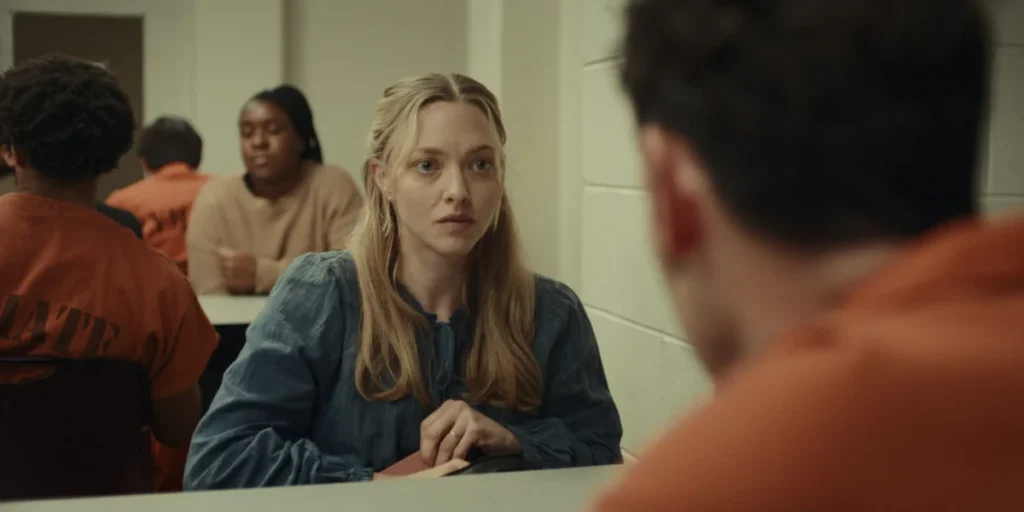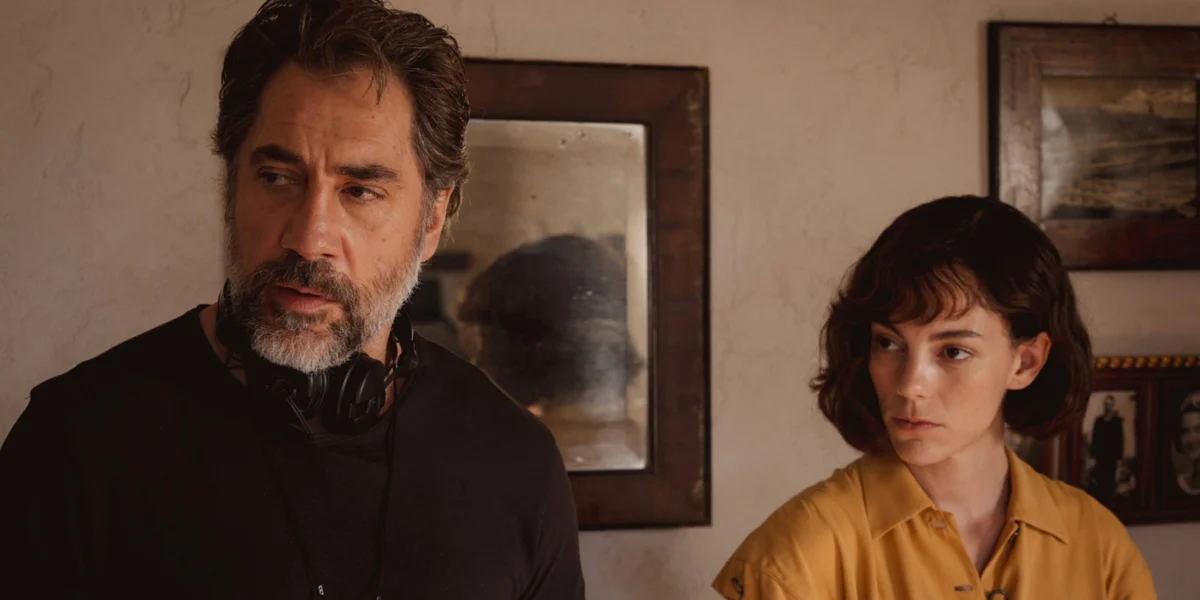
Directed by Rodrigo Sorogoyen and written in collaboration with his long-term creative partner Isabel Peña, this 135-minute feature film represents a significant milestone in contemporary Spanish cinema. The production brings together Academy Award winner Javier Bardem and rising star Victoria Luengo in a psychological drama that serves as both a character study and a meta-cinematic critique of the film industry. The narrative centers on Esteban Martínez, a highly decorated director whose career has spanned decades and continents, and his estranged daughter, Emilia, an actress struggling to find her footing in an industry dominated by the shadow of her father’s legacy. As the two embark on a professional collaboration, the film meticulously deconstructs the "tortured genius" trope, examining the human cost of artistic obsession and the changing cultural expectations of professional conduct on a modern film set.
Production Background and Creative Pedigree
The collaboration between Rodrigo Sorogoyen and Isabel Peña has become one of the most formidable partnerships in European cinema. Following the international success of the 2022 thriller The Beasts (As Bestas), which swept the Goya Awards and garnered critical acclaim at the Cannes Film Festival, the duo has shifted their focus from rural tension to the internal mechanics of the film industry. The Beloved functions as a sophisticated examination of power dynamics, legacy, and the evolution of the "auteur" theory.
Javier Bardem’s involvement marks a high-profile return to Spanish-language lead roles, following his recent international work in major Hollywood productions. His character, Esteban Martínez, is established early in the film as a cinematic titan—a recipient of the Palme d’Or and multiple Academy Awards. This fictional pedigree serves as a narrative device to heighten the stakes of his return to Spain. Victoria Luengo, who previously collaborated with Sorogoyen on the acclaimed series Antidisturbios, provides the emotional anchor of the film as Emilia. The supporting cast, including Melina Matthews, Marina Foïs, and Malena Villa, rounds out a production that is as much about the collective effort of filmmaking as it is about the central family conflict.
Narrative Chronology and Structural Development
The film’s narrative is structured around the production cycle of a movie within the movie, also titled The Beloved. The story begins with a foundational sequence set in a restaurant, where Esteban and Emilia meet after years of silence. This prologue is characterized by intense, dual close-ups that emphasize the physical and emotional distance between the two. The dialogue establishes the history of Esteban’s departure for Hollywood 30 years prior, leaving behind his wife—the star of his debut film—and his young daughter. This initial confrontation sets the tone for the professional collaboration that follows, as Esteban casts Emilia in the lead role of his "homecoming" project.
The second act of the film shifts to the film set and the hotel where the cast and crew reside. Unlike many films about filmmaking, Sorogoyen chooses to focus less on the glamor of the final product and more on the mundane and often grueling reality of the process. The timeline follows the daily grind of the shoot, highlighting the friction between Esteban’s old-school, demanding directorial style and a modern crew that is less inclined to tolerate "difficult" behavior. The narrative tension peaks during a sequence involving a repetitive meal scene, where the technical and emotional threads of the story converge.
The Deconstruction of the Auteur Myth
A central theme of the film is the systematic takedown of the "ruthless-auteur" stereotype. Historically, the film industry has often romanticized directors who use intimidation or emotional manipulation to extract performances from their actors. The Beloved challenges this tradition by placing Esteban Martínez in a contemporary context where such methods are increasingly viewed as obsolete and unprofessional.
Through Bardem’s performance, the film illustrates the internal struggle of a man who equated his artistic success with his uncompromising nature. The presence of his daughter on set serves as a constant reminder of the personal failures that accompanied his professional triumphs. Industry analysts have noted that this thematic focus mirrors real-world shifts in the global film industry, particularly in the post-Me Too era, where the "genius" defense is no longer considered a valid excuse for toxic workplace environments. The film does not merely condemn Esteban; it observes his attempt to navigate a world that no longer validates his previous mode of existence.
Technical Execution and Visual Language
Sorogoyen and his cinematographer utilize a variety of visual techniques to reflect the internal states of the characters and the chaotic nature of the creative process. The film is notable for its ostentatious use of shifting aspect ratios and varying film stocks. These technical choices serve several purposes:
- Temporal Distinction: Changes in film stock and the use of black-and-white cinematography often signal introspective moments or shifts in the characters’ perceptions of reality.
- Psychological Pressure: In moments of high tension, such as the disastrous meal scene, the editing style becomes increasingly rapid and the visual presentation more frantic. This mimics the sensory overload experienced by the characters on set.
- Meta-Cinematic Commentary: By frequently showing the "tools of the trade"—boom mics, background actors, and camera rigs—Sorogoyen reminds the audience of the artificiality of the medium, reinforcing the film’s status as a meta-narrative.
The 135-minute runtime allows for a deliberate pace, though some critics have described the film as meandering. However, this length is instrumental in establishing the feeling of a long, exhausting film shoot. The deliberate pacing ensures that when the "breaking point" occurs, the audience is as emotionally fatigued as the crew members on screen.
Significant Sequences and Performance Analysis
The highlight of the film’s middle act is a sequence involving a "case of the giggles" among the supporting cast. What begins as a common, lighthearted occurrence on a film set quickly devolves into a psychological battlefield. As take after take is ruined, Esteban’s facade of the "reformed" director begins to crack. Bardem’s performance in this scene is a study in suppressed rage, showing the physical toll of trying to maintain a professional exterior while his internal instincts urge him toward his old, tyrannical ways.
Victoria Luengo’s performance is equally vital. Her portrayal of Emilia is one of guarded vulnerability. She plays the character with a "bottled-up" intensity that mirrors her father’s, suggesting a hereditary trait of emotional repression. A particularly resonant moment occurs when Emilia performs an imitation of her father’s famous facial expressions, a scene that serves as a poignant acknowledgement of their shared identity and the burden of his influence. This scene, captured in a slow camera push-in, highlights the physical similarities between the two actors, further grounding the father-daughter dynamic.
Industry Implications and Broader Impact
The release of The Beloved comes at a time when the Spanish film industry is enjoying a period of significant international prestige. The success of directors like Sorogoyen, Pedro Almodóvar, and Carla Simón has positioned Spain as a leader in European auteur cinema. By making a film about the industry itself, Sorogoyen contributes to a long tradition of self-reflective cinema, joining the ranks of Federico Fellini’s 8½ and François Truffaut’s Day for Night.
However, The Beloved distinguishes itself by its focus on the generational shift in filmmaking ethics. It suggests that while the "art" remains important, the "process" must evolve. The film serves as a case study for film schools and industry professionals on the changing nature of leadership in creative fields. It poses the question: Can great art be made without a "great" (and often difficult) man at the center?
Conclusion and Critical Assessment
The Beloved is a complex, multi-layered work that demands much from its audience but offers significant rewards in its character depth and technical bravura. While its experimental visual flourishes and extended runtime may prove challenging for some viewers, the strength of the central performances by Javier Bardem and Victoria Luengo provides a compelling reason for its existence.
The film successfully bridges the gap between a personal family drama and a broad industry critique. It concludes with a sense of ambiguity, suggesting that while past grievances can be confronted and professional milestones achieved, the process of true reconciliation is ongoing and fraught with difficulty. Rodrigo Sorogoyen has delivered a film that is not only a tribute to the act of creation but also a necessary interrogation of the costs associated with it. As the credits roll, The Beloved leaves the audience with a profound meditation on the enduring power of cinema and the fragile humanity of those who create it.