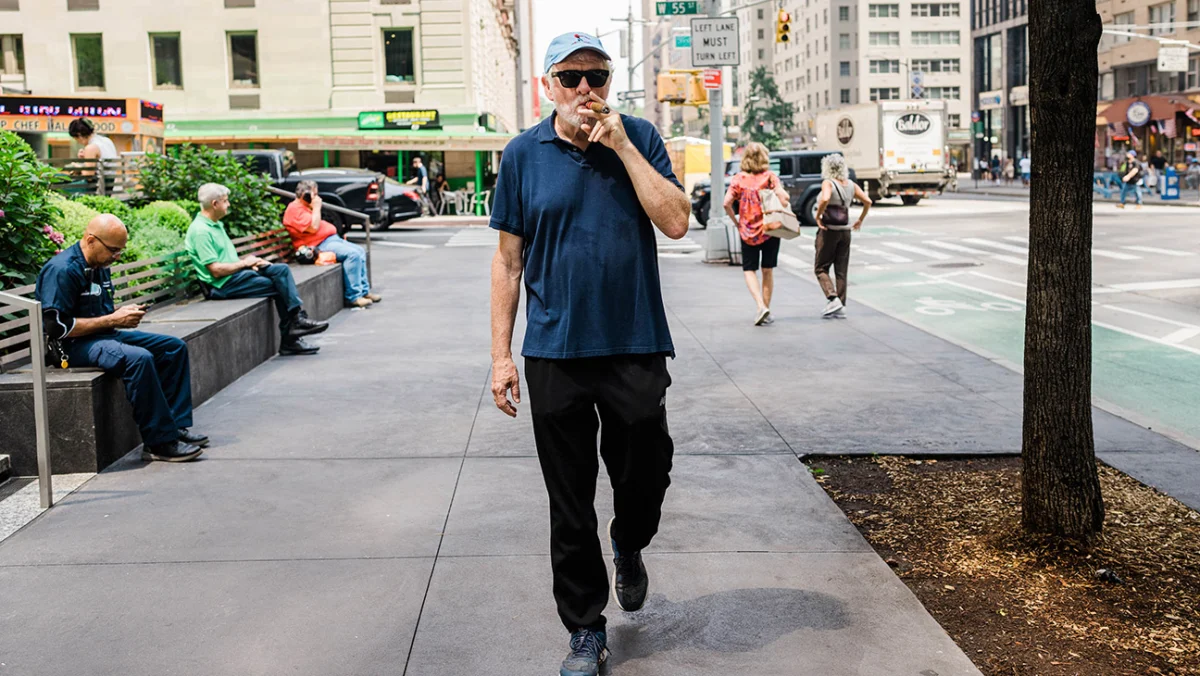
Keith Kelly, the veteran journalist who spent more than two decades as the most influential and often feared media columnist at The New York Post, has successfully transitioned from the high-stakes world of national media reporting to the granular, community-focused landscape of Manhattan’s hyperlocal weeklies. At 71 years old, Kelly is now three years into his tenure as the editor-in-chief of a suite of neighborhood publications owned by Straus Media, including the West Side Spirit, Chelsea News, and Our Town Downtown. This shift represents more than just a personal career change; it mirrors a broader narrative within the American media industry regarding the resilience of print-focused local news and the ideological shifts occurring within major metropolitan dailies.
Kelly’s move to Straus Media in 2021 marked a "full circle" moment for a reporter who began his career in the weekly newspaper circuit half a century ago. Despite the perceived drop in scale from the global reach of News Corp to the neighborhood blocks of the Upper West Side and Chelsea, Kelly maintains that the core tenets of the craft remain identical. His approach to the "Big Apple" weeklies utilizes the same investigative instincts that once made his "Media Ink" column at the Post a mandatory read for publishing executives and newsroom editors across the country.
A Legacy of Media Reporting and the Return to Roots
To understand Kelly’s current role, one must look at his twenty-year legacy at The New York Post. During his tenure, he became a central figure in the New York media ecosystem, chronicling the rise and fall of magazine empires, the consolidation of news corporations, and the personal dramas of the industry’s most powerful figures. Known for his deep well of sources and his ability to uncover "where the figurative bodies were buried," Kelly was a primary chronicler of the Rupert Murdoch era of journalism.
His departure from the Post in 2021 was not a retirement but a pivot. Joining Straus Media, a family-owned company led by President and Publisher Jeanne Straus, Kelly took the helm of publications that serve as the civic glue for Manhattan neighborhoods. These papers focus on community board meetings, local real estate developments, and the small-scale politics that directly affect the daily lives of residents. Kelly notes that the transition was seamless because the fundamental nature of power and accountability does not change regardless of the beat. Whether covering a corporate merger or a neighborhood dispute, the objective remains the same: identifying the "good guys and the bad guys" and reporting the facts.
The Chronology of Keith Kelly’s Journalistic Career
The trajectory of Keith Kelly’s career provides a window into the evolution of American journalism over the last five decades.
- 1970s: The Early Years: Kelly began his career in the burgeoning world of weekly newspapers, learning the trade through direct community engagement and traditional shoe-leather reporting.
- 1990s – 2021: The New York Post Era: Kelly joined The New York Post, where he eventually launched "Media Ink." Over two decades, he became the definitive voice on the business of media, surviving multiple industry downturns and the digital revolution.
- 2018: High-Stakes Investigative Work: While at the Post, Kelly broke several major stories, including his coverage of the partisan efforts by The Daily Caller to discredit New Yorker writer Jane Mayer. This reporting was notable for its objective distance from the Post’s own conservative editorial leanings.
- 2021: Transition to Straus Media: Following his departure from the Post, Kelly accepted the editorship at Straus Media, returning to the hyperlocal format.
- 2021 – Present: Hyperlocal Advocacy: Kelly has spent the last three years focusing on Manhattan-specific issues, most notably the safety and regulation of the city’s bike lanes and the preservation of neighborhood character.
The Economics of Hyperlocal Print Journalism
One of the most striking aspects of Kelly’s current role is his commitment to the traditional print model. While the broader media industry has struggled with the transition to digital-first strategies, Straus Media has maintained a robust presence through print advertising. Kelly observes that his current titles still generate their primary revenue from advertisements in the physical paper, a model that offers a degree of protection from the relentless, 24-hour digital news cycle.
This "old-fashioned" approach allows for a different pace of journalism. Unlike the high-pressure environment of a digital newsroom, where page views and click-through rates often dictate editorial priority, Kelly’s weeklies are not "under the gun" in the same manner. This allows his team to focus on long-form community reporting—walking the streets, observing local dysfunction, and asking fundamental questions about why certain neighborhood services are failing.
Supporting data for this model suggests that while national print advertising has plummeted, local "niche" print advertising remains a viable, albeit smaller, market. According to industry reports, local businesses often prefer the tangibility and geographic targeting of neighborhood weeklies, which are frequently delivered directly to residential buildings, ensuring a captive and relevant audience that digital ads cannot always guarantee.
Analysis of the Ideological Shift at The New York Post
Kelly’s perspective on his former employer provides an insider’s view of the changing landscape of American tabloids. He notes that the Post’s editorial direction shifted significantly as digital platforms began to dominate the industry. In Kelly’s view, the drive for digital engagement pushed the publication toward a more pronounced right-wing stance.
This shift is exemplified by the recent launch of The California Post by Rupert and Lachlan Murdoch in January 2024. Kelly analyzes this move not merely as a business expansion, but as a strategic ideological play. The objective, he suggests, is to highlight the systemic problems within California’s Democratic-led governance to undermine potential national candidates emerging from the state. This analysis highlights a growing trend in the media: the use of regional news outlets as tools for broader national political narratives.
Despite these shifts, Kelly maintains a positive relationship with his former colleagues, often attending New York Mets games with members of the Post staff. He asserts that during his time there, the paper’s conservative proclivities rarely interfered with his media beat, allowing him the autonomy to pursue stories that challenged right-wing interests, such as his defense of Jane Mayer against baseless plagiarism allegations.
The "Chaos" of Manhattan’s Bike Lanes: A Case Study in Local Reporting
In his current capacity, Kelly has identified the "lawlessness" of Manhattan’s bike lanes as one of the most under-reported and pressing issues facing the city. As a cyclist himself, he describes the current state of the lanes as "chaos," citing a lack of enforcement and the transformation of these paths into high-speed thoroughfares for commercial delivery vehicles.
Data from the New York City Department of Transportation and various advocacy groups support Kelly’s concerns. In recent years, the proliferation of electric bikes (e-bikes) and mopeds has led to a surge in accidents and a growing sense of unease among pedestrians and traditional cyclists.
- Accident Statistics: City records indicate a rise in injuries involving micro-mobility devices in bike lanes, with delivery workers often pressured by algorithmic deadlines to prioritize speed over safety.
- Enforcement Gaps: While the NYPD has conducted occasional "stings" to confiscate illegal mopeds, Kelly argues that the lack of consistent, daily enforcement has allowed a culture of impunity to take root.
By focusing on this issue, Kelly demonstrates the vital role of hyperlocal journalism: taking a broad city-wide problem and examining its specific impact on the safety and quality of life in neighborhoods like Chelsea and the West Side.
Broader Implications for the Future of News
The career of Keith Kelly serves as a testament to the enduring value of traditional reporting in an increasingly fragmented media environment. His transition suggests that there is a sustainable path for veteran journalists to apply their skills in the hyperlocal sector, providing a level of scrutiny that larger outlets often overlook.
Furthermore, Kelly’s success at Straus Media highlights the potential for "news deserts" to be avoided through the maintenance of community-funded print journalism. As major metropolitan dailies continue to consolidate or move behind paywalls, the free, ad-supported neighborhood weekly remains a crucial democratic tool. It ensures that local officials are held accountable for "screwed up" infrastructure and that the voices of residents are heard in the halls of city government.
In conclusion, Keith Kelly’s move from the "Media Ink" column to the editor’s chair at Straus Media is not a step down, but a strategic return to the foundations of the fourth estate. His work continues to prove that whether the audience is a global boardroom or a local block association, the demand for factual, fearless, and boots-on-the-ground reporting remains constant. As Manhattan continues to evolve, Kelly and his "scrappy" weeklies remain on the front lines, documenting the city’s changes one neighborhood at a time.