The realm of Westeros, already ravaged by internal strife, is bracing for an intensified chapter of its bloody civil war as HBO prepares to unleash the third season of its critically acclaimed series, House of the Dragon. Set to premiere on June 21st on HBO Max, the upcoming season promises to plunge deeper into the heart of the Targaryen dynasty’s destructive conflict, with showrunners and cast members hinting at a significantly expanded scope and an even greater commitment to the series’ signature blend of political intrigue, dragon-fueled warfare, and raw emotional drama.
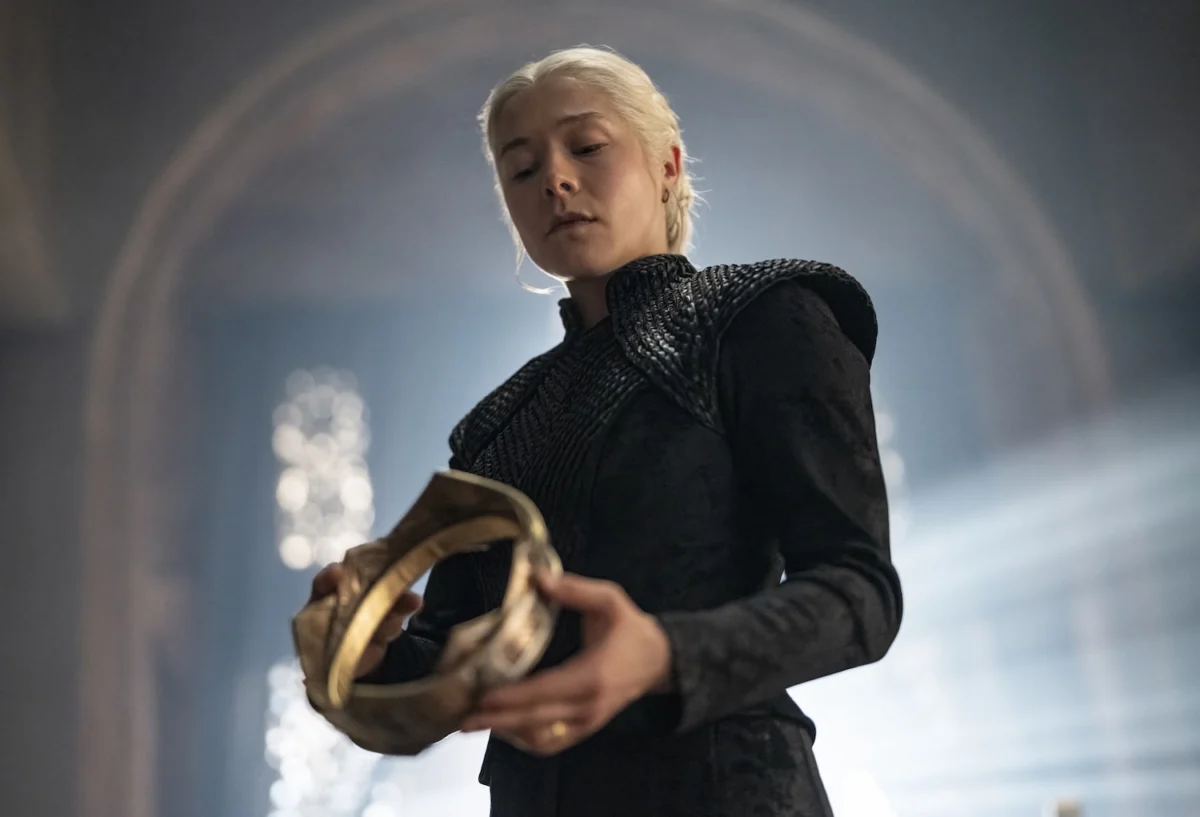
The series, a prequel to the global phenomenon Game of Thrones, chronicles the tumultuous events leading up to and during the Targaryen civil war, known as the Dance of the Dragons. This devastating conflict, which pitted brother against sister and fractured the once-dominant dragon-riding dynasty, is rooted in a succession crisis that erupted following the death of King Viserys I Targaryen. The primary contenders for the Iron Throne are Princess Rhaenyra Targaryen, Viserys’s chosen heir, and her younger half-brother, Prince Aegon II Targaryen, backed by a powerful faction known as the Greens. The opposing side, supporting Rhaenyra, are the Blacks.
A Season of Unprecedented Scale and Intensity
The anticipation for House of the Dragon Season 3 has been amplified by recent statements from the show’s creative team, who have collectively emphasized the monumental nature of the upcoming installment. At a recent panel discussion during CCXP Mexico, actor Matt Smith, who portrays the formidable Daemon Targaryen, articulated the ambition driving the new season. "This season, we’re trying to make it bigger, bolder, bloodier, more brutal, more dangerous—just get back to the nuts and bolts of what we are as a show," Smith stated, signaling a deliberate escalation in the series’ characteristic intensity. His words suggest a return to the visceral and often shocking depictions of conflict that defined earlier seasons, hinting at a relentless pursuit of dramatic impact.
Showrunner Ryan Condal echoed Smith’s sentiments, describing Season 3 as "huge" and "the biggest we’ve made by any margin and by a wide measure." Condal further elaborated on the season’s thematic and tonal palette, promising a complex narrative that is "dark. It’s funny. It’s action-packed. It’s emotional. And, of course, it has lots and lots of dragons." This multifaceted approach indicates that while the physical battles will be more pronounced, the emotional and political underpinnings of the conflict will remain central to the storytelling. The inclusion of humor, often dark and sardonic in nature, has been a hallmark of the series, providing moments of respite and character development amidst the grim realities of war.
The Shifting Tides of Power and the Unending Conflict
While HBO has maintained a degree of secrecy regarding the precise plot details for Season 3, the overarching narrative arc of the Dance of the Dragons provides a clear trajectory. The conflict between the Greens and the Blacks is far from resolved, and the deeply entrenched animosity between Rhaenyra and Alicent Hightower, the Queen Dowager, shows no signs of abating. Their once-childhood friendship has long since fractured, replaced by a bitter rivalry fueled by ambition, betrayal, and differing claims to the throne. The season is expected to explore the devastating consequences of their feud on the realm and its inhabitants.
The narrative of House of the Dragon is based on George R.R. Martin’s epic fantasy novel Fire & Blood, a comprehensive history of the Targaryen dynasty. The novel details the events of the Dance of the Dragons over a period of roughly two years, a span of time that allowed for significant shifts in power, devastating losses on both sides, and the eventual decline of dragon numbers in Westeros. Given that the series is planned for a four-season run, as previously indicated by reports from outlets such as ReactorMag, Season 3 will likely cover a critical phase of this extended conflict, potentially culminating in some of the war’s most pivotal and tragic moments. The extended timeline suggests that the resolution of the war, and any semblance of peace, will not be found within this upcoming season, leaving ample room for further exploration in the subsequent installment.
A Familiar Ensemble Cast and Notable New Additions
The return of a robust ensemble cast is a key indicator of the show’s established narrative momentum. The following actors, who survived the trials of previous seasons, are confirmed to reprise their roles: Steve Toussaint as Corlys Velaryon, Rhys Ifans as Otto Hightower, Fabien Frankel as Criston Cole, Ewan Mitchell as Aemond Targaryen, Tom Glynn-Carney as Aegon II Targaryen, Sonoya Mizuno as Mysaria, Harry Collett as Jacaerys Velaryon, Bethany Antonia as Baela Targaryen, Phoebe Campbell as Rhaena Targaryen, Phia Saban as Helaena Targaryen, Jefferson Hall as Jason Lannister, Matthew Needham as Larys Strong, Tom Bennett as Ulf White, Kieran Bew as Hugh Hammer, Kurt Egyiawan as Qyburn, Freddie Fox as Gwayne Hightower, Clinton Liberty as Addam of Hull, Gayle Rankin as Alys Rivers, and Abubakar Salim as a new character.
In addition to this returning roster, Season 3 will introduce a sextet of new actors, further expanding the intricate web of alliances and rivalries. These new faces are: James Norton, Tommy Flanagan, Dan Fogler, Tom Cullen, Joplin Sibtain, and Barry Sloane. The specific roles these actors will play have not yet been officially disclosed, but their additions suggest the introduction of new political players, military commanders, or significant figures who will influence the course of the war. The casting of prominent actors in supporting roles often signals the importance of their characters to the unfolding narrative, hinting at new storylines and potentially unforeseen developments.
The Broader Implications of an Extended Conflict
The prolonged nature of the Dance of the Dragons, as depicted in both the novel and the television series, carries significant implications for the fictional world of Westeros. The war decimated the Targaryen lineage, leading to the near extinction of dragons, creatures that had been central to Targaryen dominance for centuries. This decline in dragon power had a ripple effect on the political landscape, contributing to the eventual weakening of the Targaryen grip on the Iron Throne and paving the way for future challenges to their rule.
Furthermore, the civil war exacted a tremendous toll on the common people of Westeros. While the series often focuses on the machinations of the nobility, the impact of constant warfare, dragon fire, and political instability on the lives of ordinary citizens is a critical element of the narrative’s realism. The "poor ordinary folk" mentioned in the initial synopsis bear the brunt of these conflicts, experiencing famine, displacement, and the loss of loved ones. The expansion of the series into a third season allows for a more in-depth exploration of these societal consequences, adding layers of depth and pathos to the unfolding tragedy.
The historical context of the Dance of the Dragons, drawing parallels to real-world dynastic struggles and civil wars, underscores the enduring themes of ambition, power, and the destructive consequences of unchecked pride. The Targaryen civil war was not merely a clash of armies but a fundamental turning point in Westerosi history, shaping the future of the Seven Kingdoms for generations to come. As House of the Dragon continues its narrative, it offers viewers a compelling examination of these timeless themes, presented through the lens of a fantastical world populated by dragons and driven by human (and Targaryen) ambition.
The preview trailer released for Season 3, while brief, showcased intense dragon battles, strategic maneuvers, and emotionally charged confrontations, reinforcing the show’s commitment to delivering a visually stunning and narratively compelling continuation of the saga. The inclusion of the official teaser trailer in promotional materials further signals the network’s confidence in the upcoming season and its potential to captivate a global audience. The promise of "more dragons" and "bigger, bolder, bloodier" action suggests that House of the Dragon Season 3 will not shy away from the epic scale and visceral intensity that fans have come to expect, solidifying its position as a cornerstone of contemporary fantasy television. The continued success of the series underscores the enduring appeal of the Game of Thrones universe and its capacity to explore complex themes of power, legacy, and the human cost of conflict.