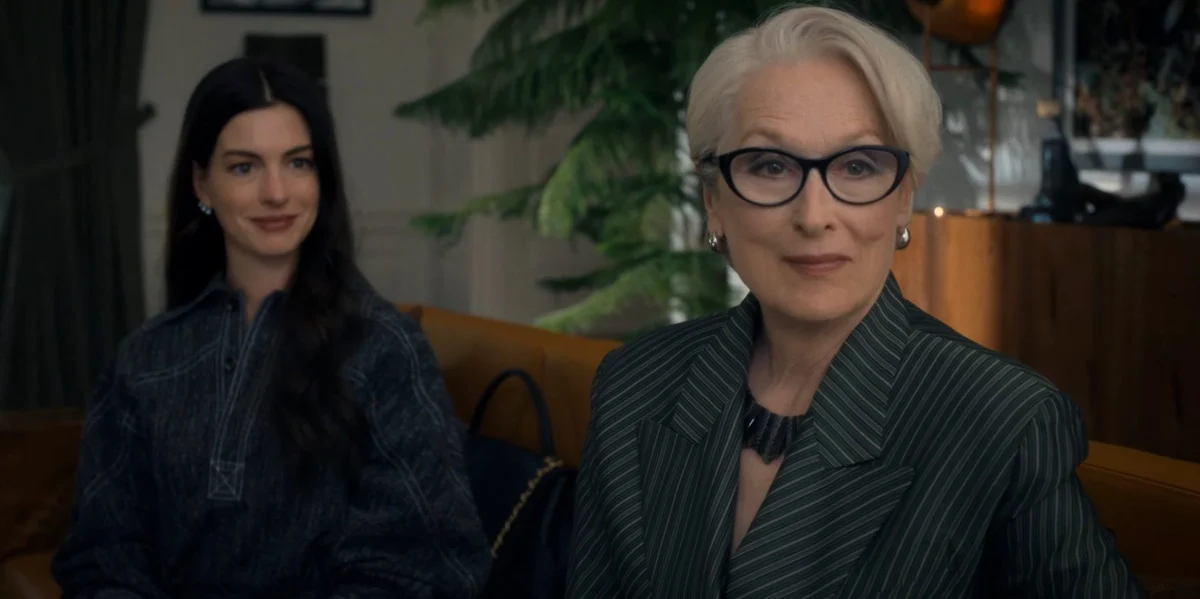
The long-anticipated sequel to the 2006 cinematic staple has officially arrived, marking the return of director David Frankel and screenwriter Aline Brosh McKenna to the high-stakes world of fashion journalism. Nearly two decades after the original film redefined the "career-girl" subgenre and cemented Meryl Streep’s Miranda Priestly as a cinematic icon, the sequel seeks to address the seismic shifts that have occurred within the media industry since the mid-aughts. Starring the original powerhouse trio of Meryl Streep, Anne Hathaway, and Emily Blunt, the film explores the survival of legacy print media in an era dominated by digital clickbait, corporate consolidation, and the ethical complexities of modern global commerce.
Historical Context and Development
The original 2006 film, The Devil Wears Prada, was based on the 2003 roman à clef by Lauren Weisberger, who famously served as an assistant to Vogue Editor-in-Chief Anna Wintour. Produced on a budget of $35 million, the film became a commercial juggernaut, grossing over $326 million worldwide and earning two Academy Award nominations, including a Best Actress nod for Streep. For years, rumors of a sequel circulated, yet the project remained in development hell as the principal cast members moved on to other prestige projects.
The decision to greenlight the sequel comes at a time when Hollywood has leaned heavily into "legacyquels"—films that revisit iconic stories decades later to capture both nostalgic audiences and a new generation of viewers. Unlike the first film, which drew directly from Weisberger’s source material, the sequel features an original story by Brosh McKenna, designed to reflect the current state of journalism and the fashion industry’s evolving relationship with social media and fast fashion.
Narrative Overview and Plot Chronology
The film’s narrative begins by establishing the current professional status of Andrea "Andy" Sachs (Anne Hathaway). In a deliberate mirror of the original film’s opening, Andy is shown preparing for her day, though the tone has shifted from the wide-eyed ambition of her youth to the seasoned composure of an award-winning journalist. Having successfully built a career at a prestigious New York newspaper, Andy’s trajectory is abruptly interrupted when she and her entire editorial team are terminated via text message—a stark commentary on the volatility of the modern media landscape.
The plot thickens during an industry awards ceremony where Andy, despite her recent firing, delivers a principled acceptance speech regarding the integrity of journalism. This catches the attention of Irv Ravitz (Tibor Feldman), the CEO of Elias-Clarke, the parent company of Runway Magazine. The conglomerate is currently navigating a public relations crisis after Runway published a laudatory feature on a fast-fashion brand that was subsequently exposed for utilizing sweatshop labor.
In a move of strategic damage control, Ravitz recruits Andy to return to Runway as the new Features Editor. Her primary objective is to restore the magazine’s journalistic credibility and bridge the gap between its storied past and a digital future. This transition brings her back into the orbit of Miranda Priestly (Streep), who remains the Editor-in-Chief but finds herself increasingly alienated by a landscape that prioritizes viral engagement over editorial prestige.
Industry Evolution: From Print to Digital
The core conflict of the film centers on the existential struggle of Runway to remain relevant. In 2006, the magazine was the ultimate gatekeeper of taste; in the 2020s, it is a legacy brand fighting for ad revenue in a market dominated by influencers and tech-driven platforms. The film introduces a new antagonist in the form of Ravitz’s son, played by B.J. Novak, a tech entrepreneur who views the magazine’s high production costs as an inefficiency to be eliminated.
The production highlights several real-world industry trends:
- The Pivot to Digital: Miranda and her creative director, Nigel (Stanley Tucci), struggle to translate the "elegance" of a monthly print edition into the rapid-fire demands of a digital-first strategy.
- Ad Revenue Struggles: The film reunites Andy with Emily Charlton (Emily Blunt), her former rival who has transitioned into a high-powered role in advertising. Their professional reconciliation becomes a necessity as they seek the funding required to keep Runway afloat.
- The Ethics of Fashion: The subplot involving the sweatshop scandal reflects the growing pressure on fashion publications to account for the Environmental, Social, and Governance (ESG) standards of the brands they promote.
Cast and Character Development
The return of the original cast is a central pillar of the film’s marketing and narrative structure. Meryl Streep’s portrayal of Miranda Priestly has evolved to show the vulnerabilities of a woman who was once considered "unstoppable" but now faces the reality of a declining influence. While the character retains her signature icy demeanor, the screenplay explores the psychological toll of maintaining a legacy in a world that no longer respects traditional hierarchies.
Anne Hathaway’s Andy Sachs is presented as a professional equal to Miranda, rather than a subordinate. This shift in power dynamics provides the film’s most compelling interpersonal tension. Emily Blunt’s Emily Charlton provides much of the film’s comedic relief and sharp-edged commentary, while Stanley Tucci’s Nigel serves as the emotional anchor, representing the "old guard" of the fashion world.
New additions to the cast include:
- Justin Theroux: Playing a tech billionaire and Emily’s romantic interest, representing the influx of new money into the traditional fashion spheres.
- Lucy Liu and Kenneth Branagh: Featured in supporting roles that expand the film’s scope into the broader international fashion community.
- Fashion Cameos: The film features an unprecedented number of appearances by real-world designers and models, reflecting the fashion industry’s total embrace of the franchise—a sharp contrast to the first film, where many brands were hesitant to participate for fear of offending Vogue.
Production Data and Technical Specifications
With a running time of 119 minutes, the sequel is ten minutes longer than its predecessor. The production utilized extensive on-location filming in New York and Italy, culminating in a high-fashion sequence that serves as the film’s visual centerpiece.
Theodore Shapiro, who composed the iconic score for the 2006 film, returned to provide an updated soundtrack. The music reflects the film’s dual nature, blending the chic, electronic pulses of the original with more somber, orchestral themes that underscore the challenges facing the characters.
| Technical Aspect | Details |
|---|---|
| Director | David Frankel |
| Screenwriter | Aline Brosh McKenna |
| Running Time | 119 Minutes |
| Cinematography | Florian Ballhaus |
| Original Score | Theodore Shapiro |
| Primary Locations | New York City, Milan |
Analysis of Broader Implications
The release of the film invites a broader discussion about the role of "gatekeepers" in modern culture. In the original film, Miranda Priestly’s power was absolute; her approval could make or break a designer’s career. The sequel asks whether such figures can exist in a decentralized media environment.
Industry analysts suggest that the film’s focus on the "death of print" is timely, as numerous heritage publications have either shuttered their physical editions or undergone massive layoffs in the last five years. By framing Andy as a savior of journalistic standards, the film attempts to make a case for the necessity of curated, high-quality content in an age of information overload.
However, some critics note a tension in the film’s messaging. While it critiques the coldness of tech-bro culture and the ethics of fast fashion, it simultaneously revels in the ostentatious wealth and luxury that the fashion industry represents. This dichotomy reflects the real-world struggle of luxury brands to maintain an aura of exclusivity while appealing to a socially conscious, digitally native consumer base.
Official Responses and Market Reception
Early screenings have generated significant buzz, particularly regarding the chemistry between Hathaway and Blunt. While some initial reviews have pointed out that the sequel follows a structural template very similar to the original, the consensus among industry insiders is that the film’s relevance is bolstered by its mature themes.
The fashion industry has largely embraced the project. Spokespeople for several major houses have noted that the franchise has done more to humanize and popularize the inner workings of fashion than almost any other piece of media. The film is expected to perform strongly at the box office, driven by a combination of multi-generational appeal and the star power of its lead trio.
In summary, the film serves as both a nostalgic reunion and a sobering look at the evolution of work in the 21st century. It acknowledges that while the "devil" may still wear Prada, the world in which she operates has changed irrevocably, requiring new alliances and a fundamental rethinking of what it means to lead in a digital age.