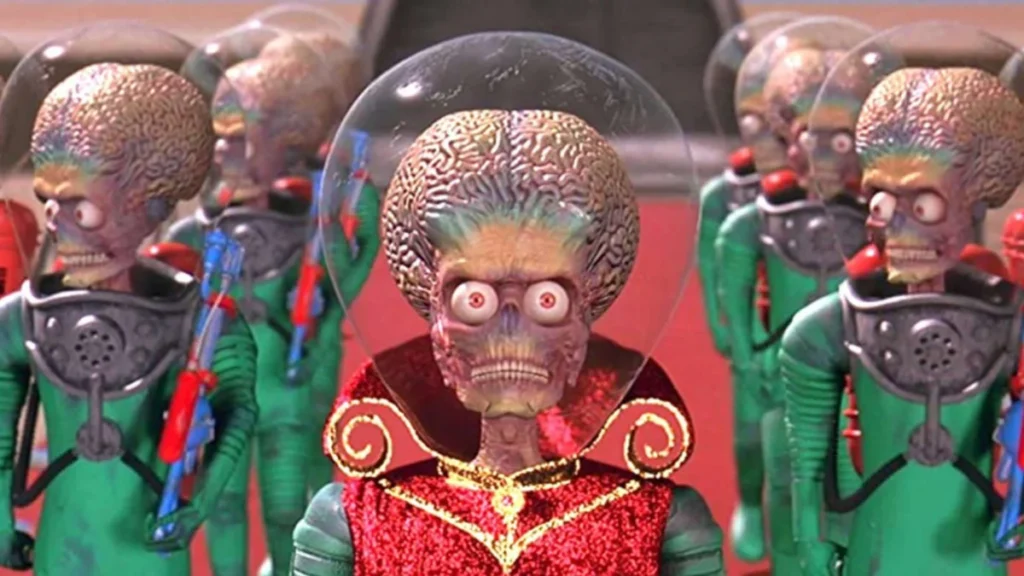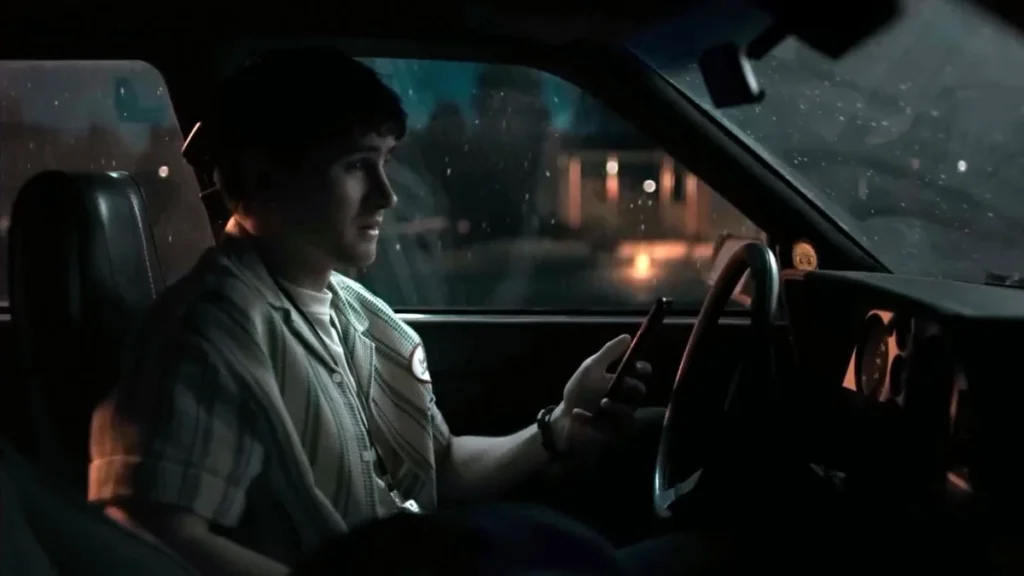
The global horror community is united in grief following the reported death of Koji Suzuki, the visionary Japanese author whose seminal works fundamentally reshaped the landscape of supernatural horror and spearheaded the international phenomenon known as J-horror. Suzuki passed away at the age of 68. His literary creations, particularly the chilling "Ringu" series, are credited with introducing a new paradigm of atmospheric, psychologically driven horror to audiences worldwide, leaving an indelible mark on filmmaking, literature, and popular culture.
Suzuki’s passing is being met with profound respect and acknowledgment of his immense influence. Industry figures and fans alike are reflecting on how his narratives, characterized by their creeping dread, psychological torment, and meticulously crafted curses, paved the way for a generation of horror creators and media. The ripple effect of his work can be seen not only in the proliferation of J-horror adaptations but also in the very fabric of contemporary horror storytelling, which has increasingly embraced elements of existential fear and nuanced character psychology that Suzuki so masterfully explored.
A Legacy Forged in Fear: The Genesis of the "Ringu" Phenomenon
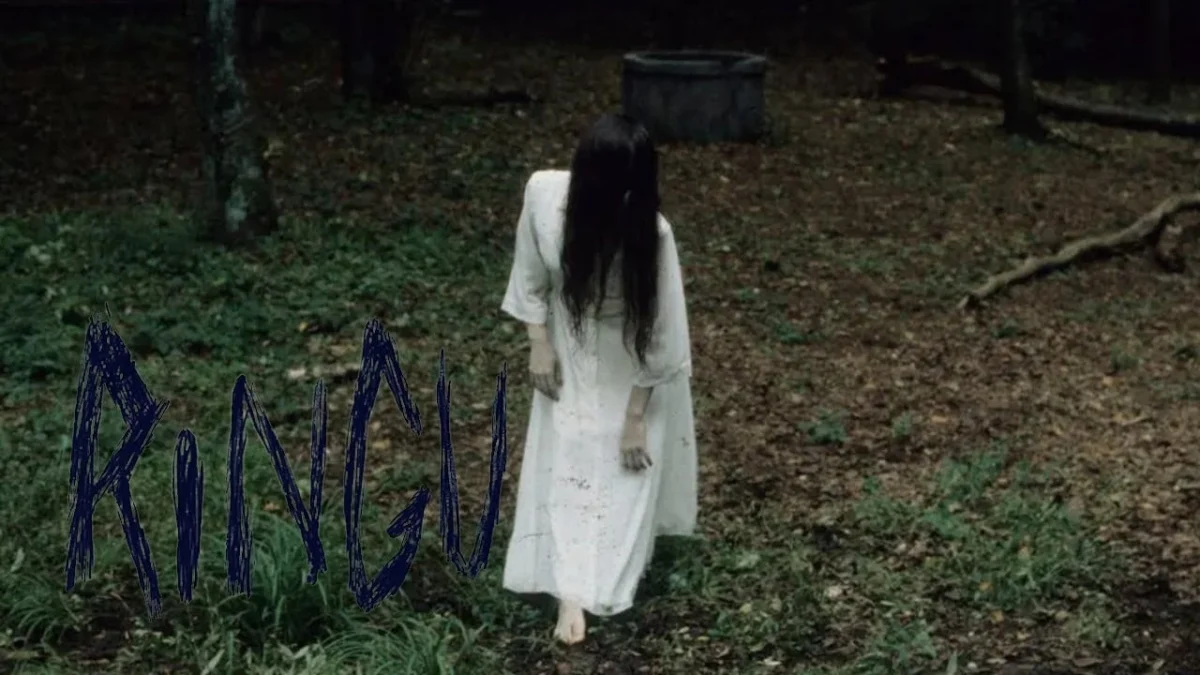
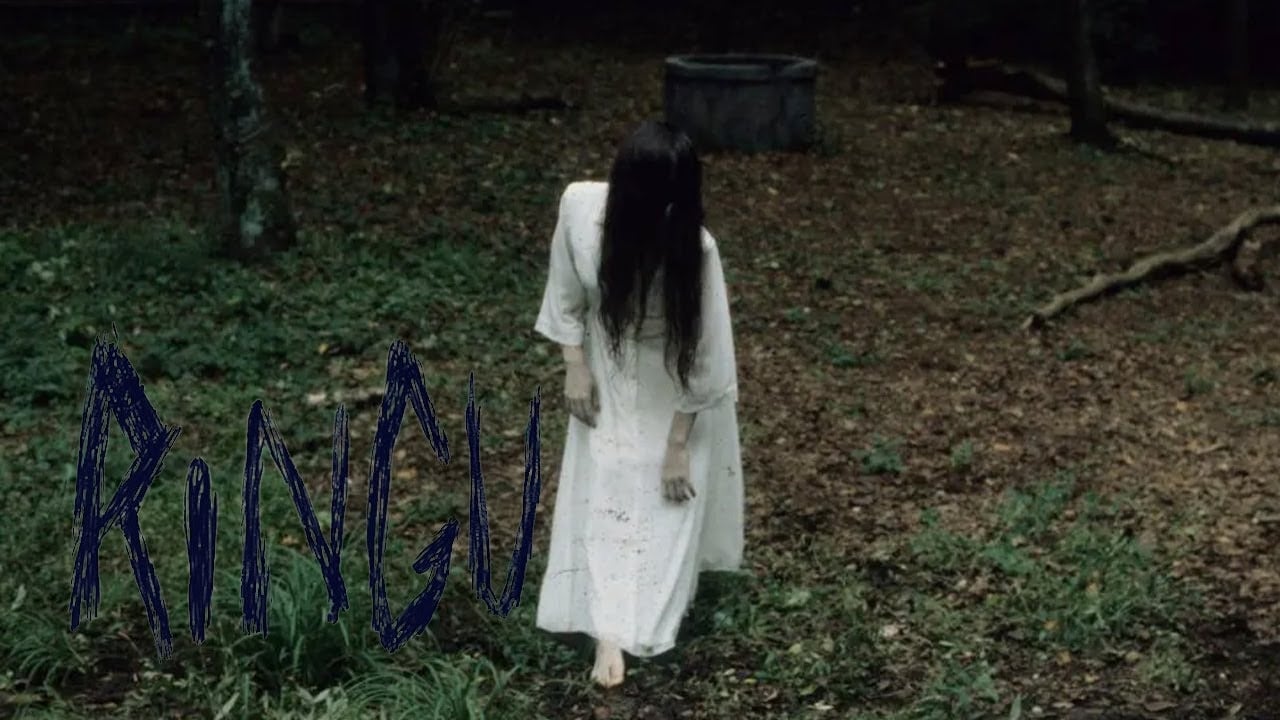
Koji Suzuki’s literary journey began with the novel Paradise in 1990, but it was his 1991 novel, Ring (known internationally as Ringu), that catapulted him to global acclaim. This groundbreaking work introduced the world to Sadako Yamamura, a spectral figure whose vengeful spirit was unleashed through a cursed videotape, a concept that would become one of the most iconic and terrifying tropes in horror history. The novel’s success laid the foundation for a multimedia empire that would extend across literature, film, television, manga, and video games, cementing Sadako as a universally recognized horror icon.
The narrative of Ring centered on a journalist investigating a series of mysterious deaths, each linked to a cryptic videotape that, upon viewing, results in the viewer’s death exactly seven days later. This intricate plot, steeped in Japanese folklore and psychological suspense, offered a stark contrast to the more visceral, creature-feature-driven horror prevalent in Western cinema at the time. Suzuki’s genius lay in his ability to tap into primal fears, creating a sense of pervasive unease and inescapable doom through suggestion and atmosphere rather than explicit gore.
The Global Ascent of J-Horror: Suzuki’s Catalytic Role
The international explosion of J-horror in the late 1990s and early 2000s owes a significant debt to Koji Suzuki’s pioneering work. While other Japanese filmmakers and authors were contributing to this burgeoning movement, Ringu‘s immense popularity served as a crucial catalyst. The success of the novel and its subsequent adaptations opened Western audiences to a new style of horror that prioritized psychological tension, unsettling imagery, and a profound sense of dread over jump scares.
This era saw a surge in demand for Japanese horror films, with titles like Ju-On: The Grudge, Dark Water, Uzumaki, Kairo, and Audition gaining international recognition. These films, often characterized by their slow-burn pacing, ghostly apparitions, and exploration of societal anxieties, resonated deeply with viewers seeking a more sophisticated and emotionally resonant horror experience. Suzuki’s "Ringu" franchise, in particular, became the vanguard of this movement, its distinctive visual language and thematic depth influencing countless subsequent productions.
A Timeline of Influence and Adaptation:
- 1990: Koji Suzuki publishes his debut novel, Paradise.
- 1991: Suzuki releases Ring (Ringu), introducing the world to Sadako and the cursed videotape.
- 1995: Ringu: The Final Chapter is published, expanding the mythology.
- 1998: Hideo Nakata directs the Japanese film adaptation of Ringu, which becomes a critical and commercial success, igniting international interest in J-horror.
- 1999: Ring 2 (Japanese film) is released, continuing the story.
- 2000: Ring 0: Birthday, a prequel exploring Sadako’s origins, is released in Japan.
- 2002: Gore Verbinski directs the American remake of The Ring, starring Naomi Watts. The film achieves massive box office success in the U.S., solidifying J-horror’s mainstream appeal in the West.
- 2002: Hideo Nakata directs the Japanese film adaptation of Suzuki’s Dark Water.
- 2005: The American remake of Dark Water, starring Jennifer Connelly, is released.
- 2005: The American remake of The Ring Two is released.
- 2005: Showtime’s Masters of Horror series features adaptations of Suzuki’s short stories "Dream Cruise" and "Adrift."
- 2016: Sadako vs. Kayako, a crossover film featuring characters from Ringu and Ju-On, is released, demonstrating the enduring popularity and cultural impact of Suzuki’s creations.
- 2019: Rings, a new installment in the American franchise, is released.
Beyond "Ringu": A Multifaceted Literary Career
While Ringu remains his most celebrated work, Koji Suzuki’s literary output extended far beyond this iconic franchise. He meticulously developed the mythology of Sadako and the cursed videotape through a series of sequels and companion novels, including Spiral (Rasen), Loop, Birthday, S, and Tide. These works not only deepened the narrative but also explored the philosophical and existential dimensions of fear and destiny.
Beyond the Ring universe, Suzuki authored other critically acclaimed works that showcased his versatility and his ability to craft compelling horror narratives. Dark Water, another of his stories that achieved significant international recognition through its film adaptation, explored themes of isolation, maternal fear, and the uncanny presence of the supernatural in everyday life. His bibliography also includes novels such as Edge, Promenade of the Gods, and Death and the Flower, each contributing to his reputation as a master storyteller in the horror genre.
Critical Acclaim and Literary Honors
Koji Suzuki’s contributions to horror literature were widely recognized and lauded throughout his career. He garnered numerous literary awards, cementing his status as one of the most influential horror authors of his generation. Notably, he received the Shirley Jackson Award for Edge and the Bram Stoker Award for Lifetime Achievement, accolades that underscore the depth and enduring impact of his writing. These honors are a testament to his profound understanding of the human psyche and his unparalleled ability to evoke terror through sophisticated storytelling.
The Enduring Impact on Global Cinema and Culture
The success of the 2002 American remake of The Ring, directed by Gore Verbinski and starring Naomi Watts, cannot be overstated. This film was a critical and commercial triumph, grossing over $249 million worldwide. Its immense popularity introduced mainstream Western audiences to the unique sensibilities of J-horror and opened the floodgates for a wave of subsequent American remakes of Japanese horror films, including The Grudge, Pulse, and One Missed Call. This trend, while sometimes criticized, undeniably broadened the global appreciation for Japanese horror cinema and exposed a wider audience to the narrative and thematic innovations pioneered by authors like Suzuki.
Suzuki’s influence also permeated other creative spheres. The fashion and music industries, particularly in the West, experienced a significant influx of Japanese cultural influence during the era of J-horror’s ascendancy. This cross-pollination of artistic styles and themes highlighted the profound cultural impact of Suzuki’s work, demonstrating how his horror narratives resonated beyond the confines of the genre itself. Projects like the V/H/S anthology series, known for its found-footage format and stylistic experimentation, have been cited as examples of how Suzuki’s early explorations of atmospheric and psychological horror have continued to inspire contemporary filmmakers.
Reflections from the Horror Community
The news of Koji Suzuki’s passing has prompted widespread reflection within the horror community. Many creators and critics have shared personal anecdotes about how his work impacted their own artistic development and their understanding of horror. The sentiment is that Suzuki didn’t just tell scary stories; he tapped into fundamental human anxieties, exploring themes of isolation, fate, and the lingering presence of the past in a way that felt both deeply personal and universally resonant.
One sentiment often expressed is that Suzuki’s horror was a "thinking person’s horror." It demanded engagement from the audience, rewarding patience with a profound sense of unease and psychological dread. His ability to craft narratives that were both intellectually stimulating and viscerally terrifying set a new standard for the genre. The legacy of his work is not merely in the box office receipts of his adaptations but in the enduring questions he posed about the nature of fear and the spectral connections that bind us.
A Future Echoed in His Tales
Koji Suzuki’s passing marks the end of an era, but his influence will undoubtedly continue to reverberate through the halls of horror. His ability to weave intricate plots, craft unforgettable characters, and tap into the deepest wells of human fear has left an indelible mark on the genre. As new generations of filmmakers and writers delve into the art of horror, they will inevitably find themselves walking in the shadowed footsteps of Koji Suzuki, the master storyteller who taught the world to fear the cursed videotape and the chilling power of the unseen. His narratives, imbued with a timeless sense of dread, will continue to haunt and captivate audiences for years to come, a testament to his enduring legacy.